
Anxiety Reduction With Mushrooms: Complete Guide
Nearly one in five american adults struggles with anxiety, sparking growing interest in alternative solutions. For many, traditional medications bring unwanted side effects or limited relief. Mushrooms, from adaptogenic varieties to those containing psilocybin, are gaining attention for their unique ability to support mental wellness. This article explores how medicinal and psychedelic mushrooms are changing the conversation around anxiety, revealing benefits backed by emerging science and practical strategies for those seeking natural options.
Table of Contents
- What Is Anxiety Reduction With Mushrooms?
- Types Of Mushrooms Used For Anxiety
- How Microdosing Psilocybin Supports Wellness
- Legal Status And Regulations In Canada
- Risks, Safety Guidelines, And Common Mistakes
Key Takeaways
| Point | Details |
|---|---|
| Emerging Natural Alternative | Anxiety reduction through mushrooms offers a promising natural approach, leveraging therapeutic properties of medicinal and psilocybin mushrooms. |
| Key Mushroom Varieties | Popular mushrooms for anxiety management include Reishi, Lion’s Mane, and Chaga, each providing unique neurological benefits. |
| Microdosing Benefits | Microdosing psilocybin may enhance emotional regulation, cognitive flexibility, and overall mental wellness with careful and informed usage. |
| Legal and Safety Considerations | Psilocybin mushrooms are regulated in Canada; individuals must understand the legal context and prioritize safety by consulting professionals. |
What Is Anxiety Reduction With Mushrooms?
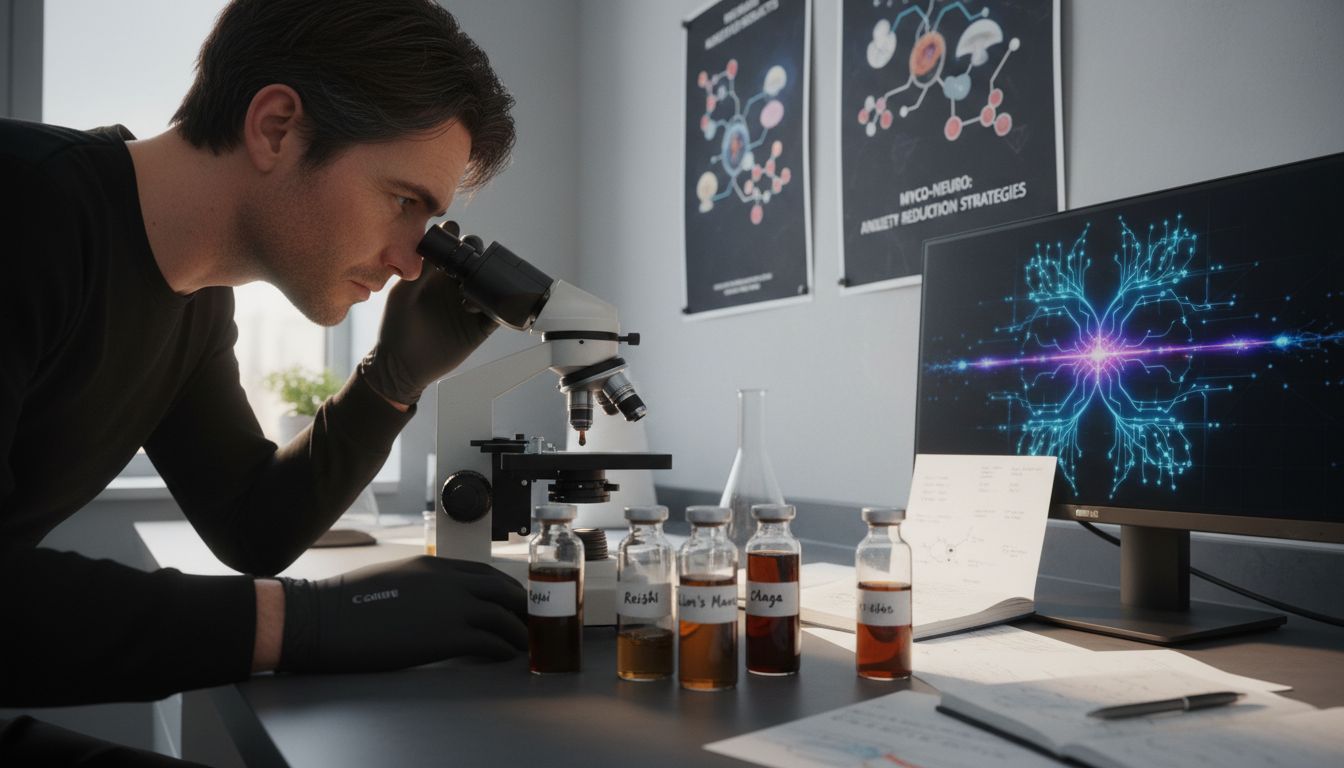
Anxiety reduction with mushrooms represents an emerging approach to mental wellness that leverages the therapeutic potential of medicinal and psilocybin-containing fungi. As traditional treatments like pharmaceuticals often come with significant side effects, more individuals are exploring natural alternatives that offer holistic mental health support. Livescience highlights that medicinal mushrooms like Lion’s Mane and Reishi have been traditionally used to support mental health, with compelling research indicating their potential in reducing anxiety and depression.
The concept of anxiety reduction through mushrooms encompasses multiple strategies, including microdosing psilocybin and consuming specific adaptogenic mushroom species known for their neurological benefits. Psilocybin mushrooms interact with serotonin receptors in the brain, potentially modulating mood and emotional processing in ways that traditional medications cannot. This interaction may help reset neural pathways, reduce rumination, and provide individuals with a different perspective on their anxious thought patterns.
Mushrooms offer diverse mechanisms for anxiety management. Some mushroom varieties work by supporting the body’s stress response, while others directly influence neurotransmitter function. For those exploring anxiety relief strategies, understanding the nuanced ways different mushroom types interact with human neurochemistry becomes crucial.
 Key benefits might include:
- Potential reduction in chronic stress levels
- Enhanced emotional regulation
- Improved neuroplasticity
- Natural alternative to pharmaceutical interventions
While promising, it’s essential to approach mushroom-based anxiety reduction with informed caution. Individual responses vary, and consulting healthcare professionals remains critical when exploring any new mental health intervention.
Types Of Mushrooms Used For Anxiety
Anxiety management through mushrooms involves several powerful fungal species with unique neurological and adaptogenic properties. Calmer You highlights three primary mushrooms frequently utilized for stress reduction: Reishi, Lion’s Mane, and Cordyceps. These mushrooms have been traditionally recognized for their profound ability to support mental wellness and emotional balance.
Reishi mushrooms, often called the “mushroom of immortality,” excel at modulating stress responses and promoting relaxation. Chaga mushrooms, as noted by MindLab Pro, are particularly potent adaptogens that help alleviate anxiety and support overall mood health. Their unique compounds interact with the body’s stress management systems, potentially reducing cortisol levels and enhancing emotional resilience.
Each mushroom type offers distinctive benefits for anxiety reduction:
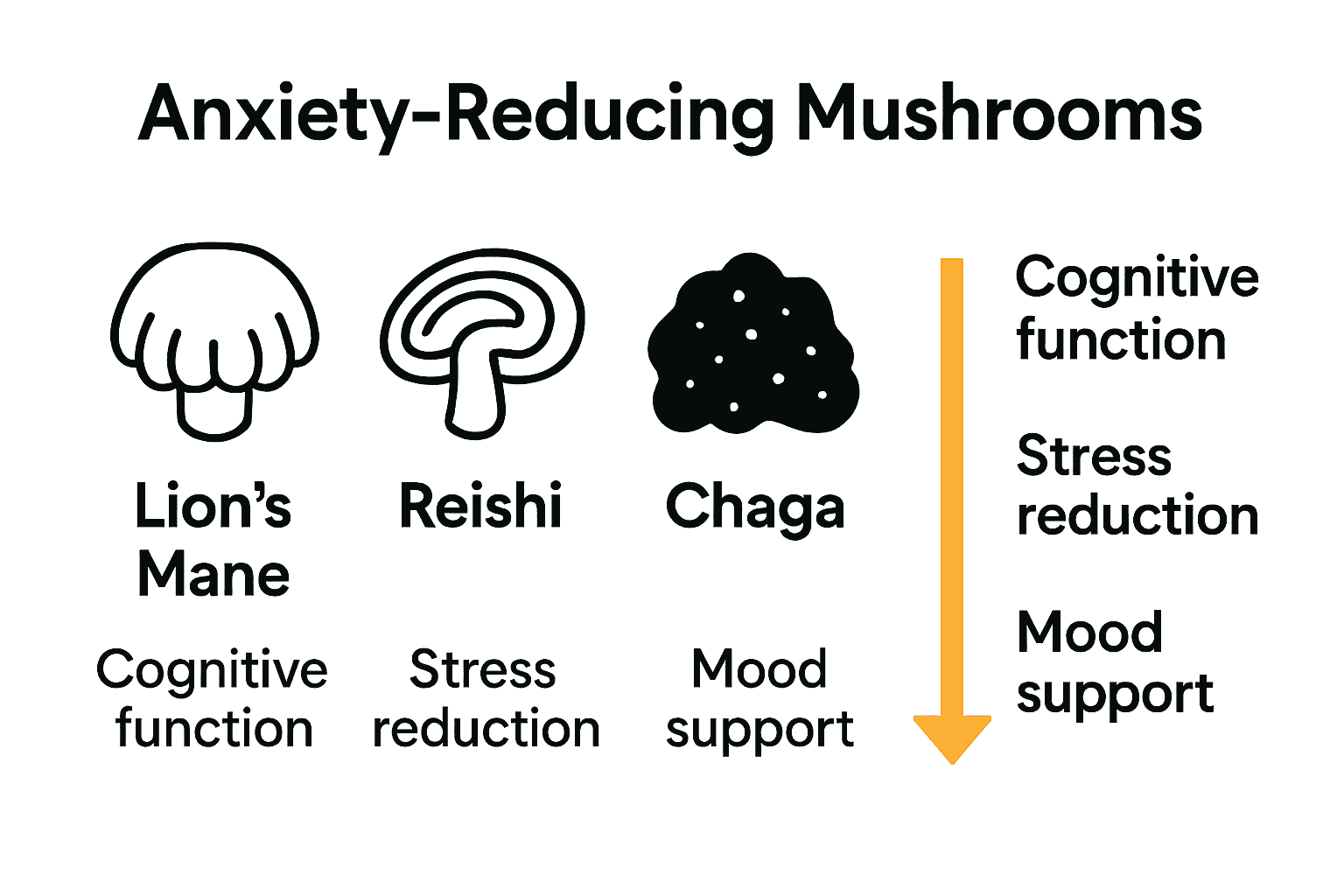
- Lion’s Mane: Supports cognitive function and neurogenesis
- Reishi: Promotes deep relaxation and stress management
- Chaga: Helps balance mood and reduce inflammatory responses
- Cordyceps: Enhances energy and stress adaptation
While these mushrooms show promising potential, microdosing strategies can provide nuanced approaches to anxiety management. Individual responses vary, so consulting healthcare professionals remains essential when exploring alternative mental health interventions.
How Microdosing Psilocybin Supports Wellness
Microdosing psilocybin represents an emerging approach to holistic wellness that goes beyond traditional mental health treatments. ArXiv Research highlights promising evidence of psilocybin-based therapy in alleviating cancer-related anxiety and depression, suggesting broader potential for psychological and emotional wellness. This nuanced approach involves consuming sub-perceptual doses of psilocybin mushrooms, allowing individuals to experience subtle neurological benefits without full psychedelic experiences.
The wellness support mechanism of microdosing operates through complex neurological interactions. Psilocybin compounds engage with serotonin receptors, potentially resetting neural pathways, reducing rumination, and enhancing emotional processing. Unlike pharmaceutical interventions that often mask symptoms, microdosing aims to support fundamental neurological flexibility and emotional resilience. Types of microdosing mushrooms offer varied approaches to supporting mental and emotional well-being, with individual responses varying based on personal neurochemistry.
Key wellness benefits of microdosing psilocybin might include:
- Improved emotional regulation
- Enhanced cognitive flexibility
- Reduced anxiety and depressive symptoms
- Increased creativity and problem-solving abilities
- Potential neurogenesis support
- Balanced stress response
While promising, microdosing requires careful, informed approach. Consulting healthcare professionals, understanding personal health history, and starting with minimal, controlled doses remain crucial for safe and effective wellness integration.
Legal Status And Regulations In Canada
Psilocybin mushrooms occupy a complex legal landscape in Canada, with nuanced regulations that differentiate between various contexts of use. While currently classified as a controlled substance, recent developments have created narrow pathways for legal access, particularly for therapeutic and research purposes. Legal considerations around psilocybin reveal an evolving regulatory environment that balances public safety with emerging scientific understanding.
Canadian law currently restricts psilocybin possession and distribution, with specific exemptions emerging for medical and scientific applications. Health Canada has granted limited legal access through special authorization mechanisms, including:
- Section 56 exemptions for medical research
- Compassionate access for end-of-life and treatment-resistant mental health conditions
- Approved clinical trial pathways
- Specialized psychiatric treatment programs
Individuals interested in exploring psilocybin must navigate these regulations carefully. Personal possession remains illegal outside approved contexts, with potential legal consequences for unauthorized use. The regulatory framework continues to evolve, reflecting growing scientific evidence about psilocybin’s therapeutic potential and shifting societal perspectives on psychedelic substances. Potential users should always consult legal professionals and healthcare providers to understand current regulations and personal eligibility for authorized use.
Risks, Safety Guidelines, And Common Mistakes
Psilocybin mushroom use requires careful, informed approach to minimize potential risks and ensure personal safety. ArXiv Research emphasizes that psilocybin therapy demands meticulous patient screening and precise dosage considerations to mitigate potential adverse effects. Understanding these nuanced safety parameters becomes crucial for responsible exploration of psychedelic wellness strategies.
Common mistakes individuals frequently make when approaching psilocybin include:
- Ignoring personal medical history
- Consuming inappropriate dosages
- Using mushrooms without professional guidance
- Mixing with other medications or substances
- Failing to create a safe, supportive environment
- Overlooking potential psychological vulnerabilities
Safety guidelines for responsible use involve comprehensive preparation and mindful consumption. Common microdosing mistakes highlight the importance of understanding individual physiological and psychological responses. Potential users should conduct thorough personal health assessments, consult healthcare professionals, start with minimal doses, and create controlled, supportive environments for exploration. Individuals with personal or family histories of mental health conditions, particularly psychotic disorders, should exercise extreme caution and potentially avoid psilocybin entirely.
Discover Natural Anxiety Relief With Mushrooms
If you are seeking effective anxiety reduction methods that move beyond traditional pharmaceuticals the solutions discussed in our guide can be a gateway to a new approach. Mushrooms like psilocybin offer promise by supporting emotional regulation and neuroplasticity with fewer side effects than conventional medications. At Fungal Friend we understand the challenges of managing stress and anxiety and provide a thoughtfully curated selection of microdosing products that can help you regain balance naturally.
Explore our range of carefully crafted mushroom capsules teas and chocolates designed for anxiety relief and mood enhancement. Whether you are new to psilocybin or experienced in its benefits you will find educational resources and safe dosing guidance on our Uncategorized Archives – Fungal Friend page to support your journey. Take charge of your mental wellness today by visiting Fungal Friend and unlock the natural potential of mushrooms for anxiety reduction and emotional resilience.
Frequently Asked Questions
What types of mushrooms are commonly used for anxiety reduction?
Reishi, Lion’s Mane, Chaga, and Cordyceps are the most commonly used mushrooms for anxiety reduction. Each has unique properties that contribute to emotional balance and mental wellness.
How does microdosing psilocybin work for anxiety?
Microdosing psilocybin involves taking sub-perceptual doses of psilocybin mushrooms, which engage serotonin receptors in the brain. This approach aims to enhance emotional regulation, improve cognitive flexibility, and reduce anxiety without the full psychedelic experience.
What are the key benefits of using mushrooms for anxiety management?
Mushrooms may help reduce chronic stress levels, enhance emotional regulation, improve neuroplasticity, and provide a natural alternative to pharmaceutical interventions for mental health.
What safety precautions should I take when using psilocybin mushrooms?
Before using psilocybin mushrooms, consult healthcare professionals, assess your personal medical history, start with minimal doses, and ensure a safe and supportive environment to minimize potential risks.