
Beginner Microdosing Guide for Safe Psilocybin Use
Starting your first psilocybin microdosing journey can feel both exciting and uncertain, especially with so much information out there. For many Canadian adults looking to improve mental wellness or productivity, taking those initial steps begins with honest self-reflection and finding safe, reliable resources. This guide breaks down how to confidently assess your personal readiness and make practical choices every step of the way, setting the foundation for a mindful and balanced experience.
Table of Contents
- Step 1: Assess Your Personal Readiness And Goals
- Step 2: Choose A Reputable Source And Suitable Product
- Step 3: Set Up Your Dosing Schedule And Environment
- Step 4: Measure And Take Your First Microdose
- Step 5: Track Your Experience And Adjust As Needed
Quick Summary
| Key Point | Explanation |
|---|---|
| 1. Assess personal readiness and goals | Reflect on your mental health, life challenges, and objectives for microdosing before starting the journey. |
| 2. Choose a reputable source | Select a vendor that prioritizes product transparency, strain documentation, and legal compliance to ensure safety. |
| 3. Establish a consistent dosing schedule | Plan your microdosing routine considering frequency, timing, and environment to support your mental exploration. |
| 4. Measure first microdose carefully | Use a precision scale and start with a small dose in a familiar setting to monitor your initial experience. |
| 5. Track experiences and adjust method | Regularly document changes in mood and cognition to identify patterns and refine your microdosing approach. |
Step 1: Assess your personal readiness and goals
Before diving into microdosing, understanding your personal motivations and psychological landscape is crucial. Assessing individual readiness requires honest self-reflection about your mental health, current life challenges, and potential goals for exploring psilocybin microdosing.
Your personal assessment should include several key dimensions:
- Mental health history: Evaluate any existing conditions like depression, anxiety, or past trauma
- Current medications: Review potential interactions with prescribed pharmaceuticals
- Personal wellness objectives: Clarify specific outcomes you hope to achieve
To effectively prepare, consider creating a comprehensive personal profile that addresses your psychological readiness. Emotional resilience practices suggest approaching microdosing as an intentional journey of self-discovery and growth.
Your microdosing journey begins with understanding yourself, not just consuming a substance.
Prepare to track your experiences through consistent journaling, noting subtle shifts in mood, creativity, and emotional state. This practice helps you remain objective and mindful throughout your exploration.
Pro tip: Create a baseline wellness journal one month before starting microdosing to accurately document your initial mental and emotional state.
Step 2: Choose a reputable source and suitable product
Selecting a trustworthy source for your microdosing journey is fundamental to ensuring safety and effectiveness. Psilocybin product quality varies significantly between suppliers, making careful selection critical for your wellness experience.
When evaluating potential sources, consider these essential criteria:
- Product transparency: Look for vendors who provide detailed lab testing results
- Strain documentation: Verify the specific mushroom species and origin
- Consistent dosing: Ensure products offer precise, standardized microdose measurements
- Legal compliance: Confirm the source operates within current regional regulations
The form of psilocybin can impact your experience, with options including:
Here’s a quick overview of psilocybin product forms and their common use cases:
| Product Form | Pros | Ideal Use Scenario |
|---|---|---|
| Capsules | Precise dosing, easy to use | Daily routines, discreet use |
| Dried Mushroom Powder | Flexible measurement, natural form | Experienced users, recipe mixing |
| Liquid Tincture | Fast absorption, adjustable | Fast effects, custom dosing |
| Infused Edibles | Taste masking, convenience | Occasional, palatable experiences |
- Dried mushroom powder
- Capsules with measured doses
- Liquid tinctures
- Infused edibles
Reputable sources prioritize consumer safety through rigorous quality control and transparent manufacturing practices.
Research potential suppliers thoroughly, checking customer reviews, third-party certifications, and their commitment to responsible product development. Your goal is finding a source that demonstrates scientific integrity and prioritizes user wellness.

Pro tip: Request detailed product documentation and lab test results before making your initial purchase to ensure maximum safety and quality.
Step 3: Set up your dosing schedule and environment
Establishing a strategic microdosing schedule requires thoughtful planning and self-awareness. Microdosing for productivity involves creating a consistent routine that supports your wellness goals while minimizing potential disruptions.
Your microdosing schedule should incorporate these key considerations:
- Frequency: Most protocols recommend dosing every third day
- Timing: Choose days with lower stress and more flexibility
- Environment: Select calm, comfortable settings for initial experiences
- Personal obligations: Avoid critical work or high-pressure situations
Your microdosing environment should feel safe, predictable, and supportive of your mental exploration.
Typical microdosing schedules often follow established protocols like the Fadiman method:
- Day 1: Microdose day
- Day 2: Rest and integration day
- Day 3: Another rest day
- Repeat cycle
Pay close attention to your body’s response and be prepared to adjust your schedule based on individual reactions. Consistent journaling can help you track subtle changes in mood, energy, and cognitive function.
Pro tip: Start your microdosing schedule on a weekend or during a less demanding period to allow yourself ample time for observation and adjustment.
Step 4: Measure and take your first microdose
Initiating your first microdosing experience requires precision, care, and mindful preparation. Microdosing guidelines emphasize starting with extremely small, carefully measured quantities to ensure a safe and controlled introduction.
For your first microdose, you’ll need specific equipment and approach:
- Precision scale: Digital scale accurate to 0.01 grams
- Measuring technique: Weigh dried mushrooms carefully
- Dosage range: 0.1 to 0.3 grams for first-time users
- Preparation environment: Calm, familiar setting
A successful first microdose requires careful measurement and a supportive, low-stress context.
Step-by-step microdosing process:
- Calibrate your digital scale
- Measure exact mushroom quantity
- Consume on an empty stomach
- Stay in a comfortable environment
- Monitor and journal your experience
Remember that individual sensitivity varies. Start with the lowest recommended dose and pay attention to how your body responds. Avoid consuming microdoses before critical work or high-pressure situations.
Pro tip: Have a trusted friend nearby during your first microdosing experience to provide support and help you feel more comfortable.
Step 5: Track your experience and adjust as needed
Documenting your microdosing journey is crucial for understanding its unique impact on your mental and physical well-being. Microdosing journal techniques provide a structured approach to tracking subtle changes and evaluating your personal response.
Your tracking process should include comprehensive observations:
- Emotional state: Record daily mood fluctuations
- Sleep quality: Note changes in sleep patterns
- Cognitive performance: Track focus and mental clarity
- Physical sensations: Document any physical responses
Consistent, honest journaling transforms your microdosing experience from passive consumption to intentional self-exploration.
Detailed tracking helps you identify patterns and make informed adjustments:
Compare common microdosing tracking methods:
| Tracking Method | Advantages | Best For |
|---|---|---|
| Paper Journal | Easy to personalize, offline | Daily reflection, flexible notes |
| Digital App | Automatic metrics, reminders | Trend spotting, data analysis |
| Spreadsheet | Customization, data export | Detailed tracking, visual charts |
- Choose a consistent journaling method
- Record experiences immediately after microdosing
- Rate key metrics on a numerical scale
- Look for trends over multiple weeks
- Be prepared to modify your approach
Remember that microdosing is a highly individual experience. What works for others might not work identically for you. Stay patient, observant, and open to subtle changes in your mental and physical landscape.
Pro tip: Use a digital app or dedicated notebook to create a systematic tracking method that allows for easy pattern recognition and long-term insights.
Discover Safe and Effective Psilocybin Microdosing with Fungal Friend
Navigating your first microdosing experience can feel overwhelming when it comes to choosing the right product, measuring doses precisely, and establishing a schedule that aligns with your personal wellness goals. This Beginner Microdosing Guide highlights the importance of thoughtful preparation such as assessing mental readiness and tracking your journey carefully. If you are looking for trusted solutions that prioritize safety, quality, and clarity, exploring our Uncategorized Archives – Fungal Friend will introduce you to carefully curated psilocybin options designed for beginners and seasoned users alike.
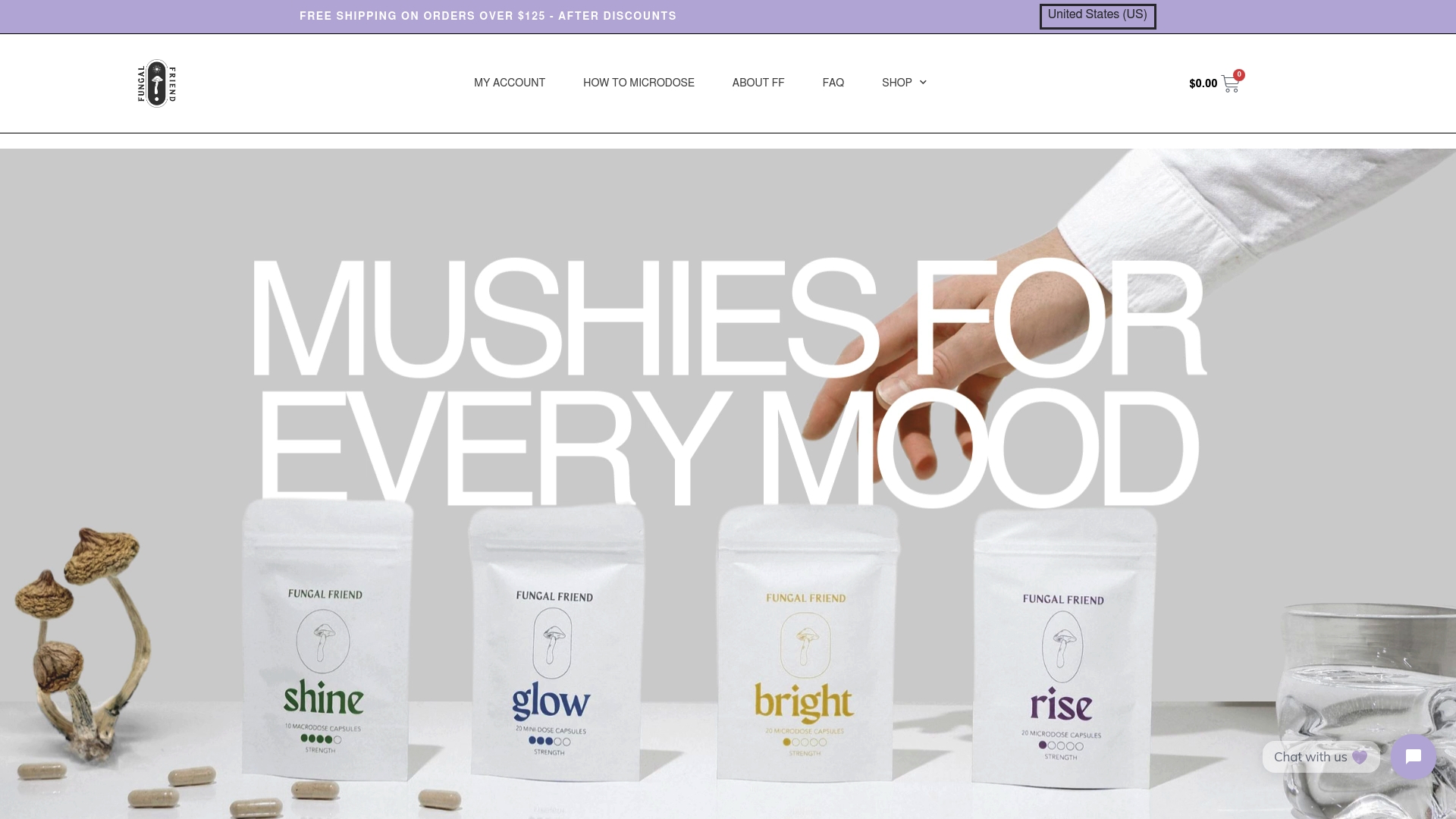
Take control of your microdosing journey today by visiting Fungal Friend to find premium mushroom capsules, infused teas, and infused chocolates crafted with precision. Benefit from detailed product information, legal compliance, and discreet delivery to boost your confidence as you embark on this path. Start with the right resources now and embrace a natural approach to mood balance, focus enhancement, and anxiety relief.
Frequently Asked Questions
How can I assess my personal readiness for psilocybin microdosing?
To assess your personal readiness, evaluate your mental health history, current medications, and wellness objectives. Take time to reflect on your motivations and create a personal profile to guide your journey.
What should I look for in a reputable source of psilocybin products?
When selecting a source, ensure it provides detailed lab testing results, verifies the strain documentation, offers consistent dosing, and complies with legal regulations. Prioritize vendors that display transparency and prioritize consumer safety.
How should I schedule my microdosing sessions?
Establish a microdosing schedule that includes dosing every third day, with specific timing on low-stress days. Adjust your schedule based on your body’s responses and maintain a consistent journaling practice to track your experiences.
What is the recommended dosage for my first microdose?
For your first microdose, start with 0.1 to 0.3 grams of dried mushrooms, carefully measured with a precision scale. Begin with the lowest dose to monitor your body’s sensitivity and adjust as needed based on your experience.
How can I effectively track my microdosing experience?
Track your microdosing journey by documenting your emotional state, sleep quality, cognitive performance, and physical sensations. Create a systematic approach using either a paper journal, digital app, or spreadsheet to analyze trends over time.
What should I do if I experience adverse effects from microdosing?
If you experience adverse effects, stop microdosing immediately and reflect on your dosage and environment. Consider reducing your dosage on subsequent sessions or skipping doses until you feel comfortable resuming your practice.