
How to Replace Alcohol with Mushrooms Naturally
Switching from alcohol to natural solutions for mental wellness can feel like a big leap. Many Canadian adults are exploring microdosing psilocybin mushrooms as a gentler way to support anxiety and mood without the negative side effects of drinking. With research showing that microdosing protocols like Fadiman’s recommend doses between 0.5 and 3 micrograms per kilogram every third day, careful selection and tracking are key. This guide will help you confidently choose safe microdose products, set up your environment, and create habits that truly support your wellbeing.
Table of Contents
- Step 2: Select Appropriate Mushroom Microdose Products
- Step 3: Create A Safe And Supportive Environment
- Step 4: Incorporate Mushrooms Into Your Daily Routine
- Step 5: Monitor Effects And Adjust Your Approach
Quick Summary
| Important Insight | Explanation |
|---|---|
| 1. Define your microdosing goals | Identify your primary intention, like anxiety relief or mood enhancement, to guide your product selection. |
| 2. Choose reputable suppliers | Source products from vendors that test for potency and provide clear strain information to ensure safety and efficacy. |
| 3. Track your experiences | Keep a detailed log of your doses, effects, and any changes in mood or focus to identify patterns and adjust accordingly. |
| 4. Create a supportive environment | Ensure your setting is calm, free from distractions; this helps foster a greater sense of safety and self-awareness. |
| 5. Gradually integrate microdosing | Establish a consistent routine that pairs microdoses with existing habits to make the practice sustainable and natural. |
…
Step 2: Select appropriate mushroom microdose products
Choosing the right microdose product is where theory meets practice. You’re not just picking a random option off a shelf. You’re selecting a tool that aligns with your goals, your body, and your comfort level with this new approach to wellness.
Start by understanding what you’re actually looking for. Are you microdosing for anxiety relief, mood enhancement, or cognitive clarity? Your primary intention shapes which product makes sense for you. Then consider the delivery method. Capsules offer precision and discretion, which appeals to many Canadian adults managing busy lives. Teas provide a gentler introduction if you prefer a ritualistic experience. Chocolates add palatability for those hesitant about the taste of raw mushroom material. Each format affects how your body processes the dose and how quickly you’ll notice effects.
Dose accuracy matters tremendously. Research on psilocybin microdose protocols shows that effective microdoses typically range from 0.5 to 3 micrograms per kilogram of body weight, administered every third day following established schedules. This specificity exists for a reason. Too little and you won’t experience the benefits you’re seeking. Too much and you’ve moved beyond microdosing into territory that could trigger unwanted intensity. When selecting products, verify that the dosing information is clear and consistent. Reputable suppliers provide transparent labeling about potency and administration.
Be cautious about sourcing and safety. The mushroom microdose market includes both reliable products and questionable ones. Some suppliers mix psychoactive and non-psychoactive species without proper documentation, which creates real health risks. You want to work with vendors who test their products, provide third party verification when possible, and can answer specific questions about strain origin and processing methods. Canadian consumers have access to legitimate options, and choosing carefully protects both your health and your experience.
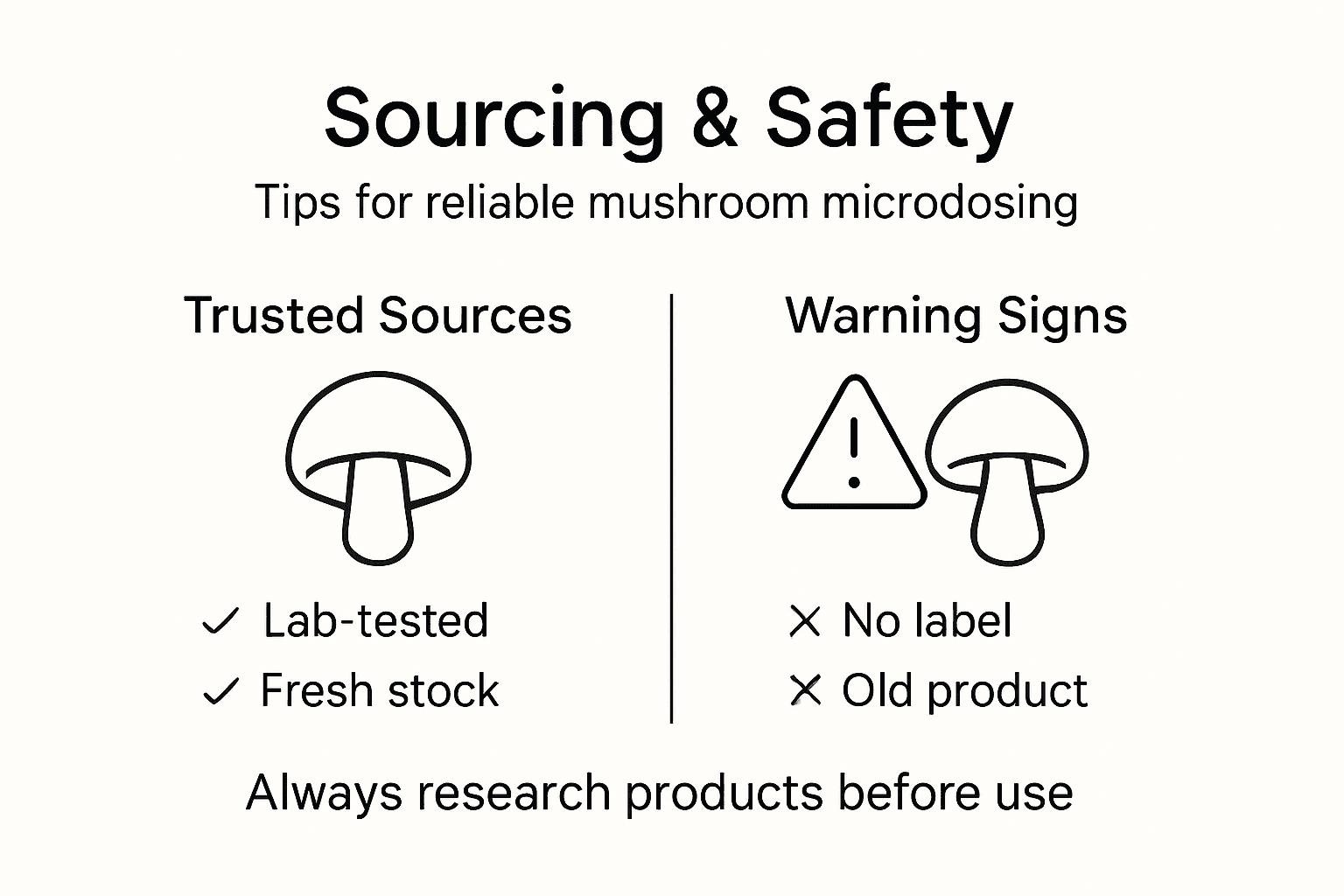
Consider starting with a specific strain recommendation designed for your particular goal. Different psilocybin strains produce subtly different effects on mood and cognition. Some users report that certain strains feel more grounding while others feel more uplifting. A product specifically formulated for anxiety might include complementary ingredients or a strain profile optimized for that outcome. This targeted approach beats generic products every time.
One practical note: strength and shelf life vary significantly between products. Older inventory degrades potency over time. A product purchased six months ago might deliver only 60 percent of its original dose. Ask suppliers about production dates and storage conditions. This directly impacts whether you’re getting what you paid for.
Here’s how popular mushroom microdose formats compare:
| Format | Precision & Dosing Control | Onset Experience | Best For |
|---|---|---|---|
| Capsules | Highly precise, labeled | Steady, predictable | Busy professionals |
| Tea | Moderate, varies by prep | Gentle, gradual | Ritual seekers |
| Chocolate | Good if labeled clearly | Slightly delayed | Taste-sensitive or hesitant users |
| Raw | Low, difficult to measure | Unpredictable | Advanced users only |
Your first purchase doesn’t need to be your forever choice. Many people try different formats and strains before landing on their preferred option. Think of this as exploration rather than commitment. You’re gathering data about what works best with your biology and your lifestyle.
Pro tip: Keep a simple log of which product you used, the dose, the time of day, and how you felt over the following hours. After three or four experiences, patterns emerge that help you identify whether you’ve found your match or need to adjust your selection.
Step 3: Create a safe and supportive environment
Your physical and psychological surroundings directly influence how your microdosing experience unfolds. This isn’t about creating something elaborate or intimidating. It’s about being intentional with the conditions that support your transition from alcohol to mushroom microdosing. Think of it as designing the circumstances where you’ll feel most grounded and supported.
Start with your physical space. Choose a location where you feel calm and secure. For many people, this means your home during a day when you don’t have pressing obligations. Ensure the environment is clean, comfortable, and free from unnecessary distractions. If possible, spend time in natural light or near a window. Remove alcohol from the immediate vicinity if that helps reinforce your commitment to this new practice. Some people light a candle or play soft music to create intentional atmosphere, but these touches are optional. The core requirement is that you feel safe and undistracted.
Your emotional and mental readiness matters equally. Scientific guidelines for safe microdosing emphasize careful monitoring and cognitive assessment to minimize risks. Before you begin, consider who you want to know about this experience. Some people tell a trusted friend or partner who can check in on them. Others prefer to keep it private initially. Whatever you choose, having at least one person you can text or call if questions arise reduces anxiety significantly. This person doesn’t need to be an expert. They just need to be someone who accepts your decision and won’t judge you.
Documentation serves a protective function. Keep a journal or notes app open during your microdosing sessions. Record the time you took your dose, which product you used, and any observations about how you feel in the hours that follow. This isn’t clinical monitoring, but it gives you data about your own responses. You’ll notice patterns over time. Some people feel effects after 30 minutes. Others take 90 minutes. Some days feel more noticeable than others. Your personal baseline becomes your reference point for whether things are working as expected.
Consider your schedule carefully. Microdose on days when you’re not driving, operating machinery, or managing high-stress situations. Your first few experiences should happen when you have flexibility and can observe your own reactions without pressure. Many people choose weekend mornings or a day off from work. This gives you permission to pay attention to yourself without rushing. It also allows time to address any unexpected feelings before moving into your regular routine.
If you have any existing health conditions or take medications, this is the moment to do your research. Psilocybin interacts with certain medications and may not be suitable for specific medical situations. You don’t necessarily need to disclose your microdosing to a doctor unless you have pressing health concerns, but you should understand how it fits with your individual circumstances. Canadian adults often find that the initial research phase prevents problems down the road.
Psychological preparation involves setting a simple intention before you begin. What are you hoping to experience? What outcome are you looking for? Anxiety relief? Clearer thinking? Better mood? A sense of exploration? Write this down or speak it aloud. This centers your focus and gives your brain and body something to orient toward. You’re not forcing an outcome, but you’re creating direction.
Build in buffer time after your dose. Don’t schedule important calls, meetings, or social obligations for at least four to six hours afterward. Give yourself space to simply exist with whatever unfolds. Most people find that microdoses feel subtle during the experience, but reflections emerge later in the day. You want room for that integration to happen naturally.
Pro tip: Tell at least one trusted person your microdosing schedule and check in with them afterward. This creates accountability, reduces isolation, and gives you a built-in support system without requiring that person to be present during your experience.
Step 4: Incorporate mushrooms into your daily routine
Integrating microdosing into your everyday life requires more than just taking a capsule. It means weaving this practice into the rhythm of your day in a way that feels natural and sustainable. Think of this as creating a new habit that eventually requires no extra effort or deliberation.
Start by choosing a consistent time each day. Many people find that taking their microdose in the morning works best because it sets an intentional tone for the hours ahead. Others prefer early afternoon when morning obligations are handled but the day still has momentum. Whatever time you select, keep it the same on your dosing days. Your body thrives on consistency. This regularity trains your nervous system to expect the support and allows you to notice patterns more clearly. If you currently had an alcohol habit, you might have had a specific time associated with that ritual. Consciously replacing that time slot with your microdose creates a clean substitution that your brain recognizes.
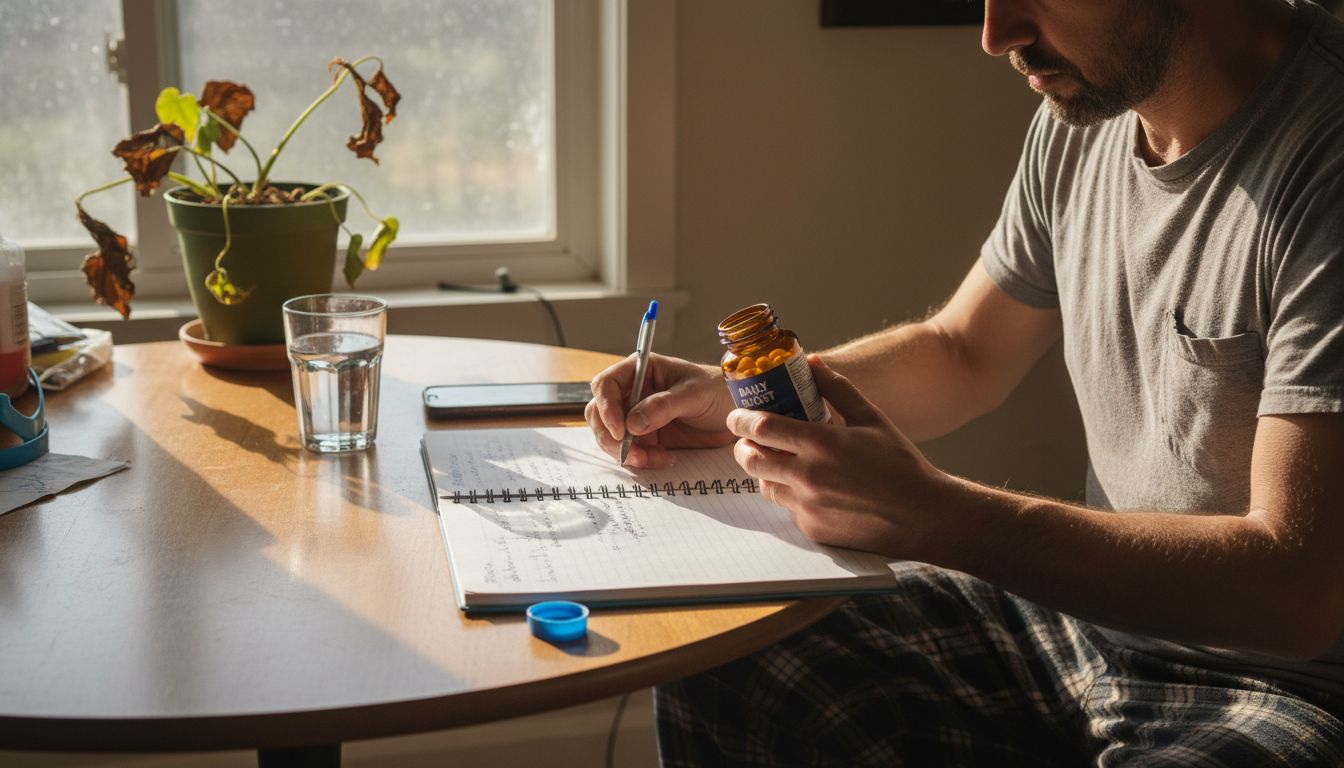
Attach your microdose to something you already do every day. This is how habits actually stick. Pair it with your morning coffee or tea. Take it while you’re making breakfast. Consume it right after your shower. By anchoring this new behavior to an existing routine, you eliminate the need to remember. It becomes automatic. Research shows that microdosing days are associated with enhanced psychological functioning including wellbeing, productivity, and focus. The consistency of daily integration amplifies these benefits over time. You’re not just taking mushrooms sporadically. You’re building a reliable system that compounds positive effects.
Consider creating a small ritual around your dose. This doesn’t mean anything elaborate or time consuming. Some people pause for 30 seconds and set an intention before taking their capsule. Others drink their mushroom tea slowly while looking out a window or sitting in a particular chair. Others simply hold the product for a moment and acknowledge what they’re doing. These micro rituals signal to your brain that something purposeful is happening. They transform a quick action into a mindful practice. This matters because you’re replacing a social or stress-relief behavior with something that requires your conscious participation. The ritual fills that space.
Track which times feel best for you. Your first few weeks of integration are an experiment. You’re gathering data about your own optimal conditions. Does your energy feel clearer in the afternoon? Do you notice better focus if you dose first thing in the morning? Are there days when the effects feel more pronounced? Write these observations down. After two to three weeks, patterns emerge. You’ll recognize your ideal timing and conditions. This personalized knowledge becomes your guide for long-term success.
If you’re incorporating mushroom tea as part of your routine, the consistency becomes even more powerful. Tea demands a few minutes of preparation and sipping time. This creates built-in mindfulness. You’re not rushing. You’re creating a transition moment between one part of your day and the next. The warmth and flavor of tea provide sensory anchoring that capsules don’t offer. Many people find that the ritual of brewing becomes something they genuinely look forward to.
Build flexibility into your system. Life happens. Some days you’ll miss your scheduled dose time. Some weeks you’ll have travel or disrupted routines. This doesn’t derail your practice. It’s normal. When you return to your usual schedule, simply pick up where you left off. You’re building a sustainable habit, not achieving perfection. The goal is consistency over time, not consistency every single day.
Share your routine with others if it feels right. Telling a friend or family member about your microdosing schedule creates social accountability. It also normalizes the practice within your circles. You might discover that others are curious or interested in learning more. You might find that telling someone about your new routine strengthens your commitment.
Notice what changes over weeks and months. Increased focus. Better sleep. Improved mood. Greater patience with stress. Enhanced creativity. Different people report different benefits, and your personal experience is your truest measure of whether this integration is working. This is where theory becomes lived reality.
Pro tip: Set a phone reminder for your dosing time during your first two weeks, then delete it once the behavior becomes automatic. You’re training a habit, not maintaining a chore.
Step 5: Monitor effects and adjust your approach
Monitoring your response to microdosing is where casual experimentation becomes intentional practice. You’re not just hoping things work out. You’re actively gathering information about what’s happening in your body and mind so you can make informed decisions about your dosing strategy. This feedback loop is essential for finding your optimal approach.
Start with simple observation. How do you feel in the hours after taking your dose? Notice your mood, your energy level, your ability to focus, your anxiety levels, and your overall sense of wellbeing. Does anything feel different from a non-dosing day? Some changes appear obvious immediately. Others emerge subtly over time. You might notice that you’re more patient with frustrating situations or that tasks you usually avoid feel more manageable. Some people report clearer thinking. Others notice reduced social anxiety or improved sleep quality. Your individual response is uniquely yours. There’s no standard template for what you should experience.
Keep your written log consistent. Record the date, the time of dose, which product and strain you used, the dose amount, and your observations throughout the day. Note your mood, energy, focus, anxiety level, and any physical sensations using a simple scale if that helps. Did you notice the effects beginning? When did they peak? How long did they last? Over two to three weeks, patterns crystallize. You’ll recognize whether you’re responding as expected or whether adjustments might help. This data becomes your personal reference guide. Clinical research emphasizes the value of cognitive and mood assessments for monitoring microdose effects, demonstrating that systematic tracking enhances both safety and efficacy.
Below is a summary of key factors to track for effective microdosing:
| Tracking Factor | Why It Matters | Example Metrics |
|---|---|---|
| Dose Amount | Ensures consistent results | mg or strain per session |
| Time of Day | Reveals pattern effects | Morning/afternoon intake |
| Mood Changes | Measures emotional shift | Anxiety level, mood notes |
| Side Effects | Ensures safety | Headache, drowsiness, etc. |
Pay attention to dose timing and frequency. If you’re not noticing effects after one week, the dose might be too low. If you’re feeling overstimulated or anxious, the dose might be too high. If effects plateau after the first week, your body might be acclimating. There’s no shame in adjusting. Microdosing is not a one-size-fits-all practice. Your weight, metabolism, individual neurochemistry, and even what you’ve eaten that day influence how your body processes psilocybin. A dose that works perfectly for your friend might feel entirely different for you.
When making adjustments, change only one variable at a time. If you’re considering increasing your dose, don’t simultaneously switch products or change your dosing schedule. Make one adjustment and observe for three to four days before making another change. This methodical approach helps you identify exactly what’s creating the effect you’re after. If you increase your dose and notice improvement, you know the dose was the limiting factor. If you increase it and feel worse, you know to go back down. This scientific approach to your own body builds confidence in your choices.
Monitor how microdosing integrates with your life over weeks. Are you drinking less alcohol? Is your anxiety genuinely decreasing or does it just feel like it on good days? Are you sleeping better? Is your focus actually sharper or are you just more aware of your attention? Real changes persist and become increasingly obvious. Placebo effects tend to fade over time, while genuine neurobiological shifts remain steady or deepen. After one month of consistent microdosing, you should have a clear sense of whether this practice is serving you or whether adjustments are needed.
Be honest about what isn’t working. If you’ve given microdosing four to six weeks with consistent dosing and you’re not noticing meaningful changes, it’s okay to reassess. Maybe your current dose needs adjustment. Maybe the particular strain isn’t right for you. Maybe the timing isn’t optimal. Or maybe psilocybin microdosing simply isn’t the right tool for your situation, and that’s valuable information too. The goal is finding what genuinely supports your wellness, not forcing a practice that doesn’t resonate.
Consider how you feel about replacing alcohol. This is the real measure of success. Are you reaching for mushrooms instead of alcohol when stress hits? Are you genuinely preferring this new approach or does it feel forced? Your psychological and emotional response matters as much as any measurable effect. You’re building a sustainable alternative, and that requires it to feel genuinely better than what came before.
If you’re making adjustments and uncertainty arises, you can always maintain your log and gather more data. Additional weeks of observation rarely hurt. The information you collect becomes increasingly valuable the longer you track it. You’re becoming an expert on your own neurobiology.
Pro tip: Compare your logs from week one to week four to see patterns you might miss day to day. Subtle improvements often become obvious when viewed across time instead of in isolation.
Discover Natural Alternatives to Alcohol with Fungal Friend
If you are ready to replace alcohol with a natural and mindful approach, understanding the importance of accurate dosing, strain selection, and safe consumption is vital. This article highlights challenges such as finding the right microdose product, creating a supportive environment, and tracking effects to build a sustainable routine. These are common hurdles for Canadian adults seeking anxiety relief, improved mood, or enhanced focus through mushroom microdosing instead of alcohol.
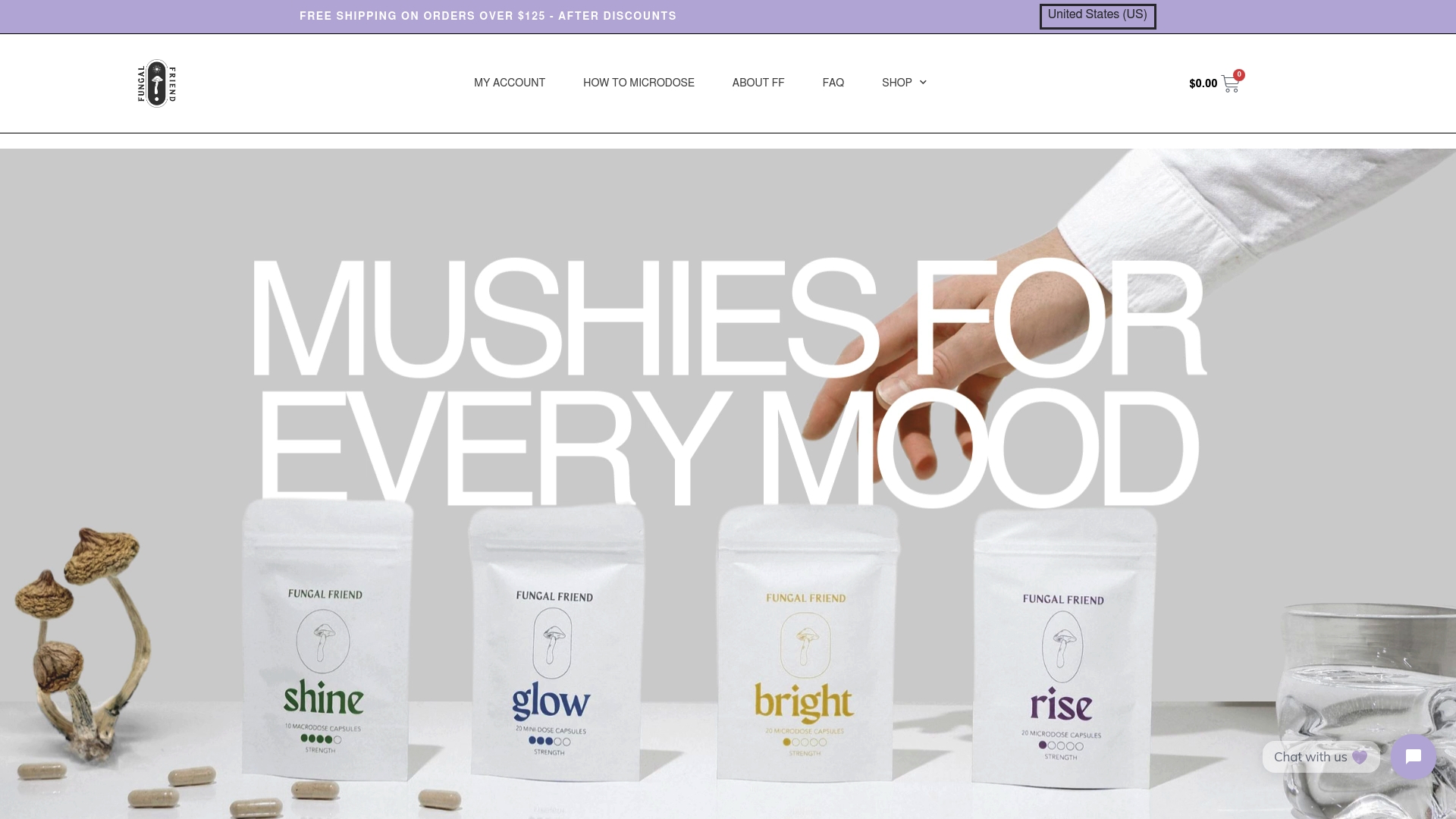
Explore Fungal Friend’s carefully curated selection of mushroom capsules, infused teas, and chocolates designed to meet your unique goals. With a strong commitment to education, safety, and legal accessibility in Canada, our offerings empower you to replace alcohol with confidence. Start your journey today by browsing our Uncategorized Archives – Fungal Friend and learn more about how personalized microdosing fits your lifestyle. Visit Fungal Friend now to take the next step toward natural wellness.
Frequently Asked Questions
What is the best way to start replacing alcohol with mushrooms?
To start replacing alcohol with mushrooms, consider microdosing psilocybin mushrooms. Begin by identifying your primary goals, like reducing anxiety or enhancing your mood, and select a suitable microdose product that matches those intentions.
How do I determine the right microdose amount for my needs?
To determine the right microdose amount, refer to effective microdosing protocols that suggest a range between 0.5 to 3 micrograms per kilogram of body weight. Start with a smaller dose and adjust every few days to find the right balance for your personal needs.
What should I include in my microdosing environment?
Create a safe and comfortable environment free from distractions, ideally during a time when you do not have obligations. Choose a quiet space and remove any alcohol from the area to reinforce your commitment to this practice.
How can I integrate mushrooms into my daily routine effectively?
To integrate mushrooms into your daily routine, take your microdose at the same time each day, preferably during a morning ritual. Pair your intake with an existing habit, such as your morning coffee, to make it a seamless part of your day.
What signs should I monitor to know if microdosing is working for me?
Monitor factors like mood changes, energy levels, and focus to evaluate the effectiveness of microdosing. Keep a log of your experiences over two to three weeks to identify patterns and make informed adjustments.
What should I do if I’m not seeing the desired effects from microdosing?
If you’re not seeing desired effects after several weeks, consider adjusting your dose or changing the strain you are using. Remember to make only one adjustment at a time and observe how that affects your experience over the next few days.