
7 Key Facts About Truffles and Mushrooms for Wellness
Exploring the world of mushrooms and truffles can be confusing if you are not sure what sets them apart. Whether you are curious about the culinary uses or interested in their impact on mental wellness, understanding the real differences helps you make informed choices. This guide will walk you through actionable tips, legal facts about psilocybin in Canada, and safe practices for using truffles and mushrooms in various settings. Get ready to discover clear, practical insights that will help you choose the right strain, dose safely, and enjoy these fungi responsibly.
Table of Contents
- Understanding the Difference Between Truffles and Mushrooms
- How Truffles and Mushrooms Support Mood and Wellness
- Safe Microdosing Tips for Truffles and Mushrooms
- Choosing the Right Strain for Your Needs
- Legal Considerations in Canada for Psilocybin Products
- Common Dosage Guidelines for Beginners and Experienced Users
- Best Practices for Safe and Responsible Use
Quick Summary
| Takeaway | Explanation |
|---|---|
| 1. Understand Truffle vs. Mushroom Differences | Recognize key differences, including habitat and culinary uses, to enhance your culinary knowledge and experiences. |
| 2. Harness Fungi for Mental Wellness | Certain mushrooms contain compounds that support mood stabilization, neuroplasticity, and cognitive enhancement, emphasizing their potential health benefits. |
| 3. Follow Safe Microdosing Guidelines | Start with low doses, track experiences, and consult professionals to ensure responsible and safe use when microdosing truffles and mushrooms. |
| 4. Choose Strains Based on Goals | Select mushroom strains that align with your wellness objectives for personalized health benefits and optimal effects. |
| 5. Know Psilocybin Legalities in Canada | Navigate the complex legal framework surrounding psilocybin by consulting professionals to understand regulations and safe access routes. |
1. Understanding the Difference Between Truffles and Mushrooms
Fungi enthusiasts and culinary explorers often wonder about the distinct characteristics of truffles and mushrooms. While both are fascinating members of the fungal kingdom, they differ significantly in their growth patterns, culinary uses, and ecological roles.
Mushroomss and truffles are fundamentally different types of fungi with unique attributes. Subterranean growth patterns distinguish truffles from their above-ground mushroom counterparts. Here are the key differences:
- Habitat: Mushrooms grow visibly above ground with characteristic caps and stems
- Location: Truffles develop underground, typically near tree roots
- Harvesting: Mushrooms are easily cultivated; truffles require specialized conditions
- Culinary Value: Truffles are rare and extremely expensive; mushrooms are more accessible
The primary distinction lies in their biological structure and environmental interaction. Mushrooms are the fruiting bodies of fungal networks that emerge from soil or decaying matter. Truffles, in contrast, form symbiotic relationships with specific tree species underground.
Truffles represent nature’s hidden delicacies, growing in secret ecological partnerships that make them both rare and extraordinary.
Culinary professionals prize truffles for their intense, complex aromas that can transform dishes with just a few shavings. Their scarcity and unique growth requirements contribute to their high market value.
Pro tip: When cooking, use truffles sparingly as a luxurious garnish, while mushrooms can be used more generously as a primary ingredient.
2. How Truffles and Mushrooms Support Mood and Wellness
Natural fungi like mushrooms and truffles have emerged as powerful allies in supporting mental wellness and cognitive health. Bioactive mushroom compounds offer remarkable potential for enhancing mood and neurological function.
Mushroomss contain unique compounds that interact with our brain chemistry in fascinating ways. These natural substances can support mental wellness through several key mechanisms:
- Neuroplasticity: Compounds that help brain cells form new connections
- Antioxidant Protection: Reducing cellular stress and inflammation
- Cognitive Enhancement: Supporting memory and mental clarity
- Mood Stabilization: Helping regulate emotional responses
Specific mushroom varieties like Lion’s Mane have demonstrated significant potential in supporting neurocognitive health. Their bioactive compounds can help reduce inflammation and potentially improve mental resilience.
Natural fungi offer a holistic approach to mental wellness that goes beyond traditional pharmaceutical interventions.
Psilocybin-containing mushrooms have also shown promising therapeutic potential in clinical research. These compounds can help individuals process emotional experiences and potentially address mental health challenges in controlled therapeutic settings.
Pro tip: Consult with healthcare professionals before integrating any mushroom supplements into your wellness routine to ensure safe and personalized usage.
3. Safe Microdosing Tips for Truffles and Mushrooms
Microdosing truffles and mushrooms requires careful planning and responsible consumption. Microdosing practices demand thoughtful preparation and self awareness to ensure a positive experience.
The fundamental goal of microdosing is experiencing subtle therapeutic benefits without overwhelming psychoactive effects. When approaching microdosing mushrooms or truffles safely consider these essential guidelines:
- Start Low: Begin with minimal dosages
- Track Experiences: Document your physiological and emotional responses
- Create a Safe Environment: Choose comfortable familiar settings
- Maintain Regular Intervals: Follow consistent microdosing schedules
- Consult Healthcare Professionals: Get medical guidance beforehand
Microdosing involves consuming extremely small quantities typically ranging between 0.1 to 0.3 grams of dried mushrooms. This approach allows individuals to potentially experience cognitive and emotional benefits without significant perceptual changes.
Safe microdosing requires intentional preparation discipline and self awareness.
Understanding your personal tolerance and potential interactions with existing medications is crucial. Individual responses can vary significantly based on body chemistry metabolism and overall health status.
Pro tip: Maintain a detailed journal documenting dosage frequency mood changes and any physiological responses to help understand your unique microdosing experience.
4. Choosing the Right Strain for Your Needs
Selecting the ideal mushroom strain requires understanding your specific wellness goals and personal biochemistry. Factors in choosing mushroom strains depend on individual needs and intended therapeutic outcomes.
Different mushroom strains offer unique benefits tailored to specific wellness objectives. Understanding these nuanced differences can help you make an informed selection:
- Mood Enhancement: Strains supporting emotional balance
- Cognitive Function: Varieties targeting mental clarity
- Energy Levels: Mushrooms promoting natural vitality
- Stress Relief: Strains focused on relaxation and adaptability
- Focus and Concentration: Specific varieties supporting mental performance
Critical considerations include personal health history current medications and specific wellness objectives. Some strains might interact differently with individual body chemistry requiring personalized approach and careful selection.
Not all mushroom strains are created equal. Your unique wellness journey demands a thoughtful targeted approach.
Consult healthcare professionals and experienced practitioners to understand which strain might best support your individual wellness goals. Personal biochemistry plays a significant role in determining optimal mushroom selection.
Pro tip: Start with small quantities and maintain a detailed journal documenting your physiological and emotional responses to different mushroom strains.
5. Legal Considerations in Canada for Psilocybin Products
Navigating the legal landscape of psilocybin products in Canada requires careful understanding of complex regulations. Legal mushroom purchase processes remain tightly controlled under current federal guidelines.
Canadian law classifies psilocybin as a controlled substance with strict regulatory frameworks governing its use and distribution. Key legal considerations include:
- Controlled Substances: Psilocybin remains illegal for general consumption
- Medical Exemptions: Limited therapeutic access through Special Access Program
- Clinical Trials: Research pathways for authorized medical investigations
- Provincial Variations: Potential differences in regional enforcement
- Potential Penalties: Legal consequences for unauthorized possession
Health Canada maintains stringent oversight prohibiting widespread commercial distribution of psilocybin products. The current legal framework prioritizes medical research and therapeutic applications under carefully monitored conditions.
Legal access to psilocybin in Canada requires navigating complex regulatory channels with precision and professional guidance.
Individuals interested in psilocybin must work through authorized medical channels or specific research exemptions. The legal landscape continues to evolve with ongoing clinical research and potential policy modifications.
Pro tip: Always consult legal professionals and healthcare providers to understand the most current regulations surrounding psilocybin use in your specific Canadian jurisdiction.
6. Common Dosage Guidelines for Beginners and Experienced Users
Understanding proper dosage is crucial for a safe and meaningful mushroom experience. Magic mushroom dosage guidelines help ensure responsible and intentional consumption.
Psilocybin dosages vary widely based on individual experience level body chemistry and intended outcome. Here are comprehensive guidelines for different user profiles:
- Microdosing: 0.1-0.5 g dried mushrooms
- Light Experience: 1-2 g dried mushrooms
- Standard Therapeutic Dose: 2-3.5 g dried mushrooms
- Intense Exploration: 3.5-5 g dried mushrooms
- Fresh Truffle Considerations: Higher weight due to water content
Fresh truffles require different weight measurements compared to dried mushrooms. Microdoses typically range from 0.5-1 g fresh truffles while moderate experiences might involve 5-7 g fresh truffles.
Responsible dosing demands careful attention to individual sensitivity and intentional preparation.
Beginners should always start with lower doses and progress gradually. Creating a safe comfortable environment and having a trusted guide can significantly enhance the experience.
Pro tip: Always measure doses precisely using a digital scale and prioritize set and setting when exploring psilocybin experiences.
7. Best Practices for Safe and Responsible Use
Responsible psychedelic exploration demands careful preparation and thoughtful intention. Mushroom safety guidelines help ensure a positive transformative experience.
Safe psilocybin use requires comprehensive understanding of potential risks and proactive harm reduction strategies. Consider these critical best practices:
- Informed Consent: Understand potential psychological impacts
- Safe Environment: Create supportive comfortable settings
- Mental Health Screening: Assess personal psychological readiness
- Trusted Support: Have an experienced guide or sitter present
- Integration Planning: Prepare for post-experience processing
Clinical research emphasizes the importance of structured therapeutic environments. This includes comprehensive patient screening thorough informed consent processes and ongoing professional monitoring to maximize potential benefits.
Responsible psychedelic use prioritizes personal safety psychological preparation and intentional healing.
Ethical consumption involves understanding personal motivations potential contraindications and maintaining a respectful approach to these powerful substances. Individual readiness and intention play crucial roles in determining a positive experience.
Pro tip: Schedule a comprehensive health consultation before exploring psilocybin to understand your individual risk factors and ensure a safe responsible journey.
Here is a comprehensive table summarizing the key distinctions, applications, and guidelines addressed regarding truffles and mushrooms in the article.
| Topic | Description | Key Insights |
|---|---|---|
| Truffles vs. Mushrooms | Truffles grow underground near tree roots, creating symbiotic relationships, while mushrooms grow above ground on soil or decaying matter. | Truffles are rarer and more expensive, whereas mushrooms are widely accessible and used in various dishes. |
| Wellness Benefits | Both contain bioactive compounds that support mental wellness, including mood stabilization and cognitive enhancement. | Mushroom varieties like Lion’s Mane show promise for neurological health, and psilocybin mushrooms may provide therapeutic benefits under professional guidance. |
| Microdosing Practices | Microdosing involves consuming small amounts to achieve subtle benefits without strong psychoactive effects. | Essential guidelines include starting with low doses, documenting responses, and maintaining a safe environment. |
| Selection and Use | Different mushrooms strains cater to various wellness objectives, such as relaxation or focus. | Choose strains based on personal biochemistry, desired outcomes, and with professional consultation. |
| Legal Considerations | Psilocybin mushrooms are regulated in Canada, requiring medical or research pathways for legal access. | Familiarize yourself with provincial laws and potential consequences for unauthorized possession. |
| Dosage Guidelines | Dosages vary based on experience level, ranging from microdoses to full therapeutic amounts of dried mushrooms or fresh truffles. | Beginners should start low and progress gradually in controlled settings to reduce risks. |
| Responsible Usage | Safe usage involves informed consent, psychological readiness, environmental preparation, and post-use integration planning. | Following professional guidelines and ensuring support during the experience can enhance outcomes and reduce risks. |
Unlock the Full Potential of Truffles and Mushrooms for Your Wellness Journey
Discover how to safely harness the powerful benefits of microdosing and carefully selected mushroom strains by exploring expert guidance and quality products at Fungal Friend. This article highlights key challenges such as choosing the right strains, understanding dosing guidelines, and navigating Canadian legal considerations — all critical to maximizing mood balance, cognitive enhancement, and overall wellness.
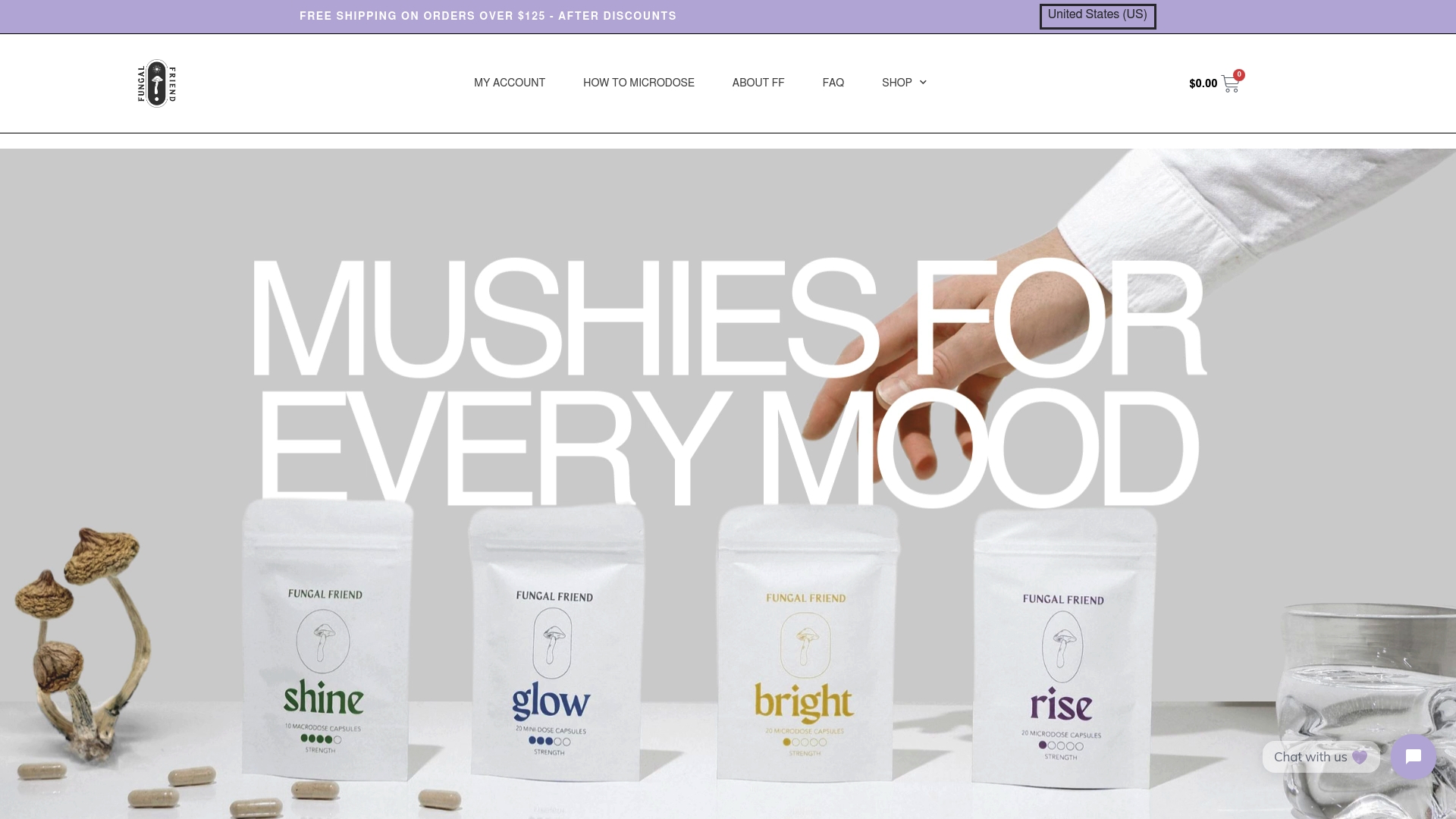
Ready to take the next step toward natural mental clarity and emotional support Explore our curated selection of microdose psilocybin mushrooms and infused products designed for beginners and experienced users alike. Visit Fungal Friend to access educational resources and shop confidently knowing you have trusted options tailored to your personal wellness goals. For more insights, check out our Uncategorized Archives – Fungal Friend and our main homepage to start your mindful journey today.
Frequently Asked Questions
What are the primary differences between truffles and mushrooms?
Truffles grow underground in symbiotic relationships with tree roots, while mushrooms develop visibly above ground. To appreciate these differences, consider exploring culinary options that highlight each, such as using truffles as garnishes and mushrooms as main ingredients.
How can consuming mushrooms improve mental wellness?
Mushrooms contain bioactive compounds that support neuroplasticity, cognitive enhancement, and mood stabilization. To potentially boost your mental wellness, incorporate mushrooms like Lion’s Mane into your diet regularly.
What are safe microdosing practices for truffles and mushrooms?
Safe microdosing involves starting with low doses, typically between 0.1 to 0.3 grams for dried mushrooms, and tracking your experiences. Record your responses for at least a month to identify how microdosing affects your mood and cognition.
How do I choose the right mushroom strain for my wellness goals?
Select a mushroom strain based on your specific objectives, such as mood enhancement or cognitive function. Start by researching various strains and consider consulting an experienced practitioner to find one that aligns with your needs.
What dosage guidelines should I follow as a beginner with mushrooms?
Beginners should start with a light experience dosage of around 1 to 2 grams of dried mushrooms. Gradually increase your dosage every few sessions, paying attention to how each dose affects you.
What precautions should I take for responsible mushroom use?
To use mushrooms responsibly, create a safe environment, assess your mental health readiness, and have a trusted guide present. Before starting your journey, plan for integration after your experiences to maximize the benefits.
Recommended
- 7 Key Facts About Chocolate Mushrooms for Mindful Wellness – Fungal Friend
- 7 Key Benefits of Mushroom Tea: Educational List for Wellness – Fungal Friend
- Understanding the Advantages of Mushroom Chocolate for Wellness – Fungal Friend
- 9 Essential Psychedelic Mushroom Facts List for Wellness – Fungal Friend