
7 Legal Psychedelics in Canada List for Wellness Seekers
Over 90 percent of Canadians are unsure about the legal status of popular psychedelic substances like psilocybin mushrooms, DMT, ketamine, and peyote. With new research and shifting medical opinions, the landscape around these compounds is continually changing. If you are curious about therapeutic use, cultural significance, or simply want to understand the legal risks, a closer look at current Canadian regulations and emerging trends can help you make more informed choices.
Table of Contents
- 1. Psilocybin Mushrooms And Legal Gray Areas
- 2. Dmt And Ayahuasca Ceremony Restrictions
- 3. Lsd Analogues And Legal Alternatives
- 4. Ketamine Clinics For Mental Health Support
- 5. Salvia Divinorum For Consciousness Expansion
- 6. San Pedro And Peyote Cactus Legal Status
- 7. Functional Mushrooms As Psychedelic Alternatives
Quick Summary
| Takeaway | Explanation |
|---|---|
| 1. Psilocybin mushrooms have legal exemptions for therapy. | Health Canada allows controlled therapeutic use for specific medical conditions, although general possession remains illegal. |
| 2. Ayahuasca ceremonies require strict permissions. | Certain religious groups can obtain permits for ceremonial use, but the application process is complex and detailed. |
| 3. Ketamine clinics provide regulated mental health support. | Patients can access ketamine therapy under professional supervision, specifically for treatment-resistant depression and anxiety. |
| 4. Salvia remains unregulated but poses risks. | While not banned, Salvia divinorum’s legal ambiguity necessitates caution due to its intense psychological effects. |
| 5. Functional mushrooms are legal and beneficial. | Varieties like lion’s mane offer cognitive enhancement and health support without the complexities of psychedelics. |
1. Psilocybin Mushrooms and Legal Gray Areas
Psilocybin mushrooms exist in a complex legal landscape in Canada that challenges traditional perspectives on psychedelic substances. While technically prohibited under federal law, emerging research and evolving medical perspectives are creating interesting conversations about their potential therapeutic value.
According to Psychedelic Law, psilocybin mushrooms remain classified under Schedule III of the Controlled Drugs and Substances Act. This means possession, distribution, and consumption are generally illegal. However, the legal framework is not entirely straightforward.
Key Legal Considerations
- Clinical Research Exemptions: Health Canada has begun granting special permissions for therapeutic research and end-of-life care treatments
- Medical Access Pathways: Specific legal mechanisms exist for patients with treatment-resistant conditions
- Ongoing Policy Evolution: Active discussions about potential decriminalization continue among policymakers
Decriminalization vs Legalization represents a critical nuance in understanding the current legal status. While complete legalization hasn’t occurred, there are emerging pathways for controlled, therapeutic use.
For individuals interested in psilocybin’s potential, working with licensed healthcare professionals and understanding current legal exemptions is crucial. The legal landscape continues to shift, with growing recognition of potential mental health applications.
Research from Health Canada acknowledges ongoing investigations into psilocybin’s therapeutic potential, suggesting that current legal restrictions might evolve as scientific understanding expands.
2. DMT and Ayahuasca Ceremony Restrictions
DMT and ayahuasca occupy a complex legal terrain in Canada where traditional spiritual practices intersect with federal drug regulations. While technically prohibited, the legal framework allows for nuanced exceptions that recognize the profound cultural significance of these substances.
According to Psychedelic Law, DMT remains classified under Schedule III of the Controlled Drugs and Substances Act. This means its possession and distribution are generally illegal. However, specific legal pathways exist for religious and ceremonial contexts.
Key Legal Considerations for Ayahuasca
- Religious Exemptions: Certain spiritual organizations can obtain Section 56 permits
- Ceremonial Use: Limited legal access for recognized religious groups
- Strict Regulatory Oversight: Comprehensive documentation and approval required
The legal landscape surrounding ayahuasca demonstrates Canada’s approach to balancing cultural practices with drug control regulations. Religious groups seeking ceremonial permissions must navigate a complex application process that involves extensive documentation and stringent review.
Magic Mushroom Safety Guidelines provide insight into the broader framework of psychedelic substance regulations in Canada. While not directly about ayahuasca, these guidelines reflect the careful approach Canadian authorities take toward psychoactive substances.
Research from ICEERS highlights the ongoing dialogue between traditional ceremonial practices and contemporary legal frameworks. For individuals interested in ayahuasca ceremonies, working closely with recognized religious organizations and understanding the specific legal exemption processes is crucial.
3. LSD Analogues and Legal Alternatives
LSD and its chemical cousins inhabit a complex legal landscape in Canada where scientific research and regulatory frameworks continue to evolve. Understanding the nuanced legal status of these substances requires careful navigation through current regulations and emerging scientific perspectives.
According to Psychedelic Law, LSD remains classified under Schedule III of the Controlled Drugs and Substances Act. This means possession, distribution, and consumption are generally prohibited under federal law.
Key Legal Considerations for LSD Analogues
- Strict Regulatory Control: Most LSD derivatives remain illegal
- Research Exceptions: Limited permissions for scientific investigation
- Emerging Therapeutic Potential: Ongoing studies exploring medical applications
Rise of Functional Psychedelics provides context for understanding how alternative substances are gaining attention in wellness circles. While direct LSD use remains restricted, researchers are exploring legal alternatives that might offer similar cognitive benefits.
The 2025 report from Psychedelic Law suggests that legal frameworks are dynamically responding to new scientific evidence. For individuals interested in cognitive enhancement, consulting healthcare professionals and staying informed about legal research pathways is crucial.
Understanding the legal landscape requires recognizing that regulations are not static. While current laws prohibit LSD, ongoing research may ultimately reshape our understanding of these substances therapeutic potential.
4. Ketamine Clinics for Mental Health Support
Ketamine represents a groundbreaking approach to mental health treatment in Canada, offering hope for individuals struggling with treatment resistant conditions. These specialized medical clinics provide a controlled therapeutic environment where patients can explore innovative mental health interventions.
According to Psychedelic Law, ketamine is legally available for medical use under strict Health Canada regulations. This means patients can access ketamine assisted therapy through certified medical professionals who follow comprehensive treatment protocols.
Key Considerations for Ketamine Therapy
- Medical Supervision: All treatments conducted under professional healthcare guidance
- Targeted Mental Health Applications: Particularly effective for depression and anxiety
- Controlled Clinical Environment: Rigorous screening and monitoring processes
Understanding the Effects of Psychedelic Blends provides broader context about how innovative therapeutic approaches are transforming mental health treatment. Ketamine clinics represent a significant advancement in this evolving landscape.
The 2025 report from Psychedelic Law highlights the emerging role of ketamine therapy within regulated medical frameworks. For individuals considering this treatment, comprehensive consultation with qualified healthcare providers is essential to determine personal suitability and potential benefits.
5. Salvia Divinorum for Consciousness Expansion
Salvia divinorum offers a unique approach to exploring altered states of consciousness, existing in a fascinating legal gray area within Canadian psychedelic landscapes. This potent plant from the sage family presents intriguing possibilities for individuals seeking profound perceptual experiences.
According to Psychedelic Law, Salvia divinorum remains unregulated under the Controlled Drugs and Substances Act. This legal status creates an interesting opportunity for research and personal exploration, albeit with significant caution.
Key Considerations for Salvia Use
- Legal Complexity: Unregulated at federal level, but some provincial restrictions
- Intense Psychological Effects: Extremely powerful consciousness altering experience
- Short Duration: Typically brief but intense perceptual shifts
Rise of Functional Psychedelics provides context for understanding emerging consciousness technologies. While Salvia offers unique experiences, responsible and informed approaches are critical.
The 2025 report from Psychedelic Law highlights the evolving regulatory landscape surrounding substances like Salvia. Individuals interested in exploring consciousness expansion should prioritize personal safety, comprehensive research, and potentially consulting healthcare professionals before engagement.
6. San Pedro and Peyote Cactus Legal Status
Peyote and San Pedro cacti represent fascinating botanical gateways to altered consciousness, navigating a complex legal landscape in Canada that demands careful understanding. These remarkable plants contain mescaline, a powerful psychoactive compound with deep cultural and spiritual significance.
According to Psychedelic Law, peyote enjoys a unique legal exemption that allows personal possession, even though mescaline is classified under Schedule III of the Controlled Drugs and Substances Act. San Pedro cactus, however, exists in a more ambiguous legal territory.
Key Legal Considerations
- Peyote: Legally permitted for personal possession
- San Pedro: Legal status less clear and potentially risky
- Mescaline Content: Primary factor in legal determination
Legalization on the Horizon provides broader context about evolving psychedelic regulations. The nuanced legal status of these cacti reflects the ongoing dialogue between cultural practices and regulatory frameworks.
The 2025 report from Psychedelic Law emphasizes the critical distinction between peyote and San Pedro. Individuals interested in these substances should approach with extreme caution, seeking professional legal advice to understand potential risks and implications.
7. Functional Mushrooms as Psychedelic Alternatives
Functional mushrooms represent a powerful wellness revolution offering natural cognitive and health support without the legal complexities of psychedelic substances. These remarkable fungi provide an accessible path to mental clarity and physical wellness for health conscious individuals.
According to Psychedelic Law, functional mushrooms like lion’s mane and reishi are completely legal in Canada and offer significant health benefits. Unlike psychoactive substances, these mushrooms provide therapeutic advantages without inducing altered states of consciousness.
Key Benefits of Functional Mushrooms
- Cognitive Enhancement: Supports mental clarity and focus
- Immune System Support: Boosts overall physical resilience
- Stress Reduction: Natural adaptogenic properties
Understanding Magic Mushrooms and Neuroplasticity provides deeper context about how different mushroom varieties interact with human neural systems. Functional mushrooms offer a scientifically backed alternative for those seeking wellness without legal complications.
The 2025 report from Psychedelic Law highlights the growing popularity of these natural supplements. For individuals looking to optimize mental and physical performance, functional mushrooms present a safe, legal, and potentially transformative wellness option.
This table summarizes the legal status, key considerations, and therapeutic potential of various psychedelic substances and alternatives in Canada.
| Substance | Legal Status | Key Considerations | Therapeutic Potential |
|---|---|---|---|
| Psilocybin Mushrooms | Illegal, but clinical research exemptions exist | Medical access pathways for treatment-resistant conditions; policy evolution discussions ongoing | Potential mental health applications |
| DMT & Ayahuasca | Schedule III; religious exemptions for ceremonial use | Section 56 permits needed for certain spiritual organizations; strict regulatory oversight | Cultural and spiritual significance |
| LSD & Analogues | Illegal; limited research permissions | Scientific investigations allowed; emerging therapeutic potential being explored | Potential cognitive and therapeutic benefits |
| Ketamine | Legal for medical use with strict regulation | Requires medical supervision; effective for depression and anxiety | Significant advancement in mental health treatment |
| Salvia Divinorum | Unregulated federally; some provincial restrictions | Intense psychological effects; short duration | Unique consciousness exploration |
| Peyote & San Pedro | Peyote legal for personal use; San Pedro’s status ambiguous | Peyote’s mescaline content legal but San Pedro potentially risky | Deep cultural and spiritual significance |
| Functional Mushrooms | Completely legal and widely used | Supports cognitive enhancement, immune system, and stress reduction | Safe and transformative wellness option |
Discover Legal Psychedelic Wellness Solutions Tailored for You
Navigating Canada’s evolving legal landscape for psychedelics can feel overwhelming, especially when seeking safe, natural ways to support your mental health and personal growth. This article highlights the challenges and opportunities around substances like psilocybin, ketamine, and functional mushrooms — all with unique legal considerations. If you are looking for reliable options that blend legality, safety, and therapeutic benefits, exploring functional and microdose mushroom products might be your best path forward.
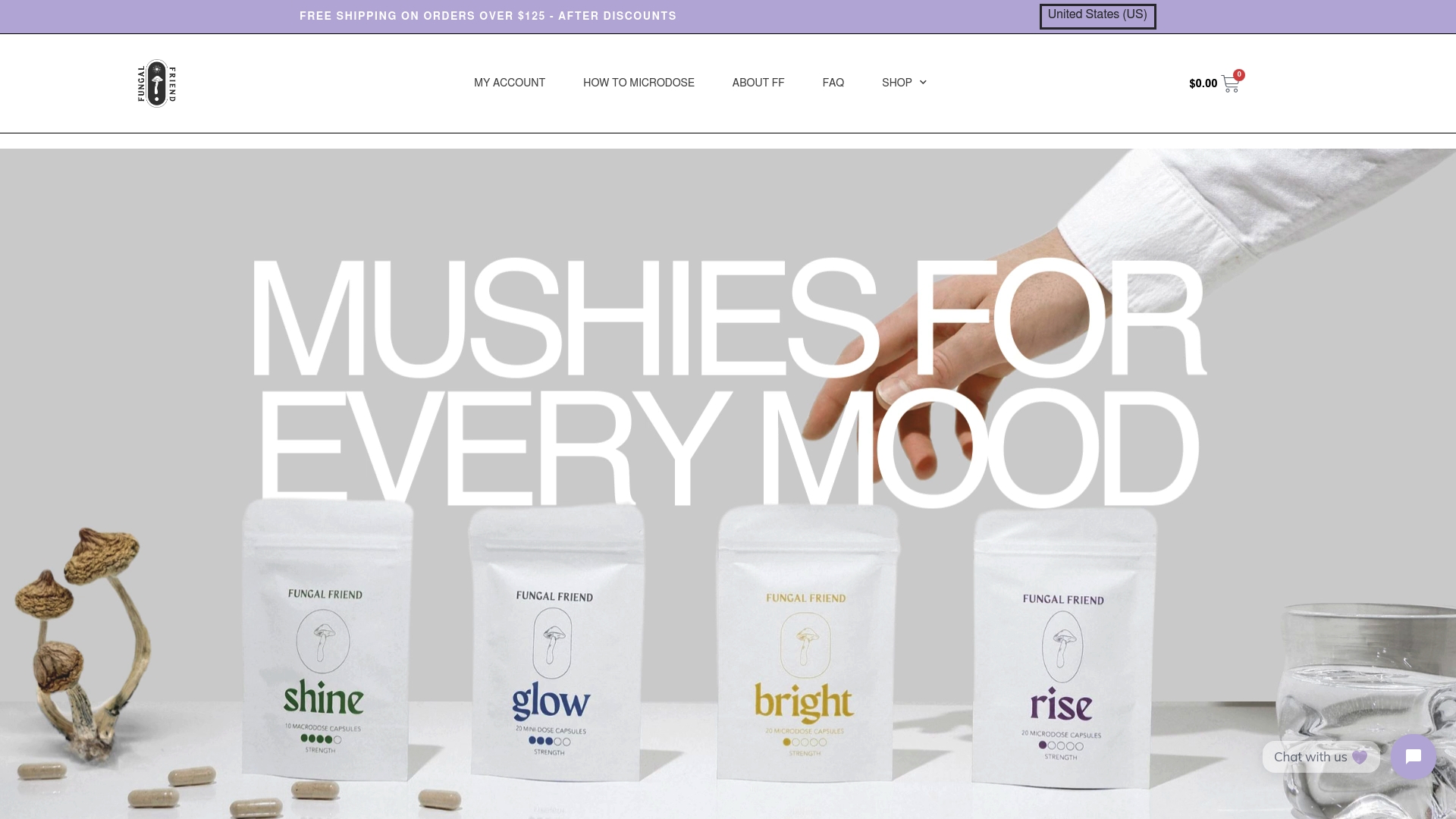
At Fungal Friend, we carefully craft mushroom capsules, teas, and chocolates designed for anxiety relief, mood balance, and enhanced focus — all fully compliant with Canadian law. Whether you are new to psychedelics or experienced in microdosing, our curated collection supports your wellness goals with education and safety prioritized. Learn more through our Uncategorized Archives – Fungal Friend to deepen your understanding about different strains and legal contexts. Make your next step today by visiting Fungal Friend to find your perfect natural support and experience the benefits of responsible psychedelic wellness.
Frequently Asked Questions
What are the seven legal psychedelics in Canada for wellness seekers?
The seven legal psychedelics in Canada discussed for wellness seekers include psilocybin mushrooms, DMT and ayahuasca, LSD analogues, ketamine, Salvia divinorum, peyote, and San Pedro cacti. Research each substance to determine which aligns best with your wellness goals and experiences.
How can I access psilocybin mushrooms legally for therapeutic purposes?
You can access psilocybin mushrooms legally through clinical research exemptions and medical access pathways if you have treatment-resistant conditions. Consult a licensed healthcare provider who can guide you through the process of obtaining the necessary permissions.
What should I consider before participating in an ayahuasca ceremony?
Before participating in an ayahuasca ceremony, ensure you follow the legal pathways through recognized religious organizations. Also, evaluate the potential psychological effects and make informed decisions about your personal readiness for such an experience.
How can ketamine therapy benefit my mental health?
Ketamine therapy can provide significant benefits for individuals struggling with depression and anxiety, especially those with treatment-resistant conditions. Schedule a consultation with a qualified healthcare provider to explore this treatment option and assess your suitability.
What legal considerations surround taking Salvia divinorum?
Salvia divinorum remains unregulated federally but may have provincial restrictions, which means it’s essential to familiarize yourself with your local laws. Research thoroughly and consult with a healthcare professional to discuss the potential effects and risks before use.
What are functional mushrooms, and how can they support my wellness?
Functional mushrooms, such as lion’s mane and reishi, offer cognitive enhancement, immune support, and stress reduction without the psychoactive effects of other psychedelics. Including them in your daily routine can help promote overall well-being and mental clarity.