
Mushroom Tea for Beginners: Safe Microdosing Benefits
Most American research now highlights the rise of mushroom tea as a favorite wellness ritual, especially among Canadian adults seeking gentle, natural ways to lift their mood. For those exploring psilocybin options, choosing the right preparation can feel confusing. With nearly one in five Canadians reporting increased stress levels, learning how mushroom tea works and how to microdose safely offers valuable insights and reassurance for first-time users.
Table of Contents
- What Is Mushroom Tea and How It Works
- Types of Mushrooms Used for Tea
- Health Effects and Microdosing Benefits
- Legal Status and Safety in Canada
- Safe Preparation and Common Mistakes
Key Takeaways
| Point | Details |
|---|---|
| Mushroom Tea Benefits | Mushroom tea offers concentrated nutrients and medicinal properties from various fungi, potentially aiding in immune support, cognitive function, and stress management. |
| Popular Mushroom Varieties | Key mushrooms like Reishi, Lion’s Mane, and Chaga provide distinct health advantages, from anxiety relief to immune enhancement. |
| Microdosing Benefits | Microdosing with psilocybin may improve cognitive function and emotional regulation without strong hallucinogenic effects. |
| Safety in Preparation | Careful sourcing, brewing techniques, and sanitary practices are essential to avoid contamination and maximize health benefits of mushroom tea. |
What Is Mushroom Tea and How It Works
Mushroom tea represents a unique wellness beverage crafted through hot water extraction of specialized fungi designed to unlock powerful bioactive compounds. Unlike simply consuming raw mushrooms, this preparation method allows individuals to access concentrated nutrients and medicinal properties through strategic brewing techniques.
The brewing process involves steeping specific functional mushrooms like Reishi, Chaga, Lion’s Mane, and Turkey Tail in hot water, which helps extract critical compounds including beta-glucans, triterpenoids, and antioxidants. These compounds offer remarkable potential benefits such as immune system modulation, stress reduction, and cognitive support. Beta-glucans specifically interact with immune cells, helping to regulate inflammatory responses and enhance overall physiological resilience.
Mushroom tea works by delivering concentrated adaptogenic compounds that interact with the body’s systems. For example, Lion’s Mane contains unique molecules that stimulate Nerve Growth Factor, potentially supporting brain health and neurological function. Reishi and Cordyceps mushrooms act as natural adaptogens, helping the body manage stress more effectively and potentially improving energy metabolism. Each mushroom variety offers distinct properties, making tea preparation a nuanced approach to holistic wellness.
Pro tip: Start with small, consistent doses of mushroom tea and observe how your body responds, gradually increasing intake as you become more comfortable with its effects.
Types of Mushrooms Used for Tea
The world of medicinal mushroom tea encompasses several powerful fungi, each offering unique wellness benefits. Top mushroom varieties for tea include Reishi, Lion’s Mane, Chaga, Cordyceps, Turkey Tail, and Shiitake, representing a diverse spectrum of potential health support. These functional mushrooms are not just ingredients, but targeted wellness tools with specific physiological impacts.
Reishi mushrooms stand out as premier adaptogens, renowned for their potential to reduce anxiety and support heart health. Chaga emerges as another powerhouse, known for boosting immune function and reducing systemic inflammation. Lion’s Mane provides remarkable cognitive benefits, potentially supporting neurological health and mental clarity, while Cordyceps offers enhanced energy and respiratory system support. Each mushroom variety brings its own constellation of bioactive compounds, making tea preparation a nuanced approach to holistic wellness.
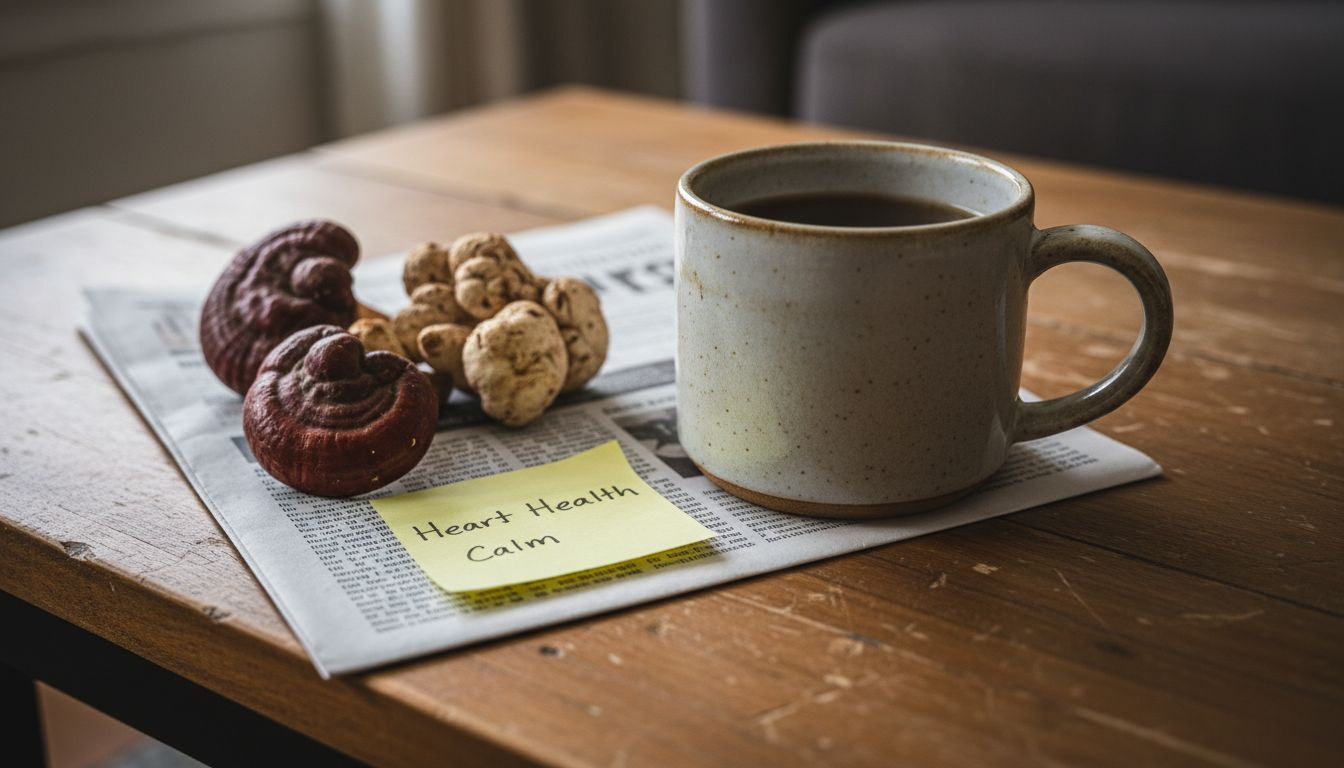
Understanding the specific properties of each mushroom helps users select the most appropriate variety for their health goals. Shiitake offers anti-inflammatory properties and a rich, savory flavor profile, making it an excellent choice for those seeking both taste and therapeutic benefits. Turkey Tail mushrooms are particularly celebrated for their immune-modulating capabilities, potentially helping the body maintain robust defensive mechanisms.
Here’s how popular mushroom tea varieties differ in their key health benefits and bioactive compounds:
| Mushroom Variety | Primary Benefit | Main Bioactive Compound | Unique Property |
|---|---|---|---|
| Reishi | Stress relief | Triterpenoids | Heart health support |
| Lion’s Mane | Cognitive boost | Hericenones, erinacines | Nerve Growth Factor effect |
| Chaga | Immune support | Beta-glucans | Potent antioxidant activity |
| Cordyceps | Energy, stamina | Cordycepin | Respiratory system support |
| Turkey Tail | Immune modulation | Polysaccharide-K | Gut and immune system balancing |
| Shiitake | Anti-inflammatory | Lentinan | Savory taste profile |
Pro tip: Experiment with small batches of different mushroom teas to discover which variety resonates most with your personal wellness needs and taste preferences.
Health Effects and Microdosing Benefits
Microdosing represents a sophisticated approach to experiencing mushroom benefits through carefully controlled, sub-hallucinogenic doses. Consuming small quantities of psilocybin can potentially enhance cognitive function, mood regulation, and emotional processing, without inducing the intense perceptual changes associated with larger doses. This nuanced method allows individuals to explore therapeutic potential while maintaining full daily functionality.
The neurological mechanisms behind microdosing are particularly fascinating. Psilocybin interacts with serotonin receptors, promoting remarkable neuroplasticity and potentially supporting brain health. Medicinal mushrooms contain powerful bioactive compounds like beta-glucans, antioxidants, and anti-inflammatory agents that contribute to comprehensive wellness. These compounds can support immune system function, provide neuroprotection, help regulate cholesterol levels, and potentially offer anticancer benefits.
Beyond neurological impacts, microdosing may provide several holistic health advantages. Users frequently report improvements in creativity, stress management, and emotional regulation. The subtle yet significant cognitive enhancements can include increased mental clarity, improved focus, and a more balanced emotional state. Each individual’s experience varies, highlighting the importance of personalized approach and careful observation of one’s physiological and psychological responses.
Pro tip: Start your microdosing journey with the lowest recommended dose and maintain a detailed journal to track your physical and mental responses, allowing for personalized optimization.
Legal Status and Safety in Canada
Psilocybin mushrooms remain a complex legal territory in Canada, with strict regulatory guidelines governing their use and distribution. Magic mushrooms are currently classified as controlled substances under the Controlled Drugs and Substances Act, making unauthorized possession, production, and sale potentially subject to criminal prosecution. The legal landscape is nuanced, with specific exceptions for medical research and therapeutic applications.
Recent court rulings have begun challenging restrictive decisions by Health Canada, indicating a potential shift in regulatory perspectives. Currently, legal access to psilocybin is primarily limited to authorized medical research and specific therapeutic contexts. Individuals seeking to use psilocybin mushrooms must obtain explicit authorization from Health Canada, typically through carefully controlled medical or scientific research programs. Unauthorized recreational use remains illegal and carries significant legal risks.
The emerging scientific interest in psilocybin’s potential therapeutic benefits has created a complex regulatory environment. While clinical trials continue to explore the medical potential of these substances, Canadian law maintains strict controls. Researchers and medical professionals are gradually expanding the understanding of psilocybin’s potential applications, which may influence future legal frameworks. Individuals interested in exploring these substances must navigate a careful legal landscape, prioritizing safety and compliance with existing regulations.
Pro tip: Always consult with a legal professional and medical expert before considering any form of psilocybin use, and strictly adhere to current Canadian legal guidelines.
Safe Preparation and Common Mistakes
Mushroom tea preparation requires careful attention to detail and sourcing to ensure both safety and optimal nutrient extraction. Selecting high-quality medicinal mushrooms from reputable sources is the critical first step in creating a safe and beneficial tea, with varieties like Reishi, Chaga, and Lion’s Mane offering distinct health advantages. Proper identification and handling are paramount to avoiding potential contamination or toxic exposure.
The brewing process demands precision in both technique and temperature control. Optimal extraction requires simmering dried or powdered mushrooms for 20-30 minutes in hot water, which helps release beneficial compounds like beta-glucans and triterpenes. Common mistakes include using water that is too hot or cool, which can degrade active ingredients, or steeping for insufficient time, limiting the tea’s potential therapeutic benefits. Crushing or grinding dried mushrooms before brewing can significantly improve nutrient extraction.
Storage and handling present additional critical considerations for mushroom tea preparation. Improperly stored mushrooms can quickly develop harmful bacteria or mold, rendering the tea unsafe for consumption. Users should store dried mushrooms in cool, dry environments and use clean, sterilized equipment during preparation. Natural flavor enhancers like ginger or honey can improve the tea’s taste without compromising its medicinal properties, but should be added thoughtfully to maintain the tea’s therapeutic integrity.
The following table summarizes crucial safety steps and frequent errors in mushroom tea preparation:
| Safety Step | Purpose | Common Mistake | Consequence |
|---|---|---|---|
| Source mushrooms wisely | Avoid toxins, ensure quality | Misidentification | Possible poisoning |
| Proper temperature | Maximize extraction | Water too hot/cold | Loss of nutrients |
| Sufficient steep time | Release bioactives | Under-steeping | Weak therapeutic effect |
| Clean preparation tools | Limit contamination | Unsterilized equipment | Mold or bacteria risk |
| Store correctly | Maintain freshness | Damp storage | Mushroom spoilage |
Pro tip: Invest in a reliable digital kitchen scale and thermometer to ensure precise measurements and optimal water temperature during mushroom tea preparation.
Discover Safe Microdosing with Mushroom Tea at Fungal Friend
If you are curious about the safe microdosing benefits of mushroom tea and want to take control of your wellness journey, Fungal Friend offers carefully crafted microdose psilocybin products designed for beginners and experienced users alike. This article highlighted essential points like starting with low doses, monitoring your body’s response, and understanding mushroom varieties. At Fungal Friend, you can explore a curated selection including mushroom capsules, infused teas, and chocolates that support anxiety reduction, cognitive focus, and mood balance.
Start your path to enhanced mental clarity and well-being today by visiting our Uncategorized Archives – Fungal Friend for educational resources and product options. For easy browsing of our trusted selection, head over to the main Fungal Friend website. Don’t wait to experience natural, legal, and safe alternatives crafted with your health in mind. Make your next mindful step toward wellness now.
Frequently Asked Questions
What is mushroom tea and how is it made?
Mushroom tea is a wellness beverage made by steeping specific mushrooms in hot water to extract their bioactive compounds. Common mushrooms used include Reishi, Lion’s Mane, and Chaga, which provide various health benefits.
What are the benefits of microdosing mushrooms?
Microdosing mushrooms involves consuming low doses of psilocybin, which can enhance cognitive functions, improve mood, and aid emotional processing, all while avoiding hallucinogenic effects. This nuanced method may support creativity and stress management.
Are there any safety concerns with mushroom tea?
Yes, safety concerns include sourcing high-quality mushrooms to avoid toxic varieties, using correct brewing temperatures, and ensuring that preparation tools are clean to prevent contamination.
How should I start using mushroom tea for wellness?
Begin by consuming small doses of mushroom tea and monitor your body’s response. Gradually increase intake as you become more familiar with its effects, while also ensuring proper brewing practices for optimal benefits.