
Neuroplasticity in Psychedelics – How It Reshapes the Mind
More Canadian adults are looking for science-backed ways to improve mental health, with interest in neuroplasticity and safe microdosing practices growing worldwide. Recent studies show that over 30 percent of American adults have explored alternative mental wellness strategies. Understanding how psychedelics reshape the brain offers valuable insights for those seeking to enhance focus and well-being, while prioritizing evidence-based safety within the Canadian healthcare system.
Table of Contents
- Neuroplasticity and Psychedelics Defined
- How Psychedelics Influence Brain Connections
- Psilocybin, Microdosing, and Mental Wellness
- Practical Safety Guidelines for Canadians
- Legal and Ethical Considerations in Psychedelic Use
Key Takeaways
| Point | Details |
|---|---|
| Neuroplasticity and Psychedelics | Psychedelics can promote neuroplasticity by enhancing brain connectivity and potentially offering therapeutic benefits for mental health conditions. |
| Microdosing Benefits | Small, controlled doses of psilocybin appear to improve mood and cognitive performance, suggesting a natural approach to mental wellness. |
| Safety Protocols | Comprehensive screening and professional supervision are essential for safe psychedelic experiences, particularly in therapeutic settings. |
| Ethical Considerations | Ethical approaches in psychedelic research must prioritize informed consent, participant autonomy, and respect for Indigenous cultural practices. |
Neuroplasticity and Psychedelics Defined
At the intersection of neuroscience and consciousness exploration lies neuroplasticity — the brain’s remarkable capacity to rewire, reorganize, and adapt its neural networks. Classic psychedelics influence brain plasticity by triggering profound changes in neural connectivity, sensory processing, and cognitive function.
Psychedelics like psilocybin, LSD, and others act primarily on serotonin receptors, inducing rapid neuronal excitation and structural changes within the brain. These compounds create unique neurological responses that go beyond traditional neurotransmitter interactions. By stimulating synaptogenesis — the formation of new neural connections — psychedelics demonstrate an extraordinary ability to promote brain flexibility and potential healing mechanisms.
Scientific research reveals that psychedelic compounds can potentially reset entrenched neural patterns, offering therapeutic possibilities for conditions like depression, anxiety, and post-traumatic stress disorder. The neuroplastic effects involve complex molecular changes, including increased nervous system sensitivity and potential reopening of developmental plasticity windows that typically close after early human development.
Here’s how prominent psychedelics compare in their effects on neuroplasticity:
| Compound | Primary Neuroplastic Impact | Notable Therapeutic Applications |
|---|---|---|
| Psilocybin | Promotes synaptogenesis | Depression, anxiety, PTSD |
| LSD | Enhances connectivity | Cognitive flexibility studies |
| DMT | Alters perception networks | Short-duration consciousness shifts |
| Mescaline | Modulates sensory pathways | Research in mood disorders |
Pro tip: Consider consulting medical professionals before exploring psychedelic interventions, as individual neurological responses can vary significantly based on personal health history and brain chemistry.
How Psychedelics Influence Brain Connections
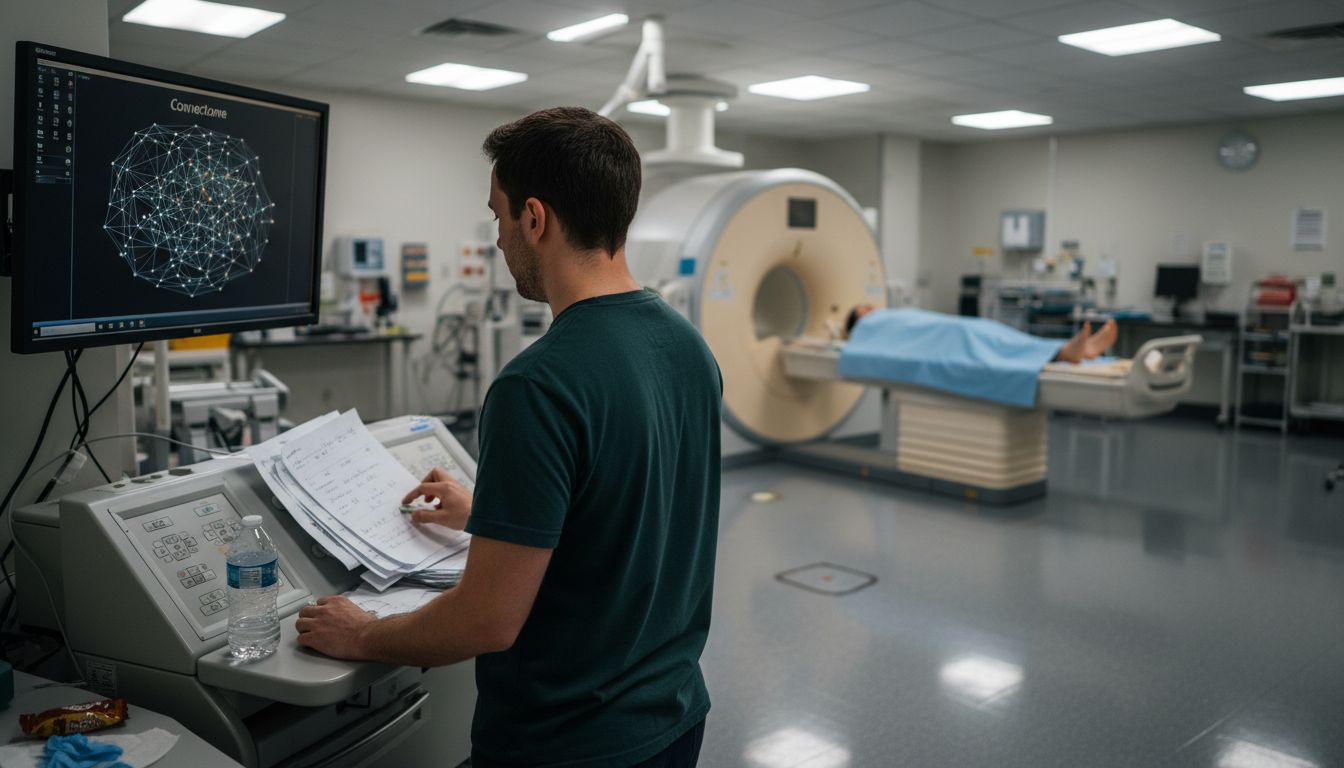
Brain connectivity represents a complex network of neural interactions that determine how we perceive, process, and respond to information. Neuroimaging studies reveal profound changes in brain network dynamics when psychedelics like psilocybin and LSD interact with neural systems, fundamentally altering how different brain regions communicate and synchronize.
Researchers have discovered that psychedelics disrupt the brain’s default mode network — a collection of interconnected brain regions responsible for self-referential thinking and ego maintenance. By reducing network coherence and increasing cross-network communication, these compounds create unique neurological states that challenge traditional understanding of consciousness. Advanced fMRI techniques demonstrate how psilocybin transforms functional brain connectivity, blurring boundaries between typically segregated neural networks and enabling novel patterns of information processing.
The neurological transformation triggered by psychedelics goes beyond simple neurotransmitter interactions. These compounds appear to create temporary “meta-connectivity” states where brain regions that normally operate independently begin communicating in unprecedented ways. This radical reconfiguration of neural networks might explain the profound subjective experiences reported during psychedelic sessions, including ego dissolution, altered time perception, and heightened sensory integration.
Pro tip: Approach psychedelic experiences with careful preparation and professional guidance, understanding that individual neurological responses can vary significantly based on personal brain chemistry and mental health background.
Psilocybin, Microdosing, and Mental Wellness
Microdosing represents a nuanced approach to exploring psilocybin’s potential mental health benefits through carefully controlled, sub-hallucinogenic doses. Naturalistic research suggests small but meaningful improvements in mood and cognitive performance among individuals incorporating microdoses into their wellness routines, challenging traditional pharmaceutical approaches to mental health management.
The emerging science behind microdosing reveals complex interactions between psilocybin and neural networks. Researchers have observed potential enhancements in cognitive flexibility, emotional regulation, and overall psychological well-being. However, current scientific reviews emphasize the need for more rigorous, placebo-controlled studies to definitively establish microdosing’s therapeutic potential. The preliminary evidence suggests that microdosing might offer a promising alternative for individuals seeking natural approaches to mental wellness, particularly those struggling with mood disorders or cognitive performance challenges.
Beyond individual symptom management, microdosing appears to interact with broader mental health mechanisms. Participants in observational studies have reported subtle yet significant improvements in areas like creative thinking, emotional resilience, and interpersonal communication. These findings suggest that psilocybin’s impact extends beyond traditional medical treatment models, potentially offering a holistic approach to mental wellness that addresses interconnected psychological and neurological systems.
Pro tip: Approach microdosing as a carefully considered wellness strategy, consulting healthcare professionals and maintaining meticulous documentation of your personal experiences and potential physiological responses.
Practical Safety Guidelines for Canadians
Psychedelic safety requires a comprehensive and thoughtful approach, particularly within the Canadian healthcare landscape. Health Canada guidelines emphasize rigorous protocols for managing psychological risks associated with psychedelic experiences, establishing critical standards for responsible exploration and therapeutic use.
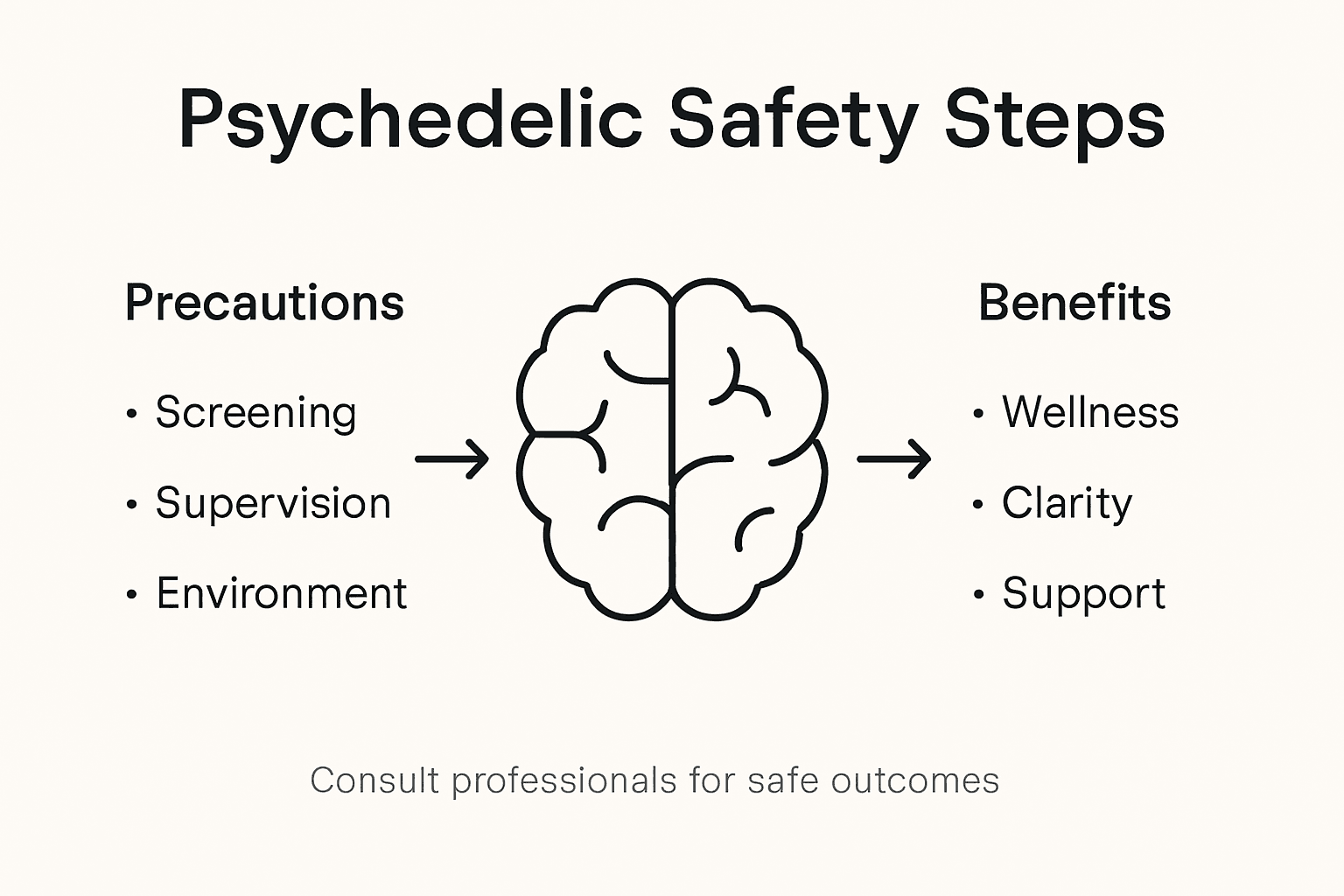
Comprehensive participant screening emerges as a fundamental safety requirement. Clinical trial protocols mandate extensive risk-management measures to protect individuals engaging with psychedelic substances. This involves thorough medical history assessments, psychological evaluations, and comprehensive informed consent processes. Potential participants must undergo careful evaluation to determine their psychological readiness, existing mental health conditions, and potential contraindications that might increase vulnerability during altered states of consciousness.
Professional supervision and structured therapeutic environments are essential components of safe psychedelic experiences. Trained healthcare practitioners should establish clear protocols for managing potential psychological challenges, including anxiety, disorientation, or unexpected emotional responses. Continuous monitoring, prepared intervention strategies, and post-session integration support can significantly mitigate potential risks and enhance the overall safety and therapeutic potential of psychedelic experiences.
Below is a concise summary of practical safety essentials for Canadian participants:
| Safety Aspect | Purpose | Professional Requirement |
|---|---|---|
| Screening & Assessment | Identify psychological readiness | Conducted by healthcare practitioners |
| Supervisory Protocols | Manage acute psychological risks | Requires licensed therapists |
| Informed Consent | Ensure understanding of risks | Legally mandated process |
| Integration Support | Aid post-experience adjustment | Provided by trained professionals |
Pro tip: Prioritize working exclusively with licensed, professionally trained practitioners who specialize in psychedelic-assisted therapies and maintain current certifications in psychological support techniques.
Legal and Ethical Considerations in Psychedelic Use
The evolving landscape of psychedelic research demands careful ethical navigation, with comprehensive frameworks addressing complex philosophical and practical challenges. Ethical considerations extend far beyond simple regulatory compliance, encompassing deeper questions of cultural respect, scientific integrity, and human dignity.
Key ethical dimensions include protecting participant autonomy, ensuring informed consent, and maintaining rigorous standards of professional practice. This requires a nuanced approach that recognizes the profound psychological impact of psychedelic experiences. Researchers and practitioners must develop robust governance mechanisms that prevent potential exploitation, respect individual agency, and create safe, supportive environments for therapeutic exploration.
Cultural appropriation represents a critical ethical challenge in psychedelic research. Many psychedelic compounds originate from Indigenous healing traditions, demanding thoughtful, respectful engagement that acknowledges historical context and traditional knowledge. This means moving beyond extractive research models toward collaborative approaches that center Indigenous perspectives, protect intellectual heritage, and ensure equitable participation and benefit-sharing.
Pro tip: Always prioritize comprehensive informed consent, seek guidance from diverse experts, and approach psychedelic research with humility, cultural sensitivity, and a commitment to ethical transparency.
Unlock Your Brain’s Full Potential with Safe Psilocybin Microdosing
The powerful connection between psychedelics and neuroplasticity offers a promising path to reshape the mind, enhance mental flexibility, and support emotional wellness. If you are seeking natural ways to boost synaptogenesis, improve mood balance, or experience deeper cognitive clarity, understanding how microdosing with psilocybin impacts brain connectivity can be life-changing. However, navigating this journey safely requires trusted guidance and quality products designed for intentional use.

Explore a carefully curated selection of psilocybin mushrooms and related products at Fungal Friend. Dive deeper into the science and benefits by visiting our Uncategorized Archives – Fungal Friend where education and safety are top priorities. Don’t wait to begin embracing the neurological benefits of psychedelics with confidence. Visit Fungal Friend now to find natural, legal, and professionally crafted microdose options designed to help your brain rewire and thrive.
Frequently Asked Questions
What is neuroplasticity and how do psychedelics influence it?
Neuroplasticity is the brain’s ability to reorganize and adapt its neural connections. Psychedelics like psilocybin and LSD enhance neuroplasticity by promoting synaptogenesis and altering brain connectivity, potentially leading to therapeutic benefits for mental health conditions.
What are the therapeutic applications of psychedelics related to mental health?
Psychedelics have shown potential in treating conditions such as depression, anxiety, and PTSD by resetting entrenched neural patterns and promoting new neural connections, thus helping individuals to overcome these challenges.
How does microdosing psilocybin affect mental wellness?
Microdosing psilocybin involves taking sub-hallucinogenic doses and may improve mood, cognitive performance, and emotional regulation. However, more scientific research is necessary to confirm these benefits.
What safety measures should be considered when using psychedelics?
Safety measures include thorough screening for psychological readiness, professional supervision during experiences, a robust informed consent process, and integration support post-experience to help manage any psychological challenges.