
Psilocybin and Mood: Science, Applications, and Safety
Over half of American adults will experience a mood disorder at some point in their lives, yet traditional treatments do not work for everyone. New research is shining a spotlight on psilocybin, a natural compound found in certain mushrooms and showing promise for rapid emotional relief where standard medications may fall short. Discover how this fascinating molecule uniquely interacts with the brain, offering fresh hope for mood support that stands apart from conventional American approaches.
Table of Contents
- Defining Psilocybin and Its Effects on Mood
- How Psilocybin Alters Brain Chemistry
- Microdosing Versus Macrodosing for Mood Support
- Legal Status of Psilocybin in Canada
- Risks, Safety, and Responsible Use
- Comparing Psilocybin to Other Mood Alternatives
Key Takeaways
| Point | Details |
|---|---|
| Psilocybin’s Potential | Psilocybin may significantly reduce depressive symptoms by altering brain connectivity and emotional processing through serotonin receptor interactions. |
| Microdosing vs. Macrodosing | Microdosing provides subtle cognitive enhancements, while macrodosing aims for profound psychological changes; both should be approached thoughtfully under professional guidance. |
| Legal Considerations | Psilocybin is a Schedule III controlled substance in Canada, requiring authorized access; individuals must be cautious and informed about current regulations. |
| Safety and Preparation | Responsible use of psilocybin involves risk assessment, mental health screening, and a supportive environment to ensure psychological safety during experiences. |
Defining Psilocybin and Its Effects on Mood
Psilocybin represents a fascinating natural compound found in specific mushroom species that holds remarkable potential for mood regulation and mental health support. Unlike traditional pharmaceutical interventions, this psychedelic molecule interacts directly with brain serotonin receptors, potentially offering rapid and profound shifts in emotional processing. Scientific research has increasingly demonstrated psilocybin’s unique capacity to induce significant reductions in depressive symptoms even after minimal treatment sessions.
At its core, psilocybin functions by temporarily disrupting established neural pathways, allowing the brain to form new connections and potentially reset entrenched emotional patterns. Neuroimaging studies reveal that a single high-dose administration can trigger measurable changes in brain connectivity and affective processing. Research indicates these neurological shifts can produce enduring positive alterations in mood and psychological outlook, suggesting potential long-term therapeutic benefits beyond immediate psychedelic experiences.
The molecular mechanism of psilocybin involves complex interactions with serotonin receptors, particularly the 5-HT2A receptor subtype. When consumed, psilocybin transforms into psilocin, which can temporarily modify brain communication patterns, potentially reducing rumination, breaking negative cognitive cycles, and promoting emotional flexibility. This neuroplastic effect distinguishes psilocybin from traditional antidepressants, which typically work by gradually adjusting neurotransmitter levels.
Pro Tip: Start Low, Go Slow: When exploring psilocybin for mood support, always begin with the lowest possible dose and proceed cautiously, preferably under professional guidance to understand your individual neurological response and minimize potential risks.
How Psilocybin Alters Brain Chemistry
Psilocybin represents a unique neurochemical compound that fundamentally transforms brain communication through complex interactions with neural receptors. Unlike traditional pharmaceuticals, this molecule triggers profound neurological changes by directly engaging serotonin receptors, particularly the 5-HT2A subtype, which play a critical role in modulating perception, mood, and cognitive processing. Neuroimaging studies reveal significant increases in functional brain connectivity, suggesting that psilocybin can temporarily rewire neural networks and promote alternative patterns of thinking.
At the molecular level, psilocybin undergoes rapid metabolic conversion to psilocin, which can cross the blood-brain barrier and interact with serotonergic systems. This interaction temporarily disrupts default neural pathways, creating what neuroscientists describe as a “psychedelic state” characterized by increased neural communication across typically segregated brain regions. The result is a unique neuroplastic environment where the brain becomes more flexible, potentially breaking entrenched negative thought patterns and emotional loops.
The neurochemical cascade initiated by psilocybin involves complex interactions with multiple brain regions, including the default mode network (DMN), which is responsible for self-referential thinking and rumination. By temporarily reducing DMN activity, psilocybin can create space for alternative cognitive perspectives, potentially offering therapeutic benefits for individuals struggling with depression, anxiety, and rigid thinking patterns. This neurological “reset” mechanism distinguishes psilocybin from traditional psychiatric medications, which typically work by gradually modulating neurotransmitter levels.
Pro Tip: Brain Reset Preparation: Before exploring psilocybin’s neurochemical effects, consult a healthcare professional and create a supportive, controlled environment that minimizes external stressors and maximizes potential therapeutic insights.
Microdosing Versus Macrodosing for Mood Support
Psilocybin offers two distinct approaches to mood support: microdosing and macrodosing, each with unique neurochemical profiles and potential psychological benefits. Microdosing involves consuming sub-hallucinogenic amounts of psilocybin, typically ranging from 0.1 to 0.3 grams, designed to provide subtle cognitive and emotional enhancements without producing intense psychedelic experiences. This approach aims to improve mood, creativity, and focus through minimal neurological intervention.
Macrodosing, in contrast, involves consuming full therapeutic doses of psilocybin intended to trigger profound psychological transformations. Clinical trials have demonstrated macrodosing’s potential to induce rapid and significant reductions in depressive symptoms, often after just one or two carefully supervised sessions. These larger doses can produce intense introspective experiences that may help individuals process emotional trauma, break negative thought patterns, and reset psychological frameworks.

The primary difference between microdosing and macrodosing lies in their intensity and intended outcomes. Microdosing provides gentle, almost imperceptible neurological modulation, while macrodosing creates more dramatic psychological shifts. Microdosers typically seek incremental improvements in daily functioning, mood stability, and cognitive flexibility. Macrodosers, however, often pursue deeper therapeutic breakthroughs, emotional healing, and transformative personal insights that can fundamentally alter their psychological landscape.
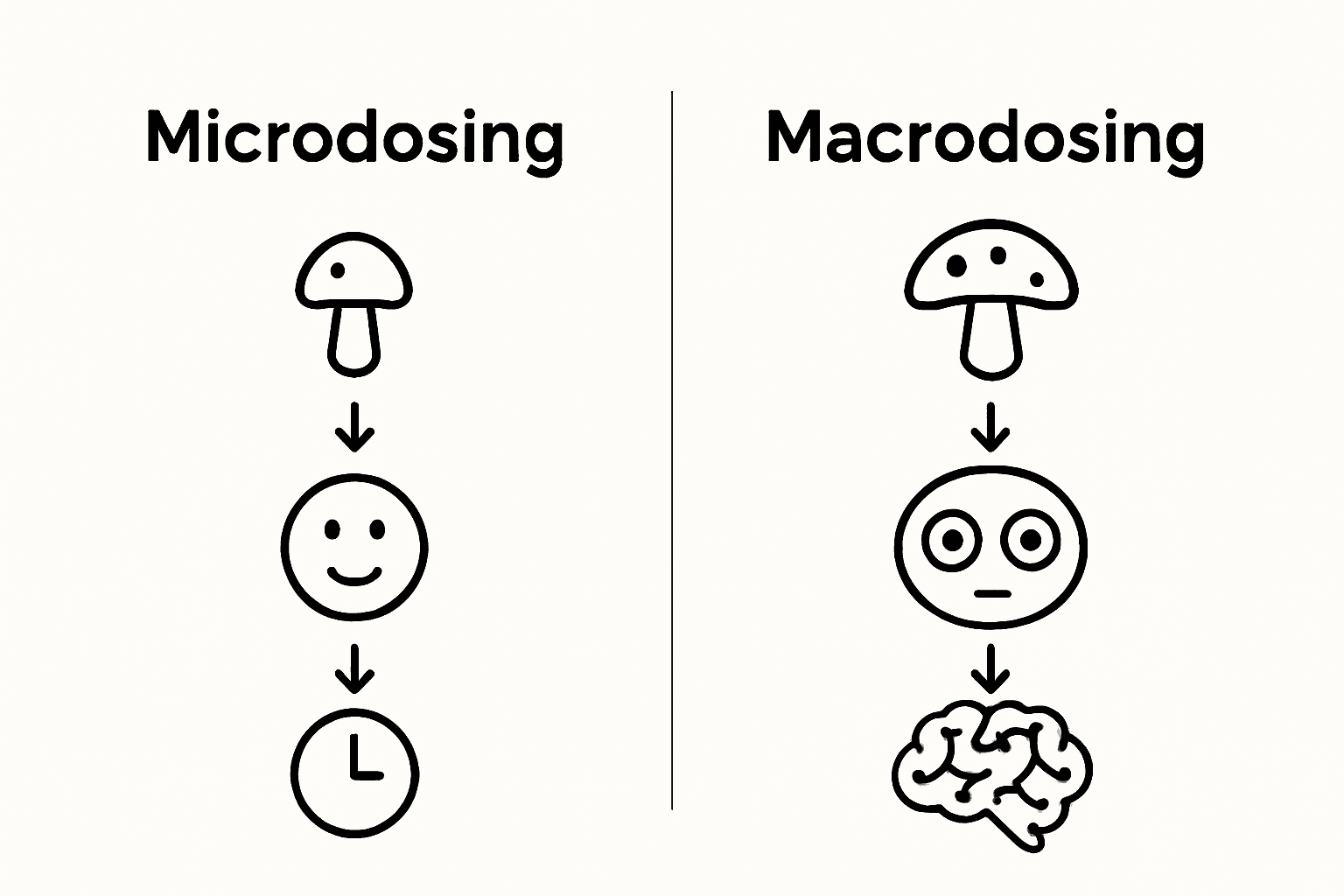
Here is a comparison of microdosing and macrodosing approaches for mood support:
| Approach | Typical Dose Range | Intended Effects | Frequency and Setting |
|---|---|---|---|
| Microdosing | 0.1–0.3 grams | Subtle cognitive & mood benefits | Regular, often unsupervised |
| Macrodosing | 1–5 grams (therapeutic) | Profound psychological changes | Occasional, usually supervised |
Pro Tip: Personalized Approach: Always consult a healthcare professional before exploring either microdosing or macrodosing, as individual neurochemistry, mental health history, and personal sensitivity can significantly impact potential outcomes and risks.
Legal Status of Psilocybin in Canada
Psilocybin remains a tightly regulated substance in Canada, with complex legal frameworks governing its possession, distribution, and potential therapeutic use. Officially classified as a Schedule III controlled substance, psilocybin is generally prohibited for public consumption, making unauthorized possession a criminal offense. This classification means that individuals cannot legally purchase, possess, or distribute psilocybin-containing mushrooms without specific government authorization.
Despite the strict regulations, Canadian law does provide nuanced pathways for accessing psilocybin under carefully controlled circumstances. Health Canada offers limited legal mechanisms for psilocybin access, primarily through clinical research programs, the Special Access Program, and individual exemptions under Section 56(1) of the Controlled Drugs and Substances Act. Microdosing remains explicitly illegal, with no exceptions for small quantities, reinforcing the government’s conservative stance on psychedelic substances.
The legal landscape surrounding psilocybin is rapidly evolving, with increasing scientific interest and growing public advocacy for therapeutic applications. Research institutions, mental health professionals, and patient advocacy groups continue to push for expanded access, highlighting psilocybin’s potential in treating depression, anxiety, and treatment-resistant mental health conditions. While current regulations remain strict, ongoing clinical trials and changing societal perspectives suggest potential future modifications to the legal framework.
Pro Tip: Legal Caution: Always consult official legal resources and healthcare professionals before attempting to obtain or use psilocybin, as individual circumstances and potential exemptions can vary significantly.
Risks, Safety, and Responsible Use
Psilocybin consumption demands a comprehensive understanding of potential psychological and physiological risks to ensure safe and responsible exploration. While promising therapeutic potential exists, individuals must approach psilocybin use with careful consideration, self-awareness, and appropriate preparation. Responsible use requires a structured approach to minimize potential adverse reactions, encompassing mental health screening, environmental considerations, and personal readiness assessment.
Key risk factors include pre-existing mental health conditions, potential psychological vulnerability, and individual neurochemical differences. People with a personal or family history of psychotic disorders, bipolar disorder, or schizophrenia should exercise extreme caution, as psilocybin can potentially trigger or exacerbate underlying psychological conditions. The psychological intensity of psilocybin experiences can provoke significant emotional responses, making a supportive, controlled setting essential for managing potential challenging psychological reactions.
Responsible psilocybin use involves multiple critical considerations beyond immediate psychological risks. Physical safety requires careful dose management, understanding individual tolerance levels, and creating a secure environment with trusted support persons. Potential short-term physiological effects can include increased heart rate, altered perception, temporary emotional instability, and potential anxiety. Harm reduction strategies include starting with minimal doses, having a designated sober guide, avoiding combination with other substances, and maintaining a calm, familiar setting that supports psychological stability.
Pro Tip: Safety First: Always prioritize your mental and physical well-being by consulting healthcare professionals, conducting thorough personal research, and creating a comprehensive preparation and integration plan before exploring psilocybin experiences.
Comparing Psilocybin to Other Mood Alternatives
Mood management strategies encompass a wide range of interventions, from traditional pharmaceuticals to emerging psychedelic approaches. Psilocybin stands out as a unique alternative, offering fundamentally different mechanisms of action compared to conventional antidepressants and mood stabilizers. Meta-analytic research demonstrates moderate significant improvements in mood states across various psychedelic interventions, suggesting potential therapeutic benefits that challenge traditional treatment paradigms.
Traditional antidepressants like SSRIs and SNRIs typically work by gradually modulating neurotransmitter levels, requiring weeks or months to produce noticeable effects. In contrast, psilocybin offers a more rapid and potentially transformative approach, inducing neuroplastic changes that can shift emotional processing within a single session. Unlike pharmaceutical alternatives that often produce ongoing side effects such as weight gain, sexual dysfunction, and emotional blunting, psilocybin appears to create more profound psychological restructuring with potentially fewer long-term physiological complications.
Comparative analysis reveals distinct advantages and limitations of psilocybin versus other mood interventions. While pharmaceutical approaches provide predictable, incremental mood stabilization, psilocybin offers a more holistic psychological reset. Cognitive behavioral therapy provides structured emotional management, meditation offers mindfulness techniques, and traditional medications provide chemical balance. Psilocybin, however, uniquely combines neurochemical intervention with deep psychological exploration, potentially addressing root emotional patterns rather than merely managing surface-level symptoms.
This table summarizes key differences between psilocybin, antidepressants, and therapy approaches for mood management:
| Aspect | Psilocybin | Antidepressants | Therapy (CBT/Mindfulness) |
|---|---|---|---|
| Onset Speed | Rapid, one session | Gradual, weeks/months | Varies, often weeks |
| Mechanism | Neuroplastic reset | Neurotransmitter balance | Behavioral & cognitive change |
| Duration of Effect | Weeks to months | Continual with use | Lasts with ongoing practice |
| Typical Side Effects | Perceptual shifts, anxiety | Weight gain, blunted affect | Minimal, discomfort from process |
Pro Tip: Comparative Exploration: Consult multiple healthcare professionals to understand how psilocybin might integrate with your existing mood management strategy, considering your unique psychological profile and treatment history.
Discover Natural Mood Support with Trusted Psilocybin Solutions
If you are seeking safe and effective ways to balance your mood while exploring the transformative potential of psilocybin, understanding its science and safety is just the beginning. Many people face challenges such as managing anxiety, breaking negative thought cycles, and finding a natural path to emotional flexibility. At Fungal Friend, we address these needs by offering a carefully curated selection of microdose psilocybin products designed for both subtle daily enhancements and deeper personal exploration.
Explore our offerings today at Fungal Friend and gain access to products crafted with quality and safety in mind. Whether you are interested in microdosing for consistent mood support or considering a controlled experience for psychological reset, our educational resources and strain-specific selections, including items featured in our Uncategorized Archives, empower you to make informed decisions. Visit us now to take your first step toward a balanced mind and natural well-being.
Frequently Asked Questions
What is psilocybin and how does it affect mood?
Psilocybin is a natural compound found in certain mushrooms that interacts with serotonin receptors in the brain. It can induce rapid changes in emotional processing and has been shown to significantly reduce depressive symptoms, promoting emotional flexibility and psychological well-being.
How does psilocybin alter brain chemistry?
Psilocybin is converted into psilocin, which modifies brain communication by engaging serotonin receptors, especially the 5-HT2A subtype. This interaction disrupts established neural pathways, increases brain connectivity, and can lead to improved mood and cognitive flexibility.
What are the differences between microdosing and macrodosing psilocybin for mood support?
Microdosing involves taking sub-hallucinogenic doses of psilocybin (0.1 to 0.3 grams) for subtle cognitive and mood enhancements, while macrodosing refers to taking full therapeutic doses (1 to 5 grams) that can lead to profound psychological transformations and healing experiences.
What precautions should be taken when using psilocybin?
Safety measures include consulting healthcare professionals, understanding personal mental health conditions, starting with low doses, and ensuring a supportive environment with trusted individuals present. It’s crucial to approach psilocybin use with caution and prepare adequately to minimize risks.