
Safe Psychedelic Use: Smart Choices for Canadians
Stress and distractions often make it difficult for health-conscious Canadian adults to find mental clarity and calm. Exploring microdosing psilocybin may seem appealing, but the reality is shaped by strict Canadian laws and plenty of misconceptions about psychedelic safety. This guide dives into safe psychedelic engagement, addresses myths, and outlines responsible practices rooted in ethical and legal research, helping you make informed decisions about exploring psilocybin for anxiety and focus.
Table of Contents
- Defining Safe Psychedelic Use And Misconceptions
- Popular Psychedelic Types And Their Effects
- Canadian Psilocybin Laws And Access Options
- Dosing Strategies And Harm Reduction Protocols
- Health Risks, Contraindications, And What To Avoid
Key Takeaways
| Point | Details |
|---|---|
| Safe Psychedelic Use | Involves thorough understanding, intentional preparation, and ethical practices to ensure personal safety and well-being. |
| Common Misconceptions | Beliefs that psychedelics are universally safe can lead to dangerous practices; informed consent and professional guidance are essential. |
| Psychedelic Types | Classic psychedelics include Serotonergic, Dissociative, and Empathogenic compounds, each with unique effects and durations. |
| Health Risks | Individuals with psychiatric vulnerabilities or certain medical conditions should prioritize professional consultation and rigorous screening before use. |
Defining Safe Psychedelic Use and Misconceptions
Psychedelic use requires a nuanced understanding that goes far beyond simplistic recreational assumptions. Safe psychedelic engagement involves comprehensive knowledge, intentional preparation, and responsible practices that prioritize personal well-being and psychological safety.
The emerging field of psychedelic research has revealed critical insights into responsible use. Ethical psychedelic integration demands more than just consuming a substance – it requires understanding complex social, cultural, and personal factors that influence the experience.
Key aspects of safe psychedelic use include:
- Comprehensive pre-screening for medical and psychological compatibility
- Understanding personal mental health history
- Creating a supportive, controlled environment
- Having a trusted guide or sitter present
- Establishing clear intentions for the experience
- Practicing harm reduction techniques
Common misconceptions about psychedelics can lead to dangerous practices. Many individuals mistakenly believe psychedelics are universally safe or that they can be consumed without careful preparation. Responsible psychedelic practices emphasize informed consent, professional guidance, and recognizing individual variability in psychological responses.
Pro tip: Always consult healthcare professionals and conduct thorough personal research before considering any psychedelic experience.
Popular Psychedelic Types and Their Effects
Psychedelics represent a diverse family of compounds that fundamentally alter human perception and consciousness. Serotonergic psychedelic compounds interact with neural receptors to produce unique psychological experiences that range from subtle perceptual shifts to profound mystical-type encounters.
Classic psychedelics can be categorized into several primary groups:
- Serotonergic Psychedelics
- Psilocybin (magic mushrooms)
- LSD (lysergic acid diethylamide)
- DMT (dimethyltryptamine)
- Dissociative Psychedelics
- Ketamine
- DXM (dextromethorphan)
- Empathogenic Compounds
- MDMA (ecstasy)
Neuropharmacological profiles of psychedelics demonstrate significant variations in onset, duration, and subjective experience. LSD typically produces extended visionary experiences lasting 8-12 hours, while psilocybin offers shorter, more introspective journeys lasting 4-6 hours. DMT provides extremely brief but intense experiences lasting approximately 15-30 minutes.
Each psychedelic substance interacts uniquely with brain chemistry, producing distinct psychological and perceptual modifications. Ketamine, for instance, operates differently from classic serotonergic psychedelics, offering dissociative experiences that can be therapeutically valuable for treatment-resistant depression.
Here’s a summary of key differences between major psychedelic types and their effects:
| Psychedelic Group | Common Compounds | Typical Effects | Duration |
|---|---|---|---|
| Serotonergic | Psilocybin, LSD, DMT | Visual distortion, introspection | 15 min to 12 hrs |
| Dissociative | Ketamine, DXM | Detached sensations, analgesia | 1 to 2 hrs |
| Empathogenic | MDMA | Enhanced empathy, mood uplift | 3 to 6 hrs |
Pro tip: Always research individual psychedelic compounds thoroughly and understand their specific physiological and psychological effects before considering any experimental use.
Canadian Psilocybin Laws and Access Options
Psilocybin regulations in Canada represent a complex legal landscape that balances medical research, therapeutic potential, and strict controlled substance restrictions. Psilocybin legal status remains firmly controlled under the Controlled Drugs and Substances Act, with significant limitations on possession, production, and distribution.
Current legal pathways for psilocybin access in Canada include:
- Medical Research Exemptions
- Clinical trial participation
- Health Canada Special Access Program
- Section 56 individual exemptions
- Therapeutic Use Considerations
- End-of-life care
- Treatment-resistant mental health conditions
- Palliative care scenarios
- Restricted Access Channels
- Physician-supervised treatments
- Approved medical research protocols
- Compassionate use applications
Canadian psilocybin regulations explicitly prohibit unauthorized possession, cultivation, and distribution. Individuals seeking psilocybin access must navigate strict legal frameworks, typically requiring documented medical necessity and explicit Health Canada approval.

The legal environment continues to evolve, with emerging research and changing perspectives gradually expanding potential therapeutic applications. However, recreational use remains strictly prohibited, with significant legal consequences for unauthorized possession or distribution.
Pro tip: Consult legal professionals and medical experts before pursuing any psilocybin-related medical treatments to ensure full compliance with current Canadian regulations.
Dosing Strategies and Harm Reduction Protocols
Psychedelic experiences require meticulous planning and strategic approach to ensure personal safety and optimal outcomes. Harm reduction strategies emphasize comprehensive preparation, mindful dosing, and creating supportive environments that minimize potential psychological risks.
Key harm reduction principles for psychedelic use include:
- Pre-Experience Preparation
- Comprehensive mental health screening
- Understanding personal psychological history
- Setting clear intentional frameworks
- Dosage Management
- Start with lowest possible effective dose
- Incremental titration approach
- Respect individual physiological differences
- Environmental Controls
- Trusted companion presence
- Safe, comfortable setting
- Minimized external stressors
Psychedelic safety protocols recommend a conservative, measured approach to dosing. This involves starting with minimal quantities, understanding personal tolerance, and creating a structured support system to manage potential psychological complexity.
Effective harm reduction transcends simple dosage management. It requires holistic understanding of individual psychological landscapes, potential interaction risks, and developing robust integration strategies for processing the experience.
Pro tip: Always conduct thorough personal research, consult medical professionals, and never experiment with psychedelics without comprehensive preparation and support.
Health Risks, Contraindications, and What to Avoid
Psychedelic substances carry complex health implications that demand careful consideration and comprehensive understanding. Psychedelic use risks reveal nuanced interactions between individual physiological and psychological factors, making personalized risk assessment critical for safe exploration.
Absolute contraindications and high-risk scenarios include:
- Psychiatric Vulnerabilities
- Personal history of psychosis
- Diagnosed bipolar disorder
- Schizophrenia or schizotypal conditions
- Severe anxiety or panic disorders
- Medical Precautions
- Cardiovascular disease
- Uncontrolled hypertension
- Neurological disorders
- Ongoing psychiatric medication regimens
- Situational Risk Factors
- Unsupervised or uncontrolled environments
- Lack of trusted support network
- Insufficient mental preparation
Naturalistic psychedelic research indicates that adverse psychological reactions are most likely in individuals with predisposed mental health vulnerabilities. Transient anxiety, temporary psychotic-like symptoms, and emotional instability can emerge, particularly when proper screening and supportive contexts are absent.
Minimizing risks requires holistic understanding beyond simple dosage management. Comprehensive medical screening, understanding personal and familial mental health history, and creating robust support mechanisms are essential for navigating potential psychological complexities.
This table summarizes safety challenges and how risk can be minimized in psychedelic use:
| Challenge | Potential Impact | Mitigation Strategies |
|---|---|---|
| Mental health disorders | Increased adverse effects | Professional screening |
| Uncontrolled setting | Heightened psychological risk | Safe, supportive environment |
| Unsuitable medical history | Physical complications | Consult healthcare provider |
Pro tip: Prioritize professional medical consultation and comprehensive psychological screening before considering any psychedelic experience.
Embrace Safe Psychedelic Experiences with Confidence
Navigating the complexities of safe psychedelic use requires thoughtful preparation and trusted sources. This article highlights the importance of intentional dosing, mental health screening, and understanding Canadian legal frameworks to protect your well-being and ensure a positive journey. If you are seeking natural, reliable options for microdosing and therapeutic support, discovering quality products tailored to your needs is essential.
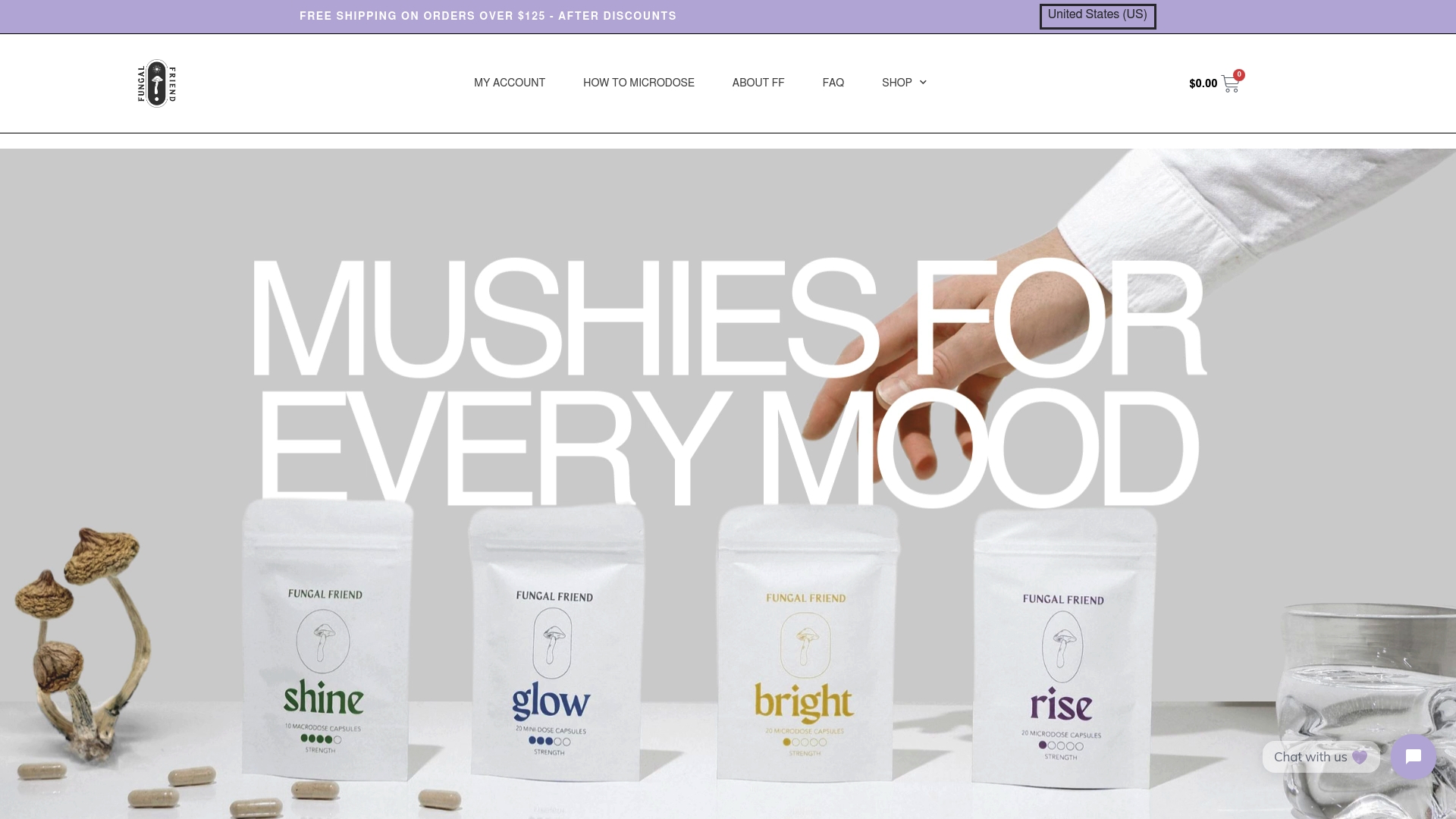
Explore a carefully curated selection of microdose psilocybin mushrooms and related products at Uncategorized Archives – Fungal Friend. Whether you want to enhance mood balance, support anxiety reduction, or deepen your psychedelic experiences responsibly, Fungal Friend offers transparent education on dosages, strain varieties, and safe practices. Take control of your wellness journey today and visit Fungal Friend to start with confidence and clarity.
Frequently Asked Questions
What are the key principles of safe psychedelic use?
Safe psychedelic use involves comprehensive pre-screening for medical compatibility, understanding personal mental health history, creating a supportive environment, having a trusted guide present, establishing clear intentions, and practicing harm reduction techniques.
How can I prepare for a psychedelic experience?
Preparation includes conducting a thorough mental health screening, understanding your psychological history, setting clear intentions for the experience, and ensuring a safe and comfortable environment with a supportive companion.
What are the different types of psychedelics and their typical effects?
Psychedelics can be categorized into serotonergic (like psilocybin and LSD), dissociative (such as ketamine), and empathogenic (like MDMA). Each type produces unique effects ranging from visual distortions to enhanced empathy and introspection, with varying durations of experience.
What are the health risks associated with psychedelics?
Health risks include the potential for adverse psychological reactions, particularly in individuals with a history of mental health issues such as psychosis or bipolar disorder. Situational factors, such as an uncontrolled environment, can also increase risk. It’s essential to seek professional screening and support before use.