
Science of Psychedelic Teas: Benefits and Safety Insights
Most people are surprised to learn that over 90 percent of traditional psychedelic tea recipes trace their roots to indigenous Central and South American practices. The fascination with these botanical brews is spreading rapidly, yet confusion and misinformation remain common. With so many myths about their effects and uses, unraveling the true story behind psychedelic teas is essential for anyone curious about their role in American culture and wellness.
Table of Contents
- Psychedelic Teas Explained: Core Concepts And Misconceptions
- Types Of Psychedelic Teas And Active Compounds
- How Psychedelic Teas Interact With The Body
- Legal Status And Regulations In Canada
- Safe Preparation, Dosage, And Risk Reduction
Key Takeaways
| Point | Details |
|---|---|
| Psychedelic Teas Are Complex Botanical Preparations | These teas involve deep interactions with human neurological systems, transcending typical beverage enjoyment. |
| Historical and Cultural Significance | Psychedelic teas have been used in indigenous healing traditions for centuries and are not merely recreational. |
| Need for Professional Guidance | Engagement with these teas requires careful preparation, structured dosing, and supervision to ensure safety. |
| Legal Considerations in Canada | The regulatory environment for psychedelic teas in Canada is evolving, necessitating awareness of specific legal frameworks and restrictions. |
Psychedelic Teas Explained: Core Concepts and Misconceptions
Psychedelic teas represent a complex intersection of traditional botanical practices and modern scientific understanding, offering profound experiences that transcend typical beverage consumption. These unique brews have deep historical roots in indigenous healing traditions, particularly in South American cultures where plant medicine has been practiced for centuries. When exploring psychedelic teas, it’s crucial to understand that they are not mere recreational substances, but powerful botanical preparations with significant physiological and psychological potential.
Traditional psychedelic teas like Ayahuasca contain complex chemical compounds that interact with human neurological systems in remarkable ways. Researchers have documented how these brews activate specific neural receptors, triggering altered states of consciousness through interactions with neurotransmitter pathways. The primary active compounds typically include alkaloids like dimethyltryptamine (DMT) and beta-carbolines, which can profoundly modify perception, emotion, and cognitive processing. These interactions are not random but follow sophisticated biochemical mechanisms that have been studied in scientific contexts.
Common misconceptions about psychedelic teas often stem from limited understanding and sensationalized media portrayals. Many people incorrectly assume these beverages are purely hallucinogenic substances designed for recreational use. In reality, traditional psychoactive beverages have been used for centuries in medicinal and spiritual contexts, with carefully structured protocols and deep cultural significance. The effects are not simply about visual distortions, but about potential therapeutic experiences that can facilitate psychological insights, emotional processing, and potentially support mental health treatment under controlled conditions.
Key distinctions about psychedelic teas include:
- Complex botanical compositions with specific neurological interactions
- Historically rooted in indigenous healing practices
- Potential for structured therapeutic applications
- Require professional guidance and careful preparation
- Not equivalent to casual recreational substances
Understanding these nuanced botanical preparations demands respect for their complexity and potential. While promising, psychedelic teas are not casual experiences but profound interventions that require comprehensive knowledge, appropriate setting, and informed approach.
Types of Psychedelic Teas and Active Compounds
Psychedelic teas represent a diverse array of botanical preparations containing powerful psychoactive compounds that interact uniquely with human neurological systems. These remarkable beverages derive from various plant species across different cultural traditions, each offering distinct molecular profiles and potential therapeutic applications. Understanding the specific types and their active compounds is crucial for appreciating the complexity of these botanical preparations.
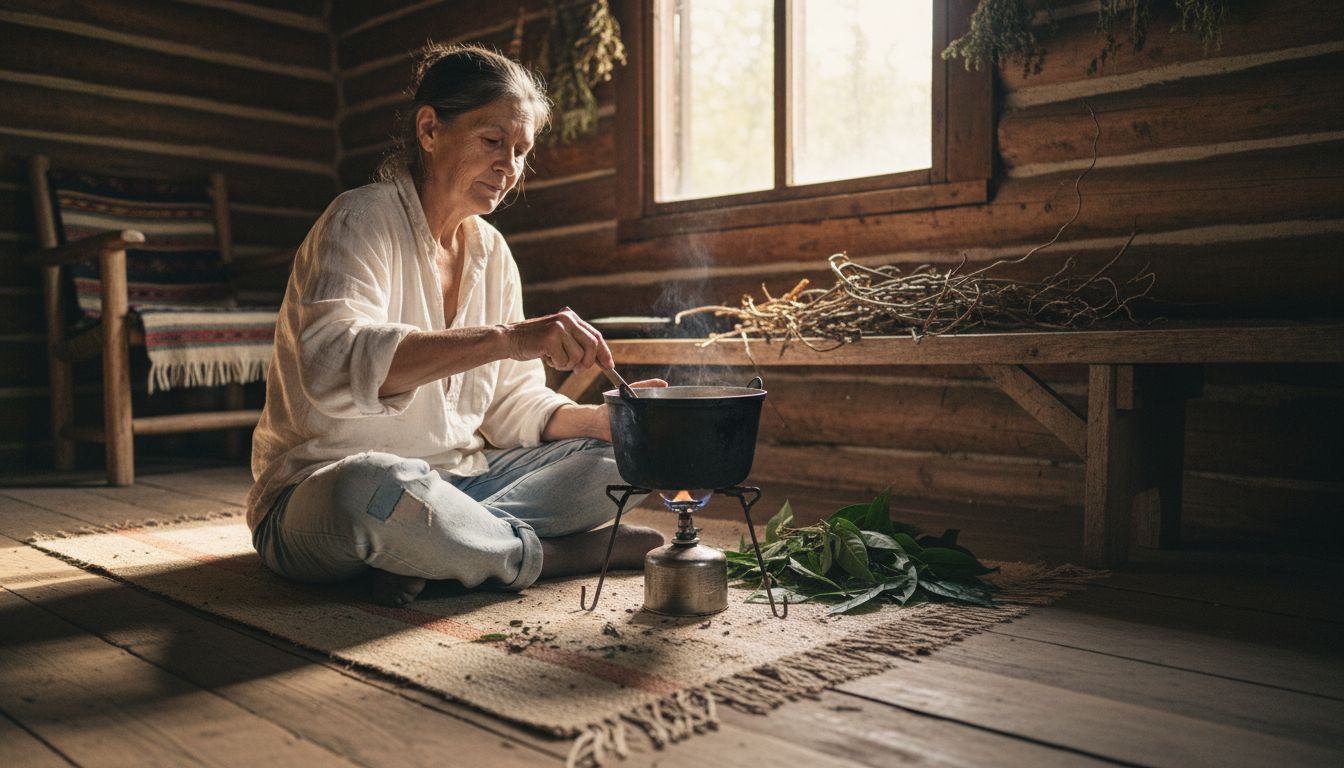
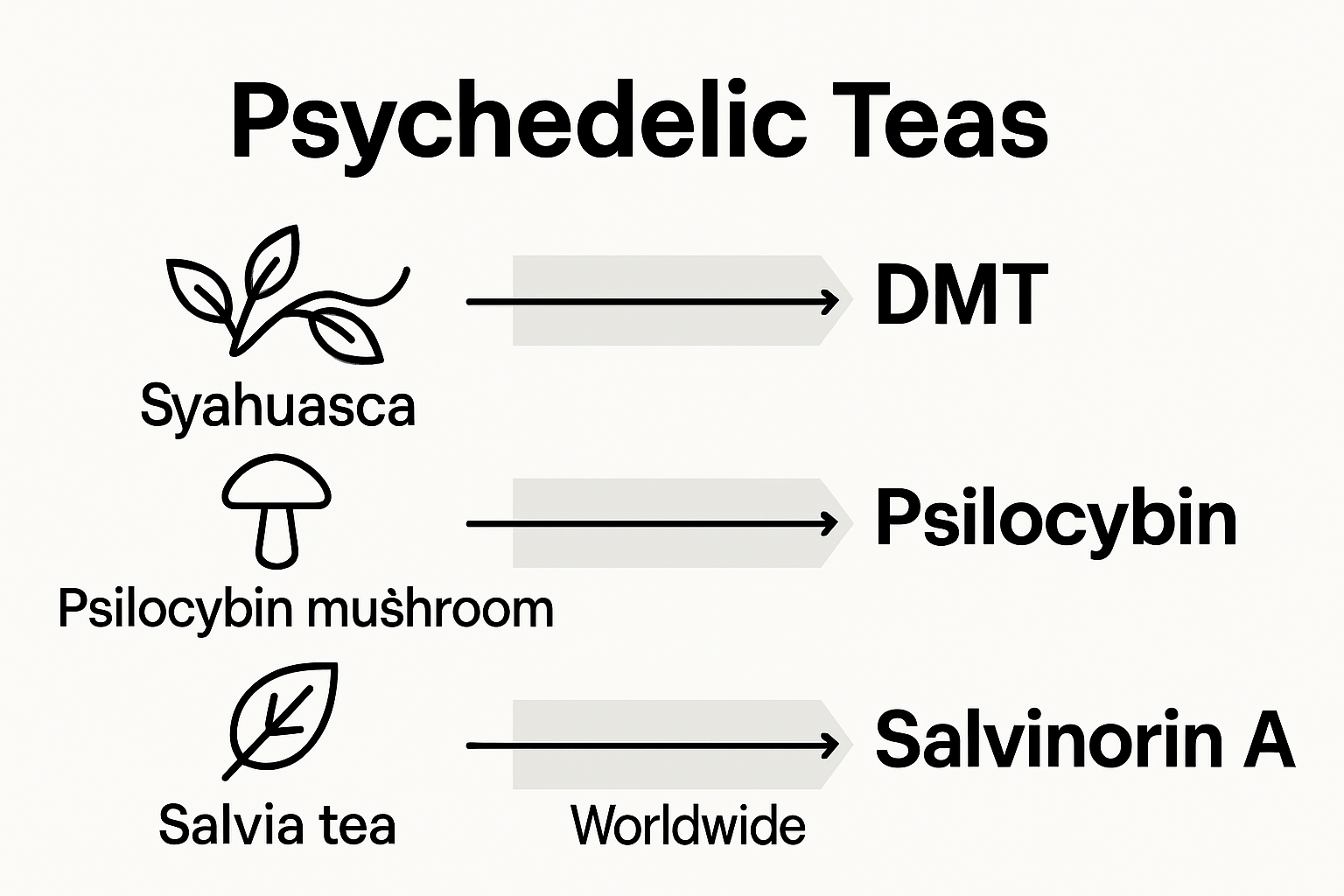
Ayahuasca, a traditional South American brew, exemplifies the intricate nature of psychedelic teas. Prepared from Banisteriopsis caapi and Psychotria viridis plants, this tea contains potent alkaloids like dimethyltryptamine (DMT) and beta-carbolines. These compounds work synergistically to inhibit monoamine oxidase and activate specific neural receptors, producing profound alterations in consciousness. The chemical interactions are sophisticated, involving complex neurological pathways that modify perception, emotion, and cognitive processing.
Another fascinating example is Salvia divinorum, a psychoactive tea derived from a unique plant species. Its primary active compound, salvinorin A, functions as a powerful kappa-opioid receptor agonist, generating intense but short-duration hallucinogenic experiences. Unlike many other psychedelic substances, salvinorin A operates through distinct neurological mechanisms, highlighting the remarkable diversity of botanical psychoactive compounds.
Key types of psychedelic teas include:
- Ayahuasca: Complex brew from Amazon basin
- Salvia Tea: Short-acting hallucinogenic preparation
- Psilocybin Mushroom Tea: Derived from specific mushroom species
- Peyote Tea: Traditional Native American preparation
- Syrian Rue Tea: Monoamine oxidase inhibitor with psychoactive properties
Each psychedelic tea presents unique chemical compositions, necessitating careful understanding of its specific properties, potential effects, and appropriate usage contexts. Responsible exploration requires comprehensive knowledge, respect for traditional practices, and an appreciation of the sophisticated botanical science underlying these remarkable preparations.
How Psychedelic Teas Interact With the Body
Psychedelic teas represent a complex biochemical interaction with the human nervous system, engaging multiple neurological pathways and neurotransmitter receptors in ways that profoundly alter consciousness and sensory perception. These botanical preparations contain unique molecular compounds that can temporarily reshape neural communication, creating experiences that extend far beyond traditional beverage consumption. The intricate neurochemical dance involves sophisticated interactions between plant-based alkaloids and the body’s existing neurological infrastructure.
Ayahuasca’s psychoactive effects demonstrate the remarkable complexity of these interactions, revealing how specific compounds can dramatically modify brain function. The primary active ingredients, including dimethyltryptamine (DMT) and beta-carbolines, work by inhibiting monoamine oxidase enzymes, which allows DMT to remain active in the brain. This biochemical intervention triggers significant changes in perception, emotional processing, and cognitive function, creating a temporary but profound alteration of consciousness.
The neurological engagement of psychedelic teas involves multiple receptor systems, with specific alkaloids activating 5-HT2A receptors and generating complex neural responses. These interactions can produce hallucinations, altered sensory experiences, and shifts in mental state that go beyond simple neurotransmitter manipulation. The body’s response involves intricate molecular cascades that temporarily restructure how sensory information is processed and interpreted.
Key neurological interaction points include:
- Neurotransmitter Receptor Activation: Engaging serotonin and dopamine pathways
- Enzyme Inhibition: Blocking monoamine oxidase to prolong compound effects
- Neural Plasticity: Temporarily modifying brain connectivity
- Sensory Processing Modification: Altering perception and cognitive interpretation
- Emotional Regulation: Influencing mood and emotional response mechanisms
Responsible exploration of psychedelic teas requires a deep understanding of these complex neurological interactions. While fascinating, these botanical preparations demand respect, careful preparation, and a comprehensive approach to understanding their profound potential for altering human consciousness.
Legal Status and Regulations in Canada
The legal landscape surrounding psychedelic teas in Canada represents a complex and evolving regulatory environment that demands careful navigation. While some psychedelic substances remain controlled, recent shifts in medical research and therapeutic understanding have created nuanced pathways for specific botanical preparations. Canadian authorities maintain strict oversight, balancing potential therapeutic applications with public safety concerns.
Psilocybin and certain psychedelic compounds currently exist in a regulatory gray zone, with limited legal exemptions primarily focused on medical and research contexts. Therapeutic access to psychedelic substances requires comprehensive documentation and approval from health regulatory bodies. Individuals seeking legal pathways must work closely with medical professionals, demonstrating specific therapeutic needs and obtaining appropriate medical authorization.
Canadian regulations distinguish between different categories of psychedelic substances, with varying levels of restriction and potential medical application. Key regulatory considerations include:
- Medical Research Exemptions: Controlled access for scientific studies
- Therapeutic Use Permissions: Limited medical treatment scenarios
- Religious and Cultural Considerations: Potential specialized exemptions
- Import and Distribution Restrictions: Stringent control mechanisms
- Microdosing Regulatory Framework: Emerging guidelines for controlled use
Responsible engagement with psychedelic teas requires thorough understanding of current legal frameworks, potential risks, and evolving regulatory landscapes. Individuals must prioritize legal compliance, personal safety, and informed decision-making when exploring these complex botanical preparations.
Safe Preparation, Dosage, and Risk Reduction
Safe engagement with psychedelic teas demands meticulous preparation, nuanced understanding of dosage, and comprehensive risk management strategies. These powerful botanical preparations are not casual beverages but complex substances requiring profound respect, careful research, and intentional consumption. The journey into psychedelic experiences begins with understanding the critical importance of context, personal readiness, and systematic approach.
Controlled studies on ayahuasca demonstrate the critical nature of precise dosage protocols, revealing that psychological effects are profoundly dose-dependent. Research indicates optimal dosing ranges from 0.5 to 1.0 mg of DMT per kilogram of body weight, with effects typically onset between 30-60 minutes, peaking at 60-120 minutes, and resolving around 240 minutes. Nausea represents the most common physiological response, underscoring the importance of medical screening and preparation.
Traditional ayahuasca preparation involves sophisticated brewing techniques that require deep understanding of botanical interactions and potential risks. Comprehensive risk reduction strategies must address multiple dimensions:
- Physical Preparation: Complete medical screening
- Mental Health Assessment: Evaluating psychological readiness
- Setting Control: Creating safe, supportive environments
- Supervision: Experienced guide or facilitator presence
- Integration Planning: Structured post-experience processing
Responsible psychedelic tea consumption transcends simple consumption guidelines. It demands holistic preparation, profound self-awareness, and commitment to personal safety and transformative potential. Understanding these complex botanical interactions requires patience, research, and a disciplined, intentional approach to exploration.
Discover Safe and Informed Psychedelic Experiences with Fungal Friend
The Science of Psychedelic Teas article highlights the importance of understanding complex botanical compounds, proper dosage, and safe preparation to unlock therapeutic benefits while minimizing risks. If you are seeking natural support for mood balance, focus enhancement, or deeper exploration of consciousness, navigating these challenges is essential. At Fungal Friend, we specialize in carefully curated microdose psilocybin products designed to help you engage safely and confidently with psychedelics. Our selection includes mushroom capsules, infused teas, and magic mushroom chocolates crafted for both newcomers and experienced users alike.

Explore our extensive range today at Fungal Friend, where education and safety are woven into every product. Learn more about dosing and strain differences through our Uncategorized Archives – Fungal Friend for comprehensive insights. Take advantage of discreet shipping and expert guidance to begin your journey with psychedelics responsibly. Visit us now to confidently embrace the transformative potential of these natural botanical preparations.
Frequently Asked Questions
What are psychedelic teas and how do they work?
Psychedelic teas are botanical preparations containing psychoactive compounds that interact with the human neurological system, leading to altered states of consciousness. They work by activating specific neural receptors and modifying neurotransmitter pathways, which can affect perception, emotion, and cognition.
What are the main active compounds found in psychedelic teas?
Common active compounds in psychedelic teas include dimethyltryptamine (DMT), beta-carbolines, salvinorin A from Salvia divinorum, and psilocybin from certain mushrooms. Each compound interacts differently with the body and can produce various effects.
How should I prepare psychedelic teas safely?
Safe preparation of psychedelic teas involves thorough medical screening, understanding precise dosage, and ensuring a supportive environment. Creating a safe setting and possibly having an experienced guide present are also essential for a positive experience.
Are there risks associated with consuming psychedelic teas?
Yes, there are risks, including potential psychological distress, nausea, and interactions with other medications. It’s crucial to approach these teas with caution, ensuring physical and mental health assessments and following proper dosing protocols.