
Shrooms vs Capsules: Precision and Experience
Most American research on microdosing has revealed that more than 65 percent of experienced users prefer capsules for easier dosing and consistent results. For Canadian adults refining their wellness routines, choosing between mushroom capsules and dried shrooms matters more than ever. Understanding these differences empowers you to tailor psilocybin use for better mental clarity, emotional balance, and convenience that matches a busy lifestyle.
Table of Contents
- Defining Shrooms And Mushroom Capsules
- Methods Of Use And Dosing Precision
- Effects: Microdosing Vs Full Spectrum
- Risks, Side Effects, And Safety Tips
- Legal Status Of Both In Canada
- Choosing What Fits Your Wellness Goals
Key Takeaways
| Point | Details |
|---|---|
| Mushroom Varieties and Use | Psilocybin mushrooms, or shrooms, offer varying properties and effects, while capsules provide standardized dosing. |
| Dosing Methods | Microdosing (0.1-0.5 grams) offers subtle benefits, whereas moderate and full doses facilitate more intense experiences. |
| Risks and Precautions | Users should be aware of potential risks, especially psychological, and consider health assessments before use. |
| Legal Considerations | Psilocybin remains largely illegal in Canada, necessitating awareness of current regulations and pathways for access. |
Defining Shrooms and Mushroom Capsules
Psilocybin mushrooms, commonly known as shrooms, are naturally occurring fungi containing psychoactive compounds that produce profound neurological experiences. These hallucinogenic mushrooms exist in multiple species distributed globally, each carrying unique properties and potency levels. Ranging from small brown caps to larger exotic varieties, they contain molecular compounds like psilocybin and psilocin that interact directly with brain receptors.
Mushroom capsules represent a more standardized and precise approach to consuming these fungi. Unlike raw dried shrooms, capsules contain carefully measured and powdered mushroom extracts, offering consistent dosage and easier consumption. Medicinal mushroom capsules typically provide controlled doses of bioactive compounds, making them attractive for wellness-focused microdosing and therapeutic applications.
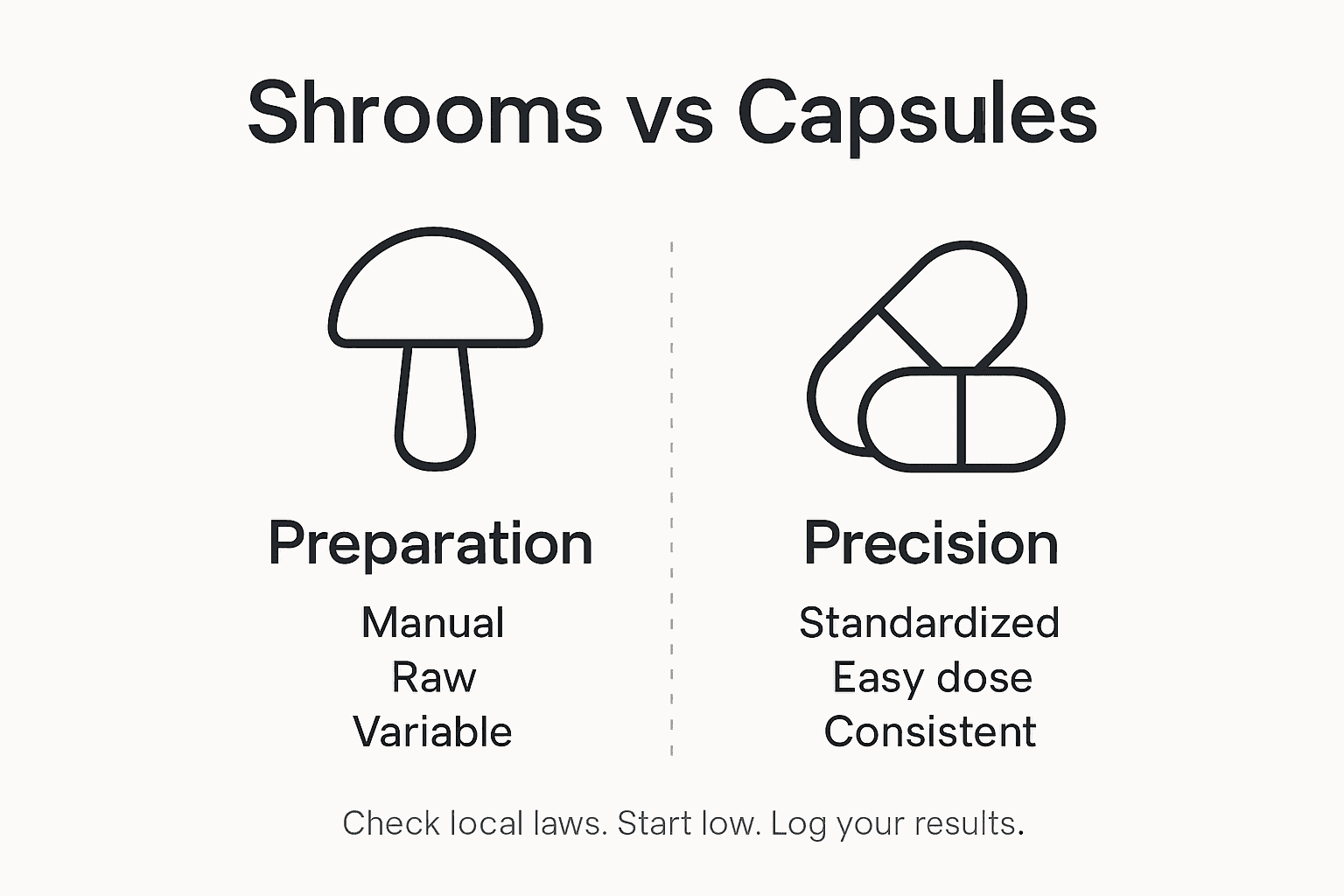
The primary distinction between shrooms and capsules lies in their preparation, consumption method, and dosage precision. Raw mushrooms require manual weighing and potentially challenging ingestion, while capsules provide a streamlined, discrete method of consumption. For Canadian adults interested in microdosing, capsules offer predictable experiences with minimal preparation, representing a modern approach to exploring psilocybin’s potential benefits.
Pro tip: When exploring psilocybin products, always start with the lowest recommended dose and document your personal experience to understand your unique physiological response.
Here’s a concise comparison of raw mushrooms and mushroom capsules regarding convenience, dosing, and user experience:
| Aspect | Raw Mushrooms | Mushroom Capsules |
|---|---|---|
| Preparation | Manual weighing required | Pre-measured and ready to use |
| Dosing Precision | Variable, less consistent | Highly accurate and consistent |
| Consumption Method | Eating, tea, or powder | Swallowed like traditional pills |
| Discretion | Low, distinctive odor/taste | High, odorless and tasteless |
Methods of Use and Dosing Precision
Mushroom consumption offers multiple approaches, with each method impacting the overall experience and intensity. Mushroom dosage strategies range from microdosing to full-spectrum experiences, allowing users to customize their therapeutic or exploratory journey. Raw dried mushrooms can be eaten directly, brewed into teas, ground into powder, or transformed into precisely measured capsules.
Capsules represent the most controlled method of consumption, providing standardized dosing that eliminates the variability inherent in raw mushroom ingestion. Each capsule contains a predetermined quantity of powdered mushroom extract, enabling users to track their exact intake with scientific precision. This approach is particularly valuable for individuals seeking consistent microdosing protocols or those managing specific wellness objectives.
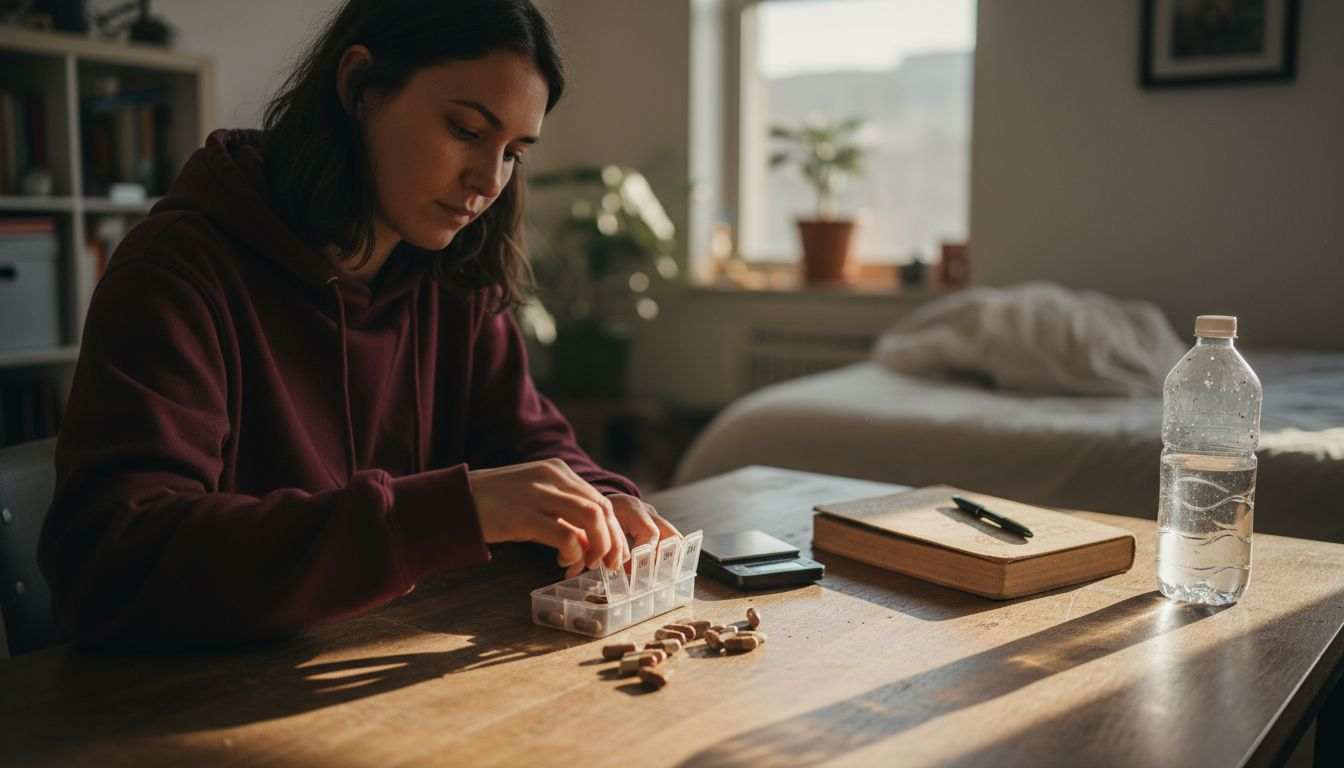
The dosing spectrum typically encompasses three primary levels: microdosing (0.1-0.5 grams), moderate doses (1-2 grams), and full psychedelic experiences (3-5 grams). Microdosing, which involves consuming sub-perceptual amounts, has gained significant popularity among professionals seeking cognitive enhancement, mood regulation, and creative stimulation. Moderate doses offer mild perceptual shifts, while full doses provide profound introspective experiences.
Pro tip: Invest in a precise digital scale that measures to 0.01 grams and maintain a detailed journal documenting your dosage, timing, and subjective experiences to develop a personalized understanding of your optimal intake.
The following table summarizes key effects and purposes of different psilocybin dose ranges:
| Dose Level | Typical Amount | Main Effects | Common Use Cases |
|---|---|---|---|
| Microdosing | 0.1–0.5 grams | Subtle mood, cognition shift | Productivity, emotional regulation |
| Moderate Dose | 1–2 grams | Mild perceptual changes | Creative insight, relaxation |
| Full Spectrum | 3–5 grams | Intense psychological journey | Deep self-exploration |
Effects: Microdosing vs Full Spectrum
Psilocybin experiences span a complex spectrum of neurological and psychological interactions, ranging from subtle cognitive modulation to profound perceptual transformations. Systematic research on microdosing reveals nuanced effects that challenge traditional understanding of psychedelic substances, demonstrating how minute doses can significantly influence mood, perception, and cognitive processing without inducing full hallucinogenic states.
Microdosing represents a controlled approach to psilocybin consumption, characterized by sub-perceptual doses designed to enhance mental functionality without dramatic sensory alterations. Typically involving 0.1-0.5 gram quantities, this method aims to provide subtle neurological benefits such as improved creativity, emotional regulation, and potential relief from anxiety and depression. In contrast, full-spectrum experiences involve larger doses (typically 2-5 grams) that trigger intense psychological journeys, dramatically restructuring neural pathways and potentially facilitating profound personal insights.
Neurological research indicates that these two consumption approaches trigger markedly different brain responses. Frontiers in psychiatric research suggests that while microdosing produces gentle cognitive modulation, full-spectrum experiences can cause significant temporary changes in brain connectivity, perception, and self-awareness. Full doses may induce vivid hallucinations, ego dissolution, and deeply transformative emotional experiences that can potentially address long-standing psychological patterns.
Pro tip: Start with the lowest possible dose, document your experiences meticulously, and always prioritize set, setting, and personal psychological readiness when exploring psilocybin in any form.
Risks, Side Effects, and Safety Tips
Navigating the potential risks of psilocybin consumption requires a comprehensive understanding of both physical and psychological impacts. Scientific research on psychedelic safety highlights several critical considerations, revealing that while serious adverse effects remain rare, users must approach consumption with informed caution and strategic preparedness.
Physical side effects can manifest across different consumption methods, including increased heart rate, blood pressure fluctuations, and occasional gastrointestinal discomfort. Microdosing typically produces milder physiological responses compared to full-spectrum experiences. National research from substance abuse experts emphasizes that individual physiological responses vary significantly, with some individuals experiencing heightened anxiety, transient perceptual distortions, and potential emotional volatility.
Psychological risks demand particularly nuanced attention, especially for individuals with pre-existing mental health conditions. Potential complications include temporary psychological distress, exacerbation of underlying anxiety or depression, and the rare but significant possibility of triggering latent psychological vulnerabilities. Experts recommend comprehensive mental health screening, controlled environments, and the presence of experienced guides or trip sitters to mitigate potential negative experiences.
Pro tip: Conduct a thorough personal health assessment, consult healthcare professionals, and always have a trusted, sober companion present during your initial explorations to ensure a safe and supportive experience.
Legal Status of Both in Canada
Psilocybin mushroom regulation in Canada represents a complex legal landscape with nuanced restrictions and emerging policy shifts. Official government regulations categorically prohibit psilocybin possession, production, and sale under the Controlled Drugs and Substances Act, classifying it as a Schedule III controlled substance with stringent nationwide enforcement.
Despite the overarching prohibition, Canada has developed limited pathways for legal access through specific exemptions and clinical contexts. Specialized legal frameworks permit authorized medical research, therapeutic trials, and individual health exemptions granted by Health Canada. Some provinces, like British Columbia, have begun exploring decriminalization strategies, signaling potential future shifts in regulatory approaches toward psilocybin substances.
The legal distinctions between raw mushrooms and capsules remain minimal from a regulatory perspective. Both formats are subject to identical legal restrictions, meaning possession or distribution without explicit governmental authorization can result in significant legal consequences. Medical patients and researchers can access psilocybin through carefully regulated channels, typically requiring comprehensive documentation, professional endorsement, and strict adherence to approved protocols.
Pro tip: Always consult current legal resources and professional legal counsel before considering any interaction with psilocybin substances to ensure full compliance with Canadian regulations.
Choosing What Fits Your Wellness Goals
Navigating the world of psilocybin consumption requires a strategic approach tailored to individual wellness objectives. Selecting the right mushroom supplement format demands careful consideration of personal health goals, lifestyle preferences, and desired neurological outcomes. Each consumption method offers unique advantages, from precise capsules to versatile powders, enabling users to customize their psychedelic experience.
Wellness goals fundamentally drive format selection. Professionals seeking cognitive enhancement might prefer capsules for consistent, discrete microdosing, while creative individuals exploring deeper psychological insights could opt for more direct consumption methods. Microdosing capsules excel in providing predictable, sub-perceptual experiences that support mental clarity, mood regulation, and potential productivity improvements without significant perceptual disruption.
Beyond format, understanding individual physiological responses remains crucial. Some users experience heightened anxiety or subtle cognitive shifts more intensely than others, making personalized approach and gradual exploration essential. Factors like metabolism, mental health history, and specific wellness objectives should guide your selection, ensuring a safe, intentional journey toward psychological and emotional well-being.
Pro tip: Start a detailed wellness journal to track your physiological and psychological responses, allowing you to refine your approach and identify the most effective mushroom consumption method for your unique biochemistry.
Discover Precision and Balance with Fungal Friend
Choosing between raw shrooms and mushroom capsules often comes down to finding the right balance between experience and dosage precision. If you want consistent microdosing that supports anxiety reduction, mood balance, and enhanced focus, mushroom capsules offer a convenient, exactly measured solution. For those ready to explore deeper psychedelic journeys with confidence, understanding dosage and safe use is critical. This article explains these nuances, and at Fungal Friend, we match your wellness goals with carefully curated products designed for safe, intentional use.
Ready to take control of your psilocybin journey with precision and safety? Explore our full selection at Fungal Friend and learn more about microdosing benefits in our Uncategorized Archives. Start your thoughtful experience today with trusted Canadian-sourced options and discreet delivery. Visit us now to find the perfect fit for your mental clarity and personal growth.
Frequently Asked Questions
What are the main differences between shrooms and mushroom capsules?
The primary differences lie in their preparation, consumption methods, and dosage precision. Raw shrooms require manual weighing and present challenges in ingestion, while mushroom capsules are pre-measured and ready to use, providing a more discreet and consistent experience with controlled doses of bioactive compounds.
How should I determine the right dosage for my psilocybin experience?
Dosage can vary based on individual goals. Common dose levels include microdosing (0.1-0.5 grams) for subtle effects, moderate doses (1-2 grams) for mild perceptual changes, and full-spectrum doses (3-5 grams) for intense experiences. It’s advised to start with the lowest dose and gradually increase while carefully documenting experiences.
What effects can I expect from microdosing compared to taking a full dose of psilocybin?
Microdosing typically enhances creativity, mood regulation, and cognition without significant perceptual changes, while full doses trigger intense psychological journeys, including vivid hallucinations and deep introspection, leading to transformative emotional experiences.
What safety precautions should I take when using psilocybin?
It’s crucial to conduct a personal health assessment and consult healthcare professionals before trying psilocybin. Ensure a supportive environment, have a trusted sober companion present, and start with low doses. Monitoring and documenting experiences can also enhance safety and understanding of personal responses.