
Why Strain Matters in Microdosing Results
Finding clarity in the world of psilocybin microdosing can feel overwhelming, especially with so many strains offering unique effects. For Canadian adults looking to improve mental health or productivity, understanding the importance of strain selection is key. Clinical research highlights that each strain carries its own balance of psychoactive compounds, making informed choices essential for safe, consistent results. Here you will discover how the right strain can help tailor a personalized microdosing experience for your individual goals.
Table of Contents
- What Is Microdosing and Strain Selection
- How Psilocybin Strains Differ in Effects
- Choosing the Right Strain for Mental Health
- Dosing Strategies for Different Strains
- Common Mistakes in Strain Selection
Key Takeaways
| Point | Details |
|---|---|
| Microdosing Focus | Microdosing involves consuming small amounts of psilocybin mushrooms to achieve therapeutic effects without intense perceptual changes. |
| Strain Selection Importance | Different psilocybin strains vary significantly in their psychoactive profiles, making strain selection critical for targeted outcomes. |
| Dosing Strategy | Dosing must be tailored to individual strains and personal sensitivity to maximize benefits while ensuring safety. |
| Avoiding Common Errors | Awareness of common mistakes in strain selection, like misidentification and anecdotal sourcing, can enhance therapeutic results. |
What Is Microdosing and Strain Selection
Microdosing represents a nuanced approach to consuming psychedelic substances at sub-hallucinogenic levels, targeting specific therapeutic and cognitive enhancement goals. Unlike traditional full-dose psychedelic experiences, microdosing involves consuming extremely small quantities of psilocybin mushrooms – typically between 0.1 to 0.3 grams – designed to provide subtle neurological benefits without producing intense perceptual changes.
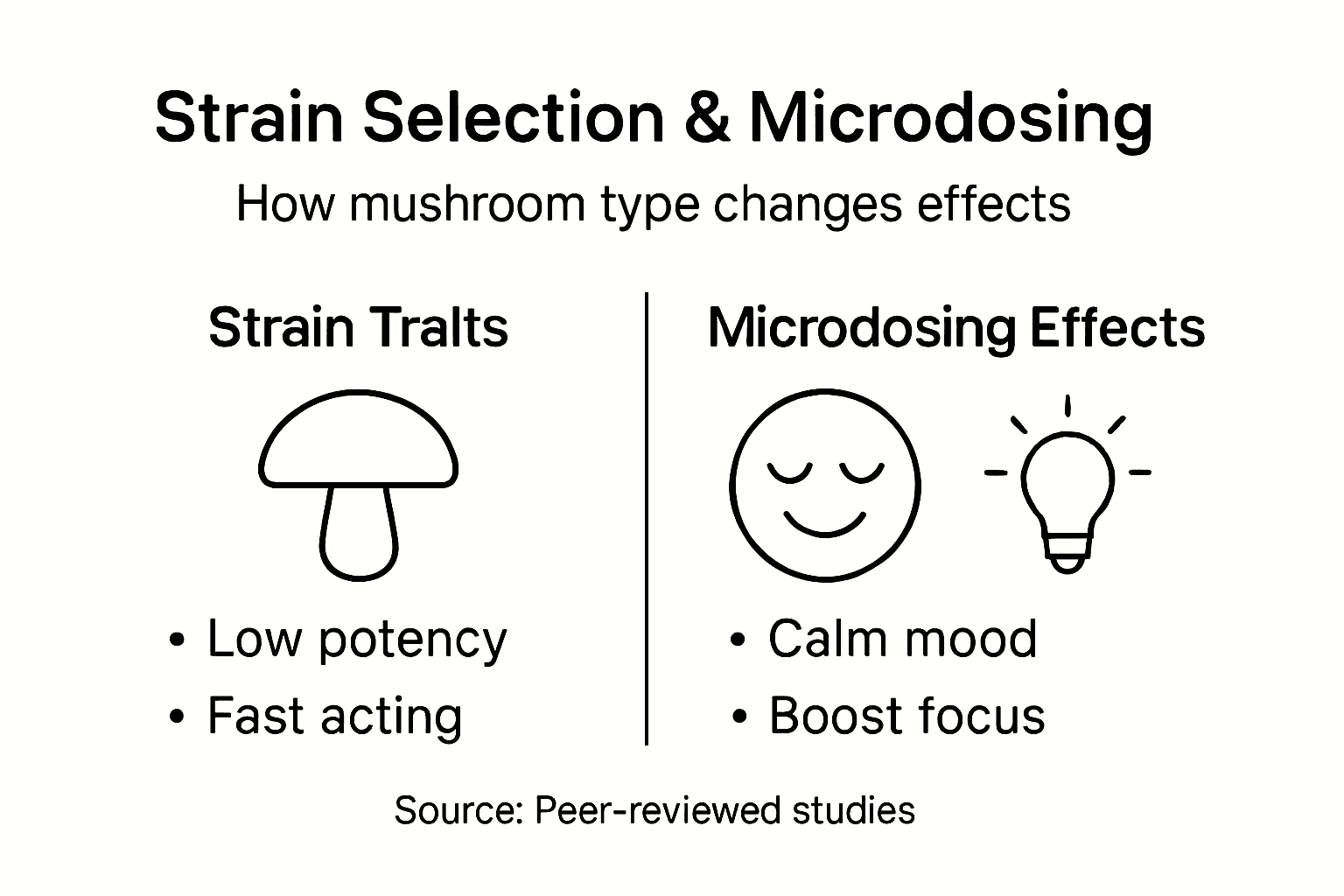
The concept of strain selection becomes critically important in microdosing, as different mushroom varieties contain varying concentrations of psychoactive compounds like psilocybin and psilocin. Recent systematic research on microdosing psychedelics highlights the significant variability in potential outcomes based on specific strain characteristics.
Key factors that differentiate microdosing strains include:
- Psilocybin Concentration: Total percentage of active compounds
- Genetic Lineage: Specific mushroom species and genetic background
- Growing Conditions: Environmental factors influencing alkaloid production
- Biochemical Profile: Unique combination of secondary metabolites
Understanding these nuanced differences allows microdosers to select strains aligned with their specific wellness objectives. Critical analysis of psychedelic microdosing research emphasizes that standardized strain identification remains crucial for predictable and safe experiences.
Pro tip: Always consult with experienced practitioners and review scientific literature before selecting a microdosing strain to ensure safe and intentional consumption.
How Psilocybin Strains Differ in Effects
Psilocybin mushroom strains exhibit remarkable biochemical diversity that profoundly impacts their therapeutic and experiential characteristics. Comprehensive metabolomic analysis reveals significant variations in how different strains produce psychoactive compounds, making strain selection a critical consideration for intentional microdosing.
The genetic variability among Psilocybe cubensis strains creates distinct biochemical fingerprints that influence psychological and neurological responses. Genetic and biochemical diversity research demonstrates that even mushrooms from the same species can produce dramatically different effects based on their unique metabolite composition.
Key differences between psilocybin strains include:
- Psilocybin/Psilocin Ratios: Variation in primary psychoactive compound concentrations
- Alkaloid Complexity: Presence of secondary compounds like baeocystin and norbaeocystin
- Tryptamine Profiles: Unique combinations of molecular structures
- Neurochemical Interaction Potential: Different abilities to engage with brain receptors
These nuanced differences mean that two seemingly similar strains can produce markedly different experiences. Some strains might promote creativity and cognitive flexibility, while others could induce more introspective or emotionally processing states.
Pro tip: Maintain detailed personal documentation of your experiences with different strains to develop a personalized understanding of how specific genetic variations impact your individual neurochemistry.
Choosing the Right Strain for Mental Health
Mental health treatment with psilocybin represents a nuanced approach that requires careful strain selection. Clinical evidence demonstrates significant variations in therapeutic outcomes based on specific mushroom strain characteristics, highlighting the importance of precision in treatment selection.

Different psilocybin strains interact uniquely with individual neurochemistry, producing distinct effects on mood, cognitive processing, and emotional regulation. Systematic reviews of psilocybin therapy emphasize that not all strains are equally effective for specific mental health conditions.
Key considerations when selecting strains for mental health support include:
- Mood Stabilization Potential: Strains with balanced alkaloid profiles
- Anxiety Reduction Capacity: Varieties promoting neurological calm
- Cognitive Flexibility: Strains supporting emotional processing
- Neuroplasticity Enhancement: Genetic variants that support brain adaptation
The goal is matching specific strain characteristics to individual mental health needs. Some strains might excel at addressing depression, while others could be more effective for anxiety or trauma processing. Understanding these nuanced differences allows for a more targeted and personalized approach to mental wellness.
To help visualize how psilocybin strains may affect mental health goals, here’s a summary of common objectives and ideal strain traits:
| Mental Health Goal | Recommended Strain Trait | Potential Benefit |
|---|---|---|
| Depression management | Balanced alkaloid profile | Enhanced mood stabilization |
| Anxiety reduction | Neurochemical calming effect | Lower stress response |
| Trauma processing | Strong emotional flexibility | Improved emotional resilience |
| Cognitive enhancement | High neuroplasticity support | Increased adaptability |
Pro tip: Consult with experienced practitioners who can help match your specific mental health goals with the most appropriate psilocybin strain based on comprehensive personal assessment.
Dosing Strategies for Different Strains
Microdosing psilocybin requires a sophisticated understanding of strain-specific dosing protocols. Psilocybin pharmacology research reveals that dosing strategies must be carefully tailored to individual strain characteristics and therapeutic objectives.
Contrary to traditional assumptions, body weight may not be the primary determinant of optimal dosage. Clinical trials on psilocybin dosing suggest that fixed dosing can be effective across different body weights, with strain variability playing a more significant role in determining appropriate microdose levels.
Key dosing considerations for different strains include:
- Alkaloid Concentration: Adjusting dose based on total psychoactive compound percentage
- Individual Sensitivity: Accounting for personal neurochemical responses
- Therapeutic Goal: Modifying dose to support specific mental health objectives
- Strain Potency: Recognizing variations in psilocybin and psilocin levels
Beginners should start with lower doses and gradually increase, paying close attention to individual responses. Each strain presents unique neurochemical interactions, making personalized approach crucial for safe and effective microdosing.
Pro tip: Maintain a detailed microdosing journal to track your responses across different strains and dosage levels, enabling more precise and personalized future microdosing strategies.
Common Mistakes in Strain Selection
Navigating psilocybin strain selection requires critical awareness of potential pitfalls that can compromise therapeutic outcomes. Common errors in strain identification often stem from inadequate understanding of genetic and biochemical variability among mushroom varieties.
Most microdosers unknowingly fall into traps that undermine their therapeutic intentions. Research highlights critical strain authentication challenges that can lead to inconsistent and potentially unpredictable experiences, emphasizing the need for rigorous strain verification.
Frequent mistakes in strain selection include:
- Misidentification: Relying on visual characteristics instead of genetic testing
- Anecdotal Sourcing: Choosing strains based on unverified online reports
- Ignoring Genetic Lineage: Overlooking the importance of precise genetic documentation
- Inconsistent Cultivation: Failing to maintain standardized growing conditions
- Neglecting Biochemical Profiling: Assuming all strains within a species are identical
Understanding these common errors can help microdosers make more informed and scientifically grounded strain selections. Each strain represents a unique biochemical fingerprint, with subtle variations that can significantly impact therapeutic potential.
Here’s a concise comparison of common mistakes in psilocybin strain selection and strategies to avoid them:
| Mistake | Impact on Outcome | How to Avoid |
|---|---|---|
| Visual misidentification | Unpredictable experiences | Use genetic verification |
| Anecdotal sourcing | Inconsistent strain potency | Prefer scientifically tested |
| Ignoring cultivation methods | Variable alkaloid concentrations | Standardize grow conditions |
| Lack of biochemical analysis | Missed therapeutic potential | Request molecular profiling |
Pro tip: Always request comprehensive genetic and biochemical documentation from your strain source, and prioritize suppliers who provide detailed molecular characterization of their mushroom varieties.
Unlock the Full Potential of Your Microdosing Journey with the Right Strain
Choosing the right psilocybin strain is more than a detail—it is the key to achieving the precise mental health benefits and therapeutic effects you seek. This article highlights common challenges like strain misidentification and dosing uncertainties that many face when microdosing. If you want to avoid these pitfalls and experience consistent, targeted results such as improved mood stabilization, anxiety reduction, and enhanced cognitive flexibility you need trusted guidance and quality products crafted with intention.
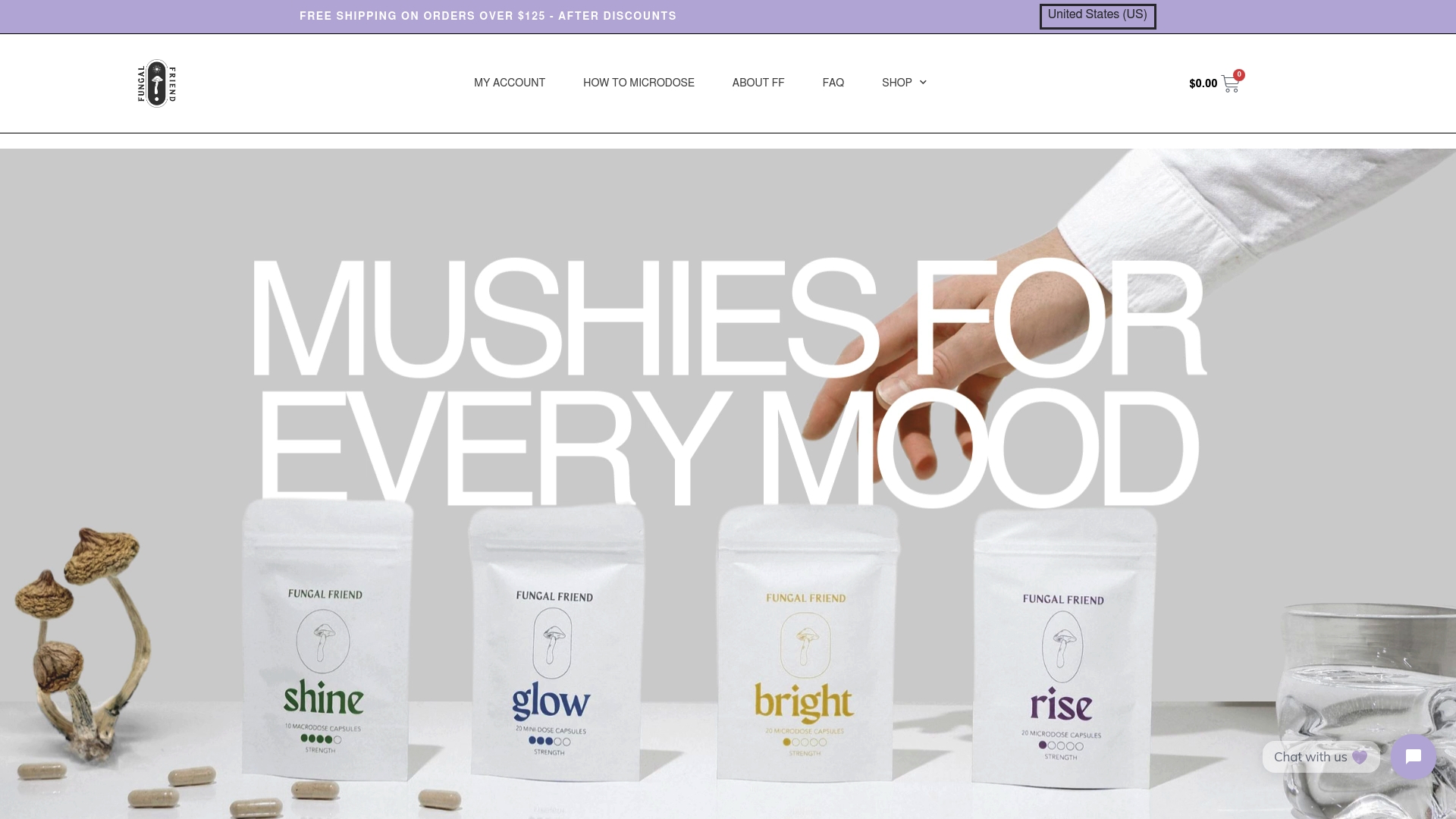
Explore Fungal Friend’s carefully curated selection of microdose psilocybin mushrooms, infused teas, and chocolates designed to align with your unique wellness goals. Backed by education on strain differences and dosing strategies, our Canadian brand offers you both safety and convenience with discreet shipping and detailed strain profiles. Start your informed journey now by visiting our Uncategorized Archives – Fungal Friend and discover how the right strain can transform your microdosing experience. Learn more and shop with confidence at Fungal Friend.
Frequently Asked Questions
What is microdosing and how does it relate to psilocybin strains?
Microdosing refers to the practice of consuming very small quantities of psychedelic substances, such as psilocybin mushrooms, to achieve subtle cognitive and therapeutic benefits without intense perceptual changes. The specific strain of psilocybin mushroom can significantly influence these effects due to varying concentrations of active compounds.
Why is strain selection important in microdosing?
Strain selection is crucial because different psilocybin mushroom strains contain different levels of psychoactive compounds, which can affect the therapeutic outcomes and user experiences. The biochemical profile, genetic lineage, and growing conditions of the strain can lead to various potential benefits or side effects.
How do different psilocybin strains impact mental health treatment?
Different psilocybin strains interact uniquely with individual neurochemistry and can produce varying effects on mood, emotional regulation, and cognitive processing. Selecting the appropriate strain based on its characteristics can enhance treatment outcomes for specific mental health conditions such as depression or anxiety.
What common mistakes should be avoided when selecting psilocybin strains for microdosing?
Common mistakes include relying on visual identification instead of genetic verification, choosing strains based on anecdotal evidence, ignoring the strain’s genetic lineage, and failing to understand the importance of standardized growing conditions. These errors can lead to unpredictable outcomes and limit the therapeutic potential of microdosing.