
Safe Microdosing Method: Reduce Anxiety, Enhance Focus
Struggling to find a reliable path through the uncertainty around microdosing for anxiety and focus is common among Canadian adults exploring these methods for the first time. Scientific research clearly shows that claims of guaranteed results and safety are built on anecdotal evidence, not rigorous clinical data. This guide addresses practical safety, myths, and legal facts to help you approach microdosing with confidence and informed caution.
Table of Contents
- Safe Microdosing Explained And Common Myths
- Choosing Psilocybin Product Types And Strains
- Legal Requirements For Microdosing In Canada
- Determining Ideal Starting Dose And Schedule
- Common Mistakes And Risk Reduction Strategies
Key Takeaways
| Point | Details |
|---|---|
| Understanding Microdosing | Microdosing involves low doses of psychedelics, typically 1/10th to 1/20th of a standard dose, aimed at providing cognitive and emotional benefits. Evidence remains mostly anecdotal, highlighting the need for more scientific validation. |
| Common Myths | Misconceptions such as guaranteed results and the absence of side effects persist; individual responses can vary significantly, and potential risks are still under investigation. |
| Legal Considerations in Canada | Psilocybin is classified as a Schedule III controlled substance in Canada, making unauthorized possession illegal; legal access exists only through specific programs and exemptions. |
| Dosing and Safety | A careful approach to dosing is crucial, with recommendations to start with the lowest effective dose and document experiences to optimize microdosing benefits while managing risks. |
Safe microdosing explained and common myths
Microdosing is an emerging approach involving extremely small, sub-hallucinogenic doses of psychedelic substances like psilocybin. Unlike full psychedelic experiences, microdosing aims to provide subtle cognitive and emotional benefits without dramatic perceptual changes.
The practice has gained significant attention, but scientific understanding remains limited. Research reveals complex psychological effects with significant variations in individual responses. Current scientific literature emphasizes several critical aspects about microdosing:
- Doses are typically 1/10th to 1/20th of a standard psychedelic dose
- Consumption frequency varies, often following protocols like “one day on, two days off”
- Primary reported benefits include mood enhancement, increased creativity, and reduced anxiety
- Most current evidence remains anecdotal, requiring more rigorous scientific validation
Common Microdosing Myths:
-
Myth: Microdosing guarantees consistent positive results
Reality: Individual responses vary dramatically -
Myth: No potential side effects exist
Reality: Psychological and physiological risks are still being investigated -
Myth: Scientific consensus supports all claimed benefits
Reality: Current research indicates significant limitations in understanding microdosing’s comprehensive impacts
Psychological research suggests potential benefits, but emphasizes the need for controlled, standardized studies to definitively understand microdosing’s mechanisms and implications.
Pro tip: Always consult healthcare professionals before beginning any microdosing regimen and approach the practice with careful, informed consideration.
Choosing psilocybin product types and strains
Psilocybin mushrooms represent a complex and diverse group of fungi with significant variations in chemical composition and potential effects. Researchers have identified over 200 different mushroom species containing this fascinating compound, each presenting unique characteristics that impact user experience.
When selecting psilocybin products, several critical factors must be considered:
- Chemical potency and concentration
- Geographic origin of the mushroom strain
- Intended therapeutic or personal exploration goals
- Individual physiological response patterns
- Potential interaction with existing health conditions
The primary product types available include:
Here’s a comparison of psilocybin product types and their typical applications:
| Product Type | Dosing Consistency | Typical Use Case | Ease of Measurement |
|---|---|---|---|
| Dried Mushrooms | Variable | Traditional, exploratory use | Challenging, less precise |
| Capsules | High | Standardized self-dosing | Very precise |
| Tinctures | Moderate to high | Flexible, precise adjustments | Easy to measure |
| Synthetic Psilocybin | Very high | Research, medical protocols | Laboratory-grade accuracy |
- Dried Whole Mushrooms: Traditional consumption method
- Capsules: Standardized dosing, convenient
- Tinctures: Liquid extracts with precise measurements
- Synthetic Psilocybin: Laboratory-produced compounds
Strain Selection Considerations:
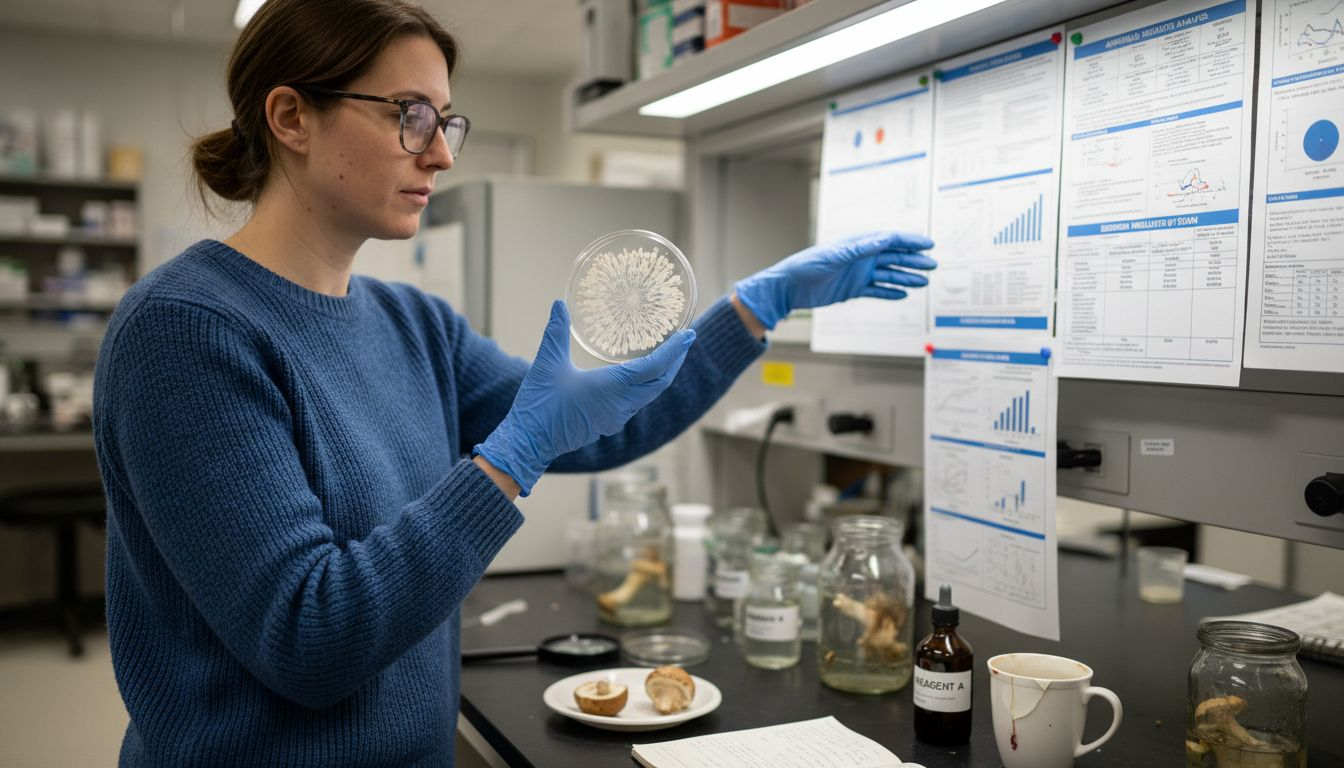
Not all psilocybin mushrooms are created equal. Genomic studies reveal significant biochemical diversity that directly influences therapeutic potential.
Professional researchers emphasize the importance of understanding each strain’s unique metabolite profile. Some strains might be more suitable for anxiety reduction, while others could enhance cognitive performance or creativity.
Pro tip: Always consult with a healthcare professional and start with the lowest possible dose when exploring new psilocybin product types.
Legal requirements for microdosing in Canada
Psilocybin remains a strictly regulated substance in Canada, with complex legal implications for potential users. Canadian federal law classifies psilocybin as a controlled substance, making unauthorized possession, distribution, or cultivation illegal.
Key legal considerations for Canadians include:
- Psilocybin is a Schedule III controlled substance
- Possession carries potential criminal penalties
- Exceptions exist only through specific legal channels
- Medical and research exemptions are tightly controlled
Legal Access Pathways:
- Health Canada Special Access Program
- Section 56 Exemptions
- Authorized Medical Research
- Therapeutic Clinical Trials
Microdosing without proper authorization remains illegal, regardless of intended use or dosage amount.
Current Legal Frameworks:
Regulatory guidelines from Health Canada emphasize strict control over psilocybin access. While research and therapeutic contexts provide limited legal pathways, recreational or personal microdosing remains prohibited.
Pro tip: Consult legal professionals and health experts before attempting any psilocybin-related activities to ensure full compliance with Canadian regulations.
Determining ideal starting dose and schedule
Microdosing psilocybin requires a careful, methodical approach to finding the right dosage and frequency for individual needs. Clinical guidance emphasizes patient-specific dosing strategies that prioritize safety and minimize potential risks.
Standard microdosing parameters typically include:
- Dose range: 0.1 to 0.5 grams of dried psilocybin mushrooms
- Frequency: Once every three days
- Starting point: Lowest possible effective dose
- Individual variation: Adjust based on personal response
Recommended Dosing Protocols:
-
Beginner Protocol
- Start with 0.1 grams
- Monitor effects carefully
- Increase gradually if needed
-
Experienced User Protocol
- 0.2 to 0.3 grams
- More consistent dosing schedule
- Enhanced tracking of psychological effects
Individual biochemistry significantly impacts microdosing effectiveness, making personalized approaches crucial.
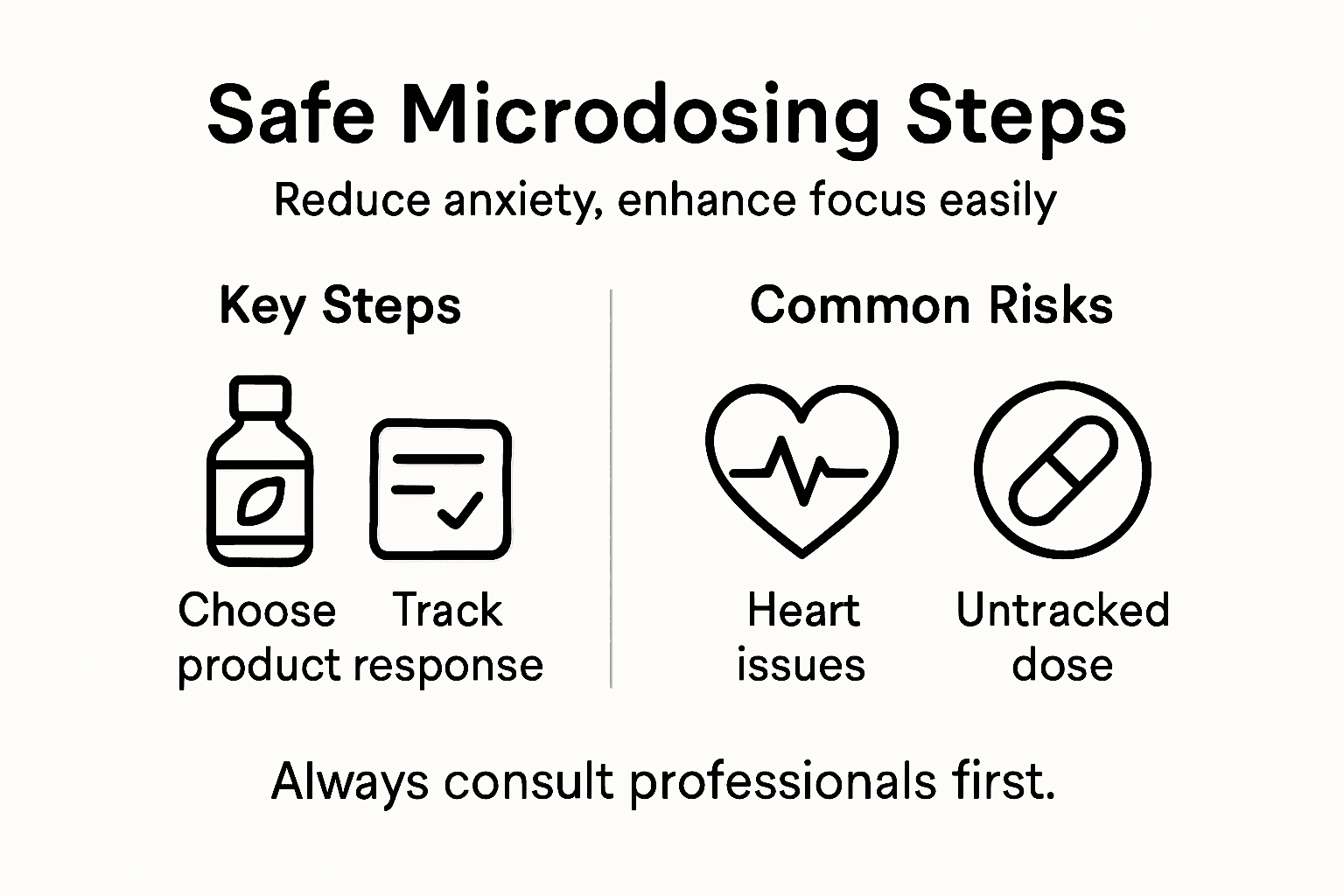
Research suggests tracking individual responses is critical for optimizing microdosing experiences. This means maintaining a detailed journal of psychological, emotional, and cognitive changes throughout the process.
Pro tip: Begin with the lowest possible dose and increase incrementally, keeping a comprehensive log of your physical and mental responses to accurately gauge your ideal microdosing regimen.
Common mistakes and risk reduction strategies
Microdosing demands careful attention and informed decision-making to ensure safety and effectiveness. Common mistakes can significantly compromise the potential benefits of psilocybin microdosing, making risk reduction strategies crucial.
Key Mistakes to Avoid:
- Inconsistent dosing schedules
- Neglecting personal health history
- Ignoring potential psychological interactions
- Failing to track and document experiences
- Underestimating individual biochemical differences
Risk Reduction Strategies:
-
Medical Screening
- Complete comprehensive health assessment
- Discuss microdosing with healthcare professional
- Review potential cardiovascular risks
-
Psychological Preparation
- Understand personal mental health history
- Create supportive environment
- Develop mindful approach to experience
Careful preparation and self-awareness are your primary defense against potential microdosing complications.
Potential heart health risks require careful medical consideration, particularly for individuals with pre-existing cardiovascular conditions. Periodic medical monitoring and conservative dosing remain critical for safe exploration.
The following table summarizes risk factors and strategies to reduce complications during microdosing:
| Risk Factor | Potential Complication | Risk Reduction Strategy |
|---|---|---|
| Inconsistent dosing | Unexpected psychological shifts | Strict protocol, daily tracking |
| Health problems | Cardiovascular issues | Pre-screening, regular monitoring |
| Poor documentation | Hard to assess responses | Maintain detailed journal |
Pro tip: Maintain a detailed journal documenting dosage, psychological state, and physical responses, and be prepared to discontinue microdosing if any adverse effects emerge.
Discover Safe and Effective Psilocybin Microdosing with Fungal Friend
If you are seeking natural ways to reduce anxiety and enhance focus like discussed in the article Safe Microdosing Method you understand how important it is to start with reliable, standardized products and trusted guidance. Microdosing demands careful attention to dosing consistency and strain selection to unlock subtle benefits without unwanted effects. Fungal Friend offers a curated selection of psilocybin capsules, infused teas, and chocolates designed specifically for mood balance and cognitive clarity so you can microdose confidently.
Explore our comprehensive resources and product range on the Uncategorized Archives – Fungal Friend page to learn about different psilocybin strains and dosing protocols. Whether you are new or experienced, visit Fungal Friend today to access discreet ordering and expert support that aligns with your goals for safe microdosing. Take control of your well-being with trusted Canadian products made for your journey.
Start your path to improved focus and reduced anxiety now by discovering our strain-based selections and dosing advice at Fungal Friend.
Frequently Asked Questions
What is microdosing and how does it work?
Microdosing refers to the practice of taking small, sub-hallucinogenic doses of psychedelic substances, such as psilocybin, to experience subtle cognitive and emotional benefits without intense perceptual changes.
What are the potential benefits of microdosing?
Reported benefits of microdosing include enhanced mood, increased creativity, and reduced anxiety. However, individual experiences may vary, and more research is needed to confirm these effects.
How do I determine the ideal starting dose for microdosing?
The recommended starting dose for microdosing psilocybin is typically between 0.1 to 0.5 grams of dried mushrooms. It’s advisable to begin with the lowest possible dose and increase gradually based on personal response.
What are the common mistakes to avoid while microdosing?
Common mistakes include inconsistent dosing schedules, neglecting personal health history, failing to track experiences, and underestimating individual differences. It’s important to maintain a detailed journal of your observations and consult a healthcare professional before starting.