
Microdosing Best Practices 2025: Safer Paths to Focus
Finding balance between daily stress and sharp focus often feels out of reach for many Canadian adults. As curiosity about natural solutions grows, microdosing psilocybin has captured attention for its potential to improve mental clarity and reduce anxiety with minimal disruption. Research highlights that microdosing involves sub-perceptual amounts of psychedelics, offering a possible route toward cognitive enhancement and mood support while allowing you to maintain your everyday routine. This guide offers clear, relevant insights to help you navigate the options with safety and confidence.
Table of Contents
- What Is Microdosing And Why It Matters
- Types Of Microdosing Protocols For 2025
- Key Benefits And Typical Applications
- Canadian Laws And Sourcing Safely
- Risks, Side Effects, And Common Mistakes
Key Takeaways
| Point | Details |
|---|---|
| Understanding Microdosing | Microdosing involves taking small amounts of psychedelics to enhance focus and mood without noticeable effects. It is distinct from full-dose psychedelic use. |
| Protocols for Dosing | Several microdosing protocols exist, including the Fadiman Protocol and daily dosing. Choosing the right protocol depends on personal goals and tolerance. |
| Potential Benefits | Common benefits include improved mood, enhanced creativity, and increased focus for managing anxiety and productivity. |
| Risks and Considerations | Users should be cautious of side effects such as anxiety and tracking personal responses, and avoid starting with high doses to prevent negative experiences. |
What Is Microdosing and Why It Matters
Microdosing refers to taking sub-perceptual amounts of psychedelics, typically psilocybin or LSD, in doses so small that you don’t experience hallucinations or dramatic perceptual shifts. Think of it like adjusting the volume on a speaker down to barely audible levels, except instead of music, you’re working with the neurochemical effects of these substances. The dose is calculated to remain below the threshold where typical psychedelic effects occur, which means you go about your day without noticeable alterations to your sensory experience or consciousness. This distinction matters because it separates microdosing from recreational or therapeutic full-dose psychedelic use.
Why should you care about microdosing in 2025? The landscape has shifted considerably. Research on microdosing effects indicates growing interest in how these micro-amounts might support focus, mood stability, and cognitive function. Canadian adults particularly are exploring microdosing as a potential alternative for anxiety management and mental clarity, especially those seeking natural approaches outside traditional pharmaceuticals. The appeal lies in the reported benefits: improved concentration throughout the day, reduced anxiety without sedation, enhanced creativity, and better emotional resilience. Yet here’s the critical part: while anecdotal reports are enthusiastic, the evidence base remains limited and inconclusive, which is precisely why understanding best practices matters so much.
What makes 2025 different is the combination of increased accessibility, better community knowledge sharing, and growing scientific attention to microdosing protocols. Canadian consumers now have legal access to psilocybin-containing products through regulated channels, creating an opportunity to practice microdosing safely and intentionally. The substances remain federally controlled in Canada, but possession of small amounts for personal use exists in a gray legal area that many Canadians navigate carefully. Understanding what microdosing actually is sets the foundation for making informed decisions about whether it aligns with your health goals, how to start safely if you choose to proceed, and what realistic expectations look like based on current evidence.
Pro tip: Start by clearly defining your personal goal, whether that’s anxiety reduction, focus improvement, or mood enhancement, before exploring microdosing, as your intention shapes both your protocol and how you’ll measure results.
Types of Microdosing Protocols for 2025
Microdosing protocols refer to the specific schedules and dosing patterns you follow when taking psilocybin microdoses. Think of a protocol as your personalized roadmap, determining when you dose, how much you take, and how long you continue. The protocol you choose shapes your entire experience, from how your body adapts to the substance to whether you’ll notice meaningful changes in focus, anxiety, or mood. In 2025, several evidence-based and community-tested protocols have emerged as the most practical for Canadian users seeking consistent results without overwhelming side effects.
The most popular approach is the Fadiman Protocol, named after psychedelic researcher James Fadiman. This involves taking a microdose once every three days, with a specific pattern: dose on day one, skip days two and three, then dose again on day four. The reasoning behind this schedule is to allow your body to integrate the experience and prevent tolerance buildup. Many Canadian users report this creates a sustainable rhythm that fits into work weeks without disrupting daily routines. The daily microdose protocol represents the opposite end of the spectrum, where users take a small dose every single day. This approach requires careful attention to tolerance and is generally recommended only for experienced users who’ve tested their sensitivity levels thoroughly.
Another framework gaining traction is the two-day-on, two-day-off protocol, which offers a middle ground between daily dosing and the three-day intervals. This pattern aligns well with Canadian work schedules and allows users to experience effects during weekdays while taking breaks on weekends. Some practitioners also use the one-week-on, one-week-off protocol for deeper reset periods, particularly useful if you notice tolerance developing or want to reassess your dosing threshold. The key difference between these protocols lies in frequency and cumulative exposure. Your choice should depend on your personal tolerance, your specific goals, and how your body responds during initial trial phases. Examples of microdose routines demonstrate how real users adapt these frameworks to their unique circumstances.
Pro tip: Start with the Fadiman Protocol for your first four to six weeks to establish a clear baseline, then adjust frequency based on how you feel rather than switching protocols impulsively.
Here is a comparison of common microdosing protocols used in 2025:
| Protocol Name | Dosing Frequency | Ideal For | Key Considerations |
|---|---|---|---|
| Fadiman Protocol | Every third day | Beginners, routine seekers | Minimizes tolerance, easy to follow |
| Daily Microdose | Every day | Experienced users | Risk of tolerance, monitor effects |
| Two-Day-On, Two-Day-Off | 2 days on, 2 days off | Professionals, flexible schedules | Balanced effects, avoids overload |
| One-Week-On, One-Week-Off | 1 week on, 1 week off | Resetting tolerance, periodic users | Allows for adaptation periods |
Key Benefits and Typical Applications
The reported benefits of microdosing fall into two main categories: mental health support and cognitive enhancement. For mental health, Canadian users commonly explore microdosing as a potential tool for managing anxiety and depression without the side effects associated with traditional pharmaceuticals like weight gain, sexual dysfunction, or emotional blunting. Many report feeling calmer during stressful situations, with a greater ability to handle work pressure or social interactions. The mood-regulating effects appear to stem from how psilocybin interacts with serotonin pathways in the brain. Beyond mood, users frequently mention improvements in focus and creativity, describing enhanced ability to concentrate on complex tasks, better problem-solving skills, and easier access to creative thinking. Some report that microdosing helps them shift out of rigid thought patterns, which proves particularly valuable for professionals in creative fields or anyone working through recurring mental obstacles.

Research synthesizing 57 human studies demonstrates microdosing benefits across mood, cognition, and social functioning in both clinical and non-clinical populations. Clinical applications typically focus on anxiety and depression management, while cognitive enhancement appeals to healthy individuals seeking performance improvements. The research also notes that microdosing increases neuroplasticity and regulates mood, with emerging evidence from institutions like Johns Hopkins and Imperial College London supporting these mechanisms. However, results vary significantly based on individual factors like genetics, existing mental health conditions, and life circumstances.
Typical applications for Canadian users include using microdoses on workdays to maintain steady focus without afternoon crashes, or timing doses before social events to reduce anxiety while remaining fully functional. Some people use microdosing therapeutically, taking consistent doses over weeks or months to address chronic anxiety or depressive symptoms. Others adopt a more exploratory approach, microdosing occasionally during personal projects or challenging periods. The key distinction from full-dose psychedelics is that microdosing integrates into daily life rather than requiring dedicated time for a profound experience. Your personal application depends on your primary goal, your schedule, and how your neurobiology responds to the substance.
Pro tip: Track your baseline mood and focus levels for one week before starting, then document changes weekly using a simple note on your phone, which helps you distinguish real improvements from placebo effects.
Canadian Laws and Sourcing Safely
Understanding the legal landscape is critical before exploring microdosing in Canada. The Controlled Drugs and Substances Act is the primary federal framework governing psilocybin and LSD as of 2025. Under this law, psilocybin mushrooms and LSD are classified as controlled substances, which means possession, distribution, and import are generally prohibited. However, the law is more nuanced than a simple blanket ban. Health Canada oversees controlled substance regulations and has created pathways for authorized medical or scientific use, including special access programs that allow certain individuals to access psychedelics under strict clinical conditions. This distinction between recreational and therapeutic access creates a gray area where many Canadian users operate, particularly those who have obtained exemptions through medical channels or practitioners operating within evolving provincial guidelines.
The practical reality for Canadian consumers in 2025 is that while possession remains technically illegal without authorization, enforcement varies significantly by province and context. Some provinces have moved toward decriminalization for personal use in small amounts, while others maintain stricter enforcement. Health Canada’s guidelines emphasize safety, purity, and proper handling for any substances involved in clinical research or authorized programs. When sourcing psilocybin products, this creates several considerations: purchasing only from reputable sources that operate within legal frameworks, verifying product purity and composition, and understanding your provincial regulations specifically.
Sourcing safely means prioritizing vendors who operate transparently about their legal status and product testing. Look for sellers who provide third party lab results, clearly document their sourcing methods, and maintain professional communication about legal compliance. Many Canadian users work with licensed practitioners or purchase through special access programs rather than unregulated black market sources, which reduces risks of contamination, misdosing, or legal exposure. The key is conducting your own research about your province’s specific stance on possession and therapeutic use. Some provinces have moved faster than others toward regulated access through clinical trials or compassionate programs. Before purchasing any psilocybin product, verify that your source operates within legal parameters and that you understand the legal implications in your specific jurisdiction.
Pro tip: Request third party laboratory certificates of analysis from any vendor before purchasing, and verify the testing was done by an accredited lab, which confirms product identity and purity while protecting your safety.
Risks, Side Effects, and Common Mistakes
While microdosing appeals to many Canadian users seeking natural alternatives, it carries real risks that deserve serious consideration. The most commonly reported side effects include anxiety, restlessness, and sleep disturbances, particularly when doses are too high or timing is off. Some users experience mild cognitive disruptions, difficulty concentrating, or a subtle sense of disconnection from their surroundings. These effects are typically dose-dependent and transient, meaning they subside as your body processes the substance or as you adjust your protocol. However, they can be genuinely uncomfortable while they occur. Documented adverse effects from 57 studies include anxiety, sleep problems, and cognitive impacts, with outcomes heavily influenced by individual factors like baseline anxiety levels, existing mental health conditions, and personal expectations.
One critical mistake many first-time users make is starting with a dose that’s too high, driven by impatience or misunderstanding of what “sub-perceptual” actually means. You should feel almost nothing during a proper microdose, yet many people expect noticeable shifts. This misalignment between expectation and reality leads people to increase doses unnecessarily, which creates actual side effects and clouds their ability to assess real benefits. Another common error is inconsistent timing or protocol switching, jumping between different schedules before giving any single approach adequate time to work. Your nervous system needs at least four to six weeks to show genuine adaptation patterns. Additionally, many users neglect to account for individual variability in sensitivity. Your genetics, body weight, metabolism, existing medications, and even gut health all influence how psilocybin affects you. What works perfectly for a friend may be completely wrong for your neurobiology.
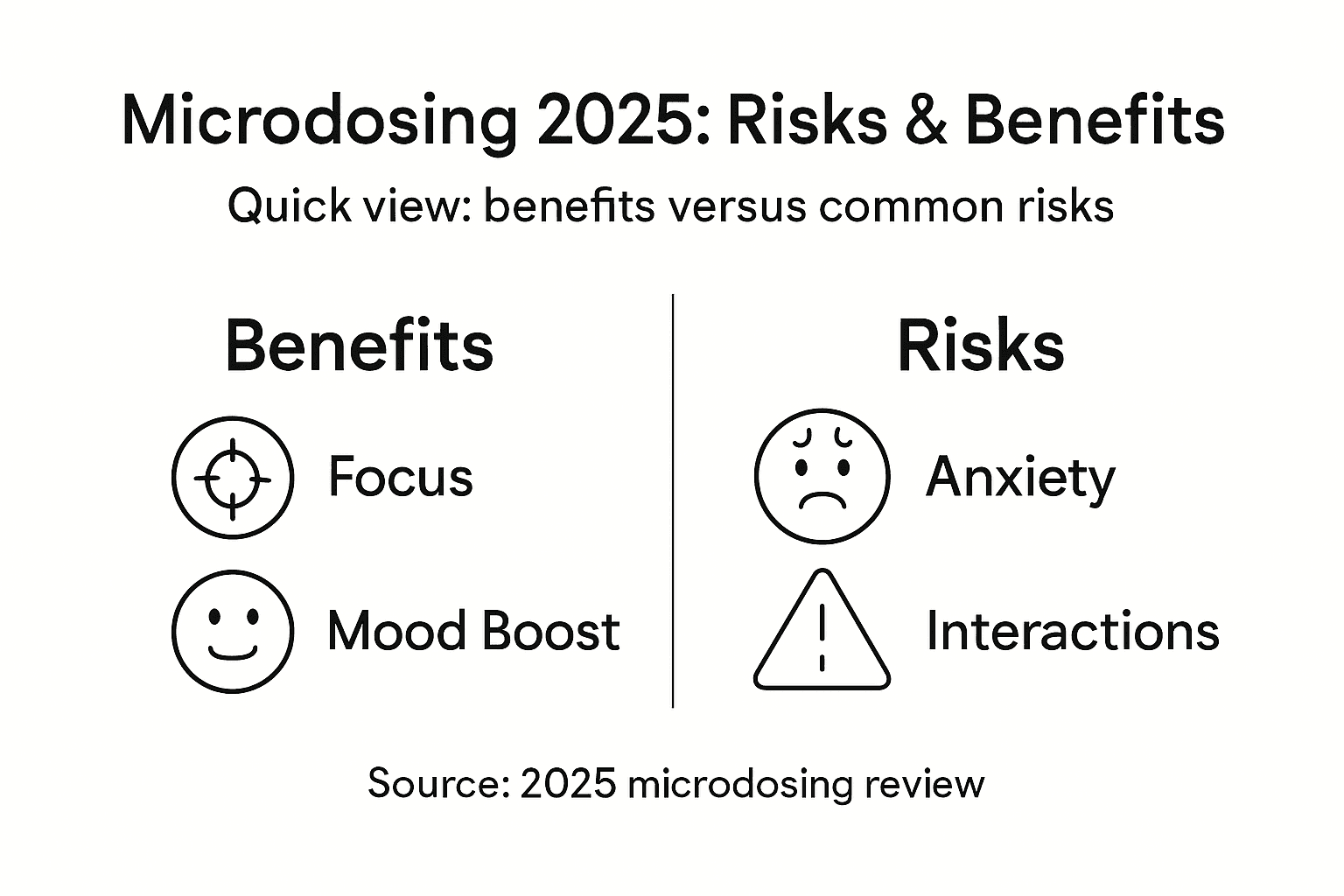
A frequently overlooked risk involves interactions with other substances and medications. Psilocybin can interact with SSRIs, certain blood pressure medications, and other compounds in ways that either reduce effectiveness or increase side effects. Using alcohol on microdosing days, for example, can amplify anxiety and disrupt sleep patterns. Some users also make the mistake of microdosing during periods of high stress or instability, expecting the microdose to stabilize things that actually require lifestyle changes or professional support. Microdosing works best when your baseline life is reasonably stable. Finally, tolerance building sneaks up on users who follow daily protocols without breaks. Your receptors become less responsive over time, requiring increasingly frequent breaks to reset sensitivity.
Pro tip: Wait at least six weeks before evaluating whether your protocol is working, and keep a simple log of dose, time, and effects to spot patterns you might otherwise miss.
Below is a summary of typical benefits and risks associated with microdosing:
| Aspect | Key Benefits | Common Risks or Side Effects |
|---|---|---|
| Mental Health | Reduced anxiety, improved mood | Anxiety spikes, sleep disruption |
| Cognitive Function | Enhanced focus, boosted creativity | Difficulty concentrating, restlessness |
| Daily Functioning | Increased productivity, emotional balance | Subtle disconnection, tolerance build-up |
Discover Safer and Smarter Microdosing with Fungal Friend
The journey to improved focus and balanced mood through microdosing requires clear guidance and trusted resources. This article highlights the importance of following well-defined protocols like the Fadiman Protocol and emphasizes safety, consistency, and personal goal setting to avoid common pitfalls such as dosing errors or tolerance build-up. If you are seeking natural, reliable ways to support anxiety reduction and cognitive clarity, understanding these microdosing best practices is your first step.
Explore the carefully curated selection of psilocybin products at Fungal Friend designed specifically for Canadian consumers who value safety and education. From precise mushroom capsules to calming infused teas, each product aligns with recommended protocols and helps you maintain control over your microdosing routine. Learn more about microdosing approaches and user experiences in our Uncategorized Archives – Fungal Friend to deepen your knowledge before starting. Ready to take the next step toward focused days and balanced mood? Visit Fungal Friend now to shop trusted options and access expert guidance tailored for 2025 microdosing challenges.
Frequently Asked Questions
What is microdosing?
Microdosing involves taking sub-perceptual amounts of psychedelics, such as psilocybin or LSD, in doses so small that users do not experience significant perceptual shifts or hallucinations.
What are some common microdosing protocols?
Common microdosing protocols include the Fadiman Protocol (dosing every three days), daily microdosing, two-day-on/two-day-off, and one-week-on/one-week-off methods. Choosing the right protocol depends on your personal goals and how your body responds.
What benefits can I expect from microdosing?
Reported benefits of microdosing include reduced anxiety, improved mood stability, enhanced focus, increased productivity, and boosted creativity. Users often find it helps them maintain emotional balance without the side effects associated with traditional pharmaceuticals.
What are the risks associated with microdosing?
Risks of microdosing can include anxiety, restlessness, sleep disturbances, and cognitive disruptions, particularly when doses are too high or timing is inconsistent. Individual sensitivity varies, meaning effects can differ greatly from person to person.