
Beginner’s Guide to Psilocybin: Start Safely and Confidently
Many Canadian adults are exploring legal psilocybin for mental wellness, inspired by groundbreaking American research showing up to a 30 percent improvement in mood for microdosers. Understanding the basics of this compound can ease anxiety, especially for those new to microdosing. This guide provides clear safety steps, recommended starting doses, and simple methods for tracking effects so you can make informed choices and feel confident as you begin your journey.
Table of Contents
- Step 1: Understand Key Psilocybin Basics
- Step 2: Evaluate Your Readiness And Intentions
- Step 3: Select A Reputable Source And Product
- Step 4: Determine Your Ideal Starting Dosage
- Step 5: Track Your Experience And Adjust Safely
Quick Summary
| Key Point | Explanation |
|---|---|
| 1. Understand psilocybin basics | Psilocybin is a psychedelic compound that affects perception and mood, with therapeutic potential for mental health issues. |
| 2. Reflect on your intentions | Assess your mental state and motivations before engaging with psilocybin to ensure a meaningful experience. |
| 3. Choose reputable sources | Research legal and medical regulations to find safe, high-quality psilocybin products before purchasing. |
| 4. Determine the starting dosage | Begin with low doses, understanding personal factors to ensure a safe and effective psilocybin experience. |
| 5. Track your experiences | Document emotional and cognitive responses during psilocybin sessions to optimize safety and therapeutic outcomes. |
Step 1: Understand key psilocybin basics
Psilocybin represents a fascinating chemical compound found in specific mushroom species that can profoundly impact human neurological experience. These naturally occurring psychoactive substances have been studied for their potential therapeutic applications and complex interactions with brain chemistry.
At its core, psilocybin is a psychedelic compound that transforms into psilocin once metabolized in the human body. Psychoactive properties of psilocybin trigger significant changes in perception, mood, and cognitive processing by interacting directly with serotonin receptors in the brain. Researchers have discovered these mushrooms contain this remarkable compound across more than 50 different species worldwide, each with unique characteristics and potential effects.
Understanding psilocybin requires recognizing its scientific complexity and ongoing research landscape. While traditional use spans centuries in various cultural contexts, modern scientific investigation continues exploring its potential therapeutic applications for mental health conditions like depression, anxiety, and addiction. Current research suggests promising pathways for understanding how these compounds might provide alternative treatment approaches.
Pro tip: Always consult medical professionals and verify legal regulations before considering any psilocybin related experiences or research.
Step 2: Evaluate your readiness and intentions
Preparing for a psilocybin experience requires honest self reflection and careful assessment of your mental and emotional state. This step is crucial for ensuring a safe and meaningful exploration of your inner landscape.

Psychological screening and intention setting represent fundamental aspects of responsible psychedelic engagement. You need to critically examine your current mental health, past psychological history, and underlying motivations for considering psilocybin. Are you seeking personal growth, healing, or simply curiosity? Understanding your true intentions helps create a more purposeful and potentially transformative experience.
Mental health professionals recommend conducting a comprehensive self evaluation before proceeding. This involves assessing your emotional stability, identifying any potential psychological vulnerabilities, and ensuring you have adequate support systems in place. Consider consulting a healthcare professional who understands psychedelic experiences to help you navigate this important preparatory phase.
Pro tip: Create a detailed personal intention journal documenting your motivations, emotional state, and expected outcomes before exploring psilocybin experiences.
Step 3: Select a reputable source and product
Choosing a trustworthy source for psilocybin products requires careful research and understanding of complex legal and medical regulations. Your goal is to find a safe, legal, and high quality product that meets your specific needs while minimizing potential risks.
Medical regulation of psilocybin products has evolved significantly in recent years, creating more structured pathways for responsible access. Different jurisdictions like Oregon, Colorado, and Alberta have implemented specific frameworks for prescriptive use under medical supervision. This means you should prioritize sources that operate within regulated health systems where quality control, dosing precision, and clinical oversight are guaranteed.
Navigating the legal landscape of psilocybin access demands thorough understanding. Federal and state legal considerations play a crucial role in determining where and how you can legally obtain psilocybin products. Research your local regulations carefully, consider consulting healthcare professionals who specialize in psychedelic medicine, and verify the legitimacy of any potential source before making a purchase.
Pro tip: Document your research process and verify the legal status of psilocybin sources in your specific jurisdiction before proceeding with any purchase.
Step 4: Determine your ideal starting dosage
Choosing the right psilocybin dosage is a critical step that requires careful consideration and a thoughtful approach to your personal wellness journey. Understanding your body and setting realistic expectations are key to a safe and meaningful experience.
Clinical dosage recommendations highlight the importance of starting low and proceeding with caution. For beginners, microdosing typically involves consuming sub perceptual amounts around 0.1 to 0.3 grams of dried mushrooms. This approach allows you to explore potential benefits while minimizing the risk of overwhelming psychological experiences. More substantial therapeutic doses range from 20 to 30 milligrams of pure psilocybin, though these should only be considered under professional guidance.
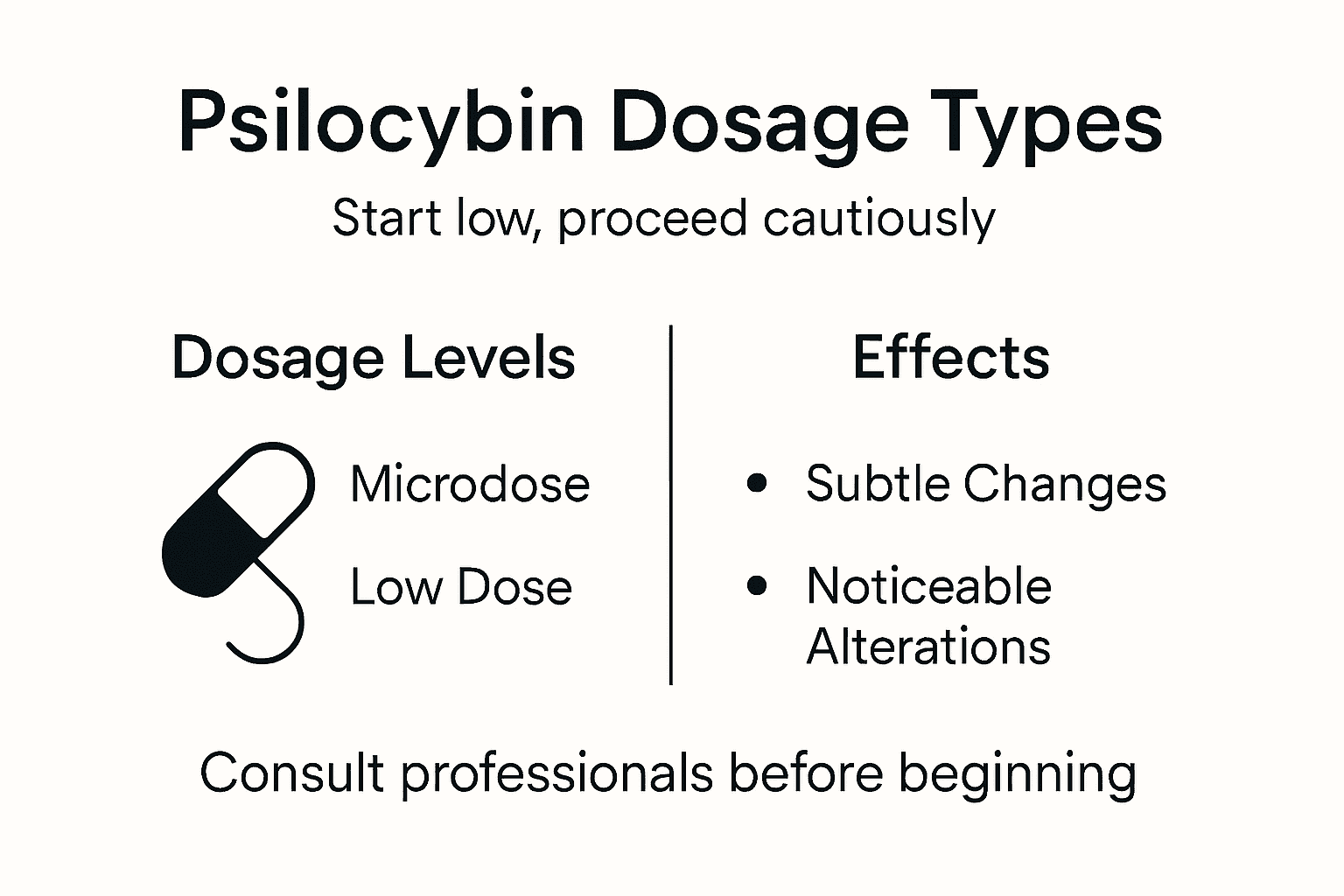
Individual factors play a significant role in determining your ideal dosage. Your body weight, metabolism, previous experience with psychedelics, and overall mental health all contribute to how you might respond. Careful dose titration is essential for balancing potential therapeutic benefits with minimizing adverse effects. Consulting with a healthcare professional who understands psychedelic medicine can provide personalized guidance tailored to your specific needs and health background.
Here is a summary comparing key psilocybin dosage approaches and implications:
| Dosage Type | Typical Amount | Potential Outcomes | Professional Involvement |
|---|---|---|---|
| Microdosing | 0.1–0.3g dried mushrooms | Subtle mood shifts, increased focus | Often self-administered |
| Therapeutic Dose | 20–30mg pure psilocybin | Profound psychological effects | Requires clinical supervision |
| High Dose | 30mg+ pure psilocybin | Intense perceptual changes, risks | Hospital or clinical setting |
Pro tip: Always start with the lowest possible dose and document your experience carefully to understand your individual response.
Step 5: Track your experience and adjust safely
Carefully documenting and evaluating your psilocybin experience is crucial for understanding its impact on your mental and physical well being. This step helps you create a systematic approach to exploring psilocybin while maintaining personal safety and awareness.
Real world tracking practices demonstrate the importance of recording emotional states, triggers, and aftereffects in a structured manner. Consider creating a detailed journal that captures your psychological and physiological responses during and after each session. Note specific elements like mood changes, cognitive shifts, physical sensations, and any unexpected reactions you might experience.
Clinical tracking protocols emphasize systematic assessment to optimize therapeutic benefits and minimize potential negative reactions. This means developing a consistent method for evaluating your experiences, which might include using standardized mood scales, noting duration and intensity of effects, and reflecting on your overall mental state before and after each session. Be prepared to adjust your approach based on these observations, always prioritizing your mental and physical safety.
This table presents useful self-tracking categories for documenting your psilocybin experience:
| Tracking Category | Example Entries | Reason for Monitoring |
|---|---|---|
| Emotional State | Calm, anxious, euphoric | Identify patterns and triggers |
| Physical Sensations | Nausea, energy, warmth | Monitor body reactions |
| Cognitive Effects | Clarity, confusion | Track mental shifts |
| Duration & Intensity | Mild, moderate, strong | Assess dosage impact |
Pro tip: Create a structured tracking template with predefined categories to ensure consistent and comprehensive documentation of your psilocybin experiences.
Start Your Psilocybin Journey with Confidence and Safety
Navigating the early stages of psilocybin use can feel overwhelming when considering dosage, legal concerns, and sourcing reliable products. This Beginner’s Guide highlights key challenges such as understanding ideal dosing, evaluating mental readiness, and finding trustworthy psilocybin sources. If you are seeking natural support for mood balance, anxiety reduction, or focus enhancement, Fungal Friend offers carefully curated microdose psilocybin products designed to meet those needs.
Explore our selection of mushroom capsules, infused teas, and delicious magic mushroom chocolates crafted for safe and effective microdosing. Backed by education on strain differences and legal frameworks in Canada, we help you bridge knowledge with action. Take the next step in your personal wellness journey by browsing our Uncategorized Archives – Fungal Friend to discover products suited for beginners and experienced users alike. Visit Fungal Friend today and start confidently with trusted resources focused on your safety and wellbeing.
Frequently Asked Questions
What is psilocybin, and how does it affect the brain?
Psilocybin is a naturally occurring psychedelic compound that, when metabolized, transforms into psilocin. It interacts with serotonin receptors in the brain, leading to changes in perception, mood, and cognitive processing. To understand its effects, consider studying its interaction with brain chemistry and recent research on its therapeutic potential.
How can I ensure I am mentally and emotionally prepared for a psilocybin experience?
Assess your mental and emotional state to evaluate if you are ready for a psilocybin experience. Reflect on your intentions by creating a personal intention journal that outlines your motivations and emotional health before proceeding with any psilocybin exploration.
What factors should I consider when selecting a psilocybin product?
Choose psilocybin products from reputable sources that comply with medical regulations in your area. Research the legal and quality control aspects to ensure you obtain a safe product, and document your findings on legal access in your specific jurisdiction before making any purchases.
How should I determine the right dosage for my psilocybin experience?
Start with a low dose, especially if you are new to psilocybin. For beginners, microdosing typically involves 0.1 to 0.3 grams of dried mushrooms; always consult with a knowledgeable healthcare professional for personalized guidance based on your body weight and mental health background.
Why is it important to track my psilocybin experience?
Documenting your psilocybin experiences helps you understand their impact on your mental and physical well-being. Create a structured journal that records emotional states, physical sensations, and any cognitive changes during and after your sessions to evaluate patterns and adjust your approach safely.