
Beginner’s Guide to Psilocybin for Safe Microdosing
Nearly one in five Canadian adults says anxiety affects their daily life, yet effective solutions often feel out of reach. While many American trends spark curiosity about alternative mental wellness tools, navigating the legal and safety landscape in Canada requires extra care. This guide delivers clear, research-backed steps to help you explore psilocybin microdosing for cognitive support safely, with practical advice tailored for first-time users seeking responsible and confident choices.
Table of Contents
- Step 1: Research Legal And Safety Considerations In Canada
- Step 2: Choose Your Ideal Psilocybin Product And Dose
- Step 3: Prepare Your Set, Setting, And Intentions
- Step 4: Start Your First Microdosing Regimen
- Step 5: Monitor Your Experience And Adjust Safely
Quick Summary
| Key Point | Explanation |
|---|---|
| 1. Understand Canada’s legal status | Psilocybin is a controlled substance, requiring research into legal access options through professionals and safety protocols. |
| 2. Choose the right product and dose | Start with low doses (0.1 to 0.3 grams) and consider your personal sensitivity and wellness goals for optimal microdosing. |
| 3. Prepare your mindset and environment | Set clear intentions, create a peaceful space, and practice mindfulness to enhance your microdosing experience. |
| 4. Establish a consistent dosing schedule | Follow an every third day regimen for microdosing to allow time for integration and reflection on experiences. |
| 5. Monitor and adjust your regimen | Track effects in a detailed journal, and be prepared to adjust based on observations and consultations with healthcare professionals. |
Step 1: Research legal and safety considerations in Canada
Before exploring psilocybin microdosing, understanding the current legal landscape is critical for Canadian adults. Currently, psilocybin remains a controlled substance under the Canadian legal framework, with complex regulations governing its use. Psychedelic legal status in Canada indicates that while possession is technically prohibited, there are emerging pathways for specific medical and research purposes.
Navigating these regulations requires careful research into current exemption programs. Health Canada provides special access mechanisms for individuals seeking psilocybin in therapeutic contexts, primarily through clinical trials or compassionate use programs. Potential users must work directly with healthcare professionals to explore legal access routes, understanding that personal possession remains restricted. Comprehensive safety protocols emphasize the importance of medical supervision and structured therapeutic environments when considering psilocybin interventions.
Research demands a methodical approach. Connect with licensed medical practitioners specializing in psychedelic therapies, review current scientific literature, and stay informed about evolving regulatory frameworks. Track legal developments through reputable medical journals, professional psychiatric associations, and official government health websites to maintain accurate understanding of potential access pathways.
Pro tip: Always document your research process and maintain open communication with healthcare professionals to ensure you understand the most current legal and safety considerations surrounding psilocybin use in Canada.
Step 2: Choose your ideal psilocybin product and dose
Selecting the right psilocybin product and dose is a nuanced process that requires careful consideration and personalized approach. Microdosing protocols recommend starting with sub perceptual doses ranging from 0.1 to 0.3 grams of dried mushrooms, which allows users to experience subtle cognitive benefits without intense psychoactive effects.
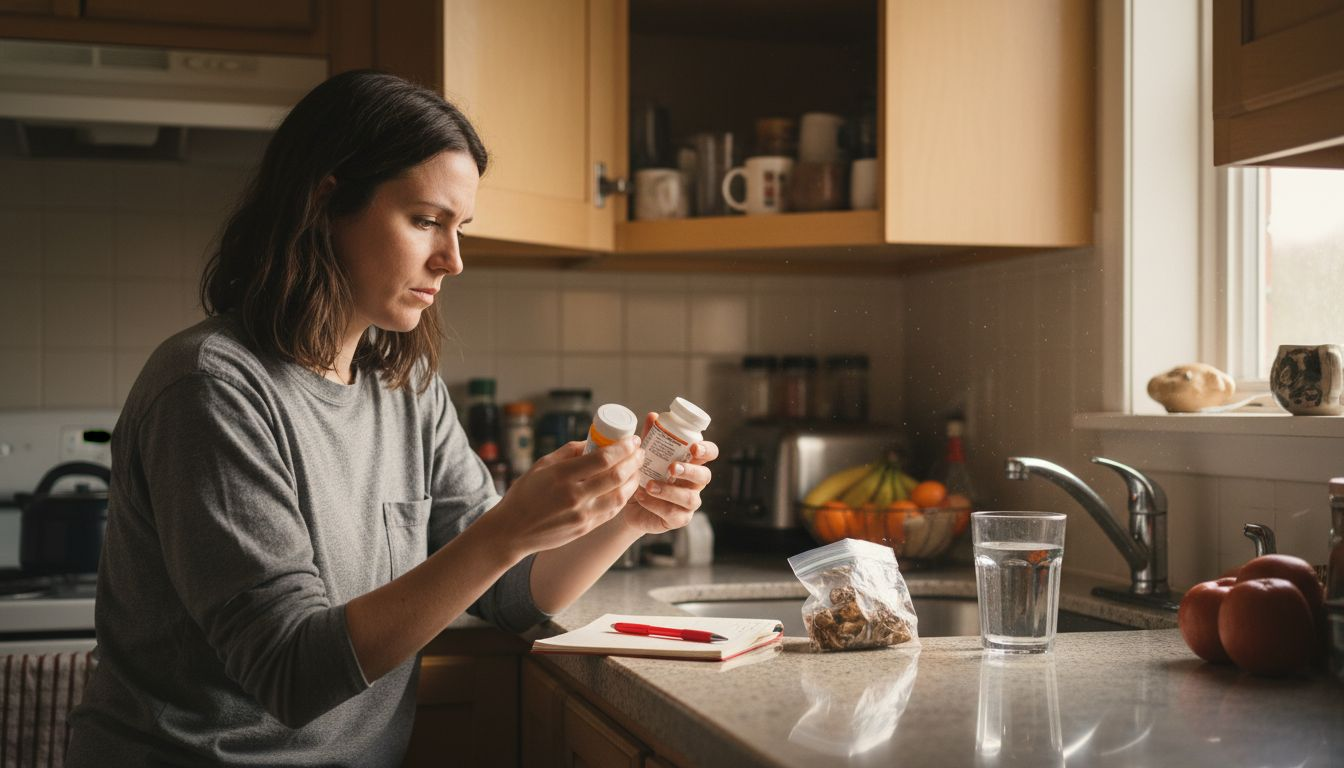
Product selection involves understanding different consumption formats. Options include dried mushrooms, capsules, truffles, and edibles, each offering unique advantages. Capsules provide precise dosing and consistent measurements, making them ideal for beginners seeking controlled microdosing experiences. Psilocybin dosage workflow suggests starting at the lowest recommended dose and gradually adjusting based on individual response and tolerance.
Consider factors like personal sensitivity, mental health history, and wellness goals when determining your microdosing strategy. Maintain a detailed journal to track your experiences, noting cognitive changes, emotional states, and any potential side effects. Consulting with healthcare professionals experienced in psychedelic therapies can provide personalized guidance tailored to your specific needs.
Pro tip: Start with the lowest possible dose and incrementally adjust, prioritizing safety and personal comfort throughout your microdosing journey.
Here’s a quick comparison of common psilocybin product formats and their characteristics:
| Product Format | Dosing Accuracy | Ease of Use | Typical Onset Time |
|---|---|---|---|
| Dried Mushrooms | Variable, harder to measure | Requires manual weighing | 30–60 minutes |
| Capsules | Highly precise | Very convenient | 30–45 minutes |
| Truffles | Moderate, pre-measured | Easy, often chewable | 30–60 minutes |
| Edibles | May vary, depends on preparation | Simple, familiar format | 30–90 minutes |
Step 3: Prepare your set, setting, and intentions
Successful microdosing requires intentional preparation of both your mental landscape and physical environment. Microdosing set and setting emphasizes the critical importance of cultivating a calm, open mindset and creating a supportive space that promotes positive psychological exploration and personal growth.
Mental preparation involves setting clear, meaningful intentions for your microdosing experience. Reflect on your specific goals whether they relate to personal development, creativity, emotional healing, or cognitive enhancement. Choose a comfortable, quiet environment free from potential stressors or unexpected disruptions. This might mean selecting a peaceful room in your home, ensuring you have uninterrupted time, and creating a supportive atmosphere with elements like soft lighting, comfortable seating, and potentially calming music or meditation tools.
Practice mindfulness techniques before and during your microdosing session to help manage expectations and maintain a receptive mental state. Journaling, deep breathing exercises, and brief meditation can help center your thoughts and create a purposeful framework for your experience. Remember that your internal attitude and external environment play significant roles in shaping the potential benefits of microdosing.
Pro tip: Create a dedicated microdosing journal to document your mental state, intentions, and reflective insights before and after each session.
Step 4: Start your first microdosing regimen
Initiating your first microdosing experience requires careful planning and a structured approach. Microdosing psilocybin mushrooms involves establishing a consistent dosing schedule that typically follows an every third day protocol, allowing your body and mind time to integrate and reset between microdoses.
Begin by measuring a precise sub perceptual dose approximately one tenth to one twentieth of a standard recreational dose. This translates to roughly 0.1 to 0.3 grams of dried mushrooms. How to start microdosing suggests maintaining a consistent time of day for consumption and tracking your experiences meticulously. Create a detailed log documenting physical sensations, emotional states, cognitive performance, and any subtle changes in your daily functioning.
Establish a sustainable rhythm that fits your lifestyle while allowing space for personal reflection. Some individuals prefer morning microdosing to support daytime productivity, while others might choose alternative times based on their unique physiological responses. Remain flexible and attentive to your body’s signals, being prepared to adjust your approach based on personal observations and comfort levels.
Pro tip: Start with the lowest recommended dose and gradually adjust, always prioritizing your safety and paying close attention to your body’s unique response.
Step 5: Monitor your experience and adjust safely
Conducting a systematic and thoughtful review of your microdosing journey requires consistent tracking and self awareness. Psilocybin microdosing guide recommends maintaining a detailed journal to document subtle changes in mood, cognitive function, physical sensations, and overall emotional landscape.
Create a structured tracking system that captures quantitative and qualitative data points. This might include rating your daily energy levels, focus, creativity, anxiety, and sleep quality on a consistent scale. Pay special attention to any unexpected physical or psychological responses, understanding that individual reactions can vary significantly. Observe patterns over time rather than drawing conclusions from isolated experiences, and be prepared to modify your dosage or frequency based on your comprehensive observations.
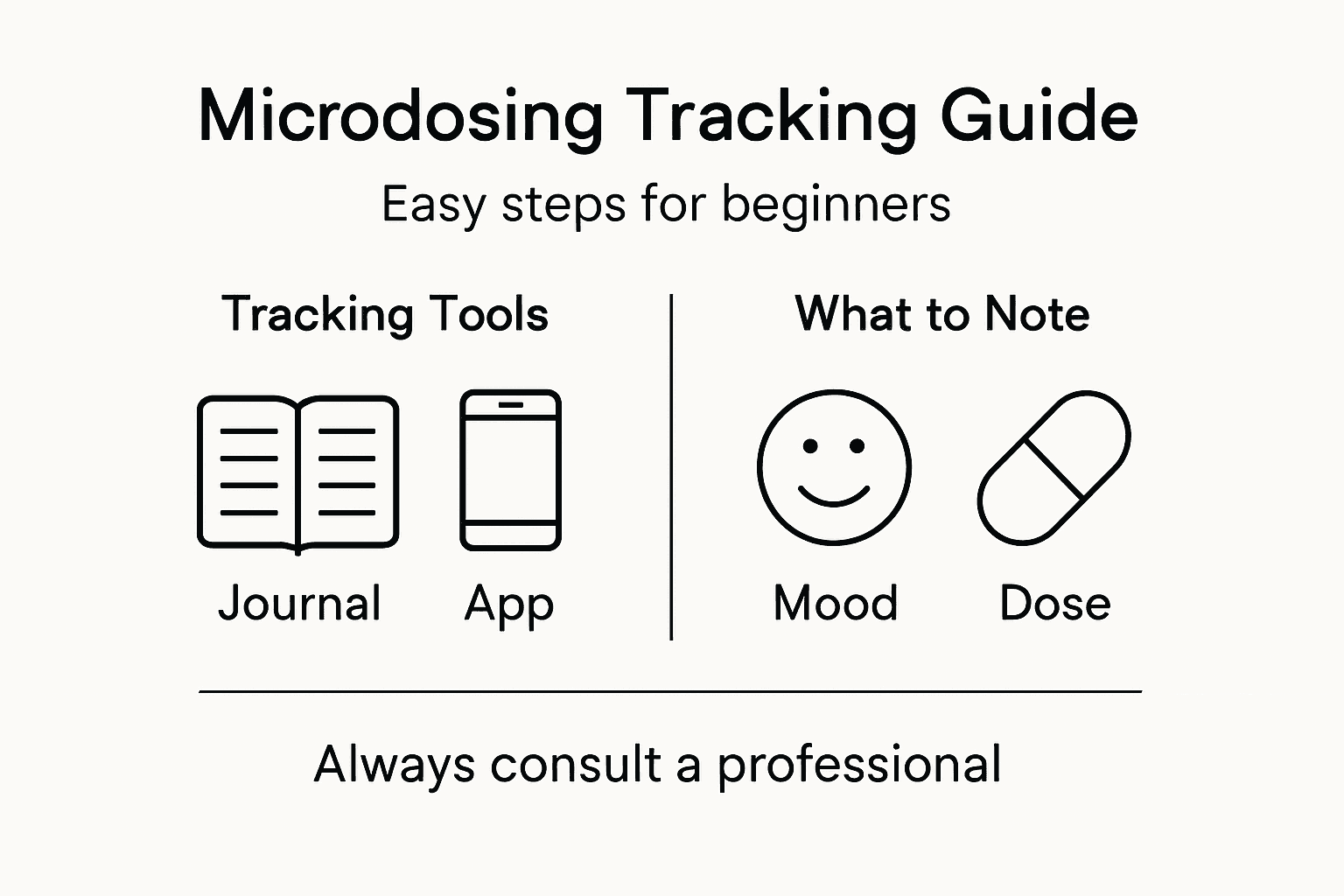
Maintain open communication with healthcare professionals who understand psychedelic therapeutics. If you experience any persistent negative effects or significant mood disruptions, pause your microdosing regimen and seek professional guidance. Regular tolerance breaks are essential to prevent potential biological adaptations and maintain the microdosing protocol’s effectiveness.
Pro tip: Use a standardized tracking template or digital app to ensure consistent and objective documentation of your microdosing experiences.
This table summarizes key elements for effective microdosing preparation and tracking:
| Step | Key Action | Why It’s Important |
|---|---|---|
| Set Clear Intentions | Define personal goals | Guides meaningful experiences |
| Prepare Environment | Create a peaceful space | Minimizes stress and distraction |
| Maintain a Journal | Record mental and physical states | Identifies patterns and side effects |
| Adjust Based on Insights | Modify dose or timing | Optimizes outcomes and safety |
Get Started with Safe Psilocybin Microdosing Today
Navigating the challenges of psilocybin microdosing can feel overwhelming, especially when it comes to understanding proper dosing, legal considerations, and creating the ideal mind-set and environment. This guide highlights key pain points such as finding precise and safe products, setting clear intentions, and maintaining an informed approach. At Fungal Friend, we provide a carefully curated selection of microdose mushroom capsules and related products designed to support your journey with accuracy and ease. Our focus on education and safety aligns perfectly with the insights shared here.
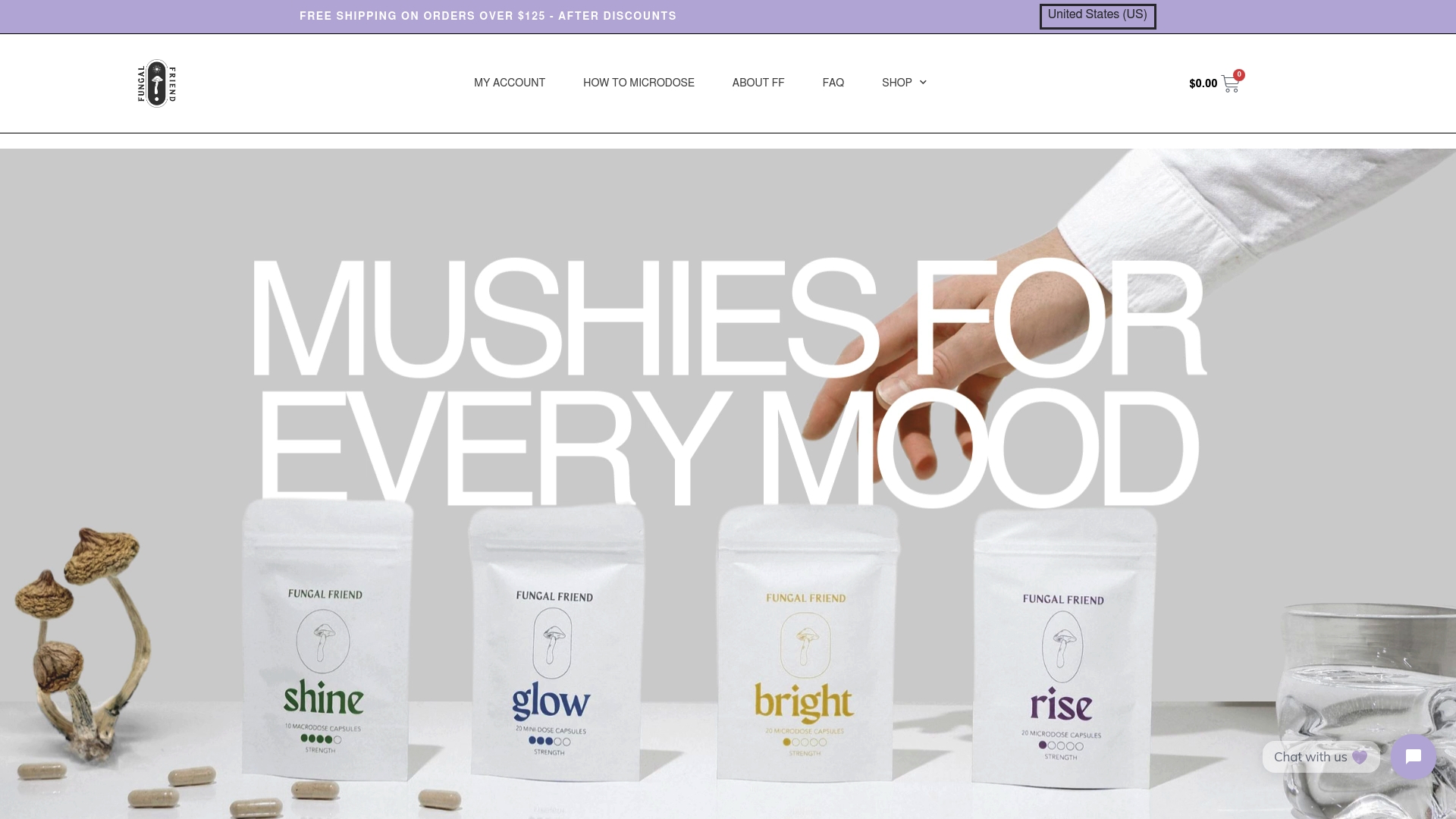
Ready to take the next step for balanced mood and enhanced focus? Explore our range of trusted psilocybin products and access helpful resources at our Uncategorized Archives – Fungal Friend. Begin your microdosing regimen with confidence today by visiting Fungal Friend and discover how natural support can fit seamlessly into your lifestyle.
Frequently Asked Questions
What is psilocybin microdosing?
Psilocybin microdosing involves taking very small doses of psilocybin mushrooms, typically 0.1 to 0.3 grams, to experience subtle cognitive and emotional benefits without intense psychoactive effects. Start by measuring your dose accurately to ensure a safe introduction to microdosing.
How do I choose the right psilocybin product for microdosing?
Selecting the right psilocybin product depends on your comfort and experience level. Consider options such as capsules for precise dosing or dried mushrooms for a more traditional approach; begin with a product you feel most confident using.
What should I do to prepare my environment for a microdosing session?
Prepare a calm and supportive space for microdosing by ensuring it’s free from distractions and stressors. Create an inviting atmosphere with comfortable seating, soft lighting, and calming elements like music or meditation tools to enhance your experience.
How should I monitor my experience during psilocybin microdosing?
Maintain a detailed journal to track your experiences, noting changes in mood, energy levels, and cognitive function. Review your entries regularly to identify patterns and adjust your dosing as needed for optimal results over time.
How often should I microdose psilocybin?
A common microdosing schedule involves taking doses every third day to allow your body to integrate the effects. For example, if you start on a Monday, you would microdose again on Thursday, giving yourself time to reflect on your experiences in between.
What should I do if I experience negative effects while microdosing?
If you encounter persistent negative effects or mood disruptions, pause your microdosing regimen and re-evaluate your approach. Seek professional guidance if necessary, and consider adjusting your dose or frequency to ensure safety and well-being.