
Factors Influencing Psilocybin Effects – What Shapes Your Experience
Most people lump psilocybin together with recreational drugs, missing its true potential. Recent research reveals psilocybin is far less addictive than many American prescription medications and offers unique mental health benefits. For Canadian adults searching for a way to safely enhance mood or productivity, understanding the science and common misconceptions behind psilocybin is key. This article sheds light on why responsible use matters and what makes these products a promising option for self-improvement.
Table of Contents
- Psilocybin Basics And Common Misconceptions
- Types Of Psilocybin Mushrooms And Product Variations
- How Dosage And Mushroom Strain Affect Outcomes
- Role Of Individual Biology And Mental State
- Impact Of Set, Setting, And Environment
- Risks, Safety Protocols, And Legal Status In Canada
Key Takeaways
| Point | Details |
|---|---|
| Understanding Psilocybin’s Potential | Psilocybin is a psychoactive compound with significant therapeutic potential, particularly for mental health conditions like depression and anxiety. |
| Role of Dosage and Strain | The effects of psilocybin vary significantly with dosage and mushroom strain, influencing the intensity of the psychedelic experience. |
| Importance of Set and Setting | An individual’s mental state and the physical environment play crucial roles in shaping the outcomes of psilocybin experiences. |
| Legal and Safety Considerations | Psilocybin is a controlled substance in Canada, requiring adherence to regulatory guidelines and professional oversight for therapeutic use. |
Psilocybin Basics and Common Misconceptions
Psilocybin represents a complex psychoactive compound found in certain mushroom species, primarily impacting human neurological functioning through serotonin receptor interactions. Understanding its fundamental mechanisms requires examining both scientific research and prevalent cultural perceptions about psychedelic substances.
Contrary to widespread misconceptions, psilocybin is not simply a recreational drug but a compound with significant therapeutic potential. Neuroscientific research demonstrates its capacity to modulate brain connectivity, potentially offering treatment pathways for conditions like depression, anxiety, and addiction. Researchers have discovered that psilocybin can temporarily disrupt default neural networks, allowing for novel cognitive connections and potentially rewiring entrenched psychological patterns.
Common myths surrounding psilocybin often stem from historical stigmatization and limited scientific understanding. Many individuals incorrectly believe that psilocybin is inherently dangerous or addictive. However, clinical studies consistently show low physiological addiction potential and minimal long-term negative health consequences when used responsibly. The compound’s interactions with serotonin receptors suggest complex neurological effects that differ substantially from traditional stimulant or narcotic substances.
Pro tip: Always approach psilocybin with respect, thorough research, and preferably under professional guidance to ensure a safe and potentially transformative experience.
Types of Psilocybin Mushrooms and Product Variations
Psilocybin mushrooms represent a diverse ecosystem of fungal species, each with unique chemical compositions and potential therapeutic applications. Comprehensive research on mushroom diversity reveals remarkable variations in alkaloid profiles that significantly influence individual psychedelic experiences.
Within the Psilocybe genus, several prominent species stand out for their distinct characteristics. The Psilocybe cubensis, perhaps the most widely recognized strain, offers relatively consistent potency and is commonly cultivated. Other notable variations include Psilocybe azurescens, known for higher psilocybin concentrations, and Psilocybe semilanceata (commonly called liberty caps), which thrive in cooler European climates and possess unique metabolite distributions.
Modern product variations extend beyond traditional dried mushrooms, encompassing carefully formulated capsules, tinctures, and edible preparations. These refined products enable more precise dosage control and minimize potential digestive discomfort associated with consuming raw fungal material. Manufacturers increasingly focus on standardizing alkaloid content, creating options tailored for microdosing, therapeutic exploration, and personal wellness objectives.
Here’s a summary of common psilocybin mushroom species and their unique characteristics:
| Mushroom Species | Typical Potency | Natural Habitat | Notable Features |
|---|---|---|---|
| Psilocybe cubensis | Moderate | Subtropical, manure-rich | Widely cultivated, reliable |
| Psilocybe azurescens | Very high | Coastal, sandy soils | High psilocybin content |
| Psilocybe semilanceata | Variable | Temperate grasslands | Also called “liberty caps” |
| Penis Envy | Extremely high | Cultivated environments | Potent effects, dense caps |
| Blue Meanies | High | Tropical or subtropical | Strong, vivid visual effects |
Pro tip: Always verify the specific strain and alkaloid profile of your chosen psilocybin product to ensure a predictable and intentional psychedelic experience.
How Dosage and Mushroom Strain Affect Outcomes
Understanding the intricate relationship between psilocybin dosage and mushroom strain is crucial for predicting psychedelic experiences. Detailed comparative analysis reveals that alkaloid concentrations can vary dramatically between different Psilocybe cubensis strains, creating substantially different psychological and physiological outcomes.
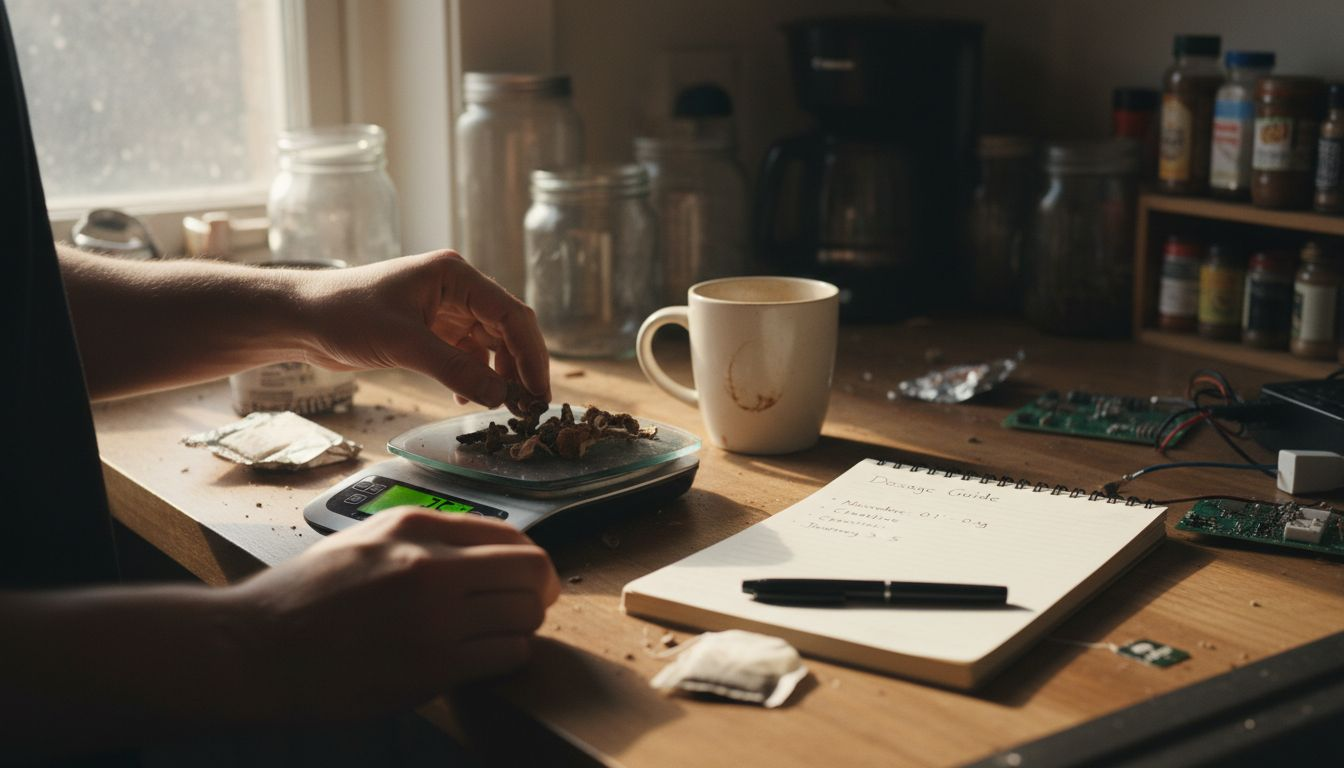
Dosage represents a critical factor in determining the intensity and nature of a psilocybin experience. Microdoses typically range from 0.1 to 0.5 grams, producing subtle cognitive enhancements without significant perceptual changes. Moderate doses between 1-2.5 grams can induce mild to moderate psychedelic experiences, while higher doses exceeding 3 grams may trigger profound alterations in consciousness, perception, and emotional processing.
Genetic variations among mushroom strains contribute additional complexity to potential effects. Some strains, like Penis Envy and Blue Meanies, are known for significantly higher psilocybin concentrations, meaning smaller quantities can produce more intense experiences compared to more common cultivated varieties. Environmental factors during mushroom growth, including substrate composition, humidity, and temperature, further influence alkaloid content and overall potency.
Pro tip: Start with the lowest recommended dose for any new mushroom strain and carefully document your experience to understand your individual sensitivity and response.
Role of Individual Biology and Mental State
Psilocybin experiences are profoundly influenced by an individual’s unique neurobiological makeup and psychological landscape. Comprehensive neuropsychological research reveals that personal biological traits and emotional states can dramatically shape the trajectory and intensity of psychedelic experiences.
Genetic variations play a crucial role in how individuals metabolize and respond to psilocybin. Differences in serotonin receptor configurations, neurochemical sensitivity, and metabolic pathways mean that two people consuming identical doses can experience markedly different psychological and physiological outcomes. Neuroimaging studies tracking brain network disruption demonstrate that preexisting neural connectivity patterns significantly influence how an individual’s brain processes and integrates psychedelic experiences.
Mental state prior to consumption represents another critical determinant of psychedelic outcomes. Individuals experiencing underlying anxiety, depression, or unresolved emotional trauma may encounter more intense introspective experiences. Conversely, those with stable mental health and positive emotional dispositions typically report more constructive and transformative journeys. Factors such as current stress levels, recent life experiences, and overall psychological resilience can profoundly modulate the depth and character of the psilocybin experience.
The following table compares key factors that influence individual psilocybin experiences:
| Factor | Examples | Influence on Outcome |
|---|---|---|
| Genetics | Serotonin receptor types | Alters sensitivity and response |
| Mental State | Mood, recent stress | Shapes intensity and direction |
| Dosage | Micro, moderate, high | Determines strength of effects |
| Environmental Setting | Music, lighting, location | Modifies emotional and sensory tone |
Pro tip: Conduct a thorough personal psychological assessment and consult with a mental health professional before exploring psilocybin to understand your individual neurobiological predispositions.
Impact of Set, Setting, and Environment
The psychological and physical context surrounding a psilocybin experience profoundly influences its outcome and therapeutic potential. Comprehensive qualitative research demonstrates that an individual’s internal psychological state and external environmental conditions are critical determinants of the overall psychedelic journey.
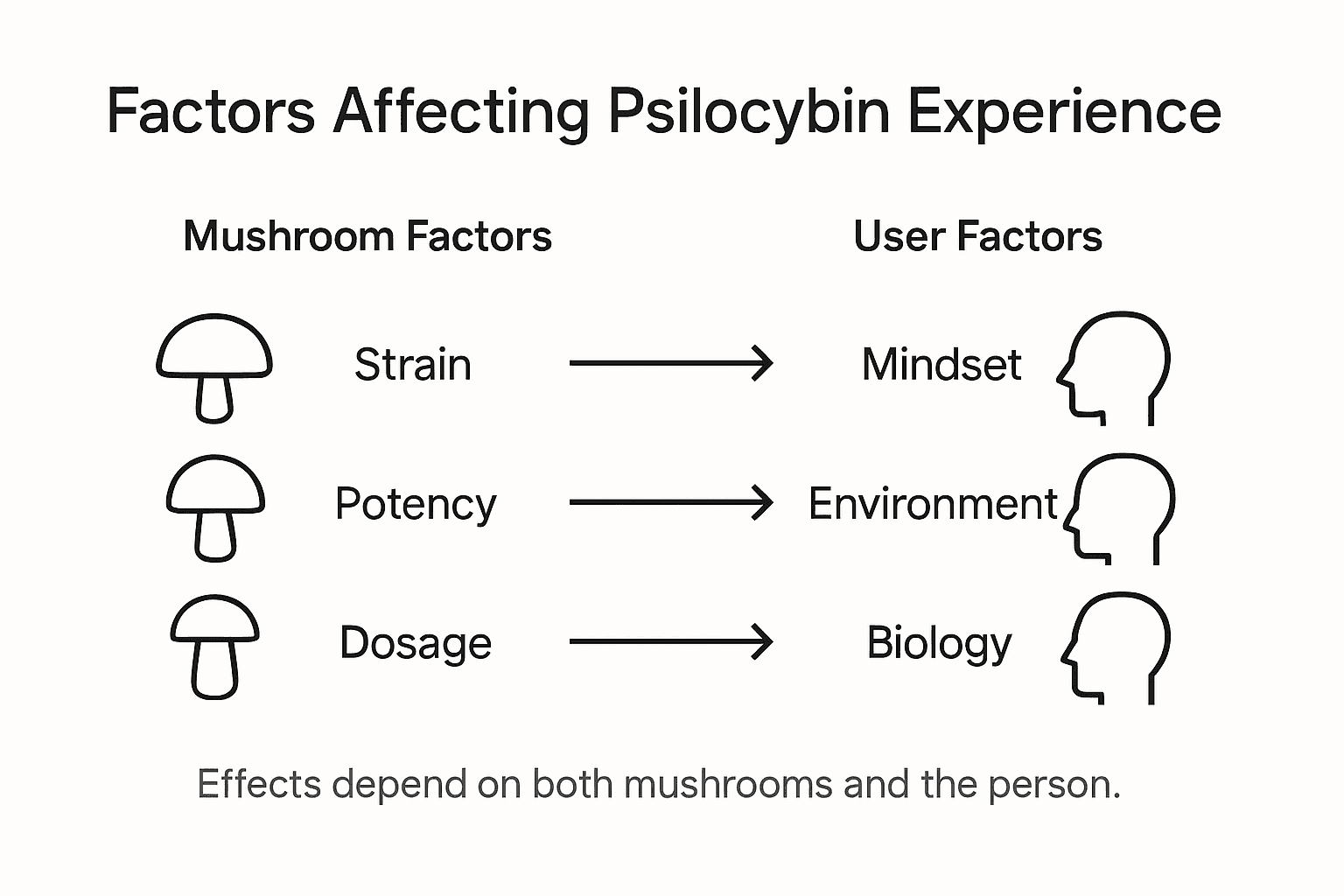
The concept of set encompasses an individual’s mental and emotional preparedness before the experience. This includes current psychological state, expectations, intentions, past traumas, and emotional resilience. Individuals entering a psilocybin session with clear therapeutic goals, managed anxiety, and a receptive mindset are more likely to have positive, transformative experiences. Scientific reviews of psychedelic protocols consistently emphasize the importance of comprehensive psychological preparation and emotional readiness.
The setting represents the physical and social environment in which the psilocybin experience occurs. Optimal settings are characterized by safety, comfort, minimal external distractions, and the presence of a supportive, experienced guide. Factors such as lighting, music, seating arrangements, and overall spatial design can significantly modulate emotional responses and perceptual experiences. Clinical research suggests that carefully curated environments can help minimize potential anxiety, reduce the likelihood of challenging psychological experiences, and create conditions conducive to introspection and healing.
Pro tip: Design your psilocybin experience environment intentionally, prioritizing comfort, safety, and minimal external stimulation to support a constructive psychological journey.
Risks, Safety Protocols, and Legal Status in Canada
Psilocybin occupies a complex legal and regulatory landscape in Canada, with nuanced distinctions between recreational use, therapeutic applications, and clinical research. Official Health Canada guidance provides critical insights into the current regulatory framework, emphasizing strict controls and potential medical exceptions.
From a legal perspective, psilocybin remains a controlled substance in Canada, with significant restrictions on possession, distribution, and use. However, the Canadian legal system has created pathways for therapeutic and research applications through special exemptions and clinical trial protocols. Individuals seeking psilocybin for medical purposes can potentially access the compound through approved medical programs, research studies, or compassionate access frameworks, though these routes require extensive medical documentation and professional oversight.
Risk management represents a crucial consideration for anyone exploring psilocybin. Potential adverse effects include temporary psychological distress, altered perception, and potential exacerbation of underlying mental health conditions. Individuals with personal or family histories of psychotic disorders, bipolar disorder, or schizophrenia face increased risks and should exercise extreme caution. Comprehensive medical screening, professional guidance, and controlled environments are essential to mitigate potential negative outcomes and ensure a safe, therapeutic experience.
Pro tip: Always consult with a licensed healthcare professional and thoroughly understand your personal medical history before considering any psilocybin-related therapeutic intervention.
Discover the Right Psilocybin Experience Tailored for You
Understanding what shapes your psilocybin journey is the first step toward a safe and meaningful experience. This article highlights key challenges like choosing the right mushroom strain, managing dosage, and considering your individual biology alongside your mental state. These factors are essential to avoid unexpected effects and to unlock the full therapeutic and cognitive benefits of psilocybin.
At Fungal Friend, we address these concerns head-on with our carefully curated range of microdose psilocybin products crafted to support anxiety relief, mood balance, and focus enhancement. Whether you are new to microdosing or exploring deeper psychedelic experiences, our collection offers transparent strain details and dosage guidance ensuring you make informed choices that respect your unique needs.
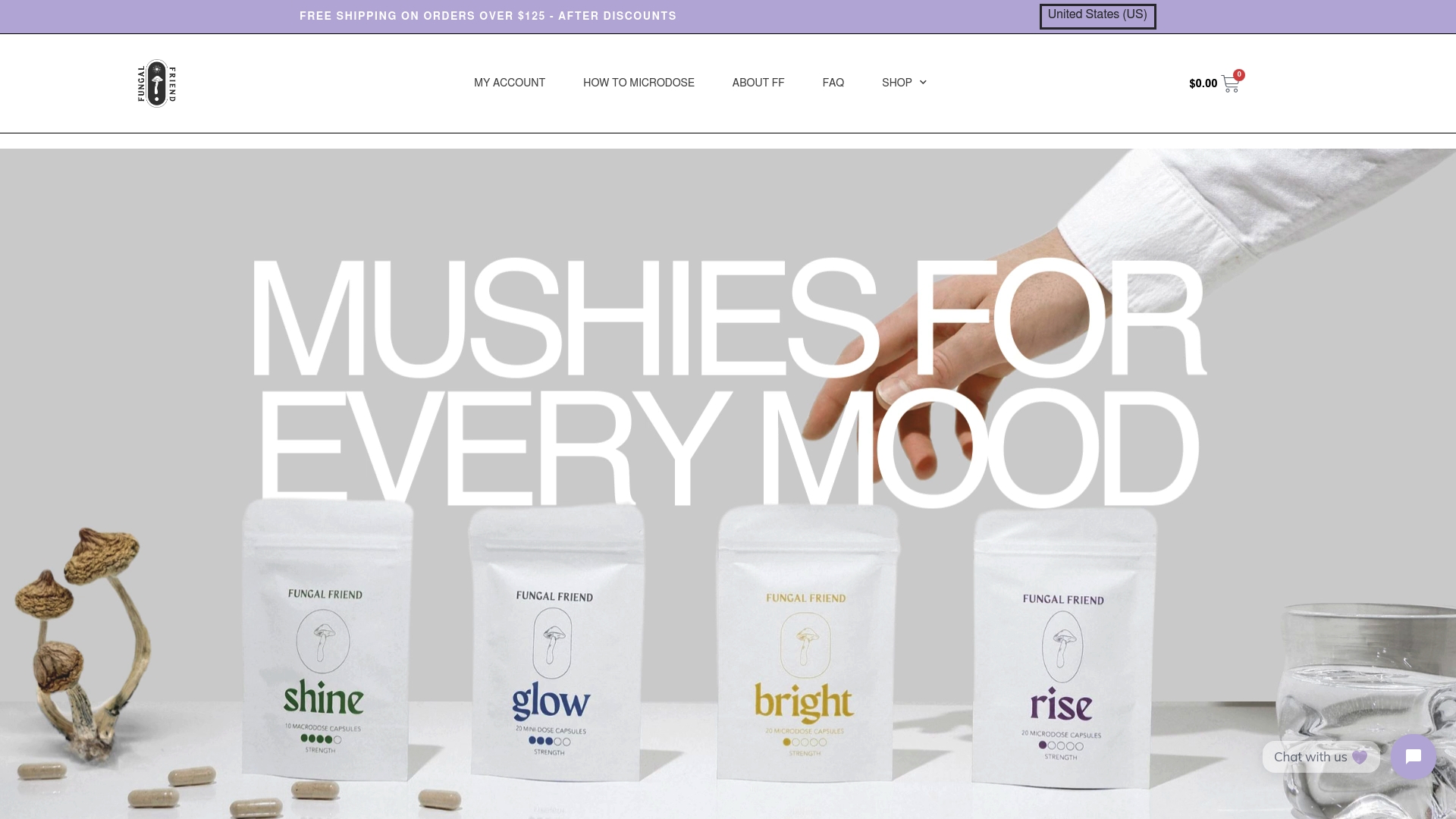
Ready to take control of your psilocybin journey with trusted products and expert advice? Explore our selection today and benefit from discreet Canadian delivery, expert information on microdosing, and ongoing support. Start your path with confidence by visiting Fungal Friend, learn more in our Uncategorized Archives – Fungal Friend or explore our full product range at https://fungalfriend.co. Your personalized psychedelic experience awaits.
Frequently Asked Questions
What factors influence the effects of psilocybin on an individual?
Psilocybin effects are influenced by several factors including dosage, the specific strain of mushroom used, individual genetics, mental state prior to consumption, and the set and setting of the experience. Each of these components can significantly shape the intensity and nature of the psychedelic journey.
How does the dosage of psilocybin mushrooms affect the experience?
The dosage of psilocybin mushrooms plays a crucial role in determining the psychedelic experience. Microdoses (0.1 to 0.5 grams) tend to produce subtle cognitive enhancements, while moderate doses (1-2.5 grams) can lead to mild to moderate psychedelic experiences. Higher doses (exceeding 3 grams) may trigger profound alterations in consciousness and perception.
Why is the strain of psilocybin mushroom important for effects?
Different strains of psilocybin mushrooms have varying alkaloid concentrations, which means they can produce different psychological and physiological outcomes. For example, strains like Penis Envy and Blue Meanies are known for their higher psilocybin content, potentially leading to more intense experiences compared to common varieties like Psilocybe cubensis.
How do set and setting influence a psilocybin experience?
Set refers to an individual’s mental and emotional state before consuming psilocybin, while setting refers to the physical and social environment in which the experience occurs. A positive mental state and a comfortable, safe environment can enhance the likelihood of a constructive and transformative psychedelic journey.