
Science Behind Psilocybin: Complete Guide
Over one million american adults turned to psilocybin mushrooms in the past year, according to recent surveys. Curiosity around this ancient psychedelic has soared, raising questions about how psilocybin actually works in the body and its potential risks or benefits. Whether you’re seeking clarity on its biochemical effects, legal status, or therapeutic promise, understanding the science behind psilocybin can help you make sense of an evolving and sometimes controversial topic.
Table of Contents
- What Is Psilocybin And How It Converts
- Biochemical Mechanism And Brain Effects
- Varieties Of Psilocybin Mushrooms
- Microdosing: Effects And Scientific Evidence
- Long?Term Safety And Legal Considerations
Key Takeaways
| Point | Details |
|---|---|
| Psilocybin’s Conversion | Psilocybin acts as a prodrug that converts to psilocin, its active form, through metabolic processes, allowing it to affect serotonin receptors in the brain. |
| Neuroplasticity Impact | Psilocin enhances neuroplasticity, enabling greater brain connectivity and potential long-term benefits for mental health conditions like depression and anxiety. |
| Variability of Effects | Individual responses to psilocybin and microdosing can differ significantly based on personal neurobiology and health status, highlighting the need for personalized approaches. |
| Legal and Safety Landscape | The legal status of psilocybin remains complicated, as it is classified as a controlled substance in many areas, impacting its research and therapeutic use despite its promising safety profile. |
What Is Psilocybin And How It Converts
Psilocybin is a fascinating naturally occurring psychedelic compound found exclusively in specific mushroom species, primarily within the Psilocybe genus. This remarkable molecule represents a complex biochemical structure that undergoes significant transformation within the human body. Scientific understanding of psilocybin reveals a nuanced process of metabolic conversion that determines its profound neurological effects.
At its core, psilocybin functions as a prodrug, meaning it requires metabolic conversion to become pharmacologically active. Upon ingestion, the compound is rapidly dephosphorylated by alkaline phosphatase enzymes in the body, transforming into its active metabolite, psilocin. This critical biochemical conversion is what ultimately enables the molecule’s psychoactive properties. The dephosphorylation process occurs quickly, typically within minutes of consumption, allowing psilocin to interact with serotonin receptors in the brain.
The conversion mechanism is both elegant and precise. Alkaline phosphatases – enzymes widely distributed throughout human tissues – remove a phosphate group from psilocybin, generating psilocin. This metabolite then crosses the blood brain barrier, binding primarily to 5-HT2A serotonin receptors. These interactions trigger cascading neurochemical responses responsible for altered perceptual experiences, potential therapeutic effects, and the characteristic psychedelic journey. Psilocybin’s neurological interactions represent a complex interplay between molecular structure and neural receptor dynamics.
Interestingly, the conversion rate and individual metabolic responses can vary. Factors like genetics, overall health, and concurrent medications can influence how efficiently psilocybin transforms into its active form. This variability underscores the importance of understanding personal biochemistry and approaching psychedelic experiences with informed, responsible preparation.
Biochemical Mechanism And Brain Effects
The biochemical mechanism of psilocybin represents a sophisticated neurological interaction that goes far beyond simple receptor binding. Neuroplasticity emerges as a critical concept in understanding how this compound fundamentally transforms brain function. Psilocybin’s neurological interactions reveal a complex process where the active metabolite psilocin dramatically alters neural connectivity and brain activity patterns.
At the molecular level, psilocin primarily targets serotonin 5-HT2A receptors, triggering a cascade of neurochemical responses that reshape brain function. This interaction leads to profound changes in neural communication, temporarily disrupting conventional brain network patterns. The result is a unique state of consciousness characterized by enhanced neural plasticity, increased communication between brain regions that typically do not interact, and a temporary breakdown of standard perceptual filters.
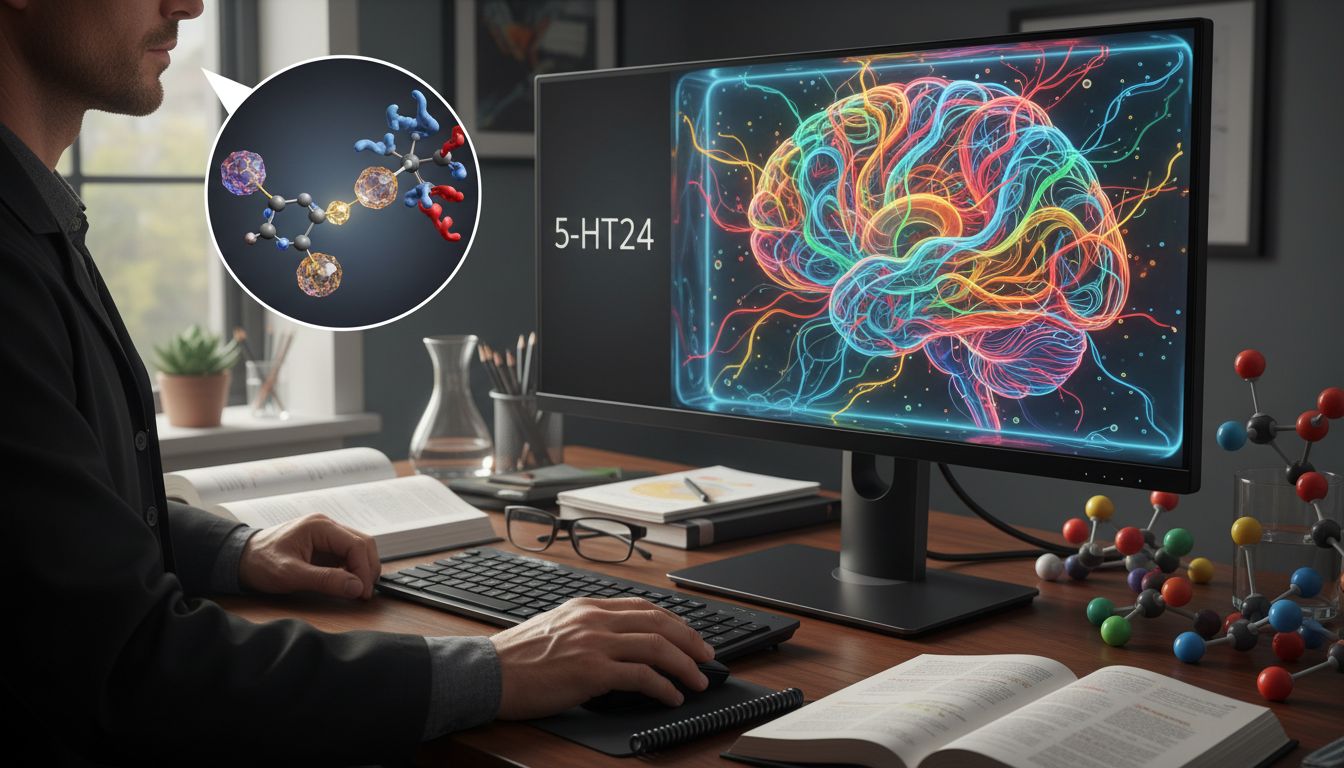
Research indicates that these neurological changes extend beyond immediate psychedelic experiences. The biochemical mechanism of psilocybin suggests potential long-term neurological benefits, including enhanced brain connectivity, reduced default mode network activity, and potential therapeutic applications for conditions like depression, anxiety, and addiction. The compound’s ability to promote neuroplasticity means it can potentially help the brain form new neural pathways, reset entrenched thought patterns, and create novel cognitive connections.
The brain’s response to psilocybin is not uniform across individuals. Factors such as personal neurobiology, mental health history, and genetic predisposition significantly influence how the compound interacts with neural systems. This variability underscores the importance of personalized approaches and professional guidance when exploring psilocybin’s potential therapeutic and consciousness-expanding properties.
Varieties Of Psilocybin Mushrooms
Psilocybin-containing mushrooms represent a fascinating and diverse group of fungi with remarkable biochemical complexity. Mushroom strain differences reveal a fascinating world of genetic variation and psychoactive potential. The Psilocybe genus stands out as the primary source of these remarkable compounds, encompassing over 100 distinct species distributed across diverse global ecosystems.
Perhaps the most renowned species is Psilocybe cubensis, widely recognized for its consistent potency and relatively easy cultivation. This species has become a cornerstone in both scientific research and psychedelic exploration. Other notable varieties include Psilocybe mexicana, historically significant in indigenous ceremonial practices, and Psilocybe azurescens, known for its particularly powerful psychoactive properties. Types of magic mushrooms demonstrate remarkable diversity in chemical composition, geographical distribution, and subjective effects.
Each mushroom variety presents unique characteristics that influence its psychoactive profile. Factors such as growing environment, genetic lineage, and specific substrate conditions can dramatically impact the concentration of psilocybin and related compounds. Some strains exhibit higher levels of psilocin, while others may contain trace amounts of additional alkaloids that contribute to their distinctive psychological effects. This biochemical complexity makes each mushroom strain a unique entity, offering nuanced experiences that extend beyond simple categorization.
The geographical origins of these mushroom species further underscore their ecological and cultural significance. From the cloud forests of Central America to the temperate regions of the Pacific Northwest, psilocybin-containing mushrooms have evolved in diverse ecological niches. Understanding these varieties requires appreciating their intricate biological adaptations, chemical compositions, and the complex interactions between genetic heritage and environmental conditions.
Microdosing: Effects And Scientific Evidence
Microdosing psilocybin represents a nuanced approach to exploring the compound’s potential therapeutic benefits through carefully controlled, sub-perceptual doses. Effects of microdosing reveal a complex landscape of subtle neurological and psychological interactions that challenge traditional understanding of psychedelic substances. Unlike full-dose experiences, microdosing aims to provide incremental cognitive and emotional enhancements without inducing pronounced hallucinogenic states.
Scientific research suggests that microdosing may promote significant neurological adaptations. Preliminary studies indicate potential benefits in cognitive flexibility, mood regulation, and neuroplasticity. Microdose psilocybin effects demonstrate promising results in areas of mental health, with researchers observing subtle yet meaningful changes in participants’ cognitive processing, emotional resilience, and creative problem-solving capabilities.
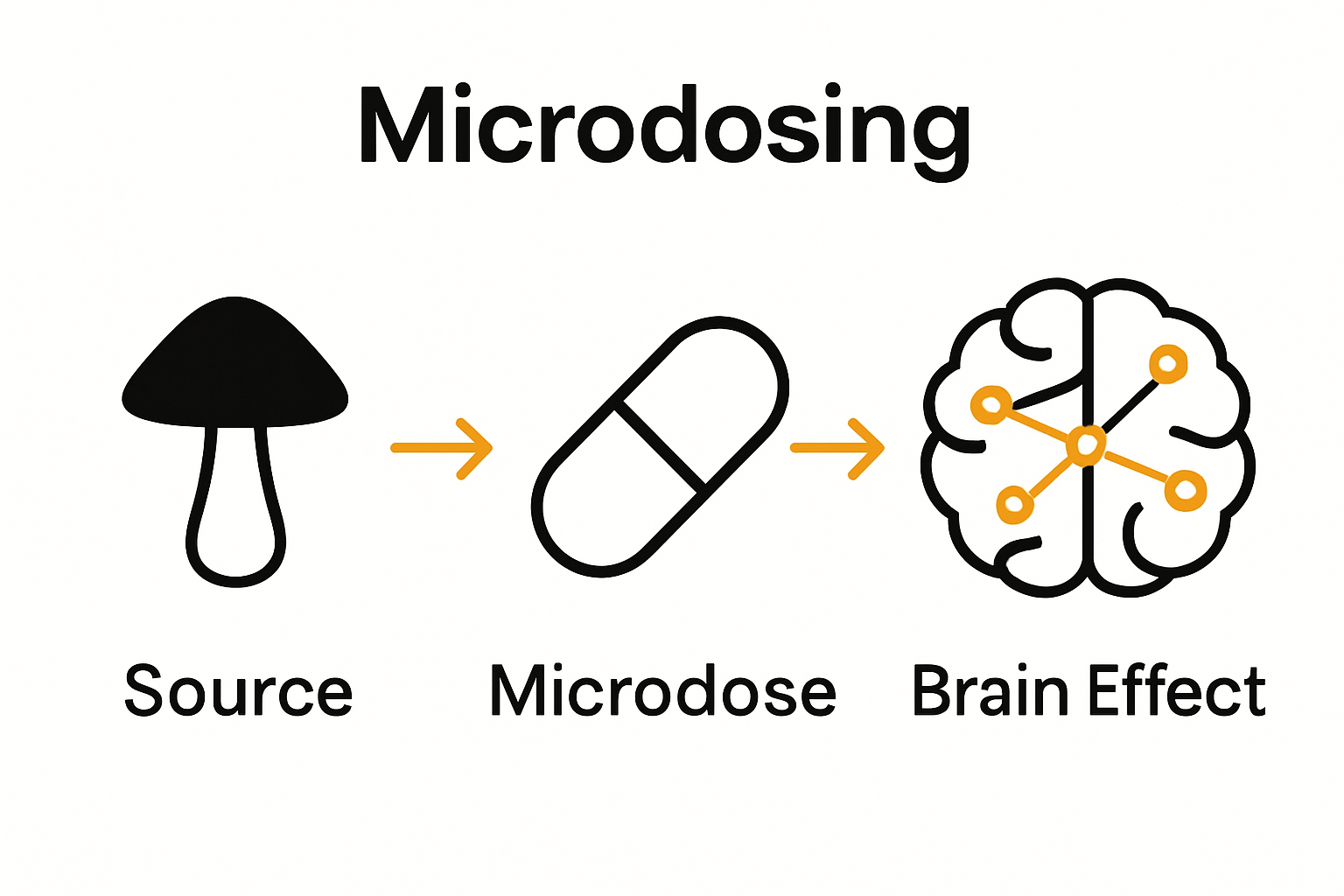
The emerging scientific evidence surrounding microdosing is both exciting and cautious. Researchers acknowledge the potential for cognitive enhancement while simultaneously emphasizing the need for more comprehensive, long-term studies. Current research suggests that microdosing could potentially modulate brain function, potentially reducing symptoms of anxiety and depression, enhancing creative thinking, and improving overall cognitive performance. However, the scientific community remains committed to rigorous investigation to fully understand the mechanism, long-term implications, and potential risks associated with this approach.
Individual responses to microdosing vary significantly, highlighting the importance of personalized approaches and professional guidance. Factors such as individual neurobiology, mental health history, and concurrent medications can dramatically influence the microdosing experience. As research continues to evolve, the potential for psilocybin microdosing to offer alternative approaches to mental health and cognitive enhancement becomes increasingly compelling.
Long?Term Safety And Legal Considerations
The landscape of legal and safety considerations surrounding psilocybin is complex and rapidly evolving. Understanding legal implications reveals a nuanced global perspective where scientific research increasingly challenges traditional regulatory frameworks. While many jurisdictions continue to classify psilocybin as a controlled substance, emerging clinical research has begun to reshape conversations about its potential therapeutic applications and safety profile.
Scientific investigations into long-term safety demonstrate a cautious but promising trajectory. Preliminary research suggests that psilocybin exhibits relatively low toxicity and potential minimal risk of physiological dependency. However, comprehensive long-term studies remain limited, necessitating continued rigorous scientific investigation. The complexity of individual neurological responses means that personal medical history, concurrent medications, and underlying mental health conditions play crucial roles in determining individual safety and potential therapeutic outcomes.
Legal classifications present significant challenges for researchers and potential users. Psilocybin remains classified as a Schedule I substance in many jurisdictions, indicating regulatory bodies currently perceive it as having high abuse potential and no accepted medical application. This classification creates substantial barriers to research and therapeutic implementation, despite growing scientific evidence suggesting potential medical benefits for conditions like depression, anxiety, and addiction.
Navigating the current landscape requires an informed, cautious approach. Individual users must carefully consider personal health contexts, legal restrictions, and potential psychological risks. While promising research continues to emerge, responsible exploration demands comprehensive understanding, professional medical guidance, and strict adherence to local legal frameworks. The ongoing dialogue between scientific research, medical practitioners, and regulatory bodies continues to reshape our understanding of psilocybin’s potential therapeutic applications and associated safety considerations.
Unlock the Benefits of Psilocybin with Trusted Solutions
Understanding the science behind psilocybin uncovers the challenges many face in finding safe, effective ways to experience its therapeutic and cognitive benefits. Whether you are interested in microdosing for mood balance, enhancing focus, or exploring deeper psychedelic states, knowing the precise effects, conversion mechanisms, and strain differences is essential to a confident, responsible journey. This article highlights the importance of personalized biochemistry and informed preparation to maximize psilocybin’s potential safely.
Explore our carefully curated collection at Fungal Friend, where education meets quality and convenience. From carefully blended mushroom capsules to infused teas and chocolates, each product supports natural anxiety reduction, brain health, and enhanced mental clarity. Learn more about different strains and their unique impacts in our Uncategorized Archives – Fungal Friend section and discover how to integrate microdosing safely into your routine.
Start your transformative experience today with confidence and knowledge at Fungal Friend. Take advantage of discreet delivery and expert guidance now to unlock the full power of psilocybin designed around your personal wellness goals.
Frequently Asked Questions
What is psilocybin and how does it work in the body?
Psilocybin is a naturally occurring psychedelic compound found in certain mushroom species. It functions as a prodrug, requiring metabolic conversion in the body to become active. Upon ingestion, it’s converted to psilocin, which then interacts with serotonin receptors in the brain, leading to its psychoactive effects.
How does psilocybin affect brain function?
Psilocybin alters brain function by targeting serotonin 5-HT2A receptors, influencing neural communication and connectivity. This can lead to a temporary breakdown of conventional brain network patterns, promoting neuroplasticity and potential therapeutic benefits for mental health conditions.
What are the different types of psilocybin mushrooms?
Psilocybin mushrooms belong to the Psilocybe genus, with over 100 known species. Notable varieties include Psilocybe cubensis, which is easy to cultivate; Psilocybe mexicana, historically important in indigenous ceremonies; and Psilocybe azurescens, known for its powerful effects. Each strain offers a unique psychoactive profile due to variations in chemical composition.
What is microdosing and what are its potential benefits?
Microdosing involves taking sub-perceptual doses of psilocybin to gain therapeutic benefits without experiencing full-blown psychedelic effects. Research suggests it may enhance cognitive flexibility, mood regulation, and neuroplasticity while potentially reducing symptoms of anxiety and depression.