
How to Identify Mushroom Potency Naturally: Step-by-Step Guide
Most American mushroom enthusiasts do not realize that improper sampling is one of the top reasons for inaccurate potency assessment. Understanding how to correctly gather, inspect, and document specimens is crucial for safety and effective use. This guide breaks down every step you need to take, from proper field collection to expert verification, so you can assess mushroom potency with confidence and avoid common mistakes.
Table of Contents
- Step 1: Gather Trusted Mushroom Samples For Assessment
- Step 2: Inspect Physical Traits Linked To Potency
- Step 3: Research Mushroom Strains And Their Typical Effects
- Step 4: Test Potency With Simple Home Techniques
- Step 5: Verify Results For Safe Microdosing Or Consumption
Quick Summary
| Key Point | Explanation |
|---|---|
| 1. Collect Reliable Mushroom Samples | Use proper techniques to gather intact specimens representing the full structure for accurate assessments. Document environmental details during collection. |
| 2. Inspect Physical Characteristics | Examine traits like cap shape, color, and bruising reactions to evaluate psilocybin content effectively. Systematic observation aids identification. |
| 3. Research Strain Effects | Understand different psilocybin-containing mushrooms’ unique effects on individuals. Use reputable sources to gather information for accurate assessments. |
| 4. Perform Potency Tests at Home | Conduct simple home techniques like spore printing for initial assessment but consult experts for precise analysis. Systematic documentation is essential. |
| 5. Verify for Safe Consumption | Cross-reference observations with scientific guidelines before microdosing. Document your physical and psychological responses for safety. |
Step 1: Gather Trusted Mushroom Samples for Assessment
Identifying mushroom potency starts with collecting reliable and intact specimens that provide comprehensive insights into their characteristics. The goal is to gather samples that represent the mushroom’s full structure, allowing for accurate visual and morphological assessment.
Begin by selecting high-quality mushroom specimens using proper collection techniques from the Montana State University Schutter Diagnostic Laboratory guidelines. Use a sharp pocket knife to carefully extract the entire mushroom, including its base and surrounding substrate. Collect multiple samples at various developmental stages to ensure a comprehensive understanding of the mushroom’s growth cycle. Critically, document key environmental details such as collection date, precise location, substrate type, and nearby vegetation that might influence the mushroom’s development.
When collecting samples, wear clean gloves and handle specimens gently to prevent damage or contamination. Follow mushroom safety guidelines to protect yourself and maintain sample integrity. Store collected specimens in breathable paper bags or wax paper, avoiding plastic containers that can trap moisture and accelerate decomposition. Quick processing is essential recognize that mushroom specimens degrade rapidly, so prepare your samples for assessment as soon as possible after collection.
Pro tip: Create spore prints using white paper to aid in identification. Place the mushroom cap gill side down, cover it to prevent moisture loss, and allow spores to deposit over several hours. This technique provides additional diagnostic information about the mushroom’s characteristics and can help verify its potential potency.
Step 2: Inspect Physical Traits Linked to Potency
Understanding mushroom potency requires a careful examination of physical characteristics that provide critical insights into potential psilocybin content. Your goal is to develop a systematic approach for visually assessing key morphological features that might indicate the mushroom species and its psychoactive potential.
Psilocybin-containing mushrooms often share distinctive physical traits that can help you evaluate their characteristics. For instance, Psilocybe cubensis species showcase a unique developmental progression where the cap transitions from a conic to convex shape when young, eventually becoming broadly convex or plane as it matures. Pay close attention to the stipe color and structure white hollow stems are a common feature. A critical diagnostic indicator is the mushroom’s bluing reaction when bruised or handled all parts of the mushroom that turn blue suggest the presence of psilocybin compounds.
Carefully examine the cap texture, color variations, and overall morphology. Some Psilocybe species like P. cyanescens display hygrophanous caps that change color depending on moisture levels transitioning from rich caramel or chestnut brown when moist to pale buff when dried. The cap’s edge can also provide valuable information mature specimens might develop distinctly wavy or undulating margins. While physical traits can offer clues about potency, remember that definitive identification requires comprehensive analysis and expert consultation.
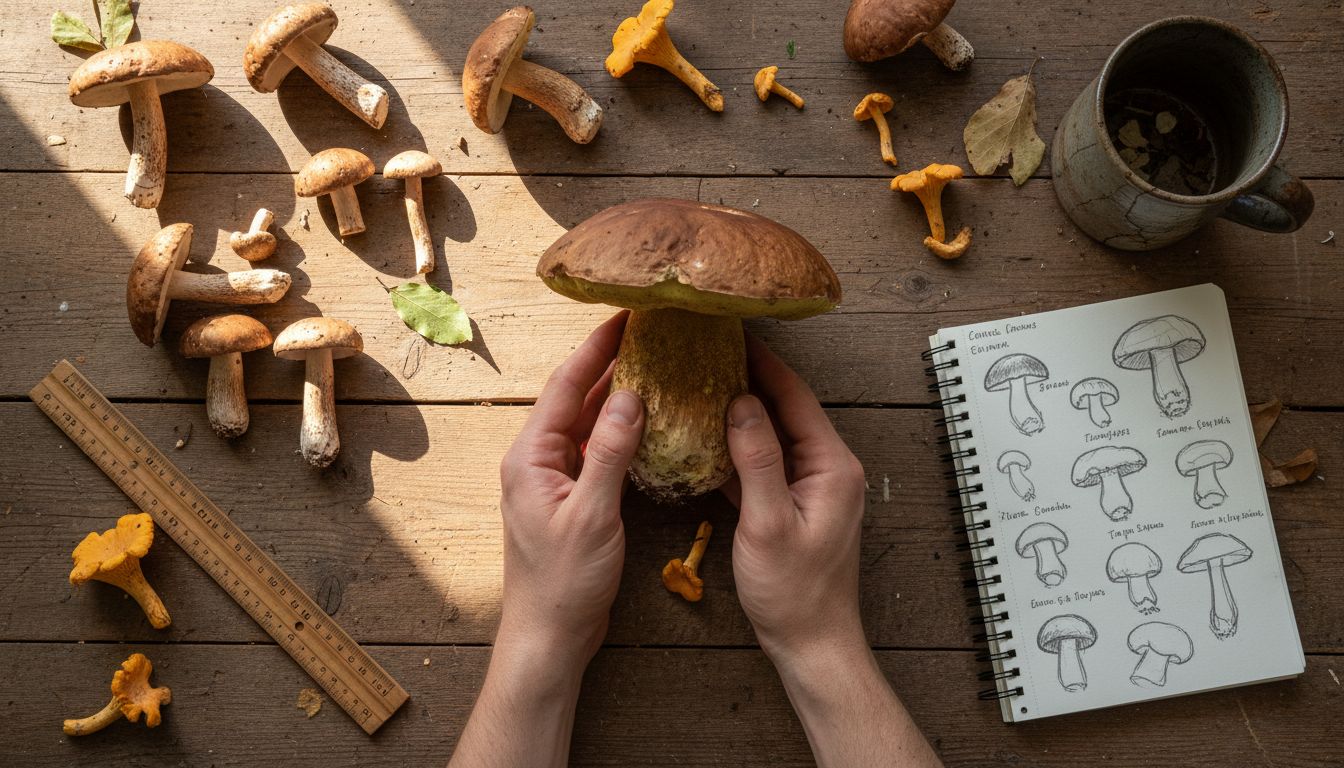
Pro tip: Always document your observations systematically. Take clear photographs from multiple angles, measure key features like cap diameter and stipe length, and note environmental conditions. These detailed records will prove invaluable during subsequent identification and potency assessment stages.
Step 3: Research Mushroom Strains and Their Typical Effects
Understanding the nuanced characteristics of different mushroom strains is crucial for accurately assessing their potential potency and effects. Your objective is to develop a comprehensive understanding of how various psilocybin-containing mushrooms interact with the human body and mind.
Different mushroom strains exhibit unique properties that dramatically influence their psychological and physiological impacts. Psilocybe cubensis, a well-known psychoactive species, demonstrates how consumption can lead to altered perception, mood changes, and potential hallucinations. The intensity of these effects varies significantly based on individual sensitivity and precise dosage. Research in CNS Spectrums highlights that physical responses can include side effects such as headaches, nausea, and dizziness these symptoms are typically dose related and manifest differently across individuals.
When researching strain characteristics, focus on collecting information from reputable scientific sources, academic publications, and verified mycological databases. Look for detailed documentation about each strain’s genetic lineage, typical psilocybin concentration, and reported subjective experiences. Pay special attention to factors like average potency levels, duration of effects, and potential variations in psychological responses. Consider creating a comparative chart or spreadsheet to organize your findings systematically.
Pro tip: Always approach strain research with a critical and scientific mindset. Understand that individual experiences can vary widely, and what works for one person may produce entirely different results for another. Prioritize your safety by consulting with experienced professionals and never rely solely on internet research when exploring psychoactive substances.
Step 4: Test Potency with Simple Home Techniques
Identifying mushroom potency requires careful observation and systematic documentation of key physical and chemical indicators. Your goal is to develop preliminary insights into a mushroom’s potential psilocybin content using accessible home techniques that prioritize safety and scientific accuracy.
Mushroom identification techniques can provide valuable initial clues about potency. Following the New York Botanical Garden’s guidance, creating detailed spore prints offers an excellent starting point for understanding mushroom characteristics. This method involves carefully placing the mushroom cap gill side down on white paper, covering it to prevent moisture loss, and allowing spores to deposit over several hours. While spore prints cannot definitively measure potency, they can help confirm species identification, which is crucial since potency varies significantly across different mushroom varieties.
When conducting home potency assessments, focus on systematic documentation and visual inspection. Collect comprehensive specimen information including environmental context like substrate type, nearby vegetation, and collection conditions. Examine physical traits meticulously note color changes, bruising reactions, and structural characteristics that might indicate psilocybin content. Pay special attention to blue staining reactions, as these can suggest potential psychoactive compounds present in the mushroom.
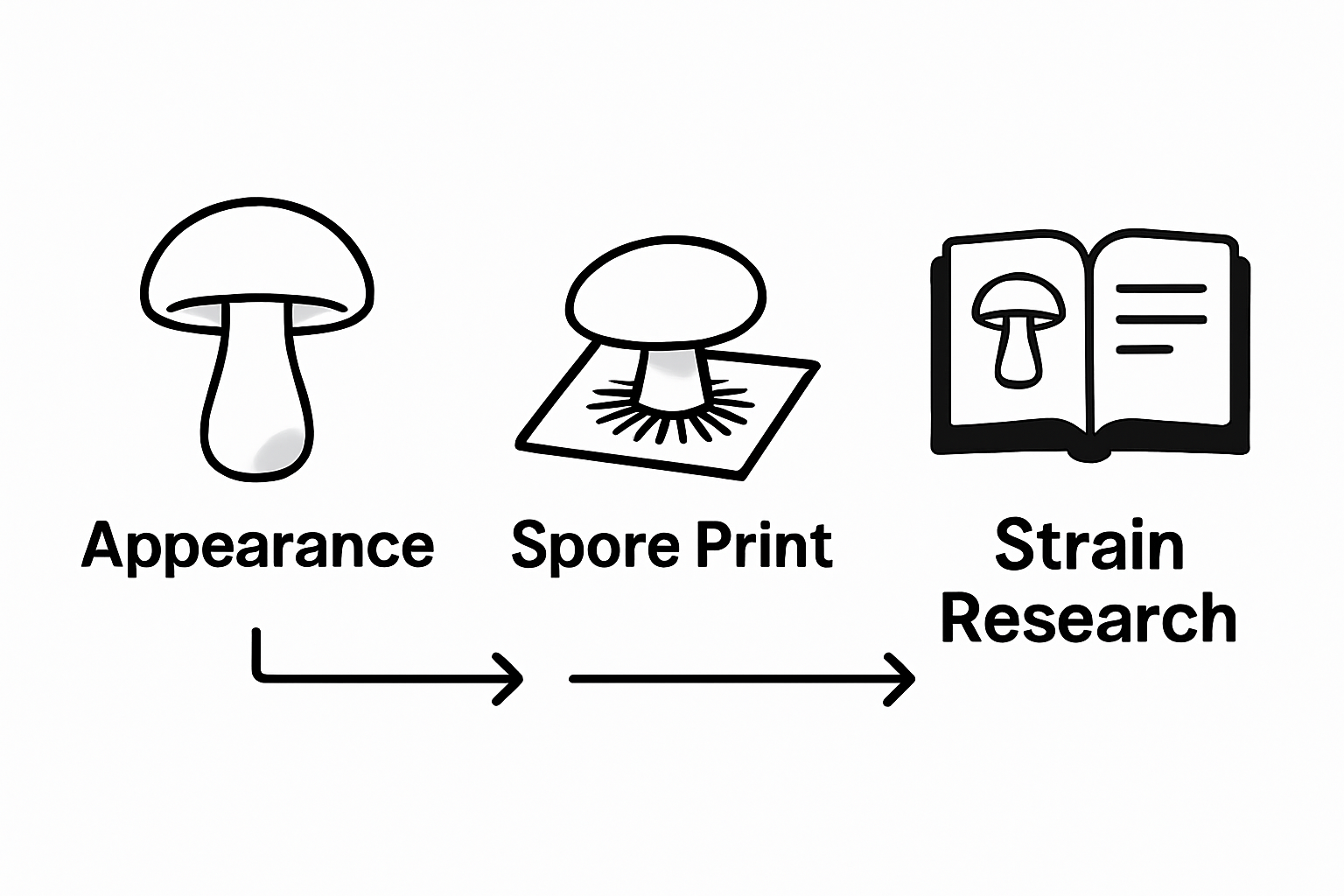
Pro tip: Remember that home testing methods are preliminary and cannot replace professional laboratory analysis. Always prioritize safety by consulting mycological experts and never consume mushrooms without comprehensive professional verification. Precise potency determination requires specialized scientific equipment and trained professional assessment.
Step 5: Verify Results for Safe Microdosing or Consumption
After carefully collecting and assessing mushroom samples, the final crucial step is verifying your findings to ensure safe consumption. Your objective is to conduct a comprehensive review of all collected data and cross reference your observations with established scientific guidelines.
Psilocybe cubensis provides an excellent framework for understanding safe consumption practices. When preparing for microdosing, carefully evaluate individual sensitivity and potential physiological responses. Systematic verification requires comparing your collected specimens against multiple authoritative references, paying special attention to species specific characteristics, potential variations in psilocybin concentration, and individual metabolic differences that could impact psychological and physiological reactions.
Safe microdosing workflows emphasize the importance of gradual introduction and meticulous documentation. Begin with extremely conservative dosages significantly lower than recommended recreational amounts. Maintain a detailed log tracking your physical and psychological responses, including mood, energy levels, cognitive performance, and any potential side effects. Consider consulting with healthcare professionals who have experience in psychedelic research to provide personalized guidance based on your specific health profile.
Pro tip: Always approach microdosing with an abundance of caution. No single verification method guarantees absolute safety. Your personal health history, current medical conditions, and individual neurochemistry play critical roles in determining how you might react to psilocybin compounds. Start slow, stay informed, and prioritize your wellbeing throughout the entire process.
Unlock Confident Identification and Safe Use with Fungal Friend
Identifying mushroom potency naturally is essential yet challenging. This guide highlights the importance of careful assessment, understanding strain differences, and safety verification before microdosing or consumption. Many struggle with accurately recognizing psilocybin indicators like blue bruising or interpreting strain effects, which can lead to uncertainty and risk.
At Fungal Friend, we simplify this complex process by offering a trusted selection of psilocybin products designed for clarity and safety. Whether you are beginning your journey or refining your approach, our carefully curated mushroom capsules, infused teas, and chocolates support correct dosing and effective microdosing strategies. Explore expert insights and reliable product options in our Uncategorized Archives – Fungal Friend to deepen your understanding.
Take control of your psychedelic experience today with guidance you can trust. Visit Fungal Friend to discover safe, natural solutions for potency confidence and mindful consumption. Your path to balanced, informed microdosing starts here.
Frequently Asked Questions
How can I gather trusted mushroom samples for potency assessment?
To gather trusted mushroom samples, use a sharp pocket knife to extract the entire mushroom, including its base. Document essential details like collection date, location, and surrounding vegetation for comprehensive analysis.
What physical traits should I inspect to determine mushroom potency?
Inspect characteristics such as cap shape, stipe color, and bruising reactions. Focus on identifying bluing reactions, as these may indicate the presence of psilocybin compounds.
How do I research different mushroom strains to understand their effects?
Research mushroom strains by collecting information from reputable scientific sources about their characteristics and typical effects on the body and mind. Create a chart to organize findings, including potency levels and potential psychological responses.
What simple home techniques can I use to test mushroom potency?
You can use techniques like creating spore prints to help identify mushroom species, which is a preliminary indication of potency. Document physical traits and check for blue staining reactions during your assessment.
How do I verify my findings before consuming mushrooms?
Verify your findings by cross-referencing your collected data with established scientific guidelines to ensure safety. Maintain a detailed log of any physical and psychological responses during consumption to aid future assessments.
What precautions should I take when microdosing mushrooms?
When microdosing, start with very low doses and gradually increase based on your individual responses. Track your mood, energy levels, and any side effects to understand how psilocybin may affect you personally.