
Trends in Psilocybin Research 2025: Health Impacts
Most Canadians are surprised to learn that recent American studies reveal psilocybin may offer relief for anxiety and support focus far beyond what stereotypes suggest. As legal frameworks shift across Canada and research headlines spread, interest in safe microdosing practices is on the rise. This article unpacks real scientific advances, evolving Canadian laws, and the practical risks and benefits health-conscious adults need to know before considering psilocybin.
Table of Contents
- Defining Psilocybin And Common Misconceptions
- Therapeutic Applications And Dosage Innovations
- Recent Scientific Discoveries And Methods
- Evolving Legal Status In Canada And Globally
- Safety, Quality Control, And Consumer Risks
Key Takeaways
| Point | Details |
|---|---|
| Psilocybin’s Therapeutic Potential | Scientific studies suggest psilocybin may provide effective treatments for mental health issues, challenging traditional views on psychedelics. |
| Innovations in Dosage and Administration | New dosing methods, including deuterated analogs, are being developed to enhance therapeutic outcomes and reduce side effects. |
| Evolving Legal Landscape | Regulatory frameworks for psilocybin are shifting towards recognition of its therapeutic benefits, with some regions decriminalizing personal use. |
| Emphasis on Safety and Quality Control | Best practice guidelines are being established to ensure safe usage, emphasizing the need for supervised consumption and robust quality control measures. |
Defining Psilocybin and Common Misconceptions
Psilocybin is a naturally occurring psychoactive compound found in specific mushroom species, scientifically classified within the Psilocybe genus. Emerging genomic studies reveal that this compound has a fascinating evolutionary history, dating back approximately 65 million years. Unlike common misconceptions, psilocybin is not simply a recreational drug but a complex biochemical with potential therapeutic applications.
The compound primarily interacts with serotonin receptors in the human brain, producing altered perceptual experiences and temporary changes in consciousness. Recent breakthrough research demonstrates significant potential for treating psychiatric conditions like depression and obsessive-compulsive disorder. Contrary to popular belief, single controlled doses have shown remarkable therapeutic impacts, challenging traditional views about psychedelic substances.
Misconceptions about psilocybin often stem from limited understanding and historical stigmatization. Many people incorrectly assume that psilocybin is inherently dangerous or addictive, when scientific evidence suggests controlled usage could offer meaningful mental health interventions. The compound’s complex interactions with neurological systems indicate potential for targeted therapeutic applications, moving beyond recreational stereotypes.
Pro tip: Always consult medical professionals and review current scientific literature before considering any psilocybin-related therapeutic interventions.
Therapeutic Applications and Dosage Innovations
Psilocybin research is experiencing a groundbreaking transformation, with innovative approaches targeting mental health treatment. FDA Breakthrough Therapy Designation highlights the emerging potential of novel psilocybin analogs like CYB003, which promise more predictable and controlled therapeutic experiences. These developments represent a significant shift in understanding how psychedelic compounds can be strategically utilized for mental health interventions.
Clinical trials have demonstrated remarkable long-term outcomes, particularly in treating major depressive disorder. Long-term studies reveal that approximately two-thirds of participants maintain depression remission five years after treatment. Typical protocols involve carefully structured approaches, including two controlled psilocybin doses combined with integrated psychotherapy, suggesting a holistic treatment model that goes beyond traditional pharmaceutical interventions.
Dosage innovations are central to advancing psilocybin’s therapeutic potential. Researchers are developing more precise delivery methods, focusing on deuterated psilocybin analogs that offer shorter duration and more consistent neurological interactions. These developments aim to minimize potential side effects while maximizing therapeutic benefits, potentially revolutionizing treatment strategies for complex mental health conditions like depression, anxiety, and potentially treatment-resistant psychiatric disorders.
Pro tip: Always consult qualified healthcare professionals and participate in professionally supervised clinical settings when exploring potential psilocybin-based therapeutic interventions.
Here’s an overview of leading therapeutic innovations related to psilocybin research:
| Innovation | Description | Clinical Impact |
|---|---|---|
| Deuterated Analog (CYB003) | Modified molecule for precise dosing | Greater consistency in symptom relief |
| Integrated Psychotherapy | Psilocybin paired with professional therapy | Higher rates of sustained remission |
| Structured Dose Protocols | Carefully timed and measured administration | Reduces side effects, enhances safety |
| Long-term Remission Tracking | Monitoring patient progress over years | Validates lasting mental health benefits |
Recent Scientific Discoveries and Methods
Advanced brain imaging techniques are revolutionizing our understanding of psilocybin’s neurological impact, revealing intricate changes in brain connectivity and functional networks. Functional magnetic resonance imaging (fMRI) studies have uncovered remarkable insights into how psilocybin modifies neural communication, specifically targeting serotonin 5-HT2A receptors and causing acute alterations in perception, mood, and cognitive processing.
Neuroplasticity and Brain Network Disruption represent critical areas of emerging research. Brain imaging studies demonstrate that psilocybin profoundly disrupts the default mode network, a brain region associated with self-perception and introspective processes. These neurological modifications correlate directly with the intensity of subjective psychedelic experiences, suggesting complex interactions between neurochemical changes and psychological states.
Researchers are increasingly focusing on longitudinal studies that track neuroplastic changes and potential therapeutic mechanisms. Cutting-edge investigations explore how transient neurological disruptions might facilitate lasting mental health improvements, particularly for treatment-resistant conditions like depression, anxiety, and post-traumatic stress disorder. The emerging scientific consensus suggests that psilocybin’s therapeutic potential extends far beyond traditional pharmaceutical interventions, offering a nuanced approach to understanding mental health treatment.
Pro tip: Consult multidisciplinary medical professionals and review peer-reviewed research when exploring potential neurological implications of psychedelic compounds.
Evolving Legal Status in Canada and Globally
Legal perspectives on psilocybin in Canada represent a complex and dynamic regulatory landscape. Currently, psilocybin remains a controlled substance with nuanced exemptions for medical and scientific purposes. The Federal Court of Appeal has challenged Health Canada’s previous restrictive policies, signaling a potential shift towards more progressive regulatory approaches that recognize the compound’s therapeutic potential.

Canadian provinces are taking increasingly sophisticated approaches to psilocybin regulation. Several cities have decriminalized possession of small amounts, adopting harm reduction strategies that distinguish between criminal prosecution and responsible personal use. The legal framework maintains a careful balance, with production and sale remaining strictly regulated and primarily confined to authorized research and medical access programs.
Globally, the legal status of psilocybin continues to evolve, with increasing recognition of its potential therapeutic applications. Different jurisdictions are developing unique regulatory models that range from complete prohibition to carefully controlled medical research and therapeutic use. These emerging legal frameworks reflect a growing scientific understanding of psilocybin’s potential benefits, moving beyond historical stigmatization towards a more nuanced, evidence-based approach to psychedelic substances.
Pro tip: Always verify current legal regulations with local authorities and consult legal professionals before considering any psilocybin-related activities.
Below is a summary comparing key legal approaches to psilocybin in various regions:
| Region | Legal Status | Medical Access | Enforcement Focus |
|---|---|---|---|
| Canada | Controlled, with exemptions | Authorized for research and therapy | Harm reduction in some cities |
| United States | Mostly prohibited, some research allowed | Strictly regulated clinical trials only | Varies by state, some decriminalization |
| Netherlands | Allowed for specific truffle forms | Licensed facilitators, regulated retreats | Focus on safe, supervised use |
| Australia | Medical use recently approved | Prescription under psychiatrist supervision | Strong regulation of production and sale |
Safety, Quality Control, and Consumer Risks
Best practice guidelines for psilocybin have emerged to address the complex safety landscape surrounding psychedelic substances. Experts have identified 22 critical measures designed to protect consumers and ensure responsible service delivery. These guidelines represent a significant step toward standardizing protocols for psilocybin use, focusing on comprehensive safety monitoring and client protection strategies.
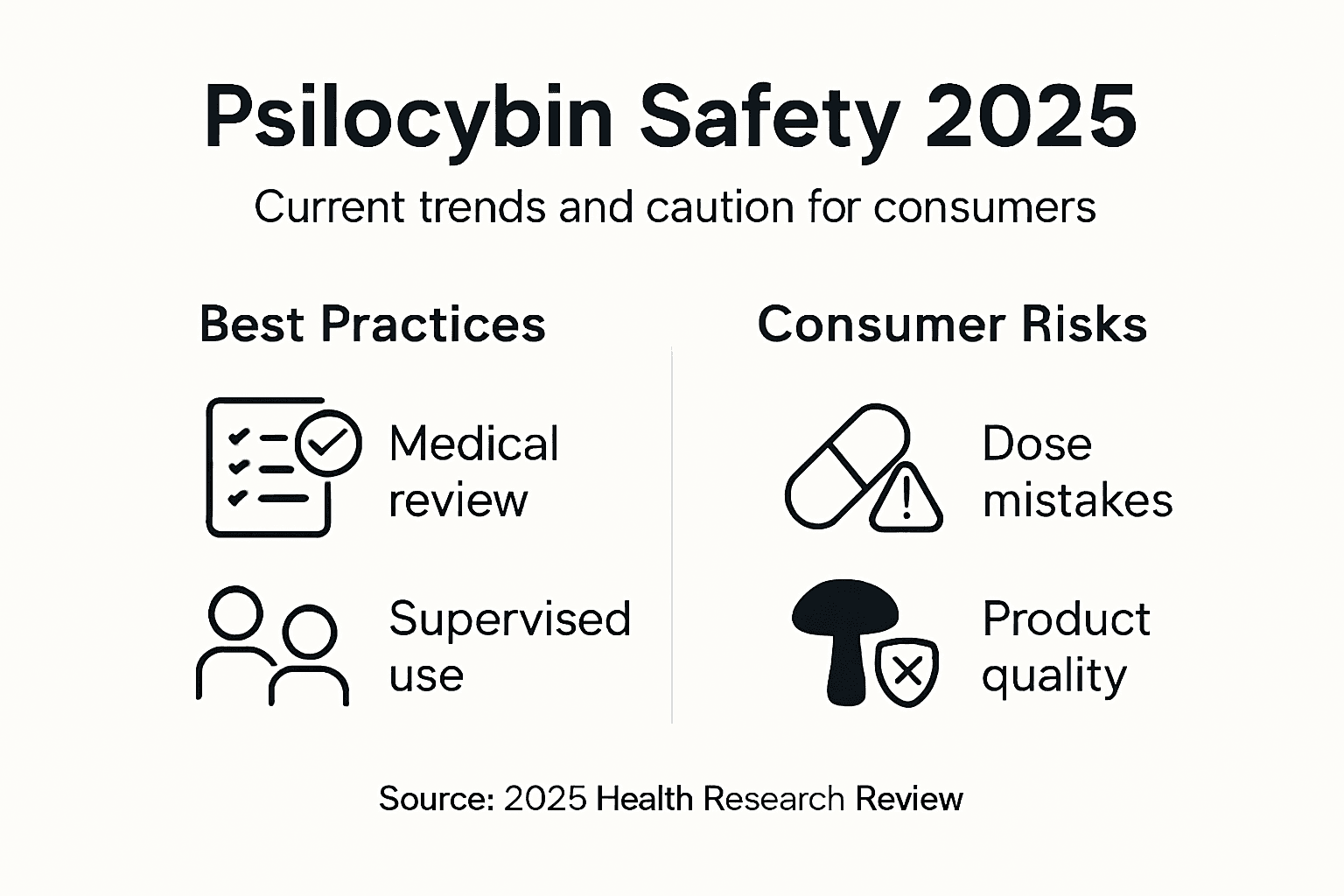
Consumer risks remain a critical concern in the evolving psilocybin landscape. Toxicology reports highlight increasing incidents of adverse psychological effects related to unsupervised or accidental consumption. Potential risks include intense psychological experiences, potential trauma, and complications from inconsistent product potency. Quality control becomes paramount, with standardized testing and precise dosage measurement essential to mitigating potential negative outcomes.
Regulatory frameworks are developing to address these complex safety challenges. Comprehensive approaches now incorporate rigorous screening processes, professional facilitation, and extensive user education. These strategies aim to transform psilocybin from a potentially risky substance into a controlled therapeutic tool, prioritizing individual safety and therapeutic potential. Ongoing research continues to refine understanding of appropriate usage protocols and risk mitigation strategies.
Pro tip: Always seek professional guidance, undergo comprehensive medical screening, and consume psilocybin only in controlled, supervised environments with qualified healthcare professionals.
Discover Safe and Effective Psilocybin Solutions for Mental Wellness
Navigating the evolving world of psilocybin research can feel overwhelming, especially with the latest breakthroughs highlighting its potential for depression and anxiety relief. If you seek natural ways to support your mental health or explore mindful psychedelic experiences backed by emerging science, Fungal Friend offers carefully curated microdose psilocybin products designed for safety and effectiveness. Their selection focuses on clarity, mood balance, and therapeutic intention to help you confidently integrate psilocybin into your wellness routine.
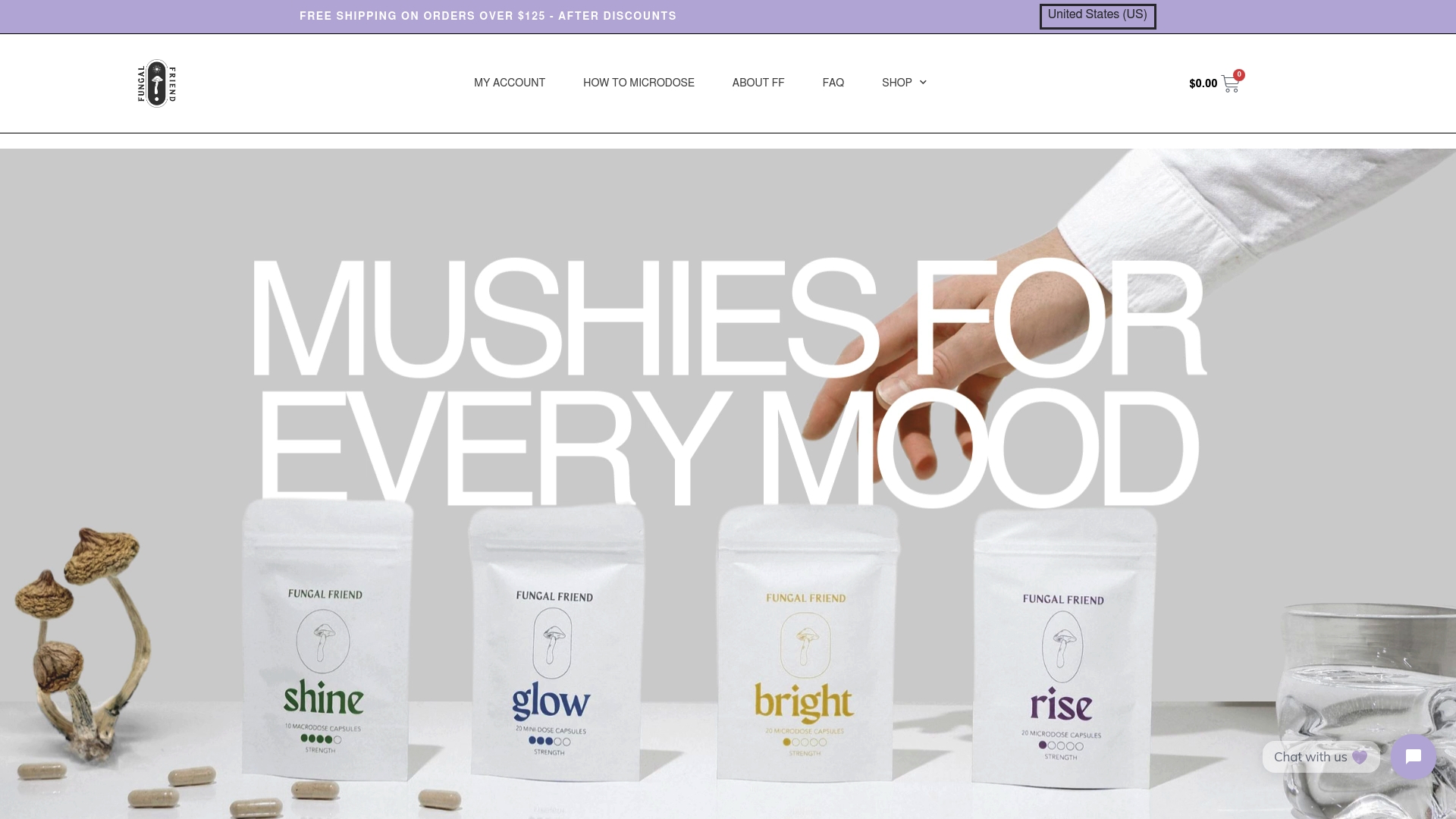
Explore trusted options today at Fungal Friend and gain peace of mind through education and quality. Visit the Uncategorized Archives – Fungal Friend to learn more about product benefits and real user experiences. Take the next step towards improved mental clarity and emotional balance by choosing psilocybin products crafted with safety and potency in mind at Fungal Friend. Act now and experience mindful support aligned with the latest health insights.
Frequently Asked Questions
What is psilocybin and how does it affect the brain?
Psilocybin is a psychoactive compound found in certain mushrooms. It primarily interacts with serotonin receptors, altering perception, mood, and cognitive processes, with potential therapeutic applications for mental health conditions.
What are the therapeutic benefits of psilocybin?
Recent research has shown that psilocybin can be effective in treating psychiatric conditions like depression and anxiety. Controlled doses combined with psychotherapy have led to long-lasting positive outcomes for many patients.
How should psilocybin be administered for therapeutic use?
Psilocybin should be administered in a controlled setting with professional supervision. Typical protocols involve structured doses combined with integrated psychotherapy to enhance safety and therapeutic effects.
What safety measures are in place for psilocybin usage?
Best practice guidelines recommend comprehensive safety monitoring, professional facilitation, and thorough user education to minimize risks associated with psilocybin consumption and ensure responsible usage.