
Therapeutic Psychedelics: Transforming Mental Health Naturally
Most advice about therapeutic psychedelics misses how these substances actually work in the brain. While American clinical trials show promising results, Canadian adults interested in easing anxiety and improving focus deserve safer, science-backed options. With clinical studies highlighting that up to 65 percent of participants report lasting improvements after supervised sessions, exploring microdosing and reliable psilocybin education becomes key for those seeking informed choices without risking their health.
Table of Contents
- What Are Therapeutic Psychedelics And Misconceptions
- Popular Psychedelic Substances And Their Effects
- How Psychedelics Work In The Brain
- Legal Status And Safety In Canada
- Potential Risks And Responsible Usage
Key Takeaways
| Point | Details |
|---|---|
| Therapeutic Potential of Psychedelics | Psychedelics like Psilocybin and MDMA show promising results in treating mental health conditions, offering new pathways for healing. |
| Understanding Mechanisms of Action | These substances interact with serotonin receptors, promoting neural plasticity and emotional processing that traditional medications cannot achieve. |
| Legal and Safety Considerations in Canada | Access to psychedelics for therapeutic use is regulated, requiring strict medical supervision and adherence to safety protocols to ensure participant protection. |
| Importance of Responsible Usage | Thorough medical screening and a controlled environment are crucial for minimizing risks associated with psychedelic therapies and enhancing therapeutic outcomes. |
What Are Therapeutic Psychedelics and Misconceptions
Therapeutic psychedelics represent a groundbreaking approach to mental health treatment that challenges traditional pharmaceutical interventions. These natural compounds derived from plants and fungi have demonstrated remarkable potential in addressing complex psychological conditions through targeted neurological interactions. Emerging clinical research suggests psychedelics like psilocybin can effectively modulate brain chemistry, offering new pathways for healing anxiety, depression, and trauma-related disorders.
Contrary to decades of stigmatization, modern scientific investigation reveals therapeutic psychedelics are not recreational drugs but sophisticated molecular tools with precise medical applications. Psychedelic compounds interact with serotonin receptors, potentially rewiring neural pathways and providing profound psychological insights. Comprehensive studies have systematically dismantled misconceptions, demonstrating these substances can facilitate breakthrough therapeutic experiences when administered in controlled, clinical environments.
The landscape of therapeutic psychedelics encompasses several key compounds, each with unique properties and potential applications. Psilocybin from magic mushrooms, ketamine, MDMA, and ayahuasca represent primary categories being rigorously studied for mental health interventions. Unlike traditional pharmaceuticals that often mask symptoms, these substances appear capable of addressing root psychological mechanisms, promoting neuroplasticity and encouraging profound emotional processing.
Pro Tip: Always consult qualified medical professionals and participate only in legally sanctioned, clinically supervised therapeutic psychedelic programs to ensure safe and effective treatment experiences.
Popular Psychedelic Substances and Their Effects
Comprehensive research on psychedelic substances reveals a diverse landscape of compounds with unique therapeutic potential. Classic psychedelics like psilocybin, LSD, DMT, and mescaline represent the foundational categories, each offering distinct neurological interactions and psychological experiences. These substances fundamentally differ from traditional pharmaceuticals by directly engaging brain chemistry in ways that promote profound introspection and potential healing.
MDMA and ketamine emerge as particularly promising compounds in contemporary therapeutic contexts. While technically not classical psychedelics, they demonstrate remarkable efficacy in treating complex mental health conditions. Scoping reviews of global psychedelic research highlight their potential in addressing treatment-resistant depression, post-traumatic stress disorder, and substance use disorders. Ketamine, for instance, has shown rapid-acting antidepressant properties, while MDMA has demonstrated significant breakthroughs in processing deep-seated emotional traumas.
The spectrum of psychedelic substances also includes lesser-known but equally fascinating compounds like ayahuasca and ibogaine. Ayahuasca, a traditional Amazonian brew, contains DMT and has been studied for its potential in addiction recovery and spiritual healing. Ibogaine, derived from African root bark, shows promise in interrupting addictive patterns, particularly for opioid dependency. Each substance offers a unique neurochemical profile, suggesting that personalized approaches might revolutionize mental health treatment strategies.
Here’s how popular psychedelic substances compare in terms of source, primary effects, and emerging therapeutic applications:
| Substance | Natural or Synthetic | Primary Effects | Key Therapeutic Application |
|---|---|---|---|
| Psilocybin | Natural (mushrooms) | Altered perception, mood | Treatment-resistant depression |
| LSD | Synthetic | Visual/auditory changes | Anxiety in terminal illness |
| MDMA | Synthetic | Emotional openness | PTSD processing |
| Ketamine | Synthetic | Dissociation, relaxation | Rapid-acting antidepressant |
| Ayahuasca | Natural (plant brew) | Introspective visions | Addiction recovery, spiritual growth |
| Ibogaine | Natural (root bark) | Intense introspection | Opioid dependency intervention |
Pro Tip: Research and understand the specific molecular mechanisms and potential interactions of each psychedelic substance before considering any therapeutic application, and always consult qualified medical professionals.
How Psychedelics Work in the Brain
Neurological research on psychedelic mechanisms reveals a complex interaction between these compounds and the brain’s intricate neural networks. Serotonin receptors play a critical role in psychedelic action, with compounds like psilocybin primarily targeting the 5-HT2A receptor sites. This targeted interaction triggers a cascade of neurochemical responses that fundamentally alter brain connectivity, perception, and emotional processing in ways traditional medications cannot replicate.
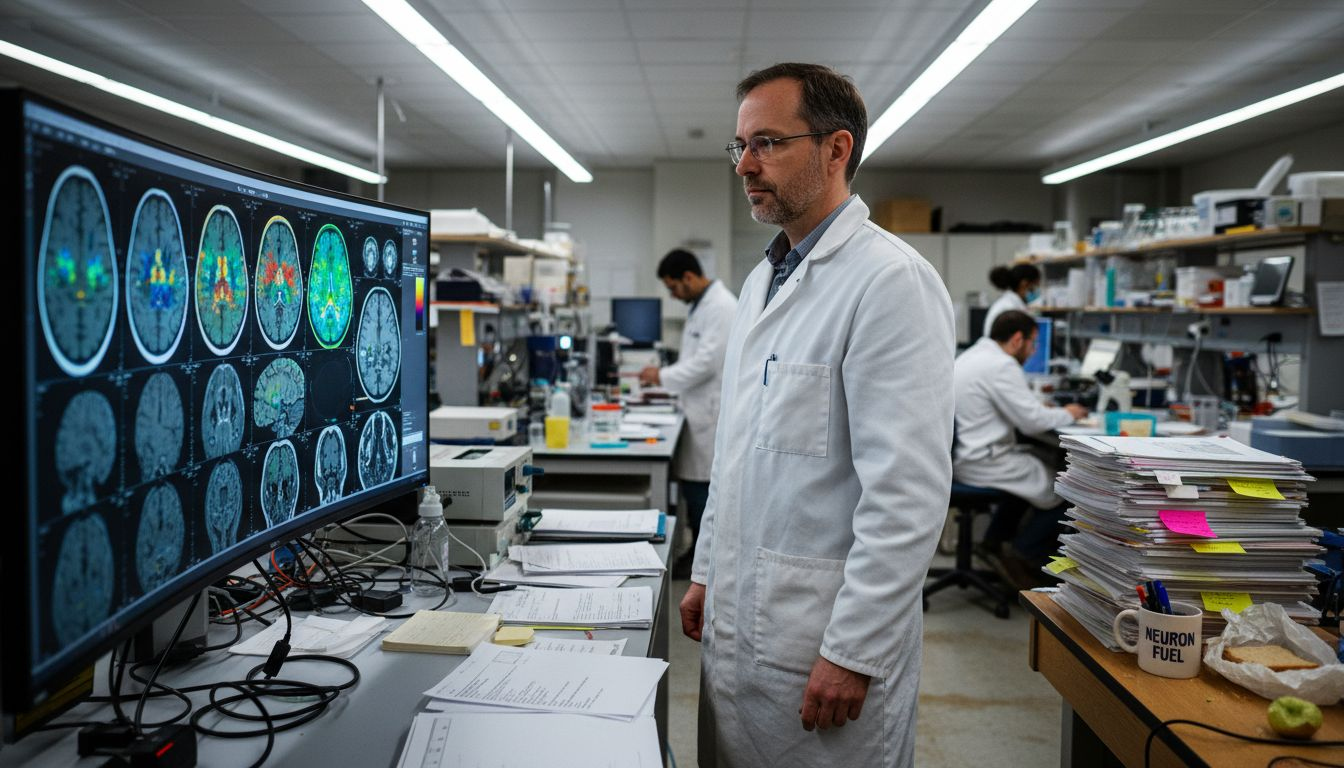
The brain’s default mode network experiences particularly profound transformations during psychedelic experiences. Comprehensive studies on neural plasticity demonstrate how these substances temporarily disrupt habitual cognitive patterns, creating what researchers call a ‘reset’ effect. This disruption allows for increased communication between brain regions that typically operate independently, potentially explaining the breakthrough insights and emotional processing observed in therapeutic contexts.
At the molecular level, psychedelics induce remarkable neuroplastic changes that extend beyond immediate experiential effects. They appear to stimulate brain-derived neurotrophic factor (BDNF) production, encouraging the growth of new neural connections and potentially helping the brain recover from entrenched negative thought patterns. This mechanism suggests profound implications for treating conditions like depression, anxiety, and post-traumatic stress disorder by literally rewiring neural pathways and promoting more adaptive cognitive and emotional responses.
Pro Tip: Consult neuroscience professionals and carefully research individual psychedelic compounds to understand their unique neurological interactions before considering any therapeutic applications.
Legal Status and Safety in Canada
Recent legal developments in Canadian psychedelic policy have transformed the landscape of therapeutic substance access, creating nuanced pathways for medical and research applications. Section 56 exemptions currently provide the primary legal mechanism for authorized psychedelic use, allowing carefully controlled access for individuals with specific medical conditions. Health Canada maintains strict oversight, requiring comprehensive documentation, professional medical recommendations, and rigorous screening protocols for patients seeking therapeutic psychedelic interventions.
The regulatory framework surrounding psychedelics in Canada continues to evolve rapidly. Emerging policy changes indicate a progressive approach toward supervised therapeutic programs, with increasing recognition of psilocybin and other psychedelic compounds as potential breakthrough treatments for mental health conditions. Currently, legal access remains primarily restricted to clinical trials, specialized medical programs, and patients receiving specific exemptions under carefully controlled medical supervision.
Safety remains paramount in the Canadian approach to psychedelic therapeutics. Comprehensive patient screening, controlled dosing, professional supervision, and extensive medical monitoring constitute critical components of legal psychedelic interventions. Potential users must navigate complex regulatory requirements, including detailed medical assessments, psychological evaluations, and ongoing clinical documentation. These stringent protocols aim to minimize risks and ensure that psychedelic therapies are administered responsibly and with maximum patient protection.

Pro Tip: Always consult licensed healthcare professionals and thoroughly understand the legal and medical requirements before pursuing any psychedelic therapeutic intervention in Canada.
Potential Risks and Responsible Usage
Comprehensive research on psychedelic risks reveals that while therapeutic potential exists, careful consideration of individual physiological and psychological factors is paramount. Potential risks include complex interactions with pre-existing mental health conditions, temporary psychological destabilization, and unexpected neurological responses. Individuals with a history of psychotic disorders, bipolar conditions, or severe anxiety must exercise extreme caution and undergo thorough medical screening before considering psychedelic interventions.
Understanding the critical principles of responsible usage requires more than casual knowledge. Harm reduction strategies emphasize the importance of set and setting, which involves preparing a safe, controlled environment and maintaining a positive, intentional mental state during psychedelic experiences. Professional guidance recommends comprehensive psychological assessments, having a trusted support person present, and creating a calm, familiar environment that minimizes potential triggers or unexpected emotional responses.
Physiological risks extend beyond immediate psychological experiences. Potential side effects can include increased heart rate, blood pressure fluctuations, and temporary alterations in perception and cognitive processing. Some individuals might experience challenging psychological experiences known as ‘bad trips,’ which can involve intense emotional confrontations, temporary disorientation, or heightened anxiety. These risks underscore the absolute necessity of professional medical supervision, controlled dosing, and comprehensive pre-screening protocols to ensure participant safety and minimize potential negative outcomes.
The table below summarizes key components for responsible and safe psychedelic therapy:
| Safety Aspect | Why It Matters | Example Protocol |
|---|---|---|
| Medical Screening | Identify individual risks | Full mental health evaluation |
| Controlled Dosing | Reduce side effects | Professional dosage calculation |
| Supervised Environment | Increase participant safety | Monitored clinical setting |
| Follow-up Care | Support integration | Ongoing therapy sessions |
Pro Tip: Always prioritize professional medical consultation, comprehensive health screening, and a supportive, controlled environment when considering any psychedelic therapeutic intervention.
Discover Natural Support for Your Mental Wellness Journey
If you’re exploring therapeutic psychedelics as a way to transform mental health naturally, understanding safe and accessible options is essential. This article highlights the power of compounds like psilocybin to support neuroplasticity and emotional healing. At Fungal Friend, we recognize challenges such as navigating legal status, ensuring responsible usage, and finding trustworthy products designed for anxiety relief, mood balance, and deeper personal growth.

Explore our carefully curated selection of microdose psilocybin mushrooms and related products on the Uncategorized Archives – Fungal Friend. Each item is designed with safety and therapeutic intention in mind, providing you with natural options to enhance focus, reduce anxiety, and support mental clarity. Take the next step toward informed and responsible psychedelic use by visiting our main website Fungal Friend today for detailed guidance and discreet delivery.
Frequently Asked Questions
What are therapeutic psychedelics?
Therapeutic psychedelics are natural compounds, such as psilocybin and MDMA, derived from plants and fungi, that show promise in treating mental health conditions like anxiety, depression, and trauma by interacting with brain chemistry.
How do psychedelics work in the brain?
Psychedelics primarily engage serotonin receptors, particularly the 5-HT2A receptor, which alters brain connectivity and emotional processing, potentially leading to profound insights and neuroplastic changes that can help in healing psychological conditions.
What are the potential benefits of using psychedelics for mental health treatment?
Psychedelics can address the root psychological mechanisms of mental health conditions, promoting emotional processing, reducing symptoms of treatment-resistant depression, and facilitating breakthroughs in processing traumatic experiences.
What safety precautions should be taken when considering psychedelic therapy?
It’s crucial to undergo comprehensive medical screening, adhere to controlled dosing protocols, and ensure a supervised environment to minimize risks and enhance safety during psychedelic therapy.