
What Causes Psychedelic Effects – The Science Explained
Many Canadian adults are surprised to learn that recent American studies highlight psilocybin’s potential in supporting focus and mental health without harsh pharmaceuticals. Concerns about everyday stress and waning concentration are common for those exploring alternatives like microdosing. This guide cracks open the science behind psychedelic effects, clears up misconceptions, and explains the real differences between classic compounds, so first-time users can make informed, safe decisions.
Table of Contents
- Defining Psychedelic Effects And Misconceptions
- Types Of Psychedelic Compounds And Differences
- How Psychedelics Alter Brain Chemistry
- Neuroplasticity And Lasting Therapeutic Impact
- Risks, Adverse Events, And Safety Considerations
- Psychedelic Legality And Use In Canada
Key Takeaways
| Point | Details |
|---|---|
| Psychedelic Mechanisms | Psychedelics alter brain connectivity, impacting perception and consciousness through complex neurochemical interactions. |
| Therapeutic Potential | Research suggests psychedelics may effectively treat conditions like depression, offering significant benefits after limited sessions. |
| Risks and Safety | Comprehensive medical evaluation and safety protocols are essential to mitigate potential psychological risks associated with psychedelic use. |
| Legal Landscape in Canada | Navigating Canada’s psychedelic regulations requires understanding federal laws and potential pathways for legal access to these substances. |
Defining Psychedelic Effects and Misconceptions
Psychedelic experiences represent complex neurological events that profoundly alter human perception and consciousness. These substances fundamentally transform brain functional connectivity, particularly within regions governing our sense of self, time, and spatial awareness. Neurological research demonstrates that compounds like psilocybin temporarily restructure neural networks, creating temporary but significant shifts in cognitive processing.
Classic psychedelics encompass a diverse range of compounds including serotonergic hallucinogens such as lysergic acid diethylamide (LSD), psilocybin, and mescaline, as well as entactogens like MDMA and dissociative substances such as ketamine. Each substance interacts differently with brain chemistry, producing unique perceptual and psychological experiences. The complexity of these interactions challenges simplistic narratives about psychedelic effects, revealing nuanced neurological transformations that extend far beyond typical recreational assumptions.
Common misconceptions frequently misrepresent psychedelics as purely recreational substances, overlooking their potential therapeutic applications. Contemporary scientific research highlights promising antidepressant effects, with some studies indicating rapid and enduring mental health benefits after just one or two carefully supervised sessions. These findings suggest psychedelics represent sophisticated neurological tools with significant potential for treating complex psychological conditions, particularly in scenarios involving treatment-resistant depression.
Pro Tip: Always approach psychedelic experiences with professional guidance, comprehensive research, and a deep understanding of your personal mental health background.
Types of Psychedelic Compounds and Differences
Psychedelic compounds represent a fascinating spectrum of neurochemical substances, each characterized by unique molecular structures and complex interactions with human brain receptors. Scientific research reveals that these compounds can be chemically categorized into distinct groups, including tryptamines like psilocybin and DMT, ergolines such as lysergic acid diethylamide (LSD), and phenethylamines like mescaline. These classifications are not merely academic distinctions but reflect fundamental differences in how these substances engage with neural networks.

The pharmacological profiles of psychedelic compounds demonstrate remarkable complexity. Neurological studies indicate that while most classical psychedelics primarily act as agonists at the 5-HT2A serotonin receptor, they also interact with multiple receptor systems including dopaminergic, adrenergic, and glutamate pathways. This intricate receptor binding explains the nuanced and often unpredictable subjective experiences associated with different psychedelic substances. Empathogens like MDMA, for instance, present unique characteristics with weak or absent serotonin receptor binding, distinguishing them from traditional hallucinogenic compounds.
Understanding these chemical distinctions is crucial for comprehending the diverse therapeutic and perceptual potential of psychedelic compounds. Each substance presents a unique pharmacological fingerprint, influencing emotional, cognitive, and perceptual experiences through sophisticated neurological mechanisms. While sharing broad commonalities, compounds like psilocybin, LSD, and mescaline produce markedly different psychological effects based on their specific molecular interactions with brain receptors.
Pro Tip: Always consult professional medical guidance and thoroughly research the specific neurochemical properties of any psychedelic compound before considering its use.
Here’s a concise comparison of classic psychedelic compounds and their primary brain interactions:
| Compound | Chemical Class | Main Brain Target | Unique Psychological Effects |
|---|---|---|---|
| LSD | Ergolines | 5-HT2A serotonin | Intense visual/auditory alterations |
| Psilocybin | Tryptamines | 5-HT2A serotonin | Altered sense of time, deep introspection |
| Mescaline | Phenethylamines | 5-HT2A serotonin | Vivid colors, heightened empathy |
| MDMA | Entactogens | Serotonin/dopamine | Emotional openness, euphoria |
| Ketamine | Dissociatives | NMDA glutamate | Dissociation, pain relief, detachment |
How Psychedelics Alter Brain Chemistry
Neurological research reveals that psychedelic substances fundamentally transform brain activity by disrupting the default mode network, a critical neural system governing self-perception and cognitive processing. When compounds like psilocybin interact with brain receptors, they generate widespread changes in functional connectivity across cortical and subcortical regions, producing less synchronized and more globally integrated neural patterns. These neurophysiological modifications represent a sophisticated neural recalibration that extends far beyond traditional understanding of brain function.
The complex neurochemical interactions of psychedelics involve multiple receptor systems, creating a nuanced biochemical dance within the brain. Neuroscience investigations demonstrate that beyond serotonin 5-HT2A receptor activation, these compounds engage diverse receptor systems including dopamine and adrenergic pathways. This polypharmacological approach activates intricate intracellular signaling mechanisms, potentially explaining the profound perceptual and cognitive shifts experienced during psychedelic states.
Understanding these neurological transformations provides critical insights into the therapeutic potential of psychedelics. The disruption of established neural networks may explain emerging treatments for conditions like depression and post-traumatic stress disorder, where rigid cognitive patterns can be temporarily dissolved, allowing for novel neural connections and perspectives. The subjective intensity of psychedelic experiences directly correlates with these neurophysiological changes, suggesting a deep interconnection between molecular interactions and consciousness itself.
Pro Tip: Approach any exploration of psychedelic experiences with professional medical guidance and a comprehensive understanding of your personal neurological and psychological background.
Neuroplasticity and Lasting Therapeutic Impact
Scientific research demonstrates that psychedelics trigger profound neuroplasticity changes at molecular and cellular levels, fundamentally reshaping brain architecture. These substances induce remarkable biological transformations, including increased expression of brain-derived neurotrophic factor (BDNF), enhanced dendritic complexity, and accelerated synaptogenesis. Such neurological remodeling occurs after single or repeated doses, with effects often extending far beyond the immediate psychedelic experience.
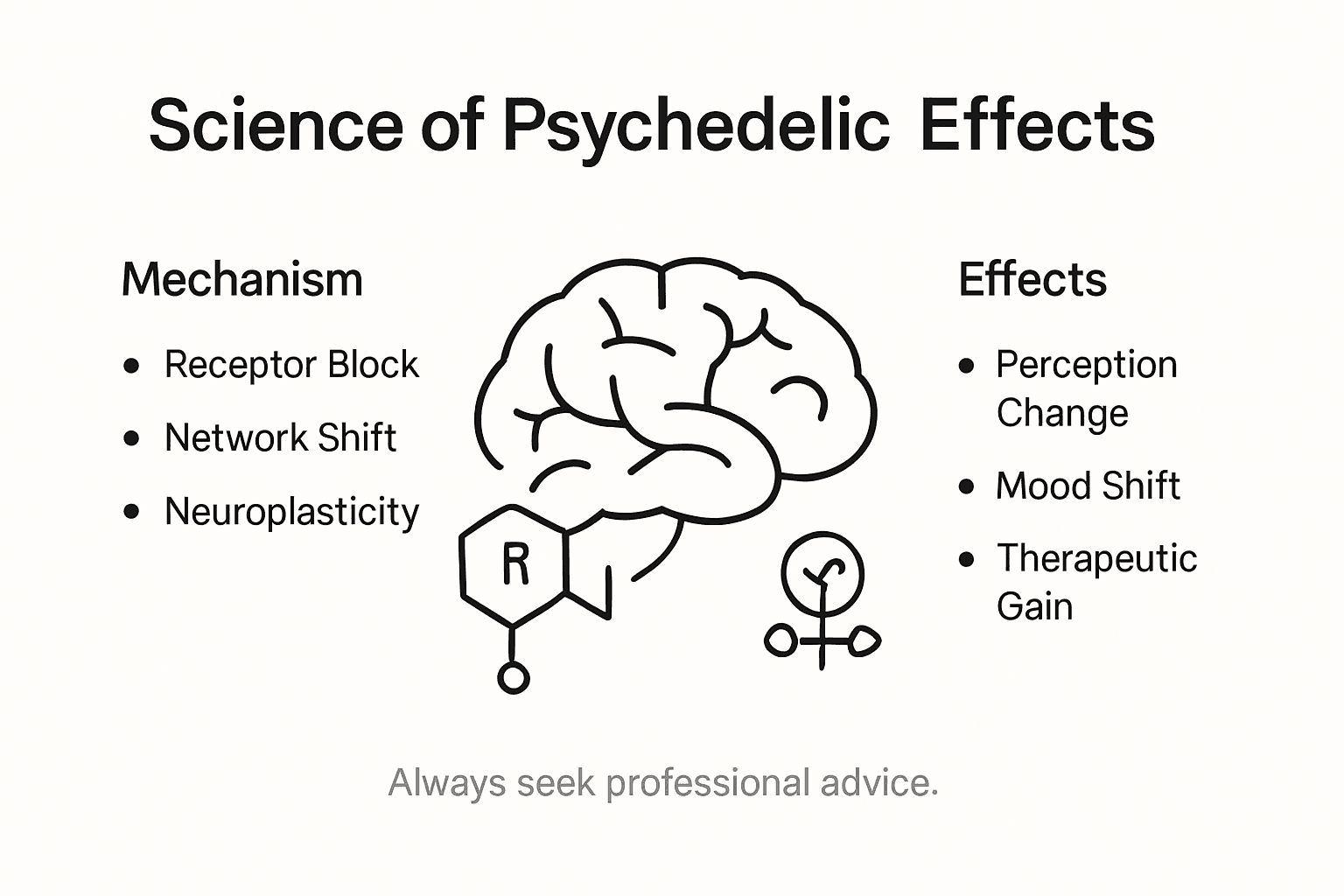
The long-term therapeutic potential of these neuroplastic changes is particularly fascinating. Neurobiological investigations reveal that psychedelics can stimulate neuroplasticity primarily in critical brain regions like the prefrontal cortex and hippocampus, with transformative effects potentially lasting months or even years. This phenomenon, termed the psychoplastogen model, conceptualizes psychedelics as unique agents capable of reopening neurological critical periods, thereby facilitating profound behavioral and cognitive adaptations.
Understanding these neuroplastic mechanisms offers unprecedented insights into treating complex mental health conditions. By temporarily dissolving rigid neural patterns, psychedelics may provide therapeutic windows for addressing deep-seated psychological challenges, including depression, anxiety, and addiction. The ability to induce rapid and sustained neurological changes suggests these compounds represent more than traditional pharmaceutical interventions, potentially offering a revolutionary approach to mental health treatment.
Pro Tip: Consult qualified medical professionals to understand how individual neuroplastic responses might interact with your unique physiological and psychological profile.
Risks, Adverse Events, and Safety Considerations
Regulatory frameworks emphasize the critical importance of comprehensive safety protocols when exploring psychedelic substances. Careful patient selection, rigorous monitoring, and systematic adverse event documentation represent essential components of responsible psychedelic research and potential therapeutic interventions. These safety considerations are not merely bureaucratic requirements but fundamental protections designed to mitigate potential psychological and physiological risks associated with powerful neurochemical experiences.
Psychedelic experiences can trigger complex psychological responses that vary significantly across individual neurological and emotional landscapes. Potential risks include temporary psychological distress, exacerbation of underlying mental health conditions, and rare but serious phenomena such as prolonged perceptual disturbances or transient psychosis. Individuals with personal or familial histories of schizophrenia, bipolar disorder, or severe psychiatric conditions may face heightened vulnerability to adverse psychological reactions, underscoring the necessity of comprehensive medical screening and professional guidance.
Medical professionals recommend several critical safety strategies for those considering psychedelic experiences. These include comprehensive psychological evaluation, controlled clinical settings, presence of trained facilitators, careful dosage management, and robust integration support. The goal is not to discourage exploration but to create structured, safe environments that maximize potential therapeutic benefits while minimizing potential psychological risks. Understanding individual physiological and psychological predispositions becomes paramount in navigating the complex landscape of psychedelic interventions.
Pro Tip: Prioritize comprehensive medical consultation and psychological screening before considering any psychedelic experience, ensuring your unique neurological profile supports safe exploration.
To help clarify the risks and benefits, below is a summary of key safety measures and possible adverse effects:
| Safety Measure | Purpose | Potential Adverse Effect |
|---|---|---|
| Psychological evaluation | Identify at-risk individuals | Exacerbation of mental conditions |
| Controlled clinical environment | Maximize safety and monitoring | Acute distress or disorientation |
| Dose management | Reduce overexposure risk | Prolonged perceptual disturbances |
| Integration support | Facilitate positive outcomes | Anxiety or psychosis relapse |
Psychedelic Legality and Use in Canada
Canadian psychedelic regulations present a complex legal landscape where substances remain controlled under federal law, with nuanced exceptions for medical, scientific, and therapeutic purposes. Possession, production, and sale of psychedelics are generally prohibited, though specific pathways exist for legal access through Section 56 exemptions, the Special Access Program, and approved clinical trials. This regulatory framework reflects a cautious approach balancing potential therapeutic benefits with public safety considerations.
The legal status of psychedelics in Canada is governed primarily by the Controlled Drugs and Substances Act, the Cannabis Act, and the Food and Drugs Act. These legislative instruments create intricate frameworks for defining permissible possession, cultivation, and distribution. While recreational use remains strictly prohibited, recent legal trends demonstrate increasing recognition of psychedelics’ potential therapeutic value. Some municipalities have begun exploring limited decriminalization measures, signaling a gradual shift in public policy and legal perspectives.
Navigating the Canadian psychedelic landscape requires careful understanding of federal and provincial regulations. Individuals seeking legal access must typically pursue medical exemptions, participate in clinical research, or obtain specialized approvals through healthcare channels. The emerging legal environment suggests ongoing constitutional challenges and potential future reforms, reflecting growing scientific interest in psychedelic compounds’ medical applications. Medical professionals and researchers continue to advocate for more nuanced legal frameworks that balance scientific exploration with patient safety.
Pro Tip: Always consult legal and medical professionals to understand the specific regulatory requirements and potential pathways for legal psychedelic access in your specific Canadian jurisdiction.
Unlock the Science of Psychedelic Effects With Trusted Support
The article dives deep into what causes psychedelic effects exploring brain chemistry changes neuroplasticity and the importance of safe usage. If you are seeking natural ways to support anxiety reduction enhance mood or explore deeper psychedelic experiences understanding these complex neurological mechanisms is critical. At Fungal Friend we recognize the importance of informed choices and provide carefully curated microdose psilocybin mushrooms and related products that match your personal goals while prioritizing safety and education.

Discover products designed with the science of psychedelics in mind on our Uncategorized Archives – Fungal Friend page. Whether you want daily clarity or meaningful journeys you can trust our legal Canadian brand for quality and discreet delivery. Dive further into essential knowledge and find your ideal strain combination by visiting Fungal Friend today and take the first step toward a balanced mindful psychedelic experience.
Frequently Asked Questions
What are psychedelic effects and how do they occur?
Psychedelic effects are profound changes in perception and consciousness caused by substances that alter brain functional connectivity. These compounds, such as psilocybin and LSD, interact primarily with serotonin receptors, disrupting usual neural patterns and creating unique psychological experiences.
How do different types of psychedelics affect the brain?
Different psychedelics, such as tryptamines, ergolines, and phenethylamines, interact variably with brain receptors. For instance, while LSD primarily targets the 5-HT2A serotonin receptor, MDMA affects both serotonin and dopamine pathways, resulting in different emotional and perceptual experiences.
Can psychedelics have therapeutic benefits?
Yes, contemporary research shows that psychedelics can offer therapeutic benefits, particularly for psychological conditions like depression and PTSD. These substances may promote neuroplasticity, allowing for new neural connections that can facilitate healing and personal insight.
What safety precautions should one consider when using psychedelics?
Safety precautions include comprehensive psychological evaluations, controlled environments, proper dosage management, and integration support after the experience. It’s important to prioritize mental health and approach psychedelics with medical guidance and caution.