
What Is Microdosing? Psilocybin’s Effects on Wellness
Finding safe, legal ways to improve mood and focus can feel challenging for many Canadian adults juggling work and personal life. The growing interest in microdosing, especially with psilocybin, reflects a search for gentle, effective tools to manage anxiety and stay productive without risking major side effects or legal concerns. This guide clarifies what microdosing really means, highlights common misconceptions about microdosing, and offers practical insight for those considering this approach in the Canadian context.
Table of Contents
- Defining Microdosing And Common Misconceptions
- Types Of Microdosing: Methods And Protocols
- How Microdosing Psilocybin Works In The Brain
- Reported Benefits For Anxiety, Focus, And Mood
- Potential Risks, Side Effects, And Safety Practices
- Legal Status Of Microdosing Psilocybin In Canada
Key Takeaways
| Point | Details |
|---|---|
| Understanding Microdosing | Microdosing involves taking small doses of psilocybin mushrooms to enhance cognitive function and emotional well-being without producing hallucinogenic effects. |
| Common Misconceptions | Many people mistakenly believe that microdosing will lead to profound experiences or serve as a quick fix for mental health issues. |
| Potential Benefits and Risks | Microdosing may improve mood and focus, but it also presents potential risks and side effects that must be monitored. |
| Legal Considerations in Canada | The legal status of psilocybin in Canada is restricted, mainly allowing medical and research use, making unauthorized microdosing illegal. |
Defining Microdosing and Common Misconceptions
Microdosing represents a nuanced approach to consuming psychedelic substances, specifically psilocybin mushrooms, at sub-hallucinogenic levels designed to potentially enhance cognitive function and emotional well-being. Unlike traditional psychedelic experiences, microdosing involves taking extremely small quantities that do not produce intense perceptual changes or disruptive psychological states.
According to recent scientific research, microdosing typically involves consuming approximately 5-20% of a standard psychedelic dose, with the primary goal of subtle neurological enhancement. This emerging practice has gained significant attention among professionals seeking alternative approaches to mental health and personal optimization.
Key characteristics of microdosing include:
- Consuming sub-perceptual doses that do not trigger hallucinations
- Maintaining normal daily functioning and productivity
- Potential improvements in mood, creativity, and cognitive performance
- Careful, intentional consumption with structured protocols
However, it’s crucial to understand that current scientific research remains limited. Microdosing studies are still inconclusive, with enthusiasm often outpacing empirical evidence. Many individuals approach microdosing with expectations that may not align with current scientific understanding.
Common misconceptions about microdosing include believing that it will:
- Produce mystical or profound psychedelic experiences
- Serve as an immediate cure for mental health conditions
- Work identically for every individual
- Replace professional medical treatment
Professionals and researchers emphasize the importance of approaching microdosing with realistic expectations, thorough personal research, and preferably under professional guidance.
Pro Tip: Always consult healthcare professionals and thoroughly research individual variability before considering any microdosing protocol.
Types of Microdosing: Methods and Protocols
Microdosing involves diverse methodological approaches, with practitioners developing nuanced protocols tailored to individual wellness goals. Systematic microdosing practices typically involve carefully structured consumption schedules designed to optimize potential cognitive and emotional benefits while minimizing potential risks.
Primary microdosing protocols generally fall into several key categories:
- Fadiman Protocol: Dosing every third day to prevent tolerance
- Fixed Interval Protocol: Consistent weekly schedule with predetermined doses
- Intuitive Protocol: Personalized approach based on individual response
- Therapeutic Protocol: Medically supervised microdosing regimens
The consumption methods vary widely, reflecting the experimental nature of current microdosing practices. Typical dose ranges remain consistently small, typically representing 5-20% of a standard psychedelic dose. Experimental microdosing approaches demonstrate that individuals often customize their approach based on specific wellness objectives.
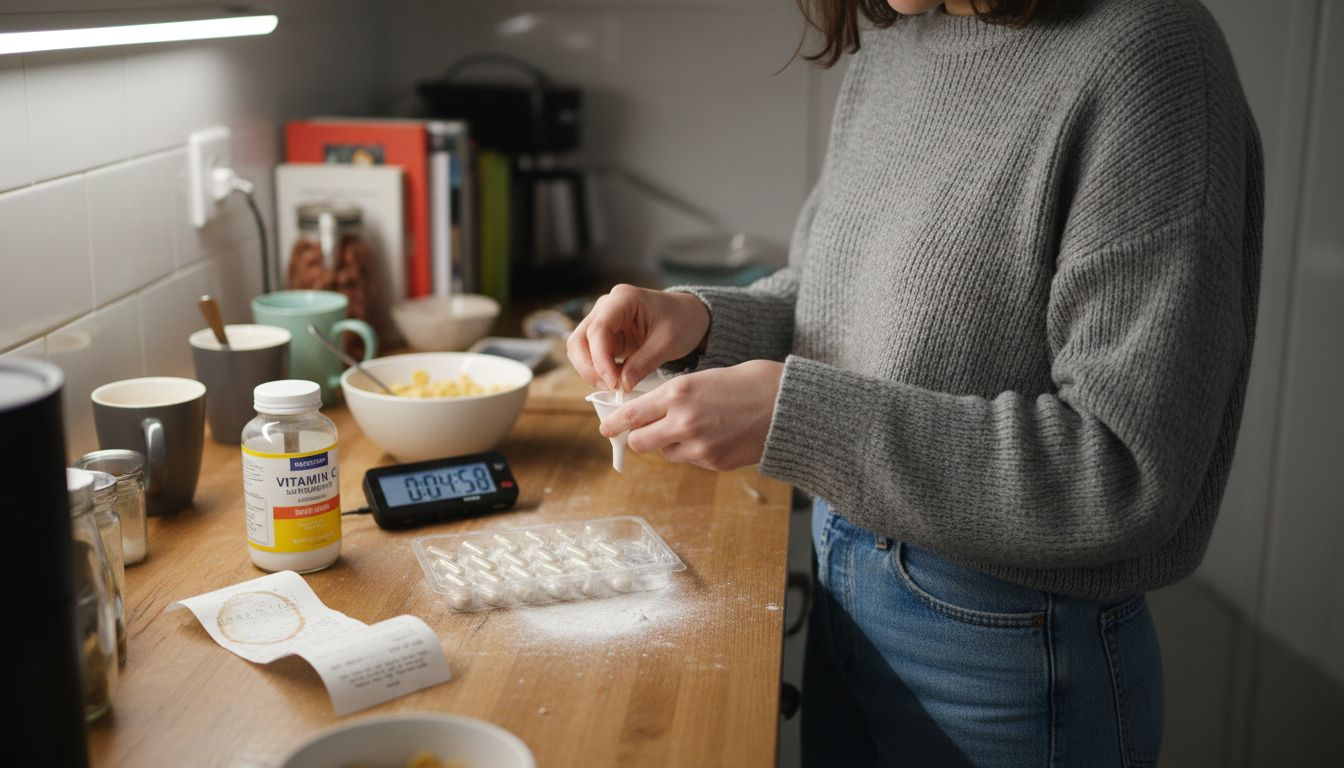
Here’s a side-by-side overview of main microdosing protocols and their distinguishing features:
| Protocol Type | Dosing Frequency | Typical Use Case | Professional Involvement |
|---|---|---|---|
| Fadiman Protocol | Every 3rd day | General enhancement, avoiding tolerance | Self-directed or guided |
| Fixed Interval | Set weekdays | Routine structure, consistent effects | Often self-managed |
| Intuitive | As needed | Tailored, responsive to personal needs | Personal experimentation |
| Therapeutic | Medically supervised | Clinical or therapeutic objectives | Involves healthcare professionals |
Most practitioners utilize various substance forms for microdosing, including:
- Dried mushroom powder
- Capsules with precise measurements
- Liquid tinctures
- Carefully prepared edible formats
Recent research underscores the importance of intentionality and careful tracking when exploring microdosing protocols. Documenting personal experiences, monitoring subtle changes in mood and cognition, and maintaining a structured approach can help individuals understand their unique response to microdosing.
Pro Tip: Start with the lowest possible dose and maintain a detailed journal to track your individual physiological and psychological responses.
How Microdosing Psilocybin Works in the Brain
The intricate neurological mechanisms of psilocybin microdosing reveal a sophisticated interaction with the brain’s complex neural networks. Serotonin receptor modulation represents the primary pathway through which these subtle neurochemical changes occur, influencing mood, perception, and cognitive function without triggering full psychedelic experiences.
Key neurological interactions of microdosing include:
- Activation of specific serotonin receptors (5-HT2A)
- Enhanced neural connectivity across brain regions
- Subtle adjustments to neural network dynamics
- Potential neuroplasticity stimulation
Neurochemical Mechanisms involve nuanced interactions within the brain’s biochemical systems. Neural network dynamics suggest that microdosing creates gentle, almost imperceptible shifts in brain activity, potentially improving emotional regulation and cognitive flexibility.
The brain’s response to microdosing appears multifaceted, involving:
- Reduced default mode network activity
- Increased communication between typically disconnected brain regions
- Potential modulation of stress response systems
- Subtle enhancement of neuroplasticity mechanisms
These neurological changes occur at such low levels that users typically experience no hallucinogenic effects, instead reporting mild improvements in mood, focus, and overall cognitive performance. The brain seems to respond to these minute chemical interventions with remarkable sensitivity and precision.
Pro Tip: Consult with a healthcare professional to understand how individual brain chemistry might uniquely interact with microdosing protocols.
Reported Benefits for Anxiety, Focus, and Mood
Microdosing psilocybin has emerged as a promising approach for individuals seeking natural alternatives to traditional mental health management. Mental health improvements suggest potential benefits in managing anxiety, enhancing cognitive performance, and stabilizing mood without the intense experiences associated with full psychedelic doses.
Reported psychological benefits include:
- Reduced anxiety symptoms
- Enhanced emotional resilience
- Improved cognitive focus
- Increased social connectedness
- More stable mood regulation
These potential advantages stem from subtle neurochemical interactions that appear to modulate brain function gently. Observational study insights indicate users frequently report experiencing more balanced emotional states and improved attentional capacities, though researchers caution that placebo effects may contribute to some reported outcomes.
Individuals exploring microdosing often describe nuanced psychological shifts:
- Decreased background anxiety
- More consistent energy levels
- Greater emotional clarity
- Improved stress management
- Enhanced creative problem-solving
While anecdotal evidence remains compelling, the scientific community emphasizes the critical need for rigorous, controlled clinical trials to substantiate these reported psychological benefits definitively. Current research suggests promising potential, but conclusive long-term evidence requires further investigation.
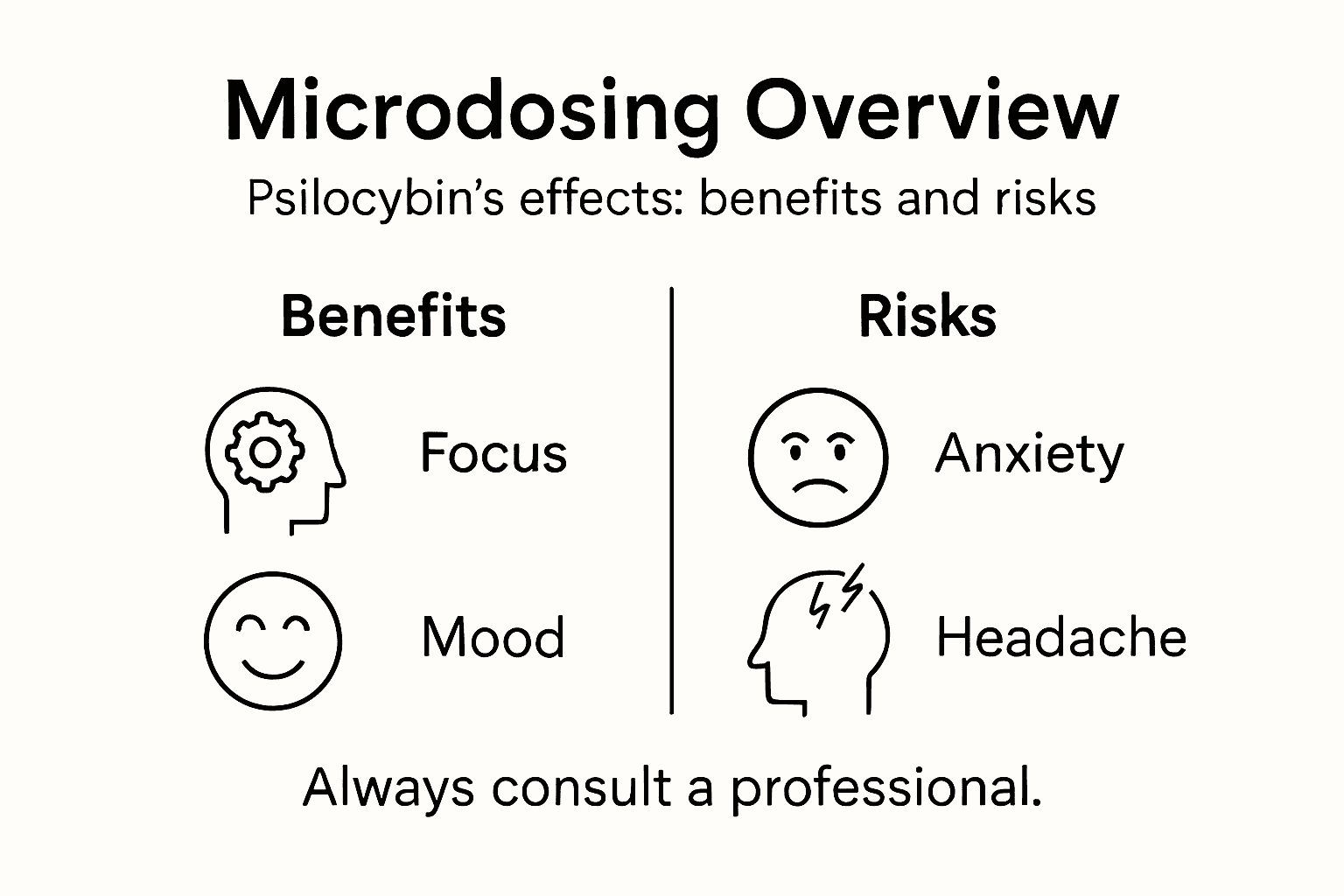
Pro Tip: Document your personal microdosing experience systematically, tracking mood, focus, and anxiety levels to understand your unique neurological response.
Potential Risks, Side Effects, and Safety Practices
Microdosing psilocybin, while promising, requires careful consideration of potential risks and side effects. Controlled substance safety involves understanding the nuanced physiological and psychological responses that can occur during microdosing protocols.
Common potential side effects include:
- Mild headaches
- Temporary anxiety fluctuations
- Slight increases in blood pressure
- Minor digestive discomfort
- Potential mood variations
Individuals considering microdosing must be aware of specific risk factors and contraindications. Psychological safety considerations emphasize the importance of understanding personal medical history, pre-existing mental health conditions, and potential interactions with other medications.
Key safety practices for responsible microdosing involve:
- Consulting healthcare professionals before starting
- Starting with minimal doses
- Maintaining detailed personal tracking logs
- Understanding individual physiological responses
- Creating a supportive monitoring environment
The scientific community consistently recommends professional guidance and careful self-monitoring to mitigate potential adverse reactions. While microdosing shows promise, individual variability means that personalized approaches are crucial for safe exploration.
This table summarizes key differences between reported benefits and potential risks of psilocybin microdosing:
| Aspect | Reported Benefits | Potential Risks / Side Effects |
|---|---|---|
| Mood | Improved stability, less anxiety | Temporary mood fluctuations |
| Cognitive | Enhanced focus, more creativity | Mild headache, digestive discomfort |
| Behavior | Increased social connection, resilience | Short-term anxiety, blood pressure |
| Individual | Greater stress management, energy | Unpredictable, varies by person |
Pro Tip: Establish a comprehensive health baseline and maintain open communication with medical professionals throughout your microdosing journey.
Legal Status of Microdosing Psilocybin in Canada
The legal landscape surrounding psilocybin in Canada remains complex and evolving. Health Canada’s regulatory framework currently permits limited legal use of psilocybin, primarily focusing on specific medical and research contexts while maintaining strict restrictions on recreational use.
Current legal parameters for psilocybin in Canada include:
- Restricted medical exemptions
- Research-based approvals
- End-of-life therapy permissions
- Prohibited recreational consumption
- Ongoing regulatory reviews
Individuals interested in microdosing must navigate a nuanced legal environment. While clinical research and therapeutic applications are gaining ground, unsanctioned microdosing remains technically illegal. Healthcare professionals and approved medical programs represent the primary legal pathways for psilocybin access.
Key considerations for Canadian residents include:
- Understanding federal regulatory distinctions
- Recognizing limitations of current legal frameworks
- Monitoring evolving medical research permissions
- Consulting healthcare professionals for legal guidance
- Avoiding unauthorized personal consumption
The regulatory landscape continues to shift, with increasing scientific interest and potential future modifications to existing legal restrictions. Staying informed about current regulations and potential changes is crucial for anyone exploring psilocybin’s potential therapeutic applications.
Pro Tip: Always consult legal and medical professionals to understand the most current regulations regarding psilocybin use in Canada.
Discover Safe and Effective Microdosing Solutions with Fungal Friend
Exploring microdosing as a natural way to enhance mood, focus, and emotional balance requires trusted products and reliable information. This article highlights common concerns like dosage precision, mental health benefits, and safety practices — challenges that many new and experienced users face when beginning their microdosing journey. At Fungal Friend, we understand these needs and offer carefully curated psilocybin mushroom options such as capsules, infused teas, and chocolates designed specifically for wellness and cognitive support. Our platform also provides crucial guidance on responsible use and legal considerations within Canada.
Ready to take the next step toward gentle neurological enhancement through microdosing? Visit our Uncategorized Archives – Fungal Friend to explore educational resources and browse product selections tailored for both beginners and seasoned users. For the latest on psilocybin legality and safety tips, check out our main site at Fungal Friend. Begin your journey confidently with products and knowledge that put your wellness first.
Frequently Asked Questions
What is microdosing and how does it work?
Microdosing involves consuming very small amounts of psychedelic substances, particularly psilocybin mushrooms, to enhance cognitive function and emotional well-being without producing hallucinogenic effects. Typically, it consists of 5-20% of a standard dose.
What are the potential benefits of microdosing psilocybin?
Reported benefits include reduced anxiety, enhanced emotional resilience, improved cognitive focus, and more stable mood regulation. Users often describe increased creativity and better stress management as well.
What are the common side effects or risks associated with microdosing?
Common side effects may include mild headaches, temporary anxiety fluctuations, slight increases in blood pressure, and minor digestive discomfort. It’s essential to approach microdosing with caution and under professional guidance.
What are the different microdosing protocols?
Common protocols include the Fadiman Protocol (every third day), Fixed Interval (set weekdays), Intuitive (as needed), and Therapeutic (medically supervised). Each method has distinct dosing frequencies and use cases tailored to individual needs.