
Psilocybin Controversy: Risks, Benefits, and Legal Debate
Psilocybin keeps coming up in conversations among Canadians interested in mental wellness, yet confusion and myths often drown out the science. As microdosing moves from the fringes to mainstream curiosity, understanding the real substance—not just the stories—becomes essential. This guide breaks down what psilocybin is, how it truly works, and why responsible knowledge is your best harm reduction tool before making any decisions about mental health or wellness.
Table of Contents
- Psilocybin Basics and Common Misconceptions
- Historical Context and Counterculture Influence
- Therapeutic Promise and Scientific Evidence
- Legal Framework and Regulatory Challenges
- Public Health Risks and Ongoing Stigma
Key Takeaways
| Point | Details |
|---|---|
| Understanding Psilocybin | Psilocybin is a naturally occurring compound found in mushrooms that affects serotonin receptors in the brain. Proper knowledge is essential for responsible use and microdosing. |
| Therapeutic Potential | Ongoing research indicates psilocybin may effectively treat mental health conditions such as depression and anxiety. However, it is not yet a mainstream treatment option. |
| Regulatory Landscape | Psilocybin’s legal status varies by location, with Canada evolving in its approach while facing historical stigma and restrictions. Awareness of this context is crucial for users. |
| Risks and Harm Reduction | Psilocybin use carries physical and psychological risks, emphasizing the importance of harm reduction strategies and mental health assessments before use. |
Psilocybin Basics and Common Misconceptions
Psilocybin gets thrown around in conversations, headlines, and Reddit threads, but most people don’t know what it actually is or how it works. Let’s cut through the noise and cover what you really need to know before exploring microdosing.
What Psilocybin Actually Is
Psilocybin is the psychoactive compound found in over 150 mushroom species, primarily from the Psilocybe genus. This naturally occurring alkaloid has been used in indigenous ceremonies for centuries, not just in recent wellness trends.
Your body metabolizes psilocybin into psilocin, which interacts with serotonin receptors in your brain. Both natural and synthetic forms exist, though the mushroom itself contains other compounds that may influence the overall experience.
Effects typically begin within 30-60 minutes, peak around two hours, and last six hours or longer depending on dosage and individual factors.
Understanding what psilocybin actually does—rather than what pop culture claims—is the foundation of responsible use.
How It Works in Your Body
When you consume psilocybin, several things happen physiologically:
- Heart rate and blood pressure increase as your nervous system activates
- Visual and sensory distortions occur as psilocin affects perception centers
- Emotional intensity shifts as mood-related neural pathways activate
- Physical sensations like nausea, tingling, or muscle tension may appear
These effects vary based on your body weight, metabolism, food intake, and individual brain chemistry.
Common Misconceptions
Misunderstanding psilocybin leads to poor decisions. Here’s what you should stop believing:
Misconception 1: “It’s just like recreational drugs.” Psilocybin produces psychedelic effects, not a high that makes you want to repeat doses constantly. The neurochemistry is completely different from dopamine-driven substances.
Misconception 2: “One dose equals one experience.” Dosage, set, setting, and your mental state all dramatically alter outcomes. A 1.5-gram microdose feels nothing like a 5-gram journey dose.
Misconception 3: “It’s addictive.” Psilocybin doesn’t create physical dependence or trigger addiction pathways the way opioids or stimulants do. You won’t wake up craving it.
Misconception 4: “You’ll lose control forever.” Effects last predictable timeframes. You remain conscious throughout, though perception shifts significantly at higher doses.
Why Research Matters
Scientists are actively researching psilocybin’s potential for treating depression, anxiety, PTSD, and substance use disorders. But “research ongoing” doesn’t mean “proven cure.” Ongoing research into psilocybin treatment suggests therapeutic promise, yet much remains unknown about long-term effects and optimal protocols.
Canadian microdosers interested in mental health support should stay informed by legitimate research, not marketing claims.
Pro tip: Start by learning actual psilocybin science before trying it—read peer-reviewed studies or guides on how psilocybin works, not just testimonials from friends or online forums.
Historical Context and Counterculture Influence
Psilocybin didn’t arrive in Western culture as a pharmaceutical curiosity in 2020. Indigenous peoples used these mushrooms for centuries in healing and spiritual ceremonies, and Western counterculture movements brought them into mainstream consciousness during the 1960s. Understanding this history matters for Canadian microdosers today.
Ancient and Indigenous Use
Psilocybin mushrooms have deep traditional roots as healing entheogens in indigenous cultures across multiple continents. Archaeological evidence and ethnomycological research confirm these weren’t recreational—they were sacred medicines integrated into spiritual and healing practices.
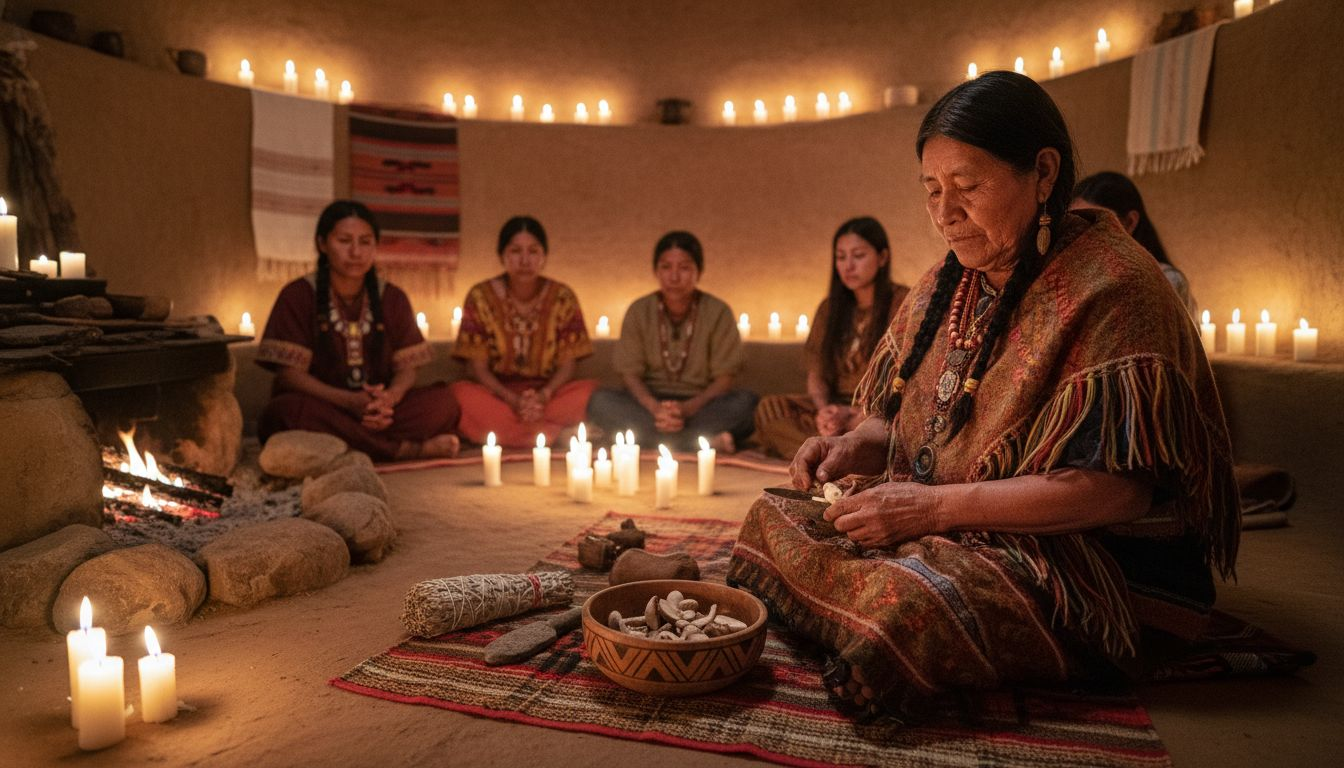
Mesoamerican cultures, particularly in Mexico, used psilocybin mushrooms in religious ceremonies for centuries. These practices treated psilocybin as a tool for spiritual insight, not escape or entertainment.
This traditional context forms the foundation for modern therapeutic interest. When scientists began researching psilocybin in recent decades, they weren’t discovering something new—they were validating what indigenous healers already knew.
The 1960s Counterculture Boom
Psilocybin gained popularity during the 1960s counterculture movement as a tool for consciousness exploration and social rebellion. What started in indigenous ceremonies became associated with rock concerts, artistic experimentation, and anti-establishment messaging.
This shift changed everything about how Western society viewed psilocybin:
- Perception shifted from sacred medicine to recreational drug
- Government response criminalized psilocybin across North America and Europe
- Underground culture drove research underground for decades
- Stigma stuck even as science progressed
The counterculture’s enthusiasm for psilocybin created lasting legal consequences that restricted research for over 50 years.
From Criminalization to Scientific Resurgence
Despite cultural significance and traditional use, psilocybin remained a controlled substance for decades. This classification restricted legitimate research and pushed exploration into underground contexts.
That’s changing. Canadian researchers and institutions now conduct legitimate psilocybin studies. Universities explore therapeutic applications for depression, anxiety, and PTSD. The stigma persists, but the legal and scientific landscape is shifting.
As a Canadian microdoser, you’re engaging with something that was criminalized partly due to 1960s associations, not scientific evidence. This context explains why psilocybin remains controversial despite growing research support.
Knowing this history helps you separate the mythology from the science. Indigenous cultures knew something valuable. The counterculture sensationalized it. Scientists are now validating it responsibly.
Here’s a summary contrasting key perspectives on psilocybin across history:
| Aspect | Indigenous Use | 1960s Counterculture | Modern Science |
|---|---|---|---|
| Purpose | Healing, spiritual insight | Creativity, rebellion | Clinical therapy |
| Societal Perception | Sacred medicine | Recreational drug, taboo | Promising treatment |
| Legal Status | Unregulated, traditional | Criminalized | Controlled, under review |
| Main Risk Concern | Spiritual misconduct | Legal crackdowns | Safety, efficacy, access |
Pro tip: When researching psilocybin, distinguish between indigenous traditions, counterculture mythology, and modern clinical evidence—each offers different insights into why this substance matters today.
Therapeutic Promise and Scientific Evidence
The buzz around psilocybin isn’t just hype. Major research institutions are investigating its potential to treat conditions that resist conventional medications. If you’re considering microdosing for mental health, understanding the actual science matters more than testimonials.
What Research Shows
Recent clinical investigations demonstrate therapeutic potential for depression, anxiety, and addiction-related disorders that haven’t responded to standard treatments. This isn’t speculation—controlled trials are expanding with early evidence supporting safety and efficacy.
The conditions showing promise include treatment-resistant depression, anxiety disorders, and smoking cessation. These are areas where existing medications often fail or produce significant side effects.
Scientists emphasize that this research remains ongoing. Early results look encouraging, but we’re not at the stage of psilocybin as a mainstream prescription yet.
Johns Hopkins and Institutional Research
Psilocybin’s safety in supervised medical settings has been demonstrated through rigorous studies funded by institutions like Johns Hopkins. The Center received $55 million in research funding to investigate how psilocybin affects brain function and mental health outcomes.
Key findings from major research include:
- Cancer anxiety reduction in patients facing terminal diagnoses
- Smoking cessation support with higher success rates than conventional approaches
- Depression symptom improvement lasting months after single doses
- Safety profiles comparable to or better than many psychiatric medications
Scientific evidence shows psilocybin works differently than traditional antidepressants—it appears to increase neuroplasticity rather than just adjusting neurotransmitter levels.
The Important Caveats
Research success doesn’t mean psilocybin is right for everyone or ready for casual microdosing without medical oversight. Scientists emphasize personalized treatment approaches and careful screening.
Current evidence supports psilocybin in controlled clinical settings with professional supervision. The research doesn’t yet validate self-directed microdosing for mental health as equivalent to medical treatment.
Canadian microdosers should understand this distinction. Therapeutic promise doesn’t equal proven home treatment. The science is compelling, but it’s still emerging.
What’s Next for Research
Expectations are high for ongoing trials. Universities and medical centers continue expanding psilocybin studies. Regulatory frameworks in some jurisdictions are shifting to allow supervised therapeutic use.
Canada’s approach remains cautious but evolving. As evidence accumulates, medical professionals may gain more tools for treating resistant mental health conditions.
The takeaway: psilocybin shows genuine therapeutic potential for specific conditions in controlled settings. That’s scientifically meaningful. It’s also different from microdosing claims you see online.
Pro tip: Compare psilocybin research from established institutions like Johns Hopkins and National Institutes of Health against anecdotal claims—the difference in rigor reveals why scientific evidence matters for your health decisions.
Legal Framework and Regulatory Challenges
Psilocybin exists in a complicated legal gray zone. It’s illegal federally in the United States, decriminalized in some jurisdictions, and under active regulatory review in others. For Canadian microdosers, understanding this landscape is critical because laws are shifting rapidly and enforcement varies.
Federal Scheduling and Legal Status
Psilocybin is classified as a Schedule I substance under the United States Controlled Substances Act, indicating the government views it as having high abuse potential and no accepted medical use. This classification complicates research and delays medical adoption despite growing scientific evidence.
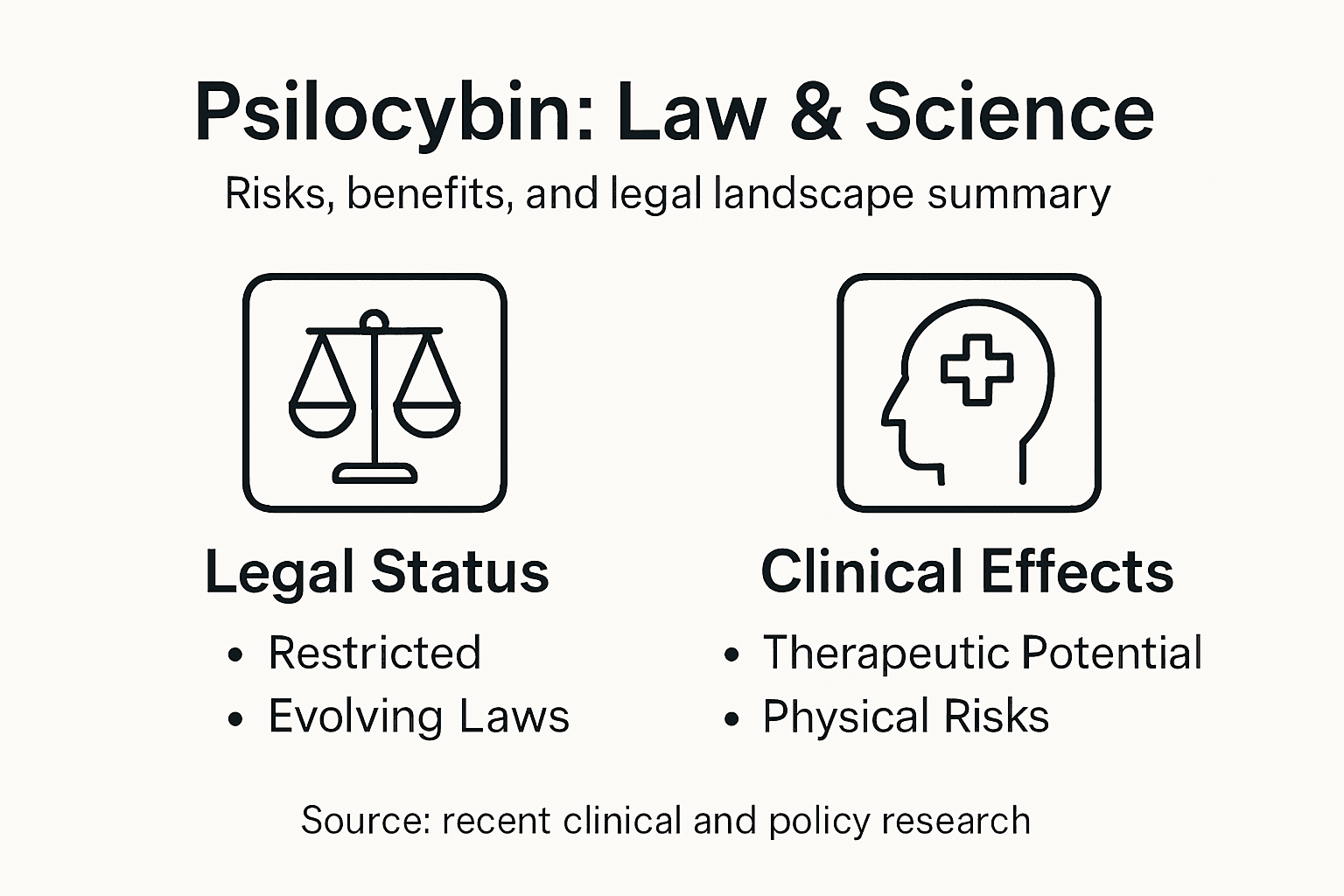
Canada operates under its own controlled substances framework. Psilocybin remains a restricted substance, though the legal landscape is evolving differently than in the United States.
The core problem: scheduling prevents legitimate medical access while therapeutic research advances. Regulators balance public safety concerns with the reality that psilocybin shows genuine medical promise.
The Regulatory Paradox
Governments face a dilemma. Research suggests psilocybin works for treatment-resistant depression and anxiety. Yet federal restrictions limit who can study it and how.
This creates contradictions:
- Scientists can’t easily access psilocybin for trials despite promising results
- Patients can’t legally obtain it even when clinical evidence supports its use
- Synthetic and natural forms both face identical restrictions regardless of differences
- Policy lags behind science by years or decades
The biggest regulatory challenge isn’t proving psilocybin works—it’s changing laws to allow medical professionals to use something the research supports.
Evolving State and International Approaches
Regulatory frameworks vary across jurisdictions as some regions explore legal medical or recreational frameworks. Oregon approved psilocybin therapy. Some cities decriminalized possession. International jurisdictions are testing different approaches.
Canada watches these experiments carefully. Federal policy hasn’t shifted to allow medical use yet, but conversations are happening among regulators and medical bodies.
The challenge includes establishing dosing standards, cultivation control, safety monitoring, and approval processes that don’t currently exist for psilocybin as a medicine.
What This Means for Canadian Microdosers
Canada’s legal status remains restrictive. Psilocybin possession is illegal without exemption. However, some access points exist through clinical trials and exemption processes.
The regulatory situation is genuinely in flux. What’s illegal today might have medical pathways tomorrow. Conversely, enforcement approaches vary by province and city.
Understanding this context matters. You’re engaging with something at the intersection of emerging science, outdated laws, and shifting policy. None of this means psilocybin is inherently dangerous—it means regulations haven’t caught up with evidence.
To help clarify current legal realities, here’s a comparison of psilocybin regulation in Canada and the USA:
| Criteria | Canada | United States |
|---|---|---|
| Federal Status | Restricted substance | Schedule I drug |
| Research Access | Allowed via exemptions | Highly restricted |
| Medical Pathways | Clinical trials, exemptions | Limited, some research only |
| Recreational Use | Illegal, varies by province | Illegal, some cities decriminalized |
Pro tip: Track regulatory changes through official Canadian sources like Health Canada and provincial bodies rather than social media, since laws are changing and misinformation spreads faster than official updates.
Public Health Risks and Ongoing Stigma
Psilocybin isn’t risk-free, and pretending otherwise does a disservice to anyone considering microdosing. Real physical and psychological risks exist, along with genuine public health concerns. Understanding these honestly matters more than sugar-coating the reality.
Real Physical and Psychological Risks
Psilocybin use carries risks including nausea, vomiting, muscle weakness, and coordination loss. At higher doses, hallucinations intensify and panic reactions become possible. Misidentified mushrooms create poisoning risks, especially when foraging wild specimens.
Psychological effects can be significant. Intense emotional experiences, difficulty discerning reality, and potential psychosis at high doses represent genuine concerns. These risks escalate with improper dosing or use in unstable mental states.
Physical reactions include increased heart rate and blood pressure. People with cardiovascular conditions face specific risks that demand caution.
The Mushroom Identification Problem
Foraging creates serious hazards. Psilocybe mushrooms resemble toxic species. Misidentification leads to poisoning with symptoms ranging from severe illness to death.
This isn’t theoretical. People hospitalized from eating wrong mushrooms happens regularly. If you source psilocybin, this risk is real and avoidable only through verified suppliers.
Psychological Vulnerability and Lasting Effects
Potential for panic reactions and psychosis exists, especially with reality distortion that can lead to dangerous behavior. People with personal or family histories of schizophrenia or psychosis face elevated risks.
Psychological effects aren’t always short-term. Intense experiences can create lasting psychological impacts. Difficult trips sometimes require months of processing.
The risk isn’t addiction in the traditional sense. The risk is psychological destabilization in vulnerable individuals.
How Stigma Complicates Everything
Persistent stigma creates real harms:
- People hide their use from doctors who could monitor safety
- Medical professionals dismiss symptoms because psilocybin carries negative associations
- Policy lags as officials worry about public perception over evidence
- Users lack access to guidance on harm reduction and safe practices
- Research remains restricted despite promising therapeutic results
Stigma doesn’t protect public health—it prevents honest conversations about actual risks and benefits.
Responsible Harm Reduction
Accepting psilocybin’s risks doesn’t mean accepting preventable harms. Responsible microdosing includes screening for contraindications, starting with minimal doses, avoiding use when mentally unstable, and having sober support available.
Canadian microdosers should understand: therapeutic research happens in controlled settings with screening, dosing protocols, and professional support. Self-directed use removes these protections.
The stigma makes honest discussion harder. Scientists acknowledge risks while studying therapeutic potential. That nuance gets lost when the substance remains Schedule I and discussions happen underground.
Pro tip: Before trying psilocybin, honestly assess your mental health history, any family psychiatric conditions, cardiovascular concerns, and current medications—these factors determine whether the risks outweigh any potential benefits for your specific situation.
Navigate Psilocybin Safely With Trusted Guidance and Quality Products
Understanding the complex risks, benefits, and legal uncertainties around psilocybin can feel overwhelming. Whether you seek natural support for anxiety reduction, enhanced focus, or meaningful psychedelic experiences, informed choices matter now more than ever. This article highlights the importance of accurate knowledge about dosage, legal status, and therapeutic potential — challenges many Canadian microdosers face today.
At Fungal Friend, we bridge this gap with responsibly curated microdose mushrooms, infused teas, and chocolates designed for safety and effectiveness. Our resources demystify legal considerations, strain differences, and dosing questions to empower your journey. When you shop at our trusted Canadian storefront, you gain not only quality products but also a commitment to education and harm reduction.
Looking to start microdosing with confidence or deepen your understanding of psilocybin’s role in mental wellness?
Microdose Psilocybin Products can elevate your approach safely and legally.
Explore our carefully selected offerings and expert guidance today at Fungal Friend and take the next step in aligning education with experience. Your well-being and clarity deserve no less.
Frequently Asked Questions
What is psilocybin and how does it work in the body?
Psilocybin is a psychoactive compound found in certain mushrooms. When ingested, it is metabolized into psilocin, which interacts with serotonin receptors in the brain, leading to various psychological effects, including altered perception and emotional intensity.
Are there any risks associated with using psilocybin?
Yes, psilocybin use can carry physical and psychological risks, such as nausea, vomiting, increased heart rate, and potential panic reactions. Misidentifying mushrooms during foraging can also lead to poisoning.
How does psilocybin differ from recreational drugs?
Unlike recreational drugs that produce a high or craving for more, psilocybin causes psychedelic experiences without inducing physical dependence or addiction pathways like those seen with opioids or stimulants.
What is the current legal status of psilocybin?
Psilocybin is classified as a Schedule I substance in the United States, which limits research and medical access. In other jurisdictions, regulation is evolving, with some areas allowing for therapeutic research and potential medical use.