
Psilocybin vs Traditional Medication: Who Benefits Most?
For many Canadian adults, finding relief from anxiety and low mood often means navigating a maze of medication options that come with mixed results and persistent side effects. The rise of psilocybin as a naturally occurring psychedelic compound challenges the long-established pharmaceutical paradigm, prompting questions about safety, efficacy, and lasting impact. This overview clarifies how psilocybin and traditional medications differ at their core, helping you make thoughtful choices around mental health support.
Table of Contents
- Defining Psilocybin And Traditional Medication
- How Psilocybin And Antidepressants Work
- Comparing Efficacy And Treatment Outcomes
- Side Effects, Risks, And Safety Profile
- Legal Status And Access In Canada
Key Takeaways
| Point | Details |
|---|---|
| Psilocybin vs. Traditional Medications | Psilocybin is a natural psychedelic, while traditional medications are synthetic, targeting specific neurotransmitters. |
| Dosing and Duration | Psilocybin typically involves occasional dosing and provides acute experiences, unlike daily-use traditional medications offering ongoing effects. |
| Efficacy in Treatment-Resistant Cases | Psilocybin shows promise for individuals who do not respond to traditional antidepressants, offering potentially longer-lasting benefits. |
| Legal Access in Canada | Access to psilocybin is limited and requires navigating complex legal frameworks, unlike traditional medications which are widely available by prescription. |
Defining Psilocybin and Traditional Medication
Understanding the difference between psilocybin and traditional medications starts with knowing what each one actually is. These represent two fundamentally different approaches to treating mental health conditions, each with distinct origins, mechanisms, and evidence bases.
Psilocybin: Nature’s Psychedelic
Psilocybin is a naturally occurring psychedelic compound found in specific mushroom species around the world. Indigenous cultures have used these mushrooms in healing and spiritual rituals for centuries, particularly in Mesoamerica and other regions. What makes psilocybin unique is its ability to interact with serotonin receptors in the brain, creating profound shifts in perception and consciousness.
The compound itself is not synthetic—it comes directly from fungi. When you consume psilocybin, your body metabolizes it into psilocin, the active form that produces therapeutic and psychoactive effects. Researchers have identified psilocybin’s psychoactive properties as distinctly different from conventional psychiatric medications.
Traditional Medications: Chemically Engineered
Traditional medications for anxiety and mood disorders are chemically synthesized pharmaceuticals created in laboratories. These include selective serotonin reuptake inhibitors (SSRIs) like sertraline, paroxetine, and fluoxetine, as well as anxiolytics and other psychiatric drugs.
These medications work by targeting specific neurotransmitters in predictable, consistent ways. An SSRI, for example, prevents the reuptake of serotonin, allowing more of it to remain active in your brain. This mechanism is well-understood and has been refined over decades of clinical use.
Key Differences at a Glance
Here’s how they compare across major dimensions:
- Origin: Psilocybin is natural; traditional medications are synthetic
- Mechanism: Psilocybin affects multiple brain systems; traditional meds target specific neurotransmitters
- Duration: Psilocybin creates acute experiences; traditional meds provide continuous daily effects
- Dosing: Psilocybin involves occasional doses; traditional meds require daily consumption
- History: Psilocybin has thousands of years of cultural use; pharmaceuticals have roughly 70 years of clinical history
Why These Distinctions Matter
The way a substance is produced affects how your body processes it. Psilocybin’s natural origin means it works within existing biological pathways that have evolved over millennia. Traditional medications, being synthetic, follow more predictable pharmacological patterns but may not engage your brain’s natural systems as holistically.
Canadian adults exploring mental health support should recognize that choosing between these isn’t simply picking the “better” option. Instead, it’s about understanding what each does, how they work differently, and who they’re likely to benefit most.
Psilocybin and traditional medications represent different therapeutic philosophies—one rooted in natural compounds and consciousness exploration, the other in targeted neurochemical intervention.
Pro tip: Before considering either option, get clear on your specific symptoms and goals. Are you seeking daily mood stabilization or occasional breakthrough relief? This fundamental question determines which approach makes more sense for your situation.
To clarify how psilocybin and traditional medications diverge, here is a summary of their characteristics across critical dimensions:
| Dimension | Psilocybin | Traditional Medications |
|---|---|---|
| Source | Natural mushroom compound | Synthetic pharmaceutical |
| Treatment Style | Single-session, guided | Daily, self-administered |
| Typical Duration | Hours per experience | Ongoing, indefinite |
| Therapeutic Approach | Insight-focused, neuroplastic effects | Symptom management, neurochemical balance |
| Dependency Risk | None, no physical need | Possible with long-term use |
| Legal Access in Canada | Restricted, special approval | Widely available by prescription |
How Psilocybin and Antidepressants Work
Psilocybin and antidepressants tackle anxiety and depression through completely different mechanisms. Understanding how each operates in your brain explains why they produce such different timelines, side effects, and outcomes.
How Antidepressants Function
Traditional antidepressants like SSRIs work by increasing serotonin levels in your brain. When you take sertraline or fluoxetine daily, these medications block the reabsorption of serotonin between neurons, allowing more of it to remain active.
This mechanism is straightforward but requires patience. Most SSRIs take 4 to 6 weeks to show noticeable effects, and many people need to try multiple medications before finding one that works. Daily dosing is non-negotiable—you take the medication consistently to maintain symptom relief.
How Psilocybin Works Differently
Psilocybin operates on an entirely different principle. Instead of continuously blocking neurotransmitter reuptake, psilocybin acts acutely on serotonin receptors, specifically the 5-HT2A receptor, which influences emotional processing networks throughout your brain.
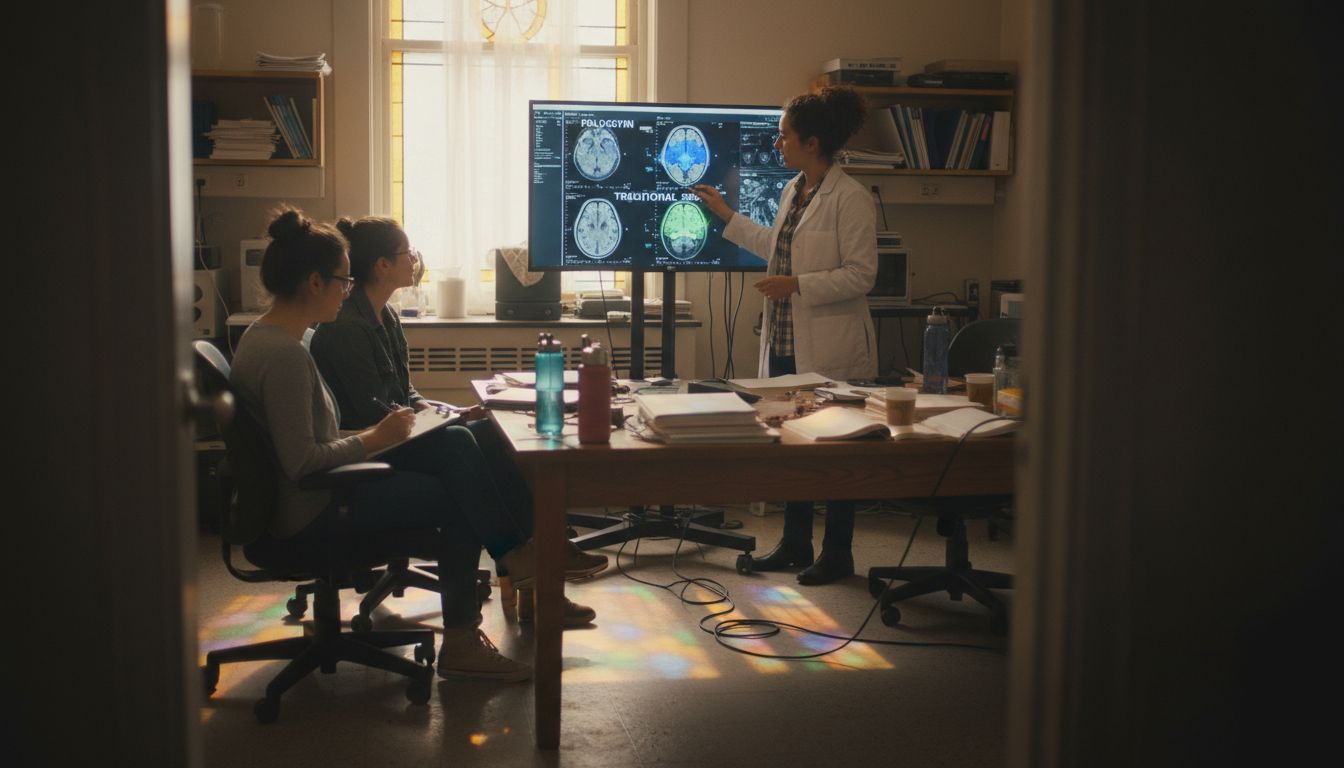
This activation doesn’t just alter chemistry—it reorganizes how your brain processes thoughts and emotions. A single psilocybin session combined with therapy can facilitate insights that persist long after the experience ends.
Key Mechanism Differences
Here’s what separates these two approaches:
- Dosing pattern: SSRIs require daily administration; psilocybin uses limited, spaced sessions
- Timeline to effect: SSRIs take weeks; psilocybin produces effects during the session itself
- Brain activation: SSRIs target one neurotransmitter system; psilocybin engages multiple neural networks
- Psychological component: SSRIs work chemically alone; psilocybin requires guided therapeutic support
- Lasting effects: SSRI benefits depend on continued use; psilocybin may produce durable changes after a few sessions
Neuroplasticity: The Game-Changer
Psilocybin’s most significant advantage involves neuroplasticity—your brain’s ability to form new neural connections. Psilocybin treatments may produce lasting effects through neuroplasticity and psychological insight, enabling your brain to physically reorganize its response patterns.
Antidepressants help manage symptoms while you’re taking them, but they don’t necessarily rewire how your brain processes emotional information. Once you stop taking an SSRI, symptoms often return because the underlying neural architecture hasn’t fundamentally changed.
With psilocybin, the experience acts as a catalyst for change. You gain psychological insights during the session that continue reshaping your thinking weeks and months afterward.
Psilocybin creates acute, intense experiences that catalyze lasting brain changes, while antidepressants provide steady chemical support that requires continuous maintenance.
Pro tip: If you’re currently on an SSRI and considering psilocybin exploration, never stop your medication abruptly or combine them without medical guidance. Work with a healthcare provider to understand potential interactions and develop a safe transition plan.
Comparing Efficacy and Treatment Outcomes
When you’re weighing psilocybin against traditional antidepressants, the data gets interesting—and nuanced. Both show effectiveness, but they achieve results in fundamentally different ways and timelines.
Speed of Results
Antidepressants typically take 4 to 8 weeks before you notice meaningful improvement. Some people wait even longer to find the right medication and dosage combination. With psilocybin, the therapeutic window is compressed dramatically.
Many participants report significant mood shifts during or immediately after a single guided session. This rapid onset is one of psilocybin’s most compelling advantages for people exhausted by months of waiting.
Durability of Response
Here’s where the comparison gets complex. Traditional antidepressants provide steady symptom management as long as you take them daily. Stop the medication, and your symptoms typically return within weeks.
Psilocybin appears to work differently. Psilocybin may offer longer-lasting effects after limited sessions compared to standard medication timelines. The psychological insights and neurological changes seem to persist long after the experience ends, reducing the need for continuous chemical intervention.
Efficacy in Treatment-Resistant Cases
For people who haven’t responded to multiple SSRI trials, psilocybin shows remarkable promise. Clinical evidence suggests psilocybin-assisted therapy holds promise as an effective treatment for depression, particularly in cases where traditional medications have failed.
This matters significantly for Canadian adults stuck in a cycle of antidepressant trials without relief. When SSRIs don’t work, psilocybin offers a genuinely different approach.
Comparing Key Outcomes
Here’s how the results stack up:
- Response time: Psilocybin produces faster effects; SSRIs require weeks of adjustment
- Symptom improvement: Both reduce depression and anxiety significantly
- Quality of life gains: Psilocybin often includes broader improvements beyond symptom reduction
- Relapse rates: Limited data exists, but psilocybin’s effects appear more durable
- Side effect burden: Psilocybin causes temporary effects; SSRIs often cause persistent side effects
The Caveat: Study Limitations
Most psilocybin research involves small sample sizes and carefully selected participants. Large-scale, rigorous trials comparing psilocybin directly to antidepressants remain limited.
Antidepressant research spans decades with millions of users worldwide. This creates an asymmetry in evidence—we have more confidence in SSRI data simply because we have more of it.
Psilocybin shows comparable or superior outcomes to some antidepressants with faster onset and longer durability, but research is still evolving while SSRI evidence is well-established.
Pro tip: Don’t view this as an either-or choice. Some Canadian clinicians explore psilocybin-assisted therapy as a complement to antidepressants, particularly for people on SSRIs who want to explore additional breakthroughs without abandoning medication.
Side Effects, Risks, and Safety Profile
When comparing safety between psilocybin and traditional antidepressants, the picture is surprisingly different from what many people assume. Both carry risks, but the nature and duration of those risks diverge significantly.
Psilocybin’s Side Effect Profile
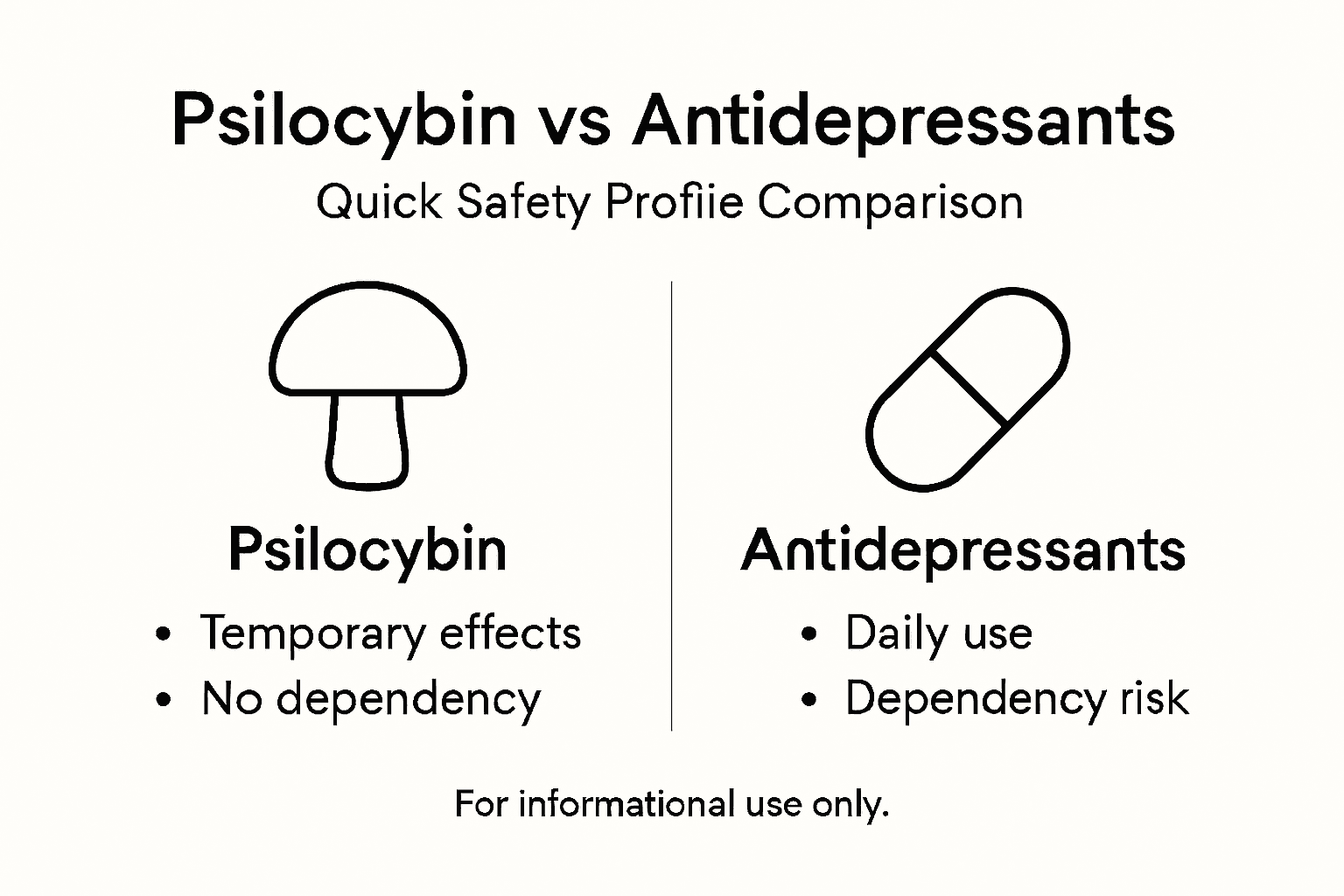
Psilocybin’s side effects are typically acute and temporary, occurring during and shortly after the experience. Common effects include mild anxiety, visual disturbances, and temporary confusion that resolve within hours.
When psilocybin is administered in controlled clinical settings, it demonstrates low toxicity and is generally well-tolerated. Serious adverse events remain rare, particularly with proper screening and psychological support.
Traditional Medication Side Effects
Antidepressants present a different challenge. While they’re effective, many people experience persistent side effects from daily use:
- Gastrointestinal issues like nausea or diarrhea
- Sexual dysfunction affecting intimacy
- Weight gain or metabolic changes
- Emotional blunting or reduced motivation
- Withdrawal symptoms when stopping abruptly
These effects don’t disappear after one session—they accumulate over months of continuous use.
The Dependency Question
Traditional medications carry dependency risks, especially benzodiazepines and some sedating antidepressants. After weeks or months of use, your brain adapts to the medication’s presence, making discontinuation difficult.
Psilocybin shows no evidence of physical dependency. You can take it once and experience lasting benefits without needing repeated doses to maintain effects. This represents a fundamental difference in how these substances interact with your nervous system.
Comparing Risk Profiles
Here’s the safety breakdown:
- Physical toxicity: Psilocybin is low-toxicity; antidepressants carry long-term organ and metabolic risks
- Psychological effects: Psilocybin’s temporary; traditional meds’ effects persist daily
- Dependency potential: Psilocybin none; some antidepressants moderate-to-high
- Withdrawal severity: Psilocybin minimal; antidepressants can cause significant withdrawal syndrome
- Screening requirements: Both require thorough assessment, but psilocybin needs stronger psychological evaluation
Critical Safety Considerations
Psilocybin isn’t risk-free. People with untreated psychosis, severe mental health conditions, or certain medications shouldn’t use it. That’s why proper screening and psychological support are essential.
Antidepressants carry fewer screening restrictions but demand long-term monitoring for metabolic and cardiovascular effects.
Psilocybin’s risks are acute and psychological; antidepressants’ risks are chronic and physiological—each requiring different safety approaches.
Pro tip: Before exploring psilocybin, disclose your full medical history and current medications to a healthcare provider. Some drug interactions can be serious, and professional guidance ensures you’re choosing the safest path for your specific situation.
The following table outlines notable differences in side effect and risk profiles for each approach:
| Safety Factor | Psilocybin | Antidepressants |
|---|---|---|
| Main Side Effects | Temporary perception changes | Nausea, weight gain, sexual issues |
| Risk Timing | Acute, during session | Ongoing with daily use |
| Withdrawal Potential | Minimal or none | Can be significant |
| Dependency Potential | No physical risk | Possible, especially benzodiazepines |
| Supervision Needed | Specialized screening crucial | Regular medical check-ups |
Legal Status and Access in Canada
Understanding psilocybin’s legal landscape in Canada is crucial before exploring it as a mental health option. The legal situation differs significantly from traditional antidepressants, which are widely accessible through standard prescriptions.
Current Legal Status
Psilocybin remains a Schedule III controlled substance under Canada’s Controlled Drugs and Substances Act. This means possession without authorization is illegal, and the legal consequences can be serious.
However, Canada’s regulatory framework is evolving. Health Canada has established pathways for accessing psilocybin through authorized clinical trials and, more recently, through special access programs for patients with specific mental health conditions.
Accessing Psilocybin Legally
Canadian adults exploring psilocybin have limited but growing options:
- Clinical trials: Participating in approved research studies at Canadian universities and medical centers
- Special Access Programs: Health Canada’s emergency access pathway for patients with treatment-resistant conditions
- Therapeutic settings: Licensed clinics operating under Health Canada authorization in select provinces
- Medical exemptions: Rare cases where physicians obtain specific authorization
These pathways differ dramatically from simply walking into a pharmacy for antidepressants.
Comparison With Traditional Medications
Antidepressants present zero legal friction. Your doctor prescribes them, your pharmacy fills the prescription, and you’re covered by your provincial health plan. No legal risk exists.
Psilocybin requires navigating complex regulatory approval processes. Even in authorized clinical settings, access remains restricted to specific patient populations meeting rigorous criteria.
Decriminalization Movements
Some Canadian cities have explored decriminalization initiatives, deprioritizing psilocybin prosecution. These don’t legalize the substance but signal shifting public and official attitudes toward therapeutic potential.
Toronto and Vancouver have been particularly active in supporting psilocybin research and discussions around regulatory reform. These developments suggest the landscape may shift further in coming years.
Understanding Canadian psilocybin safety regulations ensures you make informed decisions about access pathways that align with both your health goals and legal standing.
Key Access Barriers
Here’s what makes psilocybin access challenging in Canada:
- Limited approved clinical sites across provinces
- Strict eligibility requirements excluding many interested candidates
- Higher costs than standard prescriptions (often not covered by insurance)
- Longer waitlists due to demand exceeding supply
- Geographic limitations forcing some Canadians to travel
Canada permits psilocybin access through authorized channels, but availability remains restricted compared to freely accessible traditional medications.
Pro tip: If you’re interested in legal psilocybin access, contact organizations conducting clinical trials in your province or consult with healthcare providers familiar with Health Canada’s special access programs. Staying informed about regulatory changes ensures you can act quickly when new pathways emerge.
Embrace Natural Support for Mental Wellness with Fungal Friend
Navigating the complex choices between psilocybin and traditional medications can feel overwhelming. If you are searching for a natural, holistic approach to anxiety reduction, mood balance, or deeper psychedelic exploration, understanding your options is just the first step. This article illuminated how psilocybin offers unique neuroplastic and insight-driven benefits compared to daily antidepressants. Now it is time to explore how carefully curated microdose psilocybin products can fit into your wellness journey safely and effectively.
Discover the power of expertly crafted mushroom capsules, infused teas, and magic mushroom chocolates designed to support your mental clarity and emotional balance. At Fungal Friend, we focus on quality, safety, and education so you can confidently integrate natural psychedelics into your routine. Whether you are seeking gentle microdosing blends for daily calm or wish to experience more profound sessions, our selection is tailored to meet your specific goals. Start your path toward enhanced mental wellness today by visiting Fungal Friend and learn more about legal, safe options for Canadians. Your next step toward greater clarity and well-being begins here.
Frequently Asked Questions
What is psilocybin and how does it differ from traditional medications?
Psilocybin is a naturally occurring psychedelic compound found in certain mushrooms, while traditional medications are chemically synthesized pharmaceuticals. Psilocybin acts on multiple brain systems to create profound shifts in perception, while traditional medications, such as SSRIs, specifically target neurotransmitters to manage symptoms.
How do psilocybin and traditional medications work in treating anxiety and depression?
Traditional medications like SSRIs increase serotonin levels in the brain over time, typically taking 4 to 6 weeks to show effects. In contrast, psilocybin produces immediate changes during a session by activating serotonin receptors, leading to insights that can persist long after the experience.
What are the potential side effects of psilocybin compared to traditional antidepressants?
Psilocybin is known for its temporary side effects, such as mild anxiety and visual disturbances, which resolve quickly. In contrast, traditional antidepressants can cause persistent side effects like nausea, weight gain, and emotional blunting over long-term use.
Who might benefit more from psilocybin versus traditional medications?
Psilocybin may benefit individuals who have not found relief from traditional medications, especially those with treatment-resistant depression. It offers a different approach that focuses on neuroplasticity and psychological insights, making it suitable for people seeking a non-traditional therapy option.