
Psilocybin Safety for Canadians: 2025 Rules & Realities
Microdosing psilocybin for anxiety and productivity is gaining traction among Canadian adults, yet more than half of users remain unclear about key safety rules and legal restrictions. With American headlines fueling myths and uncertainty, many are searching for reliable guidance tailored to Canadian realities. This article breaks down common misconceptions, updated legal frameworks for 2025, and essential harm reduction steps, supporting your pursuit of mental wellness through responsible microdosing.
Table of Contents
- What Psilocybin Is and Common Misconceptions
- Microdosing and Therapeutic Use Explained
- Current Legal Status Across Canada in 2025
- Safe Dosing: Protocols and Harm Reduction
- Potential Risks, Side Effects, and Interactions
- Recognizing Quality, Sourcing, and Product Safety
Key Takeaways
| Point | Details |
|---|---|
| Psilocybin Overview | Psilocybin is a non-addictive psychoactive compound with potential therapeutic benefits, primarily affecting serotonin receptors in the brain. |
| Microdosing Benefits | Microdosing may enhance mood and cognitive function without full psychedelic experiences, requiring personalized strategies for each individual. |
| Legal Regulations in Canada | Psilocybin remains a controlled substance in Canada, with access regulated for medical and therapeutic use through rigorous approval processes. |
| Quality Standards for Sourcing | Ensuring product safety involves verifying chemical purity and sourcing from reputable manufacturers that follow strict testing protocols. |
What Psilocybin Is and Common Misconceptions
Psilocybin represents a naturally occurring psychoactive compound found in over 200 species of mushrooms, primarily within the Psilocybe genus. As a chemical compound with complex neurological effects, psilocybin acts as a serotonin receptor agonist, producing profound alterations in perception, mood, and cognitive processing.
Unlike popular misconceptions, psilocybin is not an addictive substance. Research indicates that it lacks the typical neurochemical mechanisms associated with substance dependence. The compound temporarily modifies brain connectivity, creating experiences characterized by enhanced emotional processing, altered time perception, and potential therapeutic insights. These effects emerge through psilocybin’s interaction with serotonin receptors, particularly the 5-HT2A receptor, which triggers unique neural network reorganizations.
Common myths surrounding psilocybin often revolve around safety concerns and potential psychological risks. However, contemporary scientific research suggests controlled, intentional use within appropriate settings can provide significant mental health benefits. Emerging clinical studies demonstrate promising applications for treating depression, anxiety, addiction, and treatment-resistant psychological conditions. The compound’s potential lies not in recreational exploitation, but in carefully monitored therapeutic contexts that respect its powerful neurological interactions.
Pro tip: Always consult medical professionals and understand your personal health history before considering any psilocybin-related experiences, and never combine with other medications without expert guidance.
Microdosing and Therapeutic Use Explained
Microdosing represents a nuanced approach to psilocybin consumption, characterized by taking extremely low, sub-hallucinogenic doses designed to provide subtle therapeutic benefits without producing full psychedelic experiences. Emerging research explores microdosing’s potential benefits for mental wellness, focusing on incremental improvements in mood, cognitive function, and emotional regulation.
Typically, a microdose involves consuming approximately one-tenth of a standard psychedelic dose, carefully calibrated to minimize perceptual alterations while potentially enhancing neural plasticity. The primary therapeutic goals include managing symptoms of depression, reducing anxiety, improving focus, and supporting overall mental health resilience. Individuals practicing microdosing often report increased creativity, emotional stability, and a greater sense of psychological well-being without experiencing the intense introspective journeys associated with full-dose psychedelic experiences.
Canadian researchers and mental health professionals are increasingly interested in understanding microdosing’s clinical applications. Current scientific investigations aim to establish standardized protocols, assess long-term safety profiles, and determine precise therapeutic mechanisms. While promising, the field requires more comprehensive longitudinal studies to definitively validate microdosing’s effectiveness across different psychological conditions. Responsible practitioners emphasize the importance of individual variability, recommending personalized approaches that consider unique neurochemical landscapes and existing mental health contexts.
Pro tip: Consult with a healthcare professional experienced in psychedelic medicine to develop a personalized microdosing strategy that aligns with your specific mental health goals and medical history.
Current Legal Status Across Canada in 2025
As of 2025, psilocybin remains a controlled substance in Canada, with complex legal frameworks governing its possession, distribution, and use. Specific exemptions exist for medical research that allow carefully regulated access through specialized licensing and therapeutic treatment protocols. The legal landscape continues to evolve, reflecting ongoing scientific research and changing perspectives on psychedelic compounds.
Health Canada maintains strict regulations, permitting psilocybin access only through authorized channels. These include clinical trials, special access programs for treatment-resistant medical conditions, and research initiatives exploring therapeutic potential. Medical professionals and patients seeking psilocybin treatment must navigate a rigorous approval process that involves comprehensive medical documentation, professional endorsements, and detailed treatment plans demonstrating medical necessity.
The legal environment surrounding psilocybin in 2025 represents a nuanced balance between public safety and emerging therapeutic applications. Provincial regulations may differ slightly, creating a complex patchwork of legal interpretations. While unauthorized possession remains prohibited, increasing scientific evidence and court challenges are gradually reshaping legal perspectives, suggesting potential future expansions of controlled medical and therapeutic access.
Pro tip: Always consult legal professionals and healthcare providers to understand the most current regulations specific to your province and individual medical circumstances.
Safe Dosing: Protocols and Harm Reduction
Psilocybin dosing requires a sophisticated approach that balances therapeutic potential with individual safety considerations. Clinical trials suggest careful dosage protocols that prioritize medical supervision and structured psychological support. Researchers recommend personalized strategies that account for individual physiological and psychological variables, ensuring a controlled and intentional therapeutic experience.
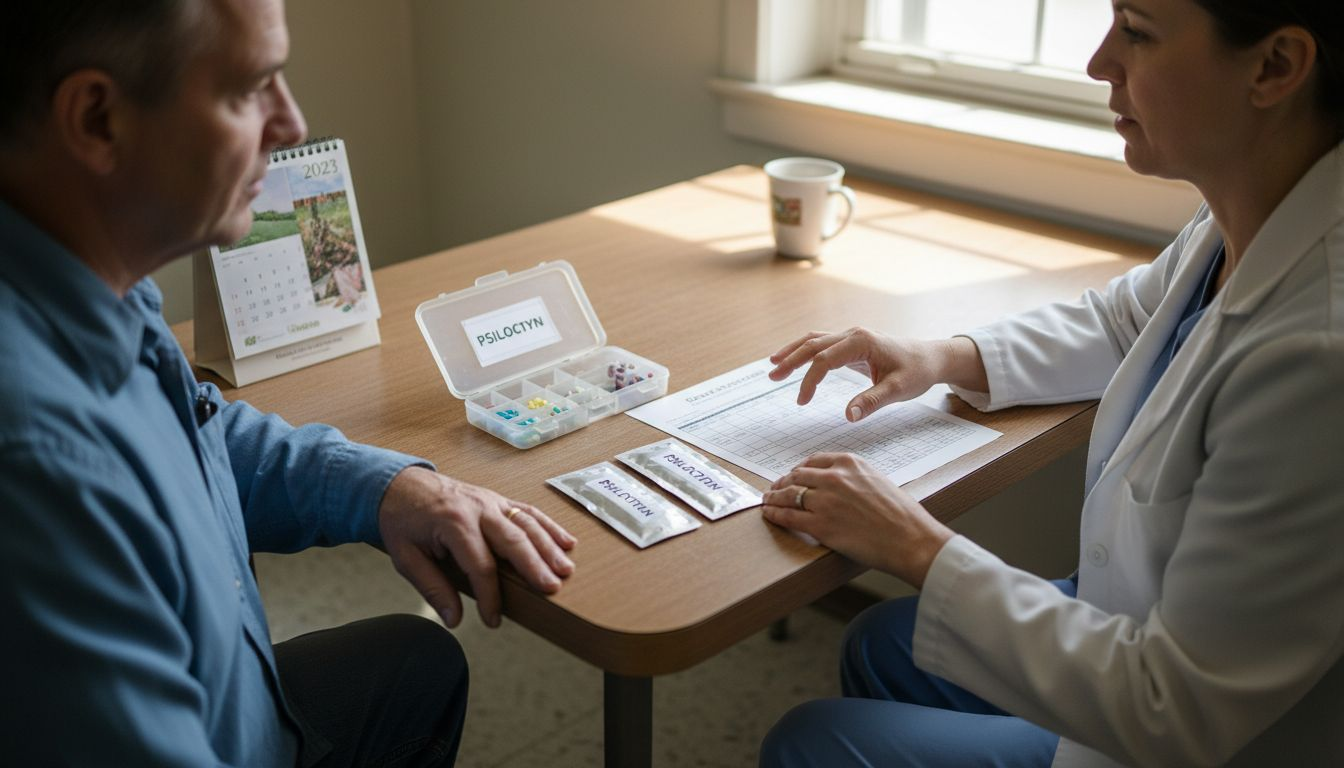
Standard dosing guidelines typically range between 10-25 milligrams, with precise measurements crucial for minimizing potential risks. Healthy subjects in clinical studies have demonstrated transient physiological responses without significant long-term adverse effects when administered under professional guidance. The recommended approach involves comprehensive pre-screening, including detailed medical history assessments, cardiovascular evaluations, and psychological readiness screenings to identify potential contraindications or heightened risk factors.
Harm reduction strategies extend beyond initial dosage determination. Critical elements include creating a supportive environment, having a trained professional present, establishing clear psychological support protocols, and implementing careful monitoring during and after the therapeutic session. These strategies help mitigate potential psychological distress, manage unexpected physiological responses, and ensure participant safety throughout the therapeutic intervention. The emerging research emphasizes the importance of set and setting, recognizing that psychological preparation and environmental context significantly influence the overall therapeutic experience.
Pro tip: Always undergo comprehensive medical screening and consult with licensed professionals who specialize in psychedelic-assisted therapy before considering any psilocybin treatment.
Potential Risks, Side Effects, and Interactions
Psilocybin usage carries complex physiological and psychological implications that demand careful consideration. Scientific research identifies critical potential risks encompassing both immediate and potential long-term effects. Individuals considering psilocybin therapy must understand the nuanced spectrum of potential side effects and individual variability in response.
Physiological risks include transient cardiovascular changes such as increased heart rate and blood pressure, temporary perceptual distortions, and potential gastrointestinal discomfort. Psychological risks are more complex, potentially triggering anxiety, temporary emotional instability, or rare but serious adverse psychiatric reactions. Specific populations face heightened risks, including individuals with pre-existing mental health conditions like bipolar disorder, schizophrenia, or a personal or family history of psychotic disorders.
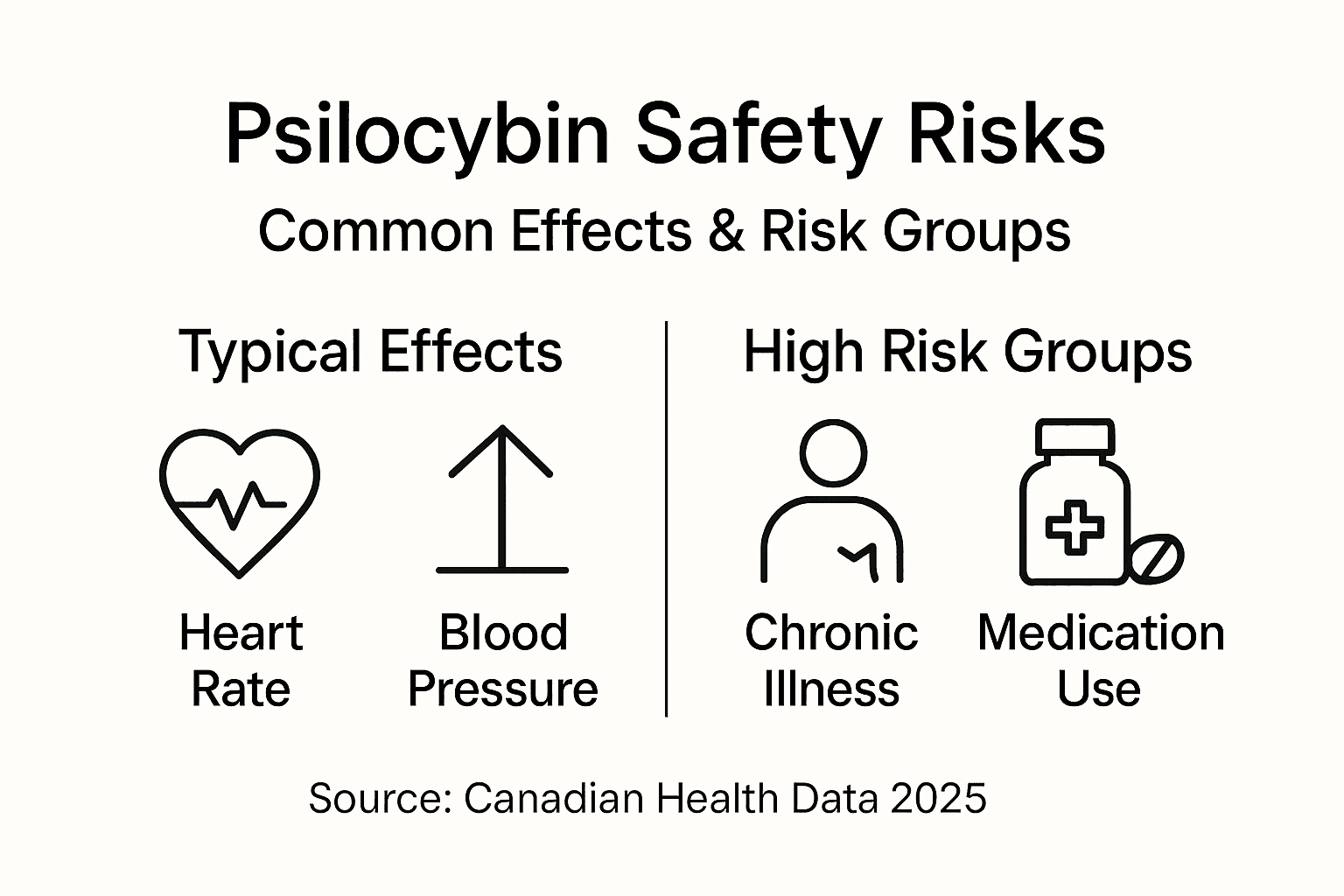
Medication interactions represent another critical risk dimension. Psilocybin can potentially interact dangerously with antidepressants, particularly selective serotonin reuptake inhibitors (SSRIs), creating potential serotonin syndrome risks. Psychiatric medications, blood pressure treatments, and certain neurological drugs may also create unpredictable interactions. Additionally, combining psilocybin with other substances like alcohol, stimulants, or cannabis can significantly amplify potential adverse effects and compromise overall safety.
Here is a summary of psilocybin risks, side effects, and populations with unique vulnerabilities:
| Category | Typical Effects | Populations at Higher Risk | Key Interaction Risks |
|---|---|---|---|
| Physiological | Increased heart rate, mild nausea | Those with heart or blood pressure issues | SSRI medications may intensify harm |
| Psychological | Temporary anxiety, mood shifts | History of psychosis or bipolar disorder | Psychiatric drugs may trigger instability |
| Substance Interactions | Serotonin syndrome, amplified effect | Polypharmacy users, drinkers, cannabis users | Alcohol and stimulants increase dangers |
Pro tip: Maintain a comprehensive medication log and discuss your complete medical history with a qualified healthcare professional before considering any psilocybin-related therapeutic intervention.
Recognizing Quality, Sourcing, and Product Safety
As psilocybin moves towards broader therapeutic acceptance, establishing rigorous quality standards becomes paramount. New regulatory frameworks are developing comprehensive quality guidelines to ensure pharmaceutical-grade consistency, purity, and manufacturing compliance. These emerging standards aim to protect consumer safety and build trust in psilocybin therapeutics.
Key quality indicators include precise chemical assay limits, verifiable purity percentages, comprehensive microbial testing, and transparent manufacturing documentation. Consumers and medical professionals should prioritize sources that provide comprehensive third-party laboratory testing results, demonstrating consistent alkaloid content, absence of contaminants, and adherence to strict pharmaceutical-grade production protocols. Reputable producers will offer detailed certificates of analysis that transparently showcase molecular composition, potential impurities, and exact psilocybin concentration.
Below is a reference table outlining important quality indicators for sourcing safe psilocybin products:
| Quality Indicator | Why It Matters | What To Look For |
|---|---|---|
| Chemical Purity | Ensures consistent dosing | Purity >98% on lab reports |
| Microbial Testing | Reduces contamination risk | No detectable contaminants |
| Third-Party Verification | Builds trust and transparency | Independent lab certificates |
| Strain Documentation | Predicts therapeutic consistency | Genetic profile disclosed |
Beyond laboratory metrics, responsible sourcing involves understanding cultivation practices, environmental sustainability, and ethical production standards. The most reliable psilocybin products emerge from controlled laboratory environments that minimize potential biological contamination and ensure consistent genetic profiles. Responsible manufacturers invest in rigorous quality control processes, including genetic sequencing, comprehensive strain documentation, and ongoing research collaborations that advance understanding of psilocybin’s therapeutic potential.
Pro tip: Always request and independently verify third-party laboratory testing results before considering any psilocybin product, ensuring comprehensive transparency and personal safety.
Discover Safe and Informed Psilocybin Use with Fungal Friend
Navigating the evolving legal landscape and safety considerations around psilocybin in Canada can feel overwhelming. This article highlights critical challenges such as understanding dosing protocols, recognizing quality standards, and ensuring safe sourcing to protect your health and wellness goals. If you want to explore microdosing or therapeutic use with confidence, addressing these concerns is essential for a positive experience.
Fungal Friend offers a carefully curated selection of microdose psilocybin products designed with safety, quality, and legal awareness in mind. From mushroom capsules to infused teas, each item is backed by transparent third-party testing and educational resources to help you make informed choices. Visit our Uncategorized Archives – Fungal Friend to learn more about safe usage and therapeutic strain options.
Start your journey toward balanced mood, focus, and emotional well-being today by choosing trusted psilocybin products crafted specifically for Canadian consumers. Explore our full selection at Fungal Friend and empower yourself with knowledge and safety. Take control of your mental wellness with products and guidance you can rely on now.
Frequently Asked Questions
What is psilocybin and how does it affect the brain?
Psilocybin is a naturally occurring psychoactive compound found in certain mushrooms. It alters brain connectivity and acts primarily as a serotonin receptor agonist, leading to changes in perception, mood, and cognitive processing.
Is psilocybin addictive?
No, psilocybin is not considered an addictive substance. Research shows it does not have the same neurochemical mechanisms associated with substance dependence as many addictive drugs do.
What are the potential risks and side effects of psilocybin?
Potential risks of psilocybin include transient cardiovascular changes, gastrointestinal discomfort, and psychological reactions such as anxiety or mood swings. Those with pre-existing mental health conditions may face heightened risks.
How can I ensure safe dosing when using psilocybin?
Safe dosing of psilocybin should be determined through a comprehensive medical screening process. It is recommended to follow clinical guidelines, which typically suggest doses between 10-25 milligrams, and include support from trained professionals during the experience.