
Psychedelic Safety: Essential Practices for Canadians
Most advice about psychedelics and safety gets it wrong. Despite decades of warnings, scientific studies show classic psychedelics are actually among the least harmful substances for responsible users. This matters as an increasing number of American adults turn to these compounds for personal growth and mental health support. Separating myth from fact not only reshapes public perception but also empowers safer, more informed exploration for those curious about their true potential.
Table of Contents
- Defining Psychedelic Safety And Common Myths
- Types Of Psychedelics And Their Effects
- Legal Status And Access In Canada
- Safe Dosage And Consumption Practices
- Risks, Harm Reduction, And Product Sourcing
Key Takeaways
| Point | Details |
|---|---|
| Psychedelic Safety | Psychedelics can be safe and therapeutic when approached responsibly, requiring knowledge and respect. |
| Common Myths | Misconceptions, such as permanent brain damage or automatic medical emergencies from challenging experiences, are largely unfounded. |
| Dosage and Environment | Safe psychedelic experiences depend on careful dosage, supportive settings, and self-awareness. |
| Legal Navigation | The legal landscape in countries like Canada is evolving, allowing limited access through specialized medical programs. |
Defining Psychedelic Safety and Common Myths
Psychedelic safety represents a critical intersection between personal exploration and responsible substance use, challenging long-standing misconceptions that have historically stigmatized these powerful compounds. Contrary to widespread beliefs, psychedelics are not inherently dangerous when approached with knowledge, preparation, and respect. In fact, scientific research suggests these substances are among the safest when used responsibly, offering potential therapeutic benefits when consumed with proper understanding.
One prevalent myth surrounding psychedelics is the notion that they cause permanent brain damage or induce lasting psychiatric conditions. However, contemporary research directly counters this claim. Clinical studies have demonstrated that classic psychedelics like psilocybin are not neurotoxic or addictive, challenging decades of misinformation. Most users do not develop long-term mental health complications, and under controlled circumstances, these substances can actually provide significant psychological insights and potential healing.
Understanding psychedelic safety requires dispelling several key misconceptions. Many people erroneously believe that a challenging psychedelic experience automatically constitutes a medical emergency. In reality, temporary disorientation or emotional intensity is often part of the natural psychological process. Proper preparation, a supportive environment, and informed guidance can transform what might initially seem overwhelming into a meaningful personal journey. This involves selecting an appropriate setting, having a trusted support person, understanding dosage, and maintaining a respectful, intentional approach to consumption.
Pro Tip – Safety First: Always research thoroughly, start with low doses, choose a comfortable environment with trusted companions, and prioritize mental and physical well-being before exploring any psychedelic experience.
Types of Psychedelics and Their Effects
Psychedelics represent a diverse class of compounds that profoundly interact with human consciousness, each offering unique neurological and psychological experiences. Systematic research has revealed intricate differences in how substances like ayahuasca, LSD, and psilocybin interact with brain receptors and neural connectivity, demonstrating that no two psychedelic experiences are identical. These compounds primarily engage with serotonin and dopamine systems, creating altered states of perception that can range from mild sensory modifications to deeply transformative psychological journeys.
Classic psychedelics can be categorized into several primary groups, each with distinct characteristics. Tryptamine-based substances like psilocybin (found in magic mushrooms) and DMT tend to produce more introspective, visionary experiences, often characterized by intense visual phenomena and emotional processing. Phenethylamine psychedelics such as mescaline offer somewhat different experiences, typically providing more empathetic and sensory-enhanced states. Research comparing these substances reveals fascinating variations in how individuals perceive existential concepts, particularly around mortality and personal meaning, suggesting that each psychedelic has a unique psychological fingerprint.

Understanding the effects of different psychedelics requires acknowledging their complexity and individual variability. Factors like dosage, personal psychology, setting, and individual neurochemistry dramatically influence the experience. LSD might produce more analytically-oriented, thought-driven journeys, while ayahuasca often involves deeper emotional and spiritual processing. Psilocybin tends to create a balance between introspection and external perception, making it particularly intriguing for therapeutic applications. The nuanced effects of different mushroom strains further add complexity to this fascinating landscape.
Here is a concise comparison of key psychedelic types and their typical effects:
| Compound | Chemical Class | Notable Effects | Typical Therapeutic Uses |
|---|---|---|---|
| Psilocybin | Tryptamine | Introspection, visual perceptions | Depression, anxiety, addiction |
| LSD | Lysergamide | Enhanced cognition, sensory changes | Cluster headaches, PTSD research |
| Mescaline | Phenethylamine | Increased empathy, sensory clarity | Spiritual practices, mood studies |
| DMT | Tryptamine | Short intense visuals, deep insight | Mystical experience exploration |
| Ayahuasca | Plant-derived mix | Emotional release, spiritual visions | Trauma, addiction support |
Pro Tip – Personalized Approach: Always approach psychedelic exploration with respect, start with low doses, prioritize set and setting, and consider individual variations in neurochemistry and psychological disposition.
Legal Status and Access in Canada
Navigating the legal landscape of psychedelics in Canada requires a nuanced understanding of current regulations and evolving medical perspectives. While psilocybin remains a controlled substance under federal law, recent developments have created complex pathways for legal access. Recent legislative changes have opened limited channels for individuals to explore psilocybin through specific medical and therapeutic contexts, signaling a gradual shift in regulatory approach.
Currently, the primary legal avenues for psychedelic access in Canada involve exceptional medical circumstances and specialized therapeutic programs. Health Canada has implemented compassionate access frameworks that allow individuals with treatment-resistant conditions to apply for legal exemptions. These pathways typically require comprehensive medical documentation, professional psychiatric assessment, and approval from specialized review boards. Patients with conditions like treatment-resistant depression, end-of-life anxiety, and certain addiction disorders may qualify for controlled, supervised psychedelic-assisted therapeutic interventions.
The legal environment surrounding psychedelics continues to evolve rapidly, with increasing research and growing public discourse challenging traditional prohibitionist perspectives. Academic and medical institutions are conducting groundbreaking studies exploring the therapeutic potential of substances like psilocybin, which are gradually reshaping regulatory conversations. While recreational use remains prohibited, the emerging medical and research frameworks suggest a progressive approach to understanding these compounds’ potential benefits. Indigenous cultural practices and ongoing scientific research are playing critical roles in redefining societal perspectives on psychedelic substances.
Pro Tip – Legal Navigation: Always consult legal professionals and authorized medical practitioners before pursuing any psychedelic treatment, and meticulously document all medical recommendations and therapeutic intentions to ensure compliance with current regulations.
Safe Dosage and Consumption Practices
Dosage represents the most critical factor in creating a safe and meaningful psychedelic experience. Comprehensive harm reduction guidelines emphasize the importance of careful, intentional consumption practices that minimize potential psychological risks, ensuring users approach these powerful substances with respect and awareness. Understanding individual tolerance, body weight, mental state, and environment are fundamental considerations that dramatically influence the safety and quality of the psychedelic journey.
Psychedelic consumption involves nuanced strategies that extend beyond simple dosage measurement. Microdosing, which involves consuming sub-perceptual amounts, has gained significant attention as a potentially safer approach for individuals seeking subtle cognitive and emotional benefits. Scientific reviews have systematically evaluated the potential risks associated with psychedelic use, revealing that many perceived dangers are unsupported when substances are consumed in controlled, intentional contexts. Recommended practices include starting with minimal doses, having a trusted support person present, creating a comfortable and secure environment, and maintaining a clear intention for the experience.
The complexity of psychedelic consumption requires a multifaceted approach to safety. Different substances and individual strains demand unique considerations, with factors like personal metabolism, mental health history, and current medications playing crucial roles in determining appropriate dosages. Comprehensive dosage guidelines can help users navigate the intricate landscape of responsible psychedelic use, emphasizing the importance of gradual exploration, thorough research, and continuous self-awareness. Users should remain vigilant about potential interactions, contraindications, and personal psychological preparedness before engaging with these powerful substances.
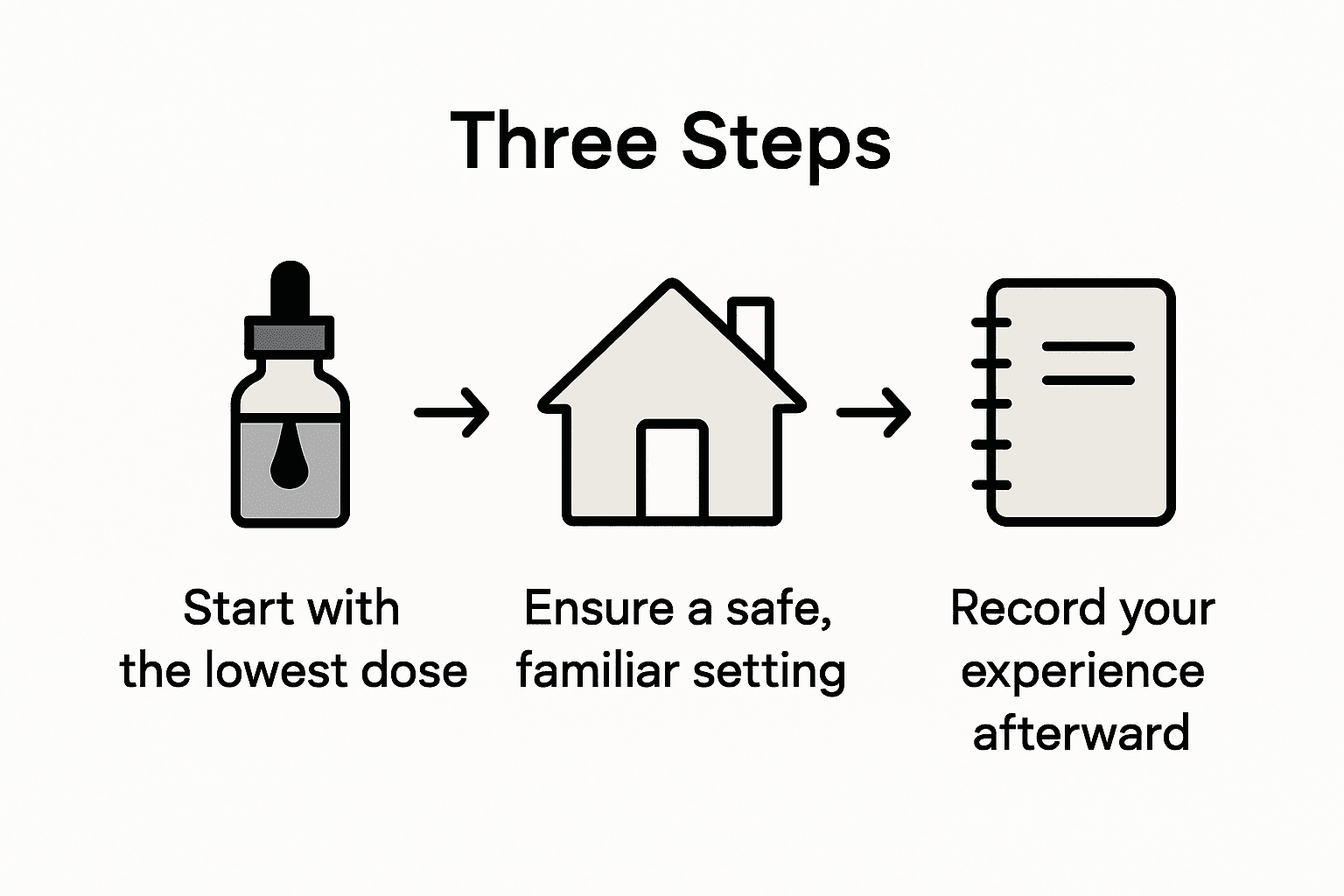
Pro Tip – Incremental Exploration: Always start with the lowest possible dose, prioritize a safe and comfortable setting, and have a trusted, experienced guide or support person present during your initial psychedelic experiences.
Risks, Harm Reduction, and Product Sourcing
Psychedelic experiences carry inherent psychological complexities that demand careful navigation and proactive risk management. Research highlights the potential for intense emotional experiences and rare instances of psychological vulnerability, particularly among individuals with pre-existing mental health conditions, underscoring the critical importance of comprehensive harm reduction strategies. Understanding these potential risks is not about creating fear, but empowering users with knowledge to create safer, more intentional psychedelic experiences.
Product sourcing represents a fundamental aspect of harm reduction that cannot be overlooked. Scientific reviews consistently emphasize that psychological risks are significantly minimized when psychedelics are obtained from reliable, tested sources and consumed in supportive environments. This means conducting thorough research, verifying product quality, understanding strain variations, and being acutely aware of potential contaminants or adulterants that could compromise safety. Responsible sourcing involves more than simply purchasing a product — it requires understanding the origin, cultivation methods, and potential interactions with individual physiology.
Harm reduction is a holistic approach that extends far beyond product selection. It encompasses mental preparation, physical setting, personal mindset, and having a supportive network of experienced guides or trusted companions. This includes comprehensive screening for potential contraindications, understanding personal medical history, managing dosage carefully, and creating a controlled, comfortable environment that supports a positive psychedelic experience. Comprehensive safety guidelines can provide users with a structured workflow for confident and responsible psychedelic exploration, ensuring that potential risks are anticipated and mitigated before consumption.
The following table summarizes essential harm reduction strategies for psychedelic use:
| Safety Principle | Why It Matters | Example Application |
|---|---|---|
| Start with low doses | Reduces risk of overwhelm | Limit to half standard dose |
| Research substances | Prevents unwanted reactions | Verify strain and potency |
| Check mental health | Avoids triggering conditions | Screen for anxiety history |
| Choose safe setting | Minimizes psychological risks | Calm, familiar environment |
| Have trusted support | Provides help if needed | Companion or sober guide |
Pro Tip – Mindful Preparation: Always conduct extensive personal research, consult healthcare professionals, create a detailed safety plan, and prioritize your mental and physical well-being before engaging with any psychedelic substance.
Discover Safe and Intentional Psychedelic Exploration with Fungal Friend
Navigating the complexities of psychedelic safety, especially in Canada, can feel overwhelming. This article highlights crucial aspects like careful dosage, responsible sourcing, and understanding legal pathways—all essential for a protected and meaningful experience. If you are seeking trusted, natural options crafted specifically for safety and therapeutic benefit, explore the carefully curated selection at Fungal Friend. Our Canadian-based e-commerce platform specializes in microdose psilocybin mushrooms and related products designed to support anxiety reduction, focus enhancement, and emotional balance.
Start your journey with confidence by learning more about safe consumption and product variety through our Uncategorized Archives – Fungal Friend. Embrace a personalized approach with detailed strain information and dosing guidance while enjoying discreet shipping and expert educational support. Visit Fungal Friend now to take control of your psychedelic experience responsibly and safely.
Frequently Asked Questions
What are the common misconceptions about psychedelic safety?
Many misconceptions include the belief that psychedelics cause permanent brain damage or lead to lasting psychiatric conditions. However, research shows that classic psychedelics like psilocybin are not neurotoxic and can actually offer therapeutic benefits when used responsibly.
How can I ensure a safe psychedelic experience?
To ensure a safe experience, start with low doses, choose a comfortable environment, and have a trusted support person present. Prioritize thorough research and understand the dosage and effects of the substance you intend to use.
What should I consider when selecting a setting for a psychedelic experience?
Choose a calming and familiar environment that minimizes distractions and potential stressors. A supportive setting significantly enhances the experience and helps manage any intense emotional reactions that may arise.
Why is dosage important in psychedelic use?
Dosage is crucial because it directly impacts the intensity and safety of the experience. Starting with low doses allows you to gauge your individual tolerance and minimize the risk of overwhelming psychological experiences.