
Psychedelic Safety Considerations for Canadians
Most American adults are surprised to learn that psychedelics rank among the safest substances when used responsibly, with research showing lower physical risk than alcohol or tobacco. Misconceptions have fueled decades of fear, but changing scientific perspectives reveal a more complex reality. Understanding what psychedelic safety truly means can help demystify myths and empower individuals to make informed, thoughtful decisions about exploring these substances.
Table of Contents
- Defining Psychedelic Safety And Common Myths
- Types Of Psychedelics And Their Risks
- Canadian Legal Status And Regulations
- Safe Dosing, Sourcing, And Product Selection
- Recognizing And Managing Adverse Reactions
- Harm Reduction Strategies For Responsible Use
Key Takeaways
| Point | Details |
|---|---|
| Psychedelic Safety | Responsible use of psychedelics emphasizes the importance of proper preparation, controlled environments, and experienced guidance to mitigate risks. |
| Common Myths | Many misconceptions surrounding psychedelics, such as their inherent danger or tendency to cause addiction, have been debunked by modern scientific research. |
| Canadian Regulations | Legally, psychedelics like psilocybin are subject to strict regulations in Canada, but recent developments allow for therapeutic access under specific circumstances. |
| Harm Reduction Strategies | Implementing harm reduction techniques, including understanding individual mental health histories and creating safe consumption environments, is crucial for responsible psychedelic exploration. |
Defining Psychedelic Safety and Common Myths
Psychedelic safety is a nuanced concept that goes far beyond popular misconceptions about these complex substances. While many people harbor fear and uncertainty, scientific research increasingly demonstrates that carefully approached psychedelics can offer meaningful therapeutic potential. Exploring myths surrounding these compounds reveals a landscape more sophisticated than traditional narratives suggest.
Contrary to widespread public perception, psychedelics are not inherently dangerous when used responsibly. Research indicates these substances are among the safest in terms of physiological risk, especially when compared to legal substances like alcohol. The Psychedelic Safety Institute clarifies that classic psychedelics such as psilocybin are not neurotoxic and do not cause permanent brain damage. However, they can surface intense emotional experiences that require proper psychological preparation and supportive environments.
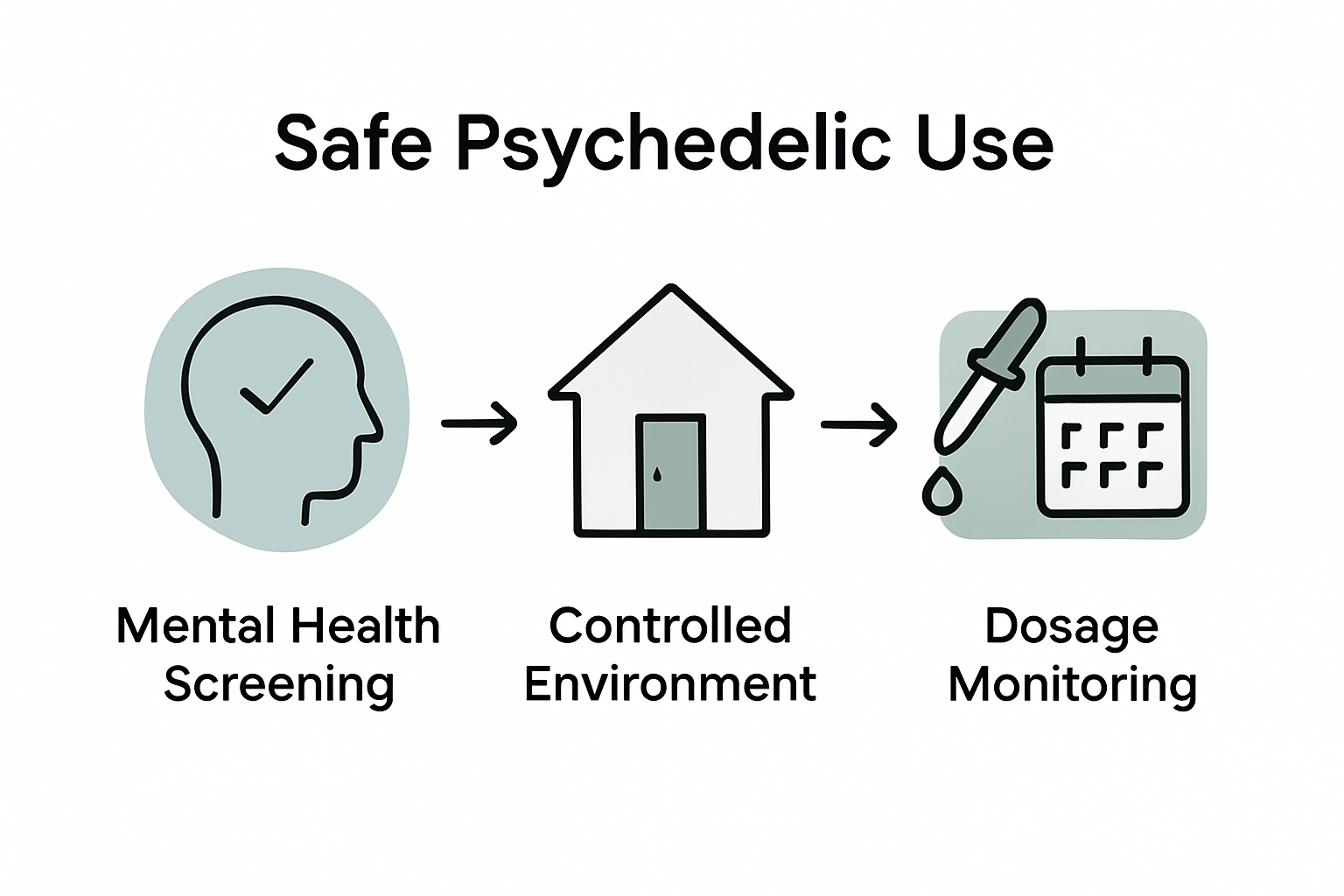
Some critical safety considerations include understanding individual mental health history, managing dosage, ensuring a controlled setting, and having experienced guidance. Responsible use means recognizing that psychedelics are powerful tools for potential personal insight, not recreational party drugs. They demand respect, careful intention, and a comprehensive approach to mental and emotional well-being. Key safety principles involve starting with low doses, having a trusted support person, creating a comfortable environment, and maintaining a mindset of curiosity and openness rather than fear.
Common myths about psychedelics often stem from decades of cultural misinformation and prohibition. These include unfounded claims that psychedelics always cause psychological trauma, lead to addiction, or represent a gateway to more dangerous drug use. Modern scientific research consistently challenges these narratives, demonstrating that when used thoughtfully, these substances can potentially offer therapeutic benefits for conditions like depression, anxiety, and PTSD.
Types of Psychedelics and Their Risks
Psychedelics represent a diverse category of substances with unique properties and potential therapeutic applications. Exploring different psychedelic compounds reveals a complex landscape of molecular interactions and psychological effects. These substances can be broadly categorized into classic psychedelics, dissociative agents, and empathogenic compounds, each presenting distinct neurological and experiential characteristics.
Classic psychedelics like psilocybin, LSD, and mescaline interact primarily with serotonin receptors, producing profound alterations in perception and consciousness. Comprehensive research on medical risks indicates that these substances demonstrate minimal physiological toxicity, contrary to historical misconceptions. However, potential psychological risks include temporary disorientation, intense emotional experiences, and rare instances of triggering underlying mental health conditions in predisposed individuals.
Some psychedelics present more pronounced medical risks. Substances like ibogaine can cause dangerous cardiac complications, while PCP is associated with severe neurological reactions including potential seizures and acute psychotic states. Responsible exploration requires understanding individual physiological vulnerabilities, potential drug interactions, and comprehensive medical screening prior to any experimental use.
The contemporary scientific perspective emphasizes nuanced risk assessment over blanket prohibition. Psychedelic safety involves understanding individual biochemistry, mental health history, setting, and intention. Careful preparation, controlled environments, and professional guidance can significantly mitigate potential negative experiences, transforming these powerful compounds from substances of fear to tools for potential psychological exploration and healing.
Canadian Legal Status and Regulations
The legal landscape for psychedelics in Canada represents a complex and evolving framework that balances medical research, therapeutic potential, and public safety. Understanding the functional psychedelic regulations reveals a nuanced approach that distinguishes between different types of substances and their potential applications.
Currently, psilocybin remains a controlled substance under the Controlled Drugs and Substances Act, which means unauthorized possession, sale, or distribution is technically illegal. However, recent regulatory shifts have created specialized exemptions for medical and research purposes. Health Canada has granted limited permissions for therapeutic use, particularly for individuals with treatment-resistant mental health conditions, allowing carefully supervised medical interventions through special access programs.
Specific legal pathways have emerged for Canadians seeking psychedelic treatments. Therapeutic access now includes compassionate use permits, research protocols, and specialized clinical trials. These frameworks allow individuals with severe mental health conditions like treatment-resistant depression, end-of-life anxiety, and PTSD to explore psilocybin-assisted therapies under professional medical supervision. Indigenous communities have also received unique considerations, recognizing traditional ceremonial uses of psychedelic substances as part of cultural practices.
The regulatory environment continues to shift rapidly, with increasing recognition of psychedelics’ potential therapeutic value. Emerging legal models suggest a future where controlled, supervised psychedelic experiences might become more accessible for mental health treatment. Canadians interested in these substances must stay informed about current regulations, prioritize legal compliance, and engage only through authorized medical or research channels.
Safe Dosing, Sourcing, and Product Selection
Navigating the complex world of psychedelic substances requires careful consideration of dosage, sourcing, and product quality. Understanding safe consumption workflows is critical for minimizing potential risks and ensuring a responsible approach to psychedelic exploration.
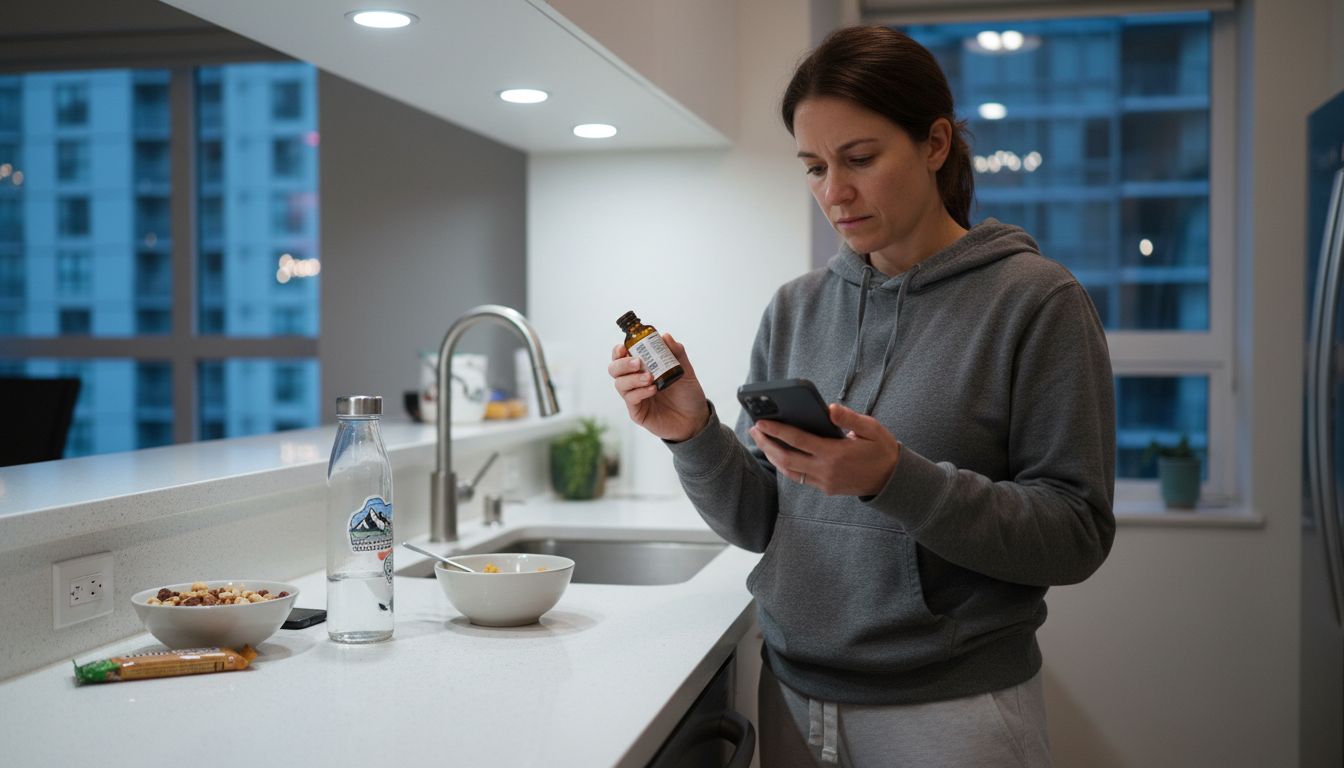
Comprehensive research on psychedelic risk factors highlights the importance of understanding user expectations, potential substance impurities, and the critical role of setting in shaping psychedelic experiences. Dosage selection represents a nuanced process that depends on multiple factors including individual body chemistry, mental health history, previous experience, and intended therapeutic or exploratory goals. Microdosing approaches typically range from 0.1 to 0.3 grams, while moderate experiences might involve 1-3 grams, with experienced users potentially exploring higher ranges under careful supervision.
Product selection demands rigorous scrutiny to ensure safety and quality. Reliable sourcing involves verifying product purity, understanding strain variations, and choosing providers who prioritize comprehensive testing and transparent manufacturing processes. Potential risks include contamination, inconsistent potency, and the presence of adulterating substances. Responsible consumers should seek products with clear laboratory testing results, detailed strain information, and recommendations from trusted medical or research professionals.
Psychedelic experiences require meticulous preparation and harm reduction strategies. This includes creating a safe, controlled environment, having a trusted support person present, maintaining appropriate set and setting, and being prepared to manage potential psychological intensity. Individuals with pre-existing mental health conditions, those on psychiatric medications, or those with a personal or family history of psychotic disorders should consult healthcare professionals before considering psychedelic exploration.
Recognizing and Managing Adverse Reactions
Psychedelic experiences can occasionally produce unexpected and challenging psychological responses that require careful understanding and management. Safe psilocybin consumption strategies emphasize the importance of proactive preparation and immediate response techniques when confronting adverse reactions.
Comprehensive research on psychedelic psychological experiences reveals that adverse reactions can manifest through various symptoms including intense anxiety, profound disorientation, paranoid thoughts, and overwhelming emotional states. Adverse reaction management involves recognizing early warning signs such as escalating panic, depersonalization, extreme fear, or physiological distress. Immediate interventions should prioritize creating a calm, secure environment, utilizing grounding techniques like controlled breathing, providing reassuring verbal support, and ensuring the individual feels physically safe and supported.
Specific harm reduction strategies are crucial for mitigating potential negative experiences. This includes having a designated, experienced support person present, creating a controlled and comfortable setting, maintaining low sensory stimulation, and having access to calming resources like blankets, soothing music, and water. Individuals experiencing severe psychological distress may require professional medical intervention, particularly if symptoms include prolonged disorientation, extreme paranoia, or potential risk of self-harm.
Understanding personal psychological vulnerabilities is paramount in preventing adverse reactions. Individuals with pre-existing mental health conditions, a history of trauma, or those currently experiencing significant emotional instability should approach psychedelic experiences with extreme caution. Comprehensive screening, professional consultation, and a thorough understanding of personal mental health history can significantly reduce the likelihood of challenging psychological responses.
Harm Reduction Strategies for Responsible Use
Psychedelic exploration demands a comprehensive approach to personal safety and intentional experience management. Exploring alternative wellness strategies highlights the importance of understanding substance interactions and individual psychological readiness.
Evidence-based safety resources emphasize critical harm reduction principles for responsible psychedelic use. Harm reduction involves a multifaceted approach that begins with thorough personal assessment and comprehensive preparation. Key strategies include conducting detailed medical screenings, understanding personal mental health history, creating controlled environment parameters, and establishing clear intentions for the psychedelic experience. Practitioners should develop a supportive network, including a trusted guide or sitter who remains sober and can provide emotional and physical support during potentially challenging moments.
Practical harm reduction techniques require systematic planning and self-awareness. This includes starting with low doses, ensuring a safe and comfortable physical environment, maintaining access to water and basic necessities, and having a communication plan for potential challenging experiences. Individuals should avoid combining psychedelics with other substances, particularly alcohol or prescription medications, and be prepared to postpone experiences during periods of significant emotional instability or major life transitions.
Responsible use extends beyond individual preparation to include ongoing integration and reflection. After a psychedelic experience, individuals should allocate time for processing, journaling, and potentially seeking professional therapeutic support to understand and contextualize their insights. The goal is not recreational consumption, but intentional personal exploration with respect for the substance’s potential psychological and emotional impact.
Prioritize Your Psychedelic Safety With Trusted Canadian Resources
Navigating psychedelic safety considerations in Canada can feel complex given evolving legal regulations and the critical need for responsible dosing and sourcing. This article highlights key challenges such as understanding individual mental health risks, selecting the right products, and ensuring safe environments for exploration. If you are seeking natural, controlled ways to support anxiety reduction, mood balance, or deeper psychedelic experiences with confidence and clarity Fungal Friend offers a carefully curated selection designed with safety and education in mind.

Explore our range of microdose psilocybin mushrooms, infused teas, and magic mushroom chocolates backed by clear guidance on dosages, strain differences, and Canadian legal context at Fungal Friend. For ongoing insights and updates about safe psychedelic use check out our Uncategorized Archives – Fungal Friend. Take control of your journey with trusted products and knowledge—visit Fungal Friend today and begin your responsible, empowered experience now.
Frequently Asked Questions
What are the main safety considerations when using psychedelics?
Key safety considerations include understanding your individual mental health history, managing dosage, ensuring a controlled setting, and having experienced guidance. It is important to approach psychedelics with careful intention and respect, starting with low doses and maintaining a supportive environment.
Are psychedelics physically safe compared to other substances?
Research indicates that classic psychedelics, such as psilocybin, have minimal physiological toxicity and are among the safest substances compared to legal drugs like alcohol. When used responsibly, they do not cause permanent brain damage and have a low risk of addiction.
How can individuals prepare for a psychedelic experience?
Preparation involves conducting thorough personal assessments, understanding one’s mental health history, creating a safe setting, and establishing clear intentions for the experience. It’s also recommended to have a trusted support person present during the experience who remains sober and can assist if needed.
What should I do if I experience adverse reactions during a psychedelic experience?
If adverse reactions occur, prioritize creating a calm and secure environment. Utilize grounding techniques like controlled breathing, provide reassuring support, and ensure physical safety. In cases of severe psychological distress, seeking professional medical intervention may be necessary.