
Why Choose Legal Psychedelics for Wellness
Choosing safe options for mental wellness can feel complicated when legal psychedelics are involved. For Canadian adults interested in microdosing to improve focus or mood, understanding how legal frameworks and scientific insights shape access is essential. This article clarifies misconceptions, highlights the unique benefits and therapeutic uses of compounds like psilocybin, and explains how Canadian laws create secure pathways for those seeking mindful wellness approaches.
Table of Contents
- Defining Legal Psychedelics And Misconceptions
- Popular Types And Their Therapeutic Differences
- How Legal Psychedelics Support Wellness
- Canadian Laws And Safe Access Pathways
- Risks, Costs, And Comparing Alternatives
Key Takeaways
| Point | Details |
|---|---|
| Legal Psychedelics Are Regulated | These substances are governed by specific laws and guidelines, allowing therapeutic use while ensuring safety under professional supervision. |
| Therapeutic Potential Is Significant | Legal psychedelics show promise in treating mental health conditions such as depression, anxiety, and PTSD through innovative neurological mechanisms. |
| Access Varies by Region | Different jurisdictions have unique legal frameworks for accessing psychedelics, with options like Special Access Programs and clinical trials available in Canada. |
| Risks Require Consideration | Potential psychological and financial risks are associated with psychedelic therapy, necessitating comprehensive evaluations before pursuing treatment. |
Defining Legal Psychedelics and Misconceptions
Psychedelics represent a complex landscape of substances that can potentially transform mental wellness, with legal frameworks rapidly evolving across North America. Legal psychedelics are regulated compounds that can be used for therapeutic, research, or personal exploration purposes under specific governmental guidelines.
The legal psychedelic landscape involves a nuanced understanding of substances that alter consciousness, including compounds like psilocybin, LSD, and MDMA. Unlike illegal drugs, legal psychedelics are distinguished by several key characteristics:
- Regulated through clinical trials or medical programs
- Administered under professional supervision
- Derived from recognized research protocols
- Potentially prescribed for specific mental health conditions
Common misconceptions about legal psychedelics often stem from decades of prohibition and limited public understanding. Many people incorrectly assume that all psychedelics are dangerous or have no medical value, when emerging research suggests significant potential for treating conditions like depression, anxiety, and PTSD.
Understanding the regulatory environment is crucial. Psychedelic access varies dramatically between jurisdictions, with some regions offering medical pathways, while others maintain strict prohibitions. Canadian regulations, for instance, have become increasingly progressive, allowing controlled use in specific therapeutic contexts.
Legal psychedelics represent a carefully regulated approach to exploring consciousness and mental health, not a recreational free-for-all.
Pro tip: Always consult medical professionals and verify local regulations before exploring any psychedelic substances for personal wellness.
Popular Types and Their Therapeutic Differences
Psychedelics represent a diverse range of compounds with unique therapeutic potentials, each offering distinct approaches to mental wellness and healing. Psychedelic compounds vary significantly in their origins, duration, and potential therapeutic applications, making them a complex but promising field of wellness exploration.
The most prominent legal psychedelics include:
- Psilocybin: Derived from mushrooms, known for introspective and mood-regulating effects
- LSD: A synthetic compound that dramatically alters sensory perception
- MDMA: Particularly effective for trauma and PTSD treatment
- DMT: Produces intense, short-duration consciousness experiences
Each substance interacts differently with the brain’s neurochemistry. Psilocybin, for instance, has shown remarkable potential in treating depression by helping patients break negative cognitive patterns. Synthetic psychedelics like LSD can provide profound perspective shifts, while MDMA has demonstrated significant promise in therapeutic settings for processing emotional trauma.

Here’s a high-level comparison of popular legal psychedelics and their distinctive therapeutic roles:
| Compound | Main Origin | Key Therapeutic Use | Typical Duration |
|---|---|---|---|
| Psilocybin | Mushrooms | Depression management | 4-6 hours |
| LSD | Synthetic | Perspective shifts | 8-12 hours |
| MDMA | Synthetic | Trauma/PTSD treatment | 4-6 hours |
| DMT | Plant/Synthetic | Intense consciousness shifts | 15-60 minutes |
The legal landscape for these substances continues to evolve, with researchers uncovering nuanced therapeutic applications. Medical supervision remains critical, ensuring safe and controlled exploration of these powerful compounds.
Therapeutic psychedelics are not recreational substances, but carefully studied tools for mental health transformation.
Pro tip: Research the specific legal status and medical guidelines for psychedelics in your region before considering any therapeutic use.
How Legal Psychedelics Support Wellness
Legal psychedelics represent a groundbreaking approach to holistic mental wellness, offering transformative therapeutic interventions for individuals struggling with complex psychological challenges. These compounds provide unique pathways for healing by addressing underlying mental health conditions through innovative neurological mechanisms.
The primary wellness support mechanisms of legal psychedelics include:
- Neuroplasticity enhancement: Stimulating brain’s ability to form new neural connections
- Emotional processing: Helping individuals break through psychological barriers
- Trauma resolution: Providing deep insights into unresolved emotional experiences
- Mood regulation: Supporting natural chemical balance in the brain
Psychological healing occurs through carefully controlled therapeutic approaches that combine chemical intervention with professional psychological support. Unlike traditional pharmaceuticals, psychedelics work by temporarily disrupting rigid mental patterns, allowing patients to experience profound perspective shifts and emotional breakthroughs.
Medical researchers emphasize that therapeutic psychedelics are not about temporary escape, but about creating sustainable mental wellness. The controlled administration under professional supervision ensures safety, minimizes risks, and maximizes potential healing benefits.
Psychedelics offer a nuanced, holistic approach to mental wellness that goes beyond symptom management.
Pro tip: Consult qualified mental health professionals who specialize in psychedelic-assisted therapy to understand how these treatments might align with your specific wellness goals.
Canadian Laws and Safe Access Pathways
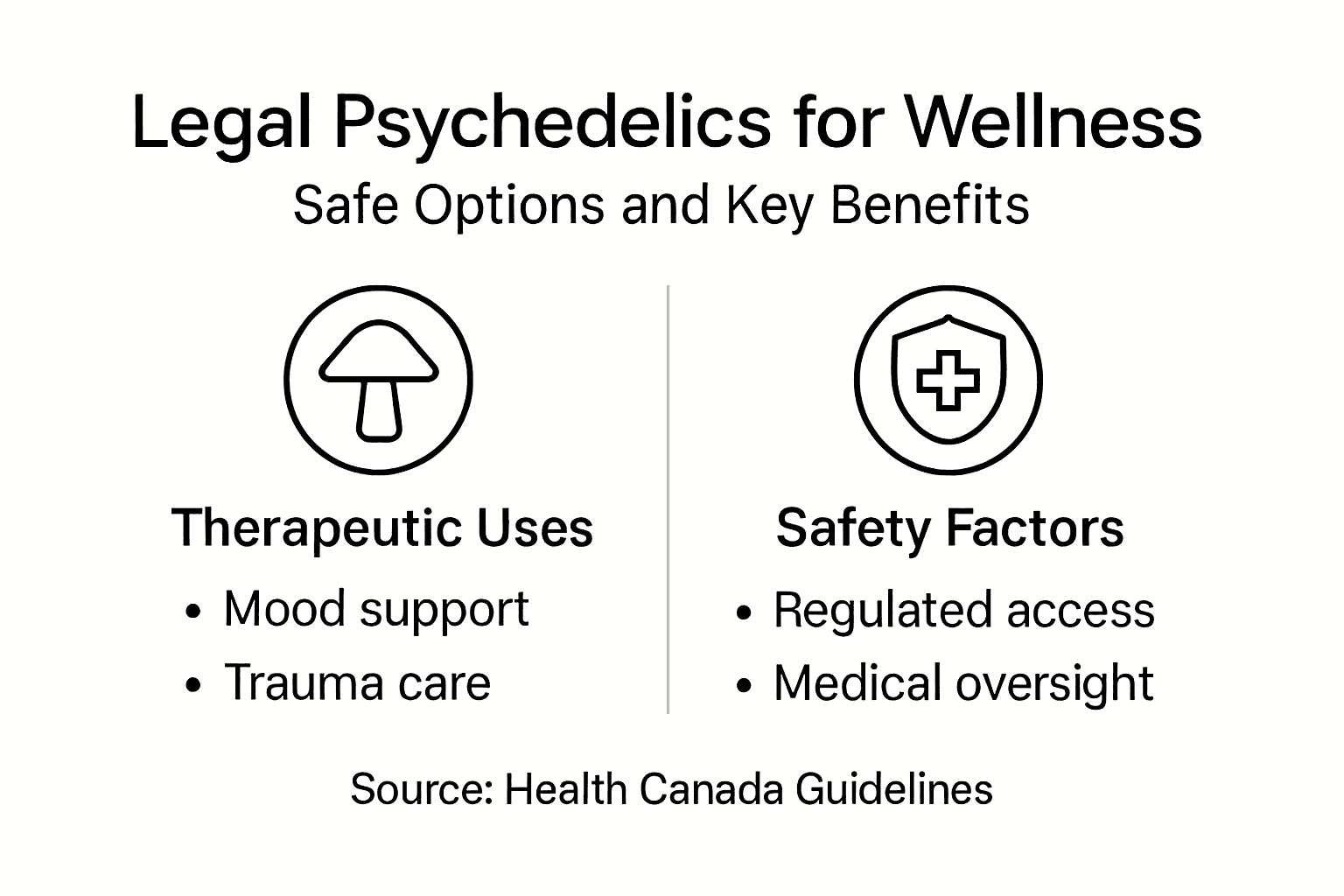
Navigating the legal landscape of psychedelics in Canada requires understanding the nuanced regulatory framework that governs access to these therapeutic compounds. Legal mushroom purchase processes have become increasingly sophisticated, reflecting Canada’s progressive approach to psychedelic wellness.
The primary legal pathways for accessing psychedelics in Canada include:
- Special Access Program (SAP): Allows access to restricted substances for medical purposes
- Section 56 Exemptions: Permits controlled use for specific medical or research contexts
- Clinical Trial Participation: Enables individuals to access psychedelics through regulated research studies
- Compassionate Use Frameworks: Provides options for patients with treatment-resistant conditions
Medical authorization remains the most reliable and legally protected method of accessing psychedelics. Healthcare professionals can recommend these substances through carefully regulated channels, ensuring patient safety and legal compliance. The Canadian government has been progressively developing frameworks that balance therapeutic potential with rigorous safety standards.
Individuals interested in psychedelic therapies must work closely with licensed healthcare providers who can navigate the complex regulatory landscape. Informed consent and professional medical oversight are critical components of legal psychedelic access in Canada.
This table summarizes the main access pathways for legal psychedelics in Canada, including who might be eligible:
| Access Pathway | Eligibility | Access Context |
|---|---|---|
| Special Access Program | Patients with urgent needs | Prescribed by professionals |
| Section 56 Exemption | Approved medical cases | Therapeutic/research settings |
| Clinical Trial Participation | Volunteers with health criteria | Scientific studies |
| Compassionate Use Framework | Treatment-resistant patients | Physician guidance |
Legal access to psychedelics is not about recreational use, but about structured, medically supervised therapeutic interventions.
Pro tip: Consult with a healthcare professional specializing in psychedelic medicine to understand the specific legal pathways available for your unique medical situation.
Risks, Costs, and Comparing Alternatives
Psychedelic treatments involve complex risk assessment that requires careful consideration of potential psychological, financial, and medical implications. Understanding these factors is crucial for making informed wellness decisions.
Key risks and potential challenges include:
- Psychological Risks: Potential for anxiety, temporary psychosis, or unpredictable emotional responses
- Financial Considerations: High treatment costs and limited insurance coverage
- Medical Supervision Requirements: Need for professional monitoring and controlled environments
- Individual Variability: Differences in personal response and therapeutic effectiveness
Alternative treatments provide important comparative perspectives. Traditional pharmacotherapy and established psychotherapy offer more predictable outcomes, though they may be less effective for treatment-resistant conditions. Some individuals might find conventional approaches more accessible and financially manageable.
Comparing psychedelic therapies with alternative treatments reveals a nuanced landscape. While psychedelics show promising results for specific mental health challenges, they require more extensive medical supervision and carry higher potential risks compared to traditional interventions.
Wellness approaches are not one-size-fits-all; careful evaluation of individual needs and potential risks is essential.
Pro tip: Conduct comprehensive consultations with multiple healthcare professionals to thoroughly assess whether psychedelic therapies or alternative treatments best match your specific wellness objectives.
Discover Legal Psychedelic Wellness Solutions with Fungal Friend
Choosing legal psychedelics for wellness is about more than curiosity. It is about seeking safe, supportive, and regulated methods to enhance mental health through compounds like psilocybin. If you are exploring options to reduce anxiety, boost focus, or find mood balance, understanding your legal pathways and accessing trusted products is essential. The article highlights how legal psychedelics require professional guidance and regulated use to maximize benefits while minimizing risks.
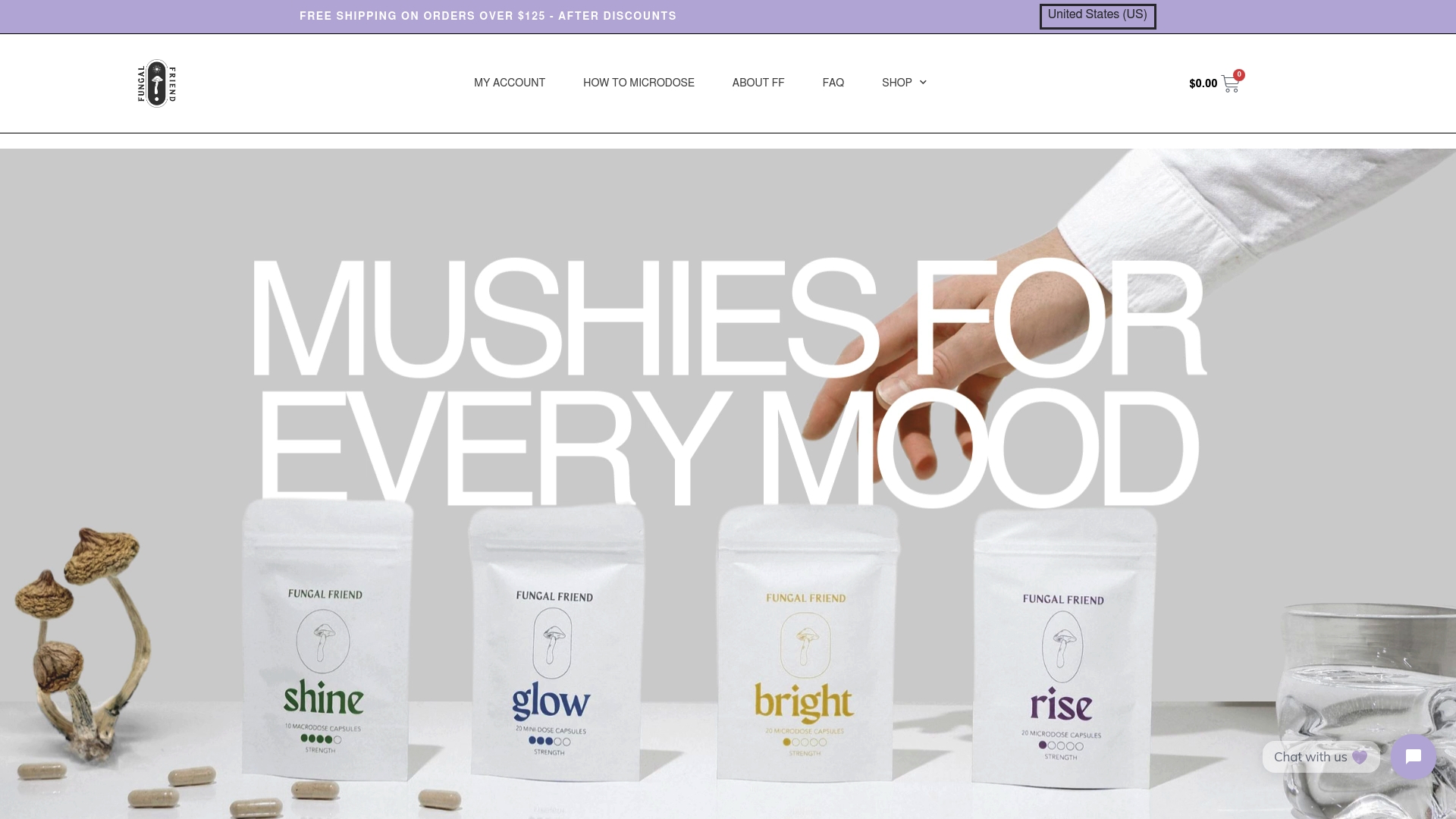
Explore our carefully curated selection of microdose psilocybin mushrooms and related products at Fungal Friend. Whether you are new to microdosing or seeking a deeper psychedelic experience, our natural mushroom capsules, infused teas, and magic mushroom chocolates offer quality, safety, and convenience for Canadian customers. Learn about strain differences, dosing, and legal considerations in our Uncategorized Archives – Fungal Friend to make informed choices aligned with your wellness goals. Take the step today toward a trusted and supportive psychedelic journey by visiting our landing page and begin your path with confidence.
Frequently Asked Questions
What are legal psychedelics?
Legal psychedelics are regulated substances that can be used for therapeutic, research, or personal exploration under specific governmental guidelines, differentiating them from illegal drugs.
How do legal psychedelics support mental wellness?
Legal psychedelics enhance neuroplasticity, facilitate emotional processing, help resolve trauma, and aid in mood regulation, providing unique pathways for healing.
What are the primary differences between various legal psychedelics?
Psilocybin is known for mood regulation, LSD for perspective shifts, MDMA for trauma treatment, and DMT for intense consciousness experiences, each having distinct therapeutic roles and effects.
What precautions should I take when exploring legal psychedelics?
It’s important to consult healthcare professionals specializing in psychedelic medicine, understand local regulations, and ensure medical supervision to minimize risks and maximize therapeutic benefits.