
Microdosing Trends in 2025: Wellness, Safety, and Law
Finding reliable information about microdosing psilocybin in Canada can feel confusing when new products and research seem to appear every week. As more Canadians explore microdosing for wellness, myths often cloud real safety and effectiveness questions. This guide unpacks sub-hallucinogenic dosing, offers science-backed clarity, and highlights safer product options so you can make confident decisions about psilocybin use in 2025.
Table of Contents
- Microdosing Psilocybin Explained And Common Myths
- Popular Methods And Product Innovations In 2025
- Therapeutic Claims Versus Scientific Evidence
- Legal Access, Regulations, And Compliance In Canada
- Risk Factors, Safe Usage, And Industry Standards
Key Takeaways
| Point | Details |
|---|---|
| Microdosing Overview | Microdosing involves taking sub-hallucinogenic doses of psilocybin to access potential wellness benefits without intense effects. |
| Research Limitations | Current scientific evidence on microdosing is limited and largely based on anecdotal reports, necessitating further rigorous studies. |
| Safety Considerations | Long-term safety data for microdosing is lacking, and potential risks, including psychological dependence and cardiovascular effects, should be considered. |
| Legal Landscape in Canada | Psilocybin remains a controlled substance in Canada, with specific pathways for therapeutic use, highlighting the importance of understanding legal access. |
Microdosing psilocybin explained and common myths
Microdosing involves taking sub-hallucinogenic doses of psilocybin—typically one-tenth to one-fifth of a recreational dose—to avoid the intense sensory and emotional effects associated with full psychedelic experiences. The goal isn’t to “trip”; it’s to access potential wellness benefits while maintaining normal functioning throughout your day.
In Canada, where you’re likely exploring this topic, microdosing sits in a gray area. Psilocybin remains a controlled substance, but the legal landscape is shifting as research expands and some clinics begin offering psilocybin-assisted therapy under special access programs.
What the research actually shows
Psilocybin produces altered sensory perceptions when taken in full doses, but controlled studies on microdosing remain limited. The current evidence base is genuinely sparse—most positive claims come from anecdotal reports rather than rigorous, placebo-controlled research.
Public enthusiasm far outpaces scientific confirmation. People report mood improvements, enhanced creativity, and better focus, but these claims lack the kind of robust experimental backing that would satisfy strict scientific standards.
Controlled experimental evidence remains inconclusive on many purported benefits. What researchers agree on is that we need more rigorous studies before making definitive claims about efficacy or safety profiles.
Separating facts from myths
Here’s what gets misunderstood most often:
-
Myth: Microdosing is completely safe because the doses are small. Reality: Safety data remains incomplete, especially for long-term use.
-
Myth: Everyone experiences the same benefits. Reality: Individual responses vary significantly based on brain chemistry, expectations, and context.
-
Myth: Psilocybin is addictive. Reality: Psilocybin shows no addictive potential, though psychological dependence on the ritual is possible.
-
Myth: Microdosing guarantees anxiety relief or mood improvement. Reality: Benefits are inconsistent across studies, and placebo effects may play a larger role than acknowledged.
Why the confusion exists
Most positive findings come from studies using small sample sizes or lacking proper control groups. When researchers compare microdosing to placebo in controlled settings, the differences shrink considerably. This doesn’t mean microdosing doesn’t work—it means we honestly don’t know yet.
The gap between what people believe and what science has proven is wider than most assume. Anecdotal evidence is compelling, but it’s not the same as clinical proof.
Your expectations matter more than you’d think. The placebo effect in psychedelic research is powerful, especially with something as psychologically loaded as magic mushrooms.
Pro tip: If you’re considering microdosing, approach it with scientific skepticism about your own experience—track specific metrics like mood, focus, or anxiety on a simple daily scale rather than relying on general impressions, which are easily influenced by expectation and placebo effects.
Popular methods and product innovations in 2025
The microdosing landscape in 2025 looks fundamentally different from even two years ago. Product innovation has accelerated, driven by both consumer demand and pharmaceutical research advancements. Canadian consumers now have access to more refined, precisely dosed options than ever before.
Traditional methods—grinding mushrooms into powder or brewing tea—still exist, but they lack consistency. You never really know the exact dose you’re getting. Modern innovations solve this problem directly.
Precision dosing technologies
Novel pharmaceutical delivery forms like oral films and precise microdose capsules enable accurate dosing from micrograms upward. This isn’t theoretical—these technologies are actively reshaping how people microdose right now.
Capsule-based products dominate the market because they offer several practical advantages:
- Exact dosing: Know precisely how much psilocybin you’re consuming every time
- Convenience: Take your dose like any other supplement, no measuring required
- Discretion: Capsules look identical to standard vitamins or supplements
- Consistency: Batch testing ensures quality across every unit you receive
- Stability: Properly stored capsules maintain potency longer than loose mushroom material
Infused products—teas, chocolates, and beverages—have emerged as alternatives for those preferring food-based consumption. These products mask the earthy mushroom taste while maintaining dosing accuracy through careful formulation.

How precision matters in practice
Microdosing in clinical trials accelerates drug development by enabling safer, more controlled testing. The same principle applies to consumer products—precision reduces guesswork and unpredictability.
When you’re microdosing for mood, focus, or anxiety management, consistency becomes everything. A dose that works perfectly one day then feels too weak the next creates confusion about what’s actually helping you.
Precision dosing transforms microdosing from an experimental practice into something reproducible and reliable. You can actually track what works because you know exactly what you’re taking.
What’s available in Canada right now
Canadian retailers have expanded their offerings significantly:
- Standardized psilocybin capsules in multiple strength options (0.1g, 0.25g, 0.5g)
- Infused chocolates with precise per-piece dosing
- Microdose tea blends combining psilocybin with complementary botanicals
- Combination products pairing psilocybin with adaptogens or nootropics
These products appeal to different preferences. Some people want simplicity; others want the ritual of preparation or the taste experience that infused products provide.
Here’s a comparison of traditional versus modern microdosing methods and their practical advantages:
| Attribute | Traditional Methods | Modern Precision Products |
|---|---|---|
| Dose Accuracy | Highly variable | Consistent, precisely measured |
| Preparation Effort | Requires manual steps | Simple, ready-to-use |
| Discretion | Noticeable appearance | Resembles supplements |
| Flavor/Taste | Earthy, strong, bitter | Neutral or easily masked |
| Shelf Stability | Degrades quickly | Longer-lasting with proper storage |
Pro tip: Start with capsule-based products if you’re new to microdosing, since they eliminate guesswork and let you isolate which dose actually works for your body and goals before exploring other product formats.
Therapeutic claims versus scientific evidence
Walk through any online microdosing community and you’ll see glowing testimonials. People claim improved mood, sharper focus, reduced anxiety, and enhanced creativity. These stories feel real because they are real—to the people experiencing them. But here’s the critical gap: what people report and what controlled science proves are two different things.
The disconnect between claims and evidence has grown wider in 2025 as microdosing popularity explodes. Marketing emphasizes benefits while research still struggles to confirm them convincingly.
What people actually report
Anecdotal evidence is everywhere. Thousands of Canadian users describe positive experiences with microdosing for:
- Mood enhancement and reduced depression symptoms
- Improved focus and cognitive clarity
- Creative thinking and problem-solving
- Social confidence and reduced anxiety
- Better sleep quality and emotional resilience
These reports come from real people with real lives. They’re not fabricated. The problem is that anecdotal evidence can’t tell us whether psilocybin caused the improvement or whether other factors did.
Where controlled science differs
Therapeutic claims of psychedelic microdosing show diminished effects under placebo control. When researchers run rigorous trials comparing microdosing to placebo, the differences shrink dramatically. Sometimes they disappear entirely.
This reveals something uncomfortable: expectancy effects and placebo responses may account for much of the perceived benefit. Your belief that something will help you often matters as much as the substance itself.
The gap between what surveys show and what controlled trials prove reveals a hard truth: we don’t yet know if microdosing works pharmacologically or if we’re responding to our own expectations.
Why the discrepancy exists
Anecdotal and survey data suggest benefits while rigorous controlled research remains limited, creating conflicting signals. Several factors explain this gap:
- Most studies lack proper placebo controls
- Dosage protocols vary wildly between studies
- Participants know they’re taking something, biasing their perception
- Publication bias favors positive findings over null results
- Long-term effects remain completely unstudied
This doesn’t mean microdosing doesn’t work. It means we honestly can’t claim it does based on current evidence.
The following table summarizes key factors influencing the gap between anecdotal experiences and scientific findings on psilocybin microdosing:
| Factor | Impact on Evidence Gap | Example in Microdosing Studies |
|---|---|---|
| Placebo/Expectation Effects | Amplifies perceived benefits | Positive outcomes in surveys |
| Study Design Limitations | Reduces scientific reliability | Small samples, no controls |
| Dose Consistency | Complicates outcome comparisons | Varying protocols, unmeasured doses |
| Reporting and Publication Bias | Favors positive results | Fewer neutral/negative studies shown |
The safety question
While some people report benefits, reported side effects include anxiety, agitation, and perceptual disturbances—even at microdoses. Long-term safety data doesn’t exist. We don’t know what happens after months or years of regular microdosing.
Canadian users deserve honest information: the therapeutic case for microdosing remains unproven despite genuine enthusiasm and intriguing preliminary signals.
Pro tip: If you’re considering microdosing for therapeutic reasons, track measurable outcomes on a daily log using specific metrics rather than relying on general impressions, which are easily swayed by placebo effects and expectation bias.
Legal access, regulations, and compliance in Canada
Canada’s approach to psilocybin sits at a crossroads. Psilocybin remains a controlled substance under the Controlled Drugs and Substances Act, yet regulatory pathways are opening for specific therapeutic use. Understanding where the law actually stands in 2025 is essential for anyone considering microdosing.
The landscape differs significantly from the United States or Europe. Canada offers unique access routes through clinical trials and special access programs that don’t exist everywhere else.
How Health Canada regulates psilocybin
Health Canada regulates drugs and health products through legislation such as the Food and Drugs Act, ensuring safety through approval requirements and marketing rules. Psilocybin products fall under these frameworks, meaning any product claiming therapeutic benefits faces strict scrutiny.
Currently, three pathways exist for legal access:
- Therapeutic Products Development Program: Companies developing psilocybin therapies must follow rigorous clinical trial protocols
- Special Access Programme: Patients with serious conditions may access unapproved drugs under strict conditions through physician request
- Clinical Trials: Individuals can participate in Health Canada-approved research studies
Recreational or wellness microdosing outside these pathways remains illegal, regardless of where you purchase it.
Recent regulatory changes in 2025
Health Canada’s expanded authority allows faster market access strategies while maintaining safety oversight. New amendments grant Health Canada more flexibility in imposing conditions on drug approvals and implementing rolling reviews for certain products.
These changes could accelerate how quickly psilocybin therapies reach patients. However, they don’t change psilocybin’s controlled substance status for general consumption.
Canada’s regulatory structure balances innovation with safety by creating legitimate pathways for therapeutic development while keeping recreational access restricted. This approach differs from simply decriminalizing psilocybin.
What this means for Canadian consumers
If you’re purchasing microdosing products online or from retailers, you’re operating in a legal gray area. Possession remains technically illegal unless you qualify for special access or participate in approved research.
The reality is more nuanced than black-and-white legality:
- Enforcement focuses on large-scale operations rather than individual consumers
- Some provinces enforce regulations differently than others
- Clinical pathways offer legal alternatives for those with qualifying conditions
- The law is evolving, but change happens slowly
Canadian adults aged 25-40 seeking microdosing should understand both the legal risks and the legitimate options available through clinical programs.
Pro tip: Before purchasing any microdosing product, research whether your province offers clinical trial enrollment or Special Access Programme eligibility through licensed practitioners, as these provide the only currently legal pathways for therapeutic psilocybin access in Canada.
Risk factors, safe usage, and industry standards
Microdosing isn’t risk-free, even though it feels safer than full doses. The challenge is that we simply don’t know all the risks yet because long-term studies don’t exist. What we do know demands serious attention before you start microdosing.
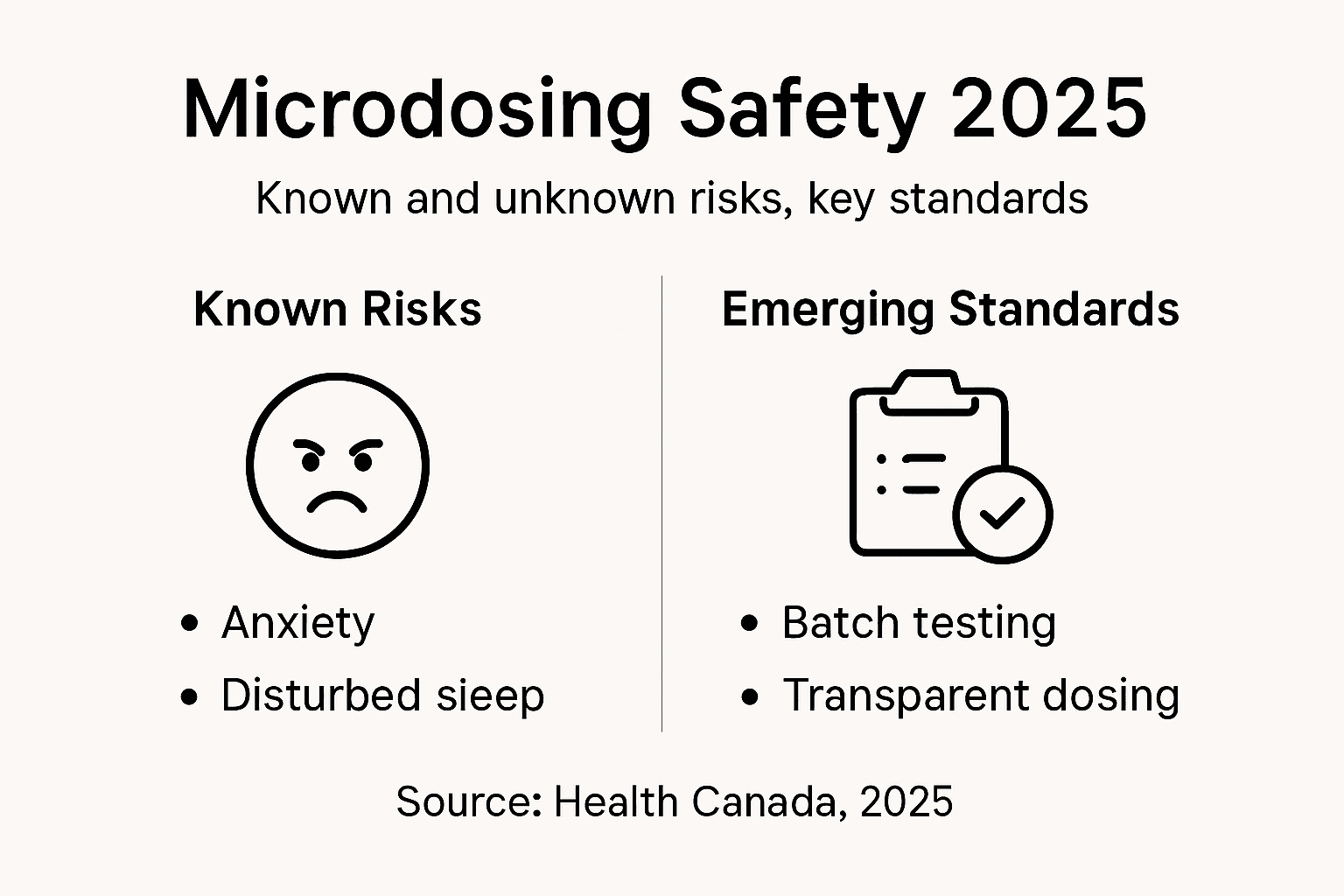
The microdosing industry has grown faster than safety protocols. Standards are still being developed, which means you need to be your own advocate for safety.
Known and unknown risks
Substances acting on serotonin 5-HT2B receptors may pose cardiovascular risks with chronic use, requiring monitoring in long-term studies and medical supervision. This means repeated microdosing over months or years carries potential heart-related concerns that current research hasn’t fully mapped.
Other documented risks include:
- Anxiety or agitation, especially in those with underlying anxiety disorders
- Sleep disruption if dosed too late in the day
- Headaches or mild perceptual disturbances
- Potential interactions with psychiatric medications
- Psychological dependence on the ritual rather than the substance
Individual risk varies based on genetics, health history, and concurrent medications. What’s safe for one person may not be for another.
The harm reduction approach
Risk factors require harm reduction strategies including accurate dosing and source verification, combined with medical consultation whenever possible. This practical framework acknowledges that people will microdose regardless of legality, so the focus shifts to making it as safe as possible.
Harm reduction means:
- Using precisely dosed products rather than guessing with loose material
- Verifying product quality through batch testing when available
- Starting with minimal doses to assess individual tolerance
- Tracking effects systematically to identify problems early
- Consulting healthcare providers about drug interactions
- Taking periodic breaks to assess long-term tolerance
Current industry standards remain under development because microdosing research is so recent. You’re essentially a participant in a large, uncontrolled experiment when you microdose outside clinical settings.
Industry standards in 2025
The microdosing industry lacks uniform standards. No official body certifies “safe” products or sets universal dosing protocols. This gap creates genuine risk.
What’s emerging includes quality control testing, third-party verification, and dosing transparency. Reputable retailers provide batch testing results and clear ingredient information. Others don’t.
Canadian consumers should prioritize products with transparent sourcing, documented testing, and clear dosing information over cheaper alternatives with unknown origins.
Pro tip: Request batch testing results and third-party verification from any microdosing product you purchase, and consult your healthcare provider about potential interactions with medications or health conditions before beginning any microdosing regimen.
Discover Precise and Trusted Microdosing Solutions in Canada
Navigating the complexities of microdosing psilocybin in 2025 requires clear information and reliable products. This article highlights the challenges around dosing accuracy, safety concerns, and evolving Canadian legal regulations. If you are seeking consistent dosing, transparent sourcing, and a safe approach to explore microdosing benefits without guesswork, then finding a trusted supplier is essential.
At Fungal Friend, we understand the importance of precision and safety emphasized in the article. Our curated selection includes mushroom capsules, infused teas, and chocolates all crafted for reliable dosing and validated quality. We prioritize education so you stay informed on legal pathways, best practices, and how to measure your own experience effectively.
Start your microdosing journey the responsible way with products designed for Canadian consumers who value wellness and legal compliance.
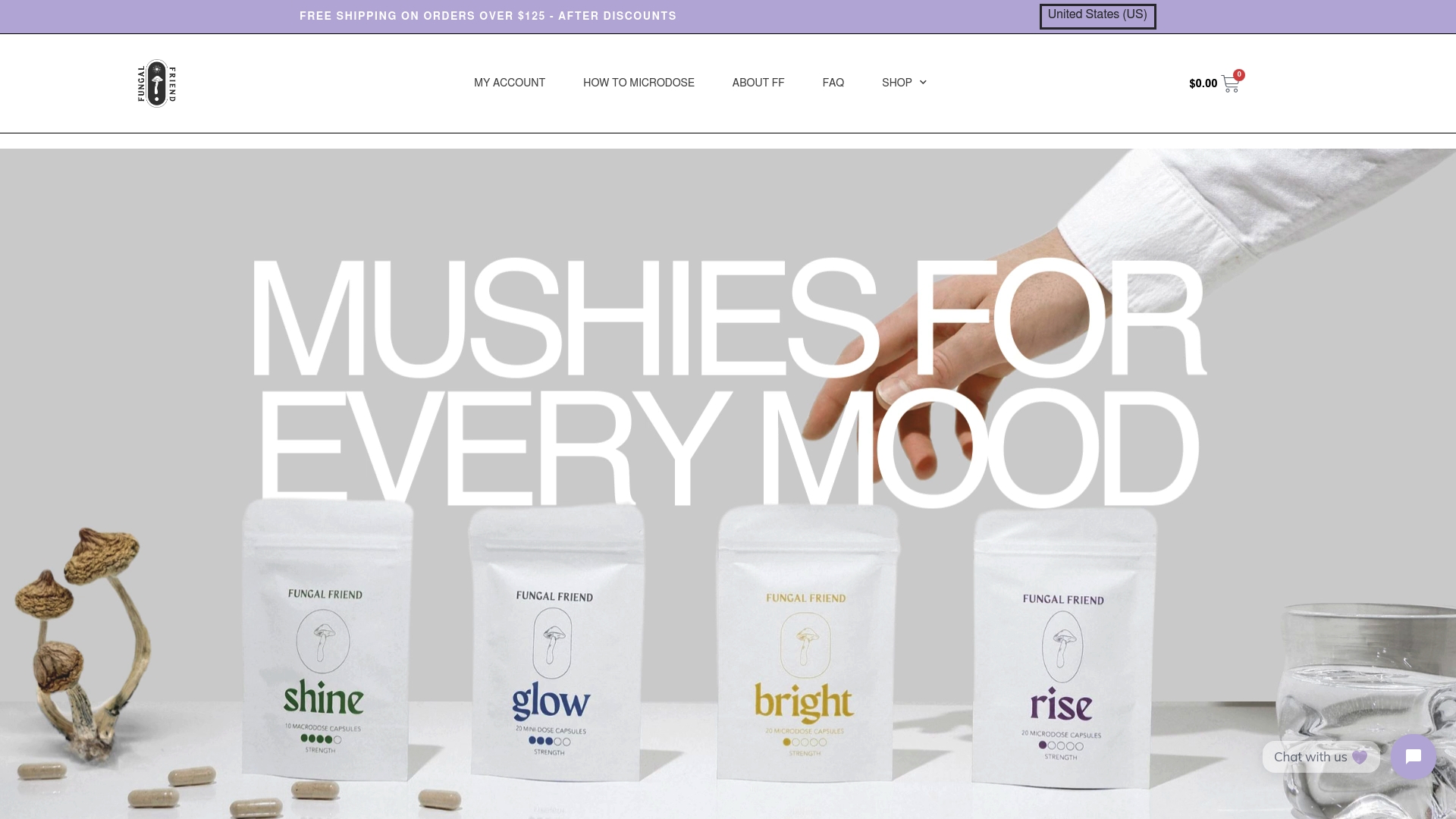
Explore our carefully formulated products now at Fungal Friend and take control of your microdosing experience with confidence. Learn more about safe dosing, strain options, and step-by-step guidance to support your goals today.
Frequently Asked Questions
What is microdosing, and how does it differ from traditional psychedelic use?
Microdosing involves taking sub-hallucinogenic doses of psilocybin, typically one-tenth to one-fifth of a recreational dose. Unlike traditional psychedelic use, the aim of microdosing is not to experience hallucinations, but to explore potential wellness benefits while maintaining normal daily function.
What are the key benefits of microdosing reported by users?
Many users report enhanced mood, improved focus, increased creativity, and decreased anxiety. However, it’s essential to note that these benefits are often based on anecdotal evidence and lack rigorous scientific confirmation.
What are the risks associated with long-term microdosing?
Risks of long-term microdosing may include anxiety, agitation, sleep disturbances, and potential cardiovascular concerns. The lack of long-term studies creates uncertainty about the cumulative effects of regular microdosing.
How does the legal status of psilocybin affect microdosing practices?
Psilocybin is a controlled substance, and while there are emerging pathways for therapeutic use, microdosing outside these frameworks remains illegal. Understanding the legal landscape is crucial for safe practices in microdosing.