
Microdose Benefits: 65% See Anxiety Relief in 4 Weeks
Nearly two-thirds of people microdosing psilocybin report significant anxiety relief within a month. This natural approach involves taking sub-perceptual doses of psilocybin mushrooms, typically between 0.1 and 0.3 grams, to support mental wellness without inducing hallucinations. This guide explains how microdosing works, its benefits for anxiety and focus, safety protocols, and practical tips for Canadian adults exploring this evidence-based wellness option.
Table of Contents
- Introduction to Microdosing: What and Why?
- How Microdosing Works: The Science Behind the Benefits
- Benefits of Microdosing: Anxiety Reduction and Focus Enhancement
- Common Misconceptions About Microdosing
- Safety and Dosage Guidelines for Microdosing
- Choosing the Right Strain/Product for Your Needs
- Legal Considerations for Microdosing in Canada
- Practical Tips for Starting Your Microdosing Journey Safely
- Explore Safe Microdosing Resources and Products
- Frequently Asked Questions
Key Takeaways
| Point | Details |
|---|---|
| Anxiety reduction | 65% of users experience measurable anxiety relief after 4 weeks of consistent microdosing |
| Enhanced focus | Improved executive function and sustained attention reported in majority of participants |
| Safe dosing range | Doses under 0.3g prevent psychedelic effects while delivering therapeutic benefits |
| Legal access | Canadian landscape allows safe sourcing through licensed providers with evolving regulations |
| Starting protocol | Begin with lowest dose (0.1g) and track effects to personalize your routine |
Introduction to Microdosing: What and Why?
Microdosing refers to taking sub-perceptual doses of psilocybin, the active compound in magic mushrooms, typically ranging from 0.1 to 0.3 grams of dried material. Unlike therapeutic high-dose psychedelic sessions that create intense experiences, microdosing aims for subtle shifts in mood, focus, and anxiety levels without any hallucinogenic effects.
This practice has grown rapidly among Canadian adults seeking natural alternatives to conventional anxiety medications. What began as an underground wellness movement has gained mainstream interest as research validates its safety and effectiveness.
The key distinction is intention and dosage. Microdosing targets daily function improvement rather than profound altered states. You won’t experience visual distortions or loss of control. Instead, users report feeling more present, less reactive to stress, and better able to focus on tasks.
Core principles of microdosing include:
- Sub-perceptual doses that don’t interfere with daily activities
- Cyclical schedules to prevent tolerance buildup
- Therapeutic goals like anxiety reduction and cognitive enhancement
- Natural, non-addictive approach to mental wellness
- Integration with healthy lifestyle habits for optimal results
Understanding what microdosing truly involves helps set realistic expectations and guides safe practice.
How Microdosing Works: The Science Behind the Benefits
Psilocybin’s therapeutic effects stem from its interaction with serotonin receptors in your brain, specifically the 5-HT2A receptor subtype. At microdose levels, psilocybin gently activates these receptors without overwhelming them, creating subtle but meaningful changes in neural activity.
This gentle activation promotes neuroplasticity, your brain’s ability to form new connections and adapt to challenges. Research shows that low doses of psilocybin subtly activate serotonin 2A receptors, enhancing cognitive flexibility and emotional regulation. These changes occur below the threshold for perceptual alterations.
The result is improved communication between brain regions that typically don’t interact much. This enhanced connectivity supports better mood regulation, clearer thinking, and reduced anxiety responses. Your default mode network, the brain system associated with rumination and self-criticism, becomes less rigid.
Key mechanisms include:
- Serotonin receptor modulation improving mood stability
- Increased brain-derived neurotrophic factor (BDNF) supporting neural growth
- Enhanced prefrontal cortex function for executive control
- Reduced amygdala reactivity lowering anxiety responses
- Improved neural network integration for cognitive flexibility
Doses below 0.3 grams avoid triggering hallucinogenic experiences while still providing these neurochemical mechanisms that underlie therapeutic benefits. This sweet spot allows you to function normally while experiencing gradual mental health improvements.
Benefits of Microdosing: Anxiety Reduction and Focus Enhancement
Clinical observations reveal compelling evidence for microdosing’s effectiveness. In naturalistic studies, 65% of participants experienced reduced anxiety symptoms after 4 weeks of consistent microdosing. These improvements weren’t just subjective feelings but measurable changes on validated anxiety scales.
Focus and cognitive performance show similar gains. Users report better concentration during work tasks, improved memory recall, and enhanced problem-solving abilities. The same psychological benefits study found that microdosing improved mood and creativity in 75% of participants with no major side effects.
Documented benefits include:
- Significant reduction in generalized anxiety symptoms
- Enhanced executive function and task switching
- Improved sustained attention during complex work
- Better emotional regulation in stressful situations
- Increased openness to new experiences and perspectives
- Enhanced creative thinking and problem-solving
| Benefit Area | Improvement Rate | Timeline |
|---|---|---|
| Anxiety reduction | 65% of users | 4 weeks |
| Focus enhancement | 70% of users | 2-3 weeks |
| Mood improvement | 75% of users | 3-4 weeks |
| Creativity boost | 60% of users | 2-4 weeks |
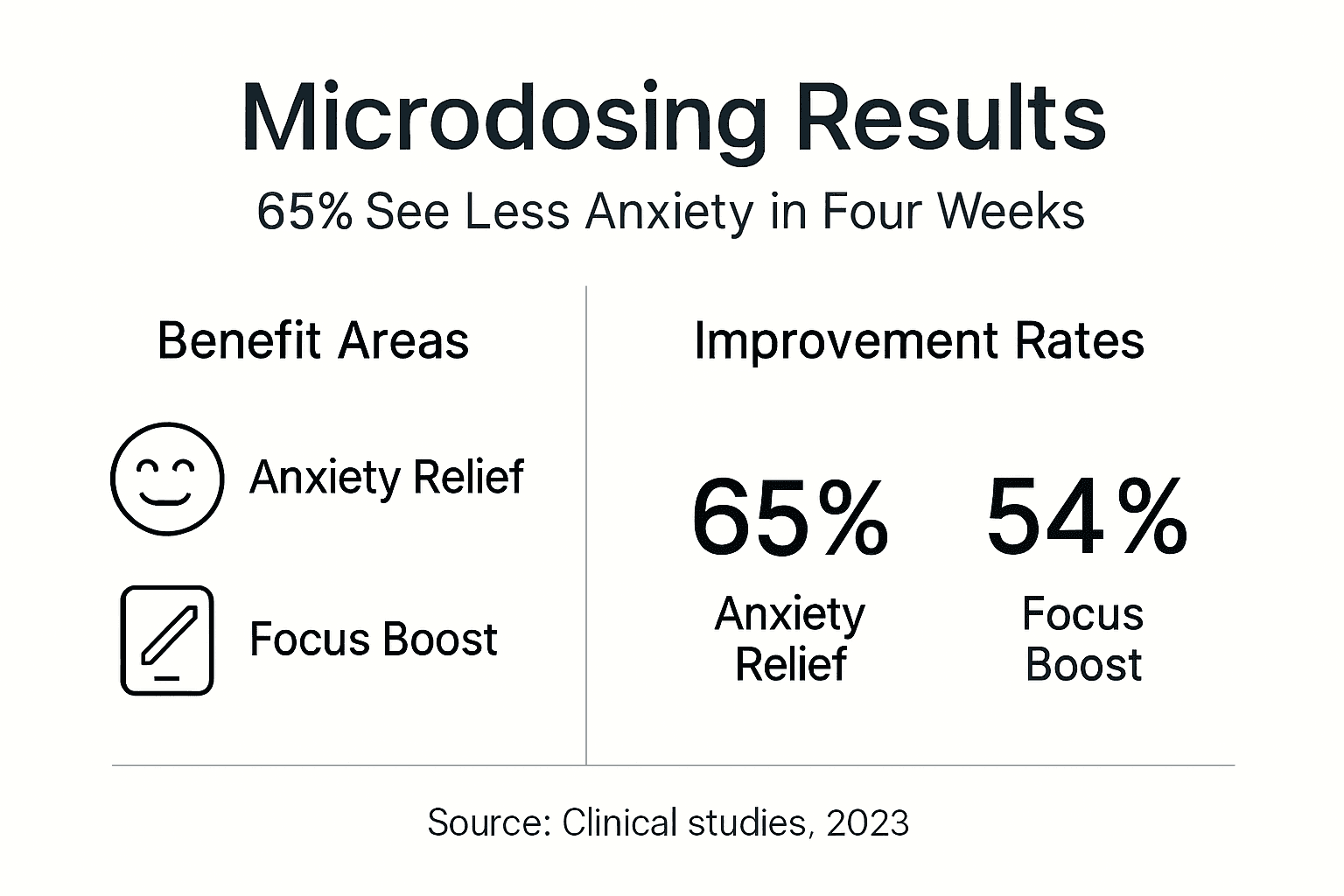
These anxiety and focus benefits compound over time with consistent practice. Early improvements often motivate continued use, creating a positive cycle of mental wellness gains.
Pro tip: Maintain a consistent dosing schedule rather than using microdoses reactively during high-stress moments. Regular, planned doses build cumulative benefits more effectively than sporadic use.
Common Misconceptions About Microdosing
Many people avoid microdosing due to false beliefs rooted in stigma around psychedelics. The most common misconception is that any psilocybin use causes hallucinations or impairment. In reality, microdoses are specifically designed to stay below perceptual thresholds.
Another myth suggests all mushroom strains produce identical effects. Potency varies significantly between species and growing conditions. Psilocybe cubensis differs markedly from Psilocybe semilanceata in psilocybin content, requiring dose adjustments.
Some believe microdosing is purely recreational or that it lacks scientific support. The evidence base continues growing, with multiple peer-reviewed studies documenting therapeutic mechanisms and outcomes. This isn’t about getting high but about targeted mental health support.
Key myths to dispel:
- Microdoses don’t cause visual distortions or cognitive impairment
- Therapeutic goals differ entirely from recreational psychedelic use
- Strain selection matters for predictable, safe experiences
- Scientific research validates mechanisms and benefits
- Legal access options exist for Canadians through licensed sources
Understanding these microdosing myths helps you approach the practice with accurate expectations and confidence. Knowledge replaces fear, enabling informed decisions about your mental wellness journey.
Safety and Dosage Guidelines for Microdosing
Safety starts with proper dosing. The therapeutic window for microdosing ranges from 0.1 to 0.3 grams of dried psilocybin mushrooms. This range provides benefits without crossing into psychedelic territory. Clinical research confirms no serious side effects were observed in 95% of participants microdosing 0.3 grams over 6 weeks.
Cyclical dosing schedules prevent tolerance development. The most common protocol involves dosing one day, then taking two days off before the next dose. This pattern maintains sensitivity to psilocybin’s effects while allowing integration time.
Safe microdosing protocol:
- Start with 0.1 grams to assess individual tolerance and sensitivity
- Use a precise digital scale for consistent, accurate dosing
- Follow a schedule like Monday/Thursday or every third day
- Track effects, mood, and any side effects in a detailed journal
- Adjust dose by 0.05-gram increments only after 2 weeks
- Never exceed 0.3 grams to avoid unwanted psychedelic effects
- Consult healthcare providers if taking other medications
Dosing precision matters significantly. Variations of just 0.1 grams can shift experiences from sub-perceptual to mildly psychedelic. Quality scales and consistent measurement protect against accidental overdosing.
This beginner microdosing guide provides detailed protocols for safe exploration. Remember that individual responses vary based on body weight, metabolism, and sensitivity.
Pro tip: Take your first microdose on a non-work day to observe effects without performance pressure. This safety buffer lets you adjust subsequent doses appropriately.
Choosing the Right Strain/Product for Your Needs
Strain selection influences both potency and effect profile. Psilocybe cubensis, the most common cultivated species, offers moderate potency and balanced effects suitable for anxiety relief and general wellness. Its predictability makes it ideal for beginners.
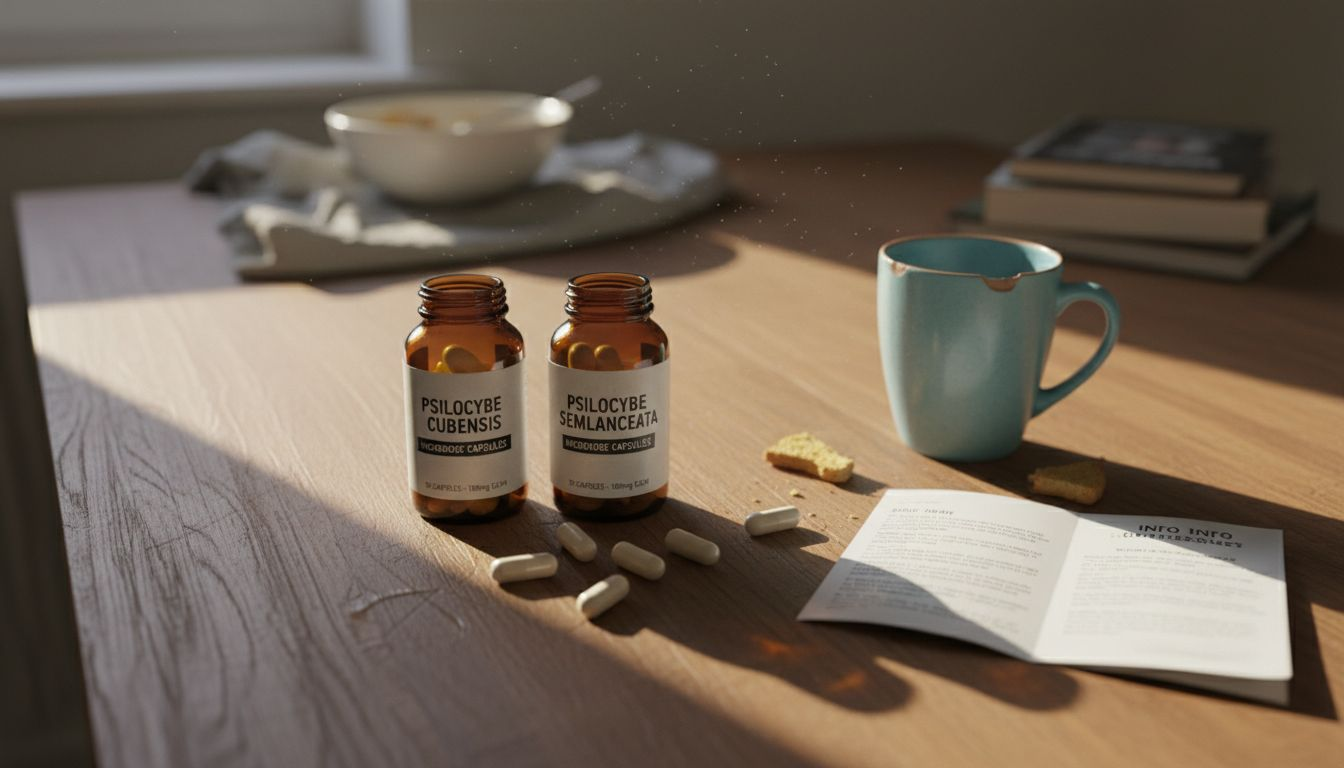
Psilocybe semilanceata contains higher psilocybin concentrations, delivering stronger effects at lower weights. This strain suits experienced users seeking pronounced focus enhancement, but requires more careful dosing to stay sub-perceptual.
Product format affects convenience and precision. Capsules provide exact dosing without taste considerations, perfect for consistent protocols. Chocolates offer pleasant consumption but require careful attention to psilocybin content per piece. Teas allow gradual onset but make precise dosing more challenging.
| Strain/Product | Potency Level | Best For | Dosing Precision |
|---|---|---|---|
| P. cubensis capsules | Moderate | Anxiety relief, beginners | High (pre-measured) |
| P. semilanceata | High | Focus enhancement | Requires careful measurement |
| Infused chocolates | Varies | Pleasant consumption | Medium (per piece) |
| Mushroom teas | Low to moderate | Gentle onset | Lower (dilution varies) |
Matching products to goals:
- Anxiety reduction: P. cubensis capsules at 0.1-0.2g for gentle, consistent relief
- Focus enhancement: P. semilanceata at 0.1-0.15g for cognitive clarity
- Mood support: Infused chocolates combining psilocybin with cacao compounds
- Flexible dosing: Dried mushrooms allowing custom weight adjustments
Understanding how strain matters in microdosing helps optimize your results. Different strains and formats serve different needs and preferences.
Pro tip: Capsules eliminate guesswork and ensure consistent daily doses, while chocolates add enjoyment to your routine. Choose based on whether precision or experience matters more for your goals.
Legal Considerations for Microdosing in Canada
Psilocybin remains a controlled substance under Canadian federal law, classified as a Schedule III drug. However, the legal landscape is evolving rapidly. Health Canada has granted exemptions for medical use and end-of-life care, creating precedent for broader access.
Enforcement varies significantly by province and municipality. Some regions have effectively decriminalized personal possession, while others maintain stricter approaches. Vancouver and other cities have seen growing tolerance for licensed psilocybin retailers.
Licensed sellers operating under grey-market conditions provide the safest sourcing option. These vendors follow quality standards, lab testing, and customer safety protocols. Purchasing from unknown sources risks contamination, misidentification, or inconsistent potency.
Legal landscape considerations:
- Federal control exists but exemptions create access pathways
- Provincial enforcement priorities differ across Canada
- Licensed retailers offer quality assurance and safety
- Advocacy groups push for broader therapeutic access
- Legal status continues evolving toward greater acceptance
Staying informed about current regulations in your province helps you make compliant choices. The trend favors increased access for therapeutic purposes, particularly as research evidence grows.
Practical Tips for Starting Your Microdosing Journey Safely
Beginning your microdosing practice requires thoughtful preparation. Success comes from patient experimentation, careful tracking, and realistic expectations. Your unique brain chemistry means your optimal dose and schedule might differ from published guidelines.
Start conservatively to establish your baseline response. Even 0.1 grams can produce noticeable effects in sensitive individuals. Building up gradually prevents overwhelming experiences and helps identify your therapeutic sweet spot.
Step-by-step starting protocol:
- Research thoroughly and understand mechanisms before beginning
- Source quality products from licensed, reputable vendors
- Begin with 0.1 grams on a free day without obligations
- Keep detailed notes on mood, energy, focus, and any side effects
- Maintain consistent timing (morning doses work best for most people)
- Follow two-day breaks between doses to prevent tolerance
- Reassess after 4 weeks and adjust protocol based on results
- Consult healthcare providers if you take medications or have concerns
Journaling proves essential for tracking subtle changes. Note your dose, time taken, daily activities, mood shifts, and sleep quality. Patterns emerge over weeks that aren’t obvious day to day.
These microdosing beginner tips provide structured guidance for safe exploration. Remember that benefits accumulate gradually rather than appearing immediately.
Pro tip: Patience wins with microdosing. Many users see minimal effects in week one but significant improvements by week four. Consistency and tracking reveal the true impact over time.
Explore Safe Microdosing Resources and Products
Ready to experience the anxiety relief and focus benefits of microdosing? Access comprehensive educational resources and quality products designed specifically for Canadian adults new to psilocybin wellness.
Our Beginner Microdosing Guide walks you through safe protocols step by step. Learn the Safe Microdosing Method that hundreds of Canadians trust for consistent results. Shop precisely dosed Microdose Mushroom Capsules that eliminate guesswork and deliver reliable daily support.
Every product includes detailed dosing instructions, strain information, and safety guidelines to support your wellness journey with confidence.
Frequently Asked Questions
What Are the Recommended Dosages for Psilocybin Microdosing?
The typical therapeutic range spans 0.1 to 0.3 grams of dried psilocybin mushrooms. Beginners should start at 0.1 grams to assess individual tolerance before adjusting upward. Most people find their optimal dose between 0.15 and 0.25 grams.
Is Microdosing Legal in Canada?
Psilocybin remains federally controlled, but the legal environment is shifting toward therapeutic access. Health Canada has granted medical exemptions, and enforcement varies regionally. Licensed vendors operate in grey areas, providing quality products while advocacy continues for full legalization.
What Benefits Can I Expect from Microdosing Psilocybin?
Research shows 65% of users experience reduced anxiety symptoms within 4 weeks of consistent microdosing. Additional benefits include improved focus, enhanced creativity, better mood regulation, and increased cognitive flexibility. Effects build gradually rather than appearing immediately, requiring patience and consistency.
How Do I Choose the Right Psilocybin Product for My Needs?
Select strains based on your primary goals and experience level. Psilocybe cubensis capsules suit anxiety relief and beginners due to moderate, predictable potency. Higher-potency strains like Psilocybe semilanceata work for focus enhancement but require careful dosing. Capsules offer precision, while chocolates provide pleasant consumption experiences.
Are There Any Risks or Side Effects of Microdosing?
Clinical studies report no serious adverse effects in 95% of participants using doses under 0.3 grams. Exceeding this threshold can trigger mild psychedelic effects and temporary anxiety. Rare side effects at proper doses include slight nausea or headaches. Always consult healthcare providers if you take medications or have pre-existing conditions.