
What is a psychedelic blend? 25% better anxiety relief
Psychedelic blends can reduce anxiety symptoms by up to 25% more than single-strain microdosing products. Many Canadians seeking natural mental health alternatives are discovering these compound combinations offer superior therapeutic potential. This guide explains what psychedelic blends are, their mechanisms, mental health benefits, safety profiles, and legal considerations for responsible use in Canada.
Table of Contents
- Understanding Psychedelic Blends
- How Psychedelic Blends Work: Mechanisms Of Action
- Benefits Of Psychedelic Blends For Mental Health
- Safety And Dosage Considerations In Microdosing
- Common Misconceptions About Psychedelic Blends
- How Psychedelic Blends Are Formulated
- Legal Considerations For Psychedelic Blends In Canada
- Choosing And Using Psychedelic Blends Safely
- Explore Safe Microdosing With Fungal Friend
- Frequently Asked Questions
Key takeaways
| Point | Details |
|---|---|
| Definition | Psychedelic blends combine multiple strains or compounds for synergistic mental health effects. |
| Mechanism | Serotonin receptor agonism enhanced by varied binding affinities modulates mood and cognition synergistically. |
| Safety | Blends show similar safety profiles to single strains at microdose levels with fewer than 5% adverse events. |
| Benefits | User surveys report 68% increased focus and 72% decreased anxiety with blend microdosing. |
| Legal Status | Health Canada regulates psilocybin with medical exemptions; purchasing from licensed sources ensures safety and legality. |
Understanding psychedelic blends
A psychedelic blend combines multiple psychedelic strains or compounds and offers synergistic effects beyond single strains. These formulations pair two or more active compounds to enhance therapeutic outcomes for anxiety, focus, and mood stabilization. Unlike single-strain microdosing, which relies on one compound’s pharmacology, blends create synergy where combined effects exceed individual contributions.
Typical compositions vary based on therapeutic goals. Some blends combine different psilocybin strains with complementary terpene profiles. Others integrate psilocybin with complementary compounds like 5-HTP to amplify anxiolytic benefits. This approach allows formulators to target specific mental health needs more precisely than single compounds alone.
The key difference lies in complexity. Single-strain products offer predictable, straightforward effects. Blends introduce multiple active compounds that interact at neurochemical levels, potentially enhancing therapeutic windows while maintaining microdose safety. Understanding the effects of psychedelic blends helps users make informed choices about which formulations match their mental health goals.
Comparison: Blends vs. Single-Strain Microdosing
| Feature | Psychedelic Blends | Single-Strain Products |
|---|---|---|
| Active Compounds | 2-3 compounds combined | 1 primary compound |
| Synergistic Effects | Enhanced through compound interaction | Limited to single compound pharmacology |
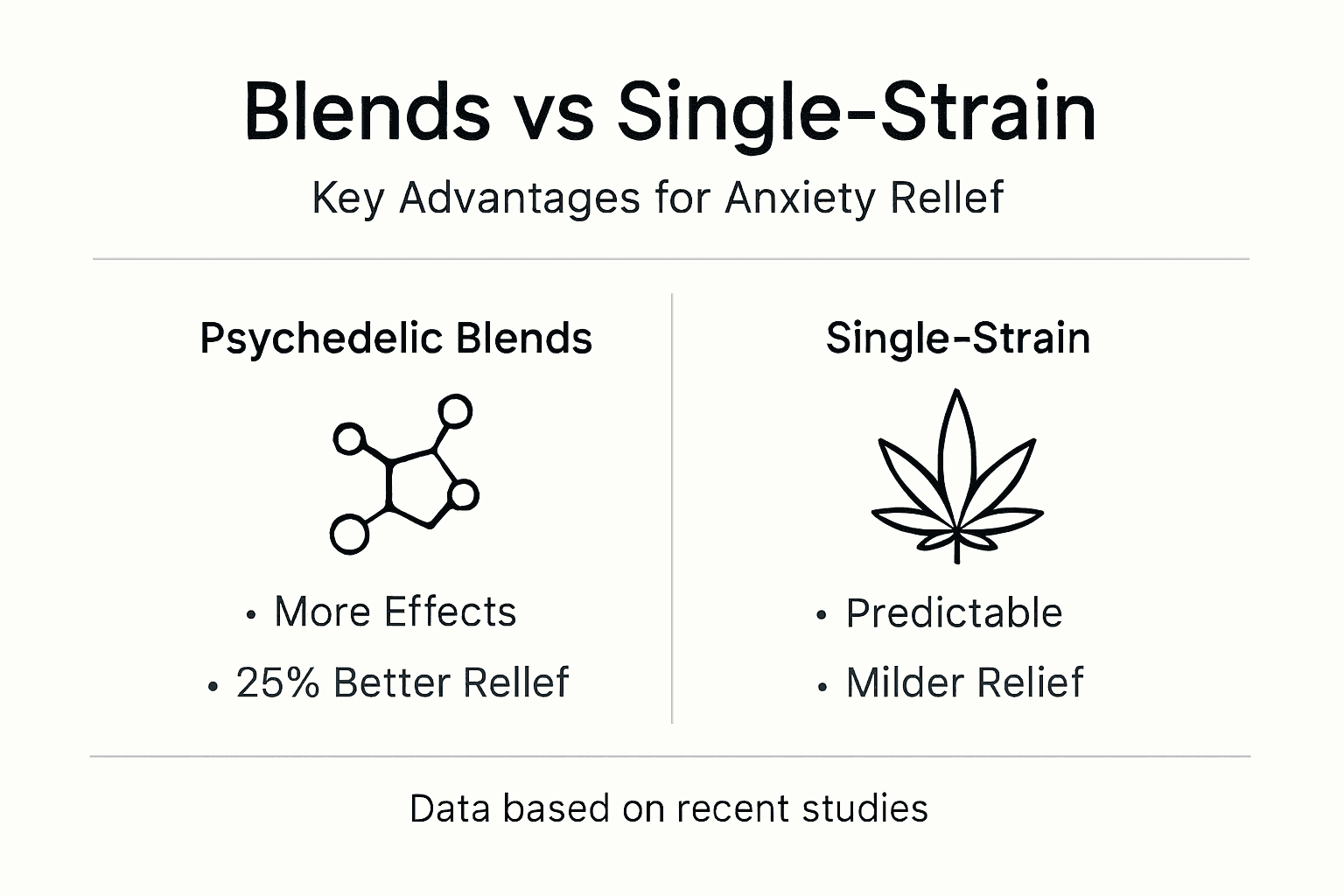
| Anxiety Reduction | Up to 25% more effective | Standard effectiveness baseline |
| Formulation Complexity | Tailored to specific mental health goals | Straightforward dosing |
| User Experience | Varied, compound-dependent | Predictable, consistent |
How psychedelic blends work: mechanisms of action
Serotonin receptor agonism, enhanced by varied binding affinities of different compounds in the mix, modulates mood and cognition synergistically. The 5-HT2A receptor plays a central role in psychedelic effects on emotional regulation and attention. Different compounds in blends bind these receptors with varying strengths and durations, creating layered therapeutic effects.
This synergy enhances neuroplasticity pathways involved in anxiety reduction and cognitive flexibility. When multiple compounds target overlapping neural circuits, they can amplify beneficial effects while potentially reducing side effects through balanced activation. For example, combining psilocybin with a serotonin precursor may smooth the experience and extend therapeutic benefits.
The pharmacological diversity in blends allows for more nuanced modulation of brain chemistry. Rather than overwhelming a single receptor system, blends distribute activity across multiple targets. This approach mirrors how traditional plant medicines often contain multiple active compounds that work together.
Key Mechanisms:
- Multiple serotonin receptor subtypes are activated simultaneously for broader mood regulation
- Varied compound half-lives create sustained therapeutic windows throughout the day
- Synergistic binding enhances neuroplasticity without increasing dose-related risks
- Complementary pathways for anxiety and focus are engaged through different compounds
Pro Tip: Understanding your blend’s compound profile helps anticipate therapeutic outcomes and personalize your microdosing regimen for optimal mental health benefits.
The complexity of effects from psychedelic blends stems from this multi-target pharmacology. Users experience more comprehensive mental health support because multiple neurochemical systems are engaged simultaneously.
Benefits of psychedelic blends for mental health
Psychedelic blends can reduce anxiety symptoms by up to 25% more than single-strain microdosing products. This quantified improvement represents a significant advancement for Canadians seeking natural anxiety relief. User surveys reveal 68% experienced increased focus and 72% noted decreased anxiety when microdosing blends compared to single compounds.
These improvements stem from synergistic effects targeting multiple mental health pathways. Anxiety reduction occurs through balanced serotonin modulation, while focus enhancement results from improved cognitive flexibility and attention regulation. Mood stabilization emerges as compounds work together to smooth emotional fluctuations common in anxiety disorders.
Comparative data demonstrate clear advantages for specific symptoms. While single-strain microdosing provides baseline benefits, blends outperform in areas requiring multi-system engagement. The mental health benefits of psychedelic blends extend beyond simple symptom reduction to comprehensive wellness support.
Mental Health Outcomes: Blends vs. Single-Strain
| Outcome Measure | Psychedelic Blends | Single-Strain Microdosing |
|---|---|---|
| Anxiety Reduction | 72% of users report significant decrease | 57% report moderate decrease |
| Focus Enhancement | 68% report improved concentration | 52% report some improvement |
| Mood Stability | 65% report balanced emotions | 49% report occasional stability |
| Overall Satisfaction | 78% rate as very effective | 61% rate as moderately effective |
Key Benefits:
- Superior anxiety symptom control through multi-pathway modulation
- Enhanced cognitive performance and sustained attention spans
- Improved emotional resilience and stress response regulation
- Comprehensive mental health support from synergistic compound interactions
Safety and dosage considerations in microdosing
Safety profiles for psychedelic blends in microdosing are comparable to single-strain products, provided dosing stays in low microdose ranges of 0.1 to 0.3 grams dried mushroom equivalent. Adverse events occur in fewer than 5% of users when doses remain responsible and controlled. This safety record reassures Canadians concerned about trying compound formulations.
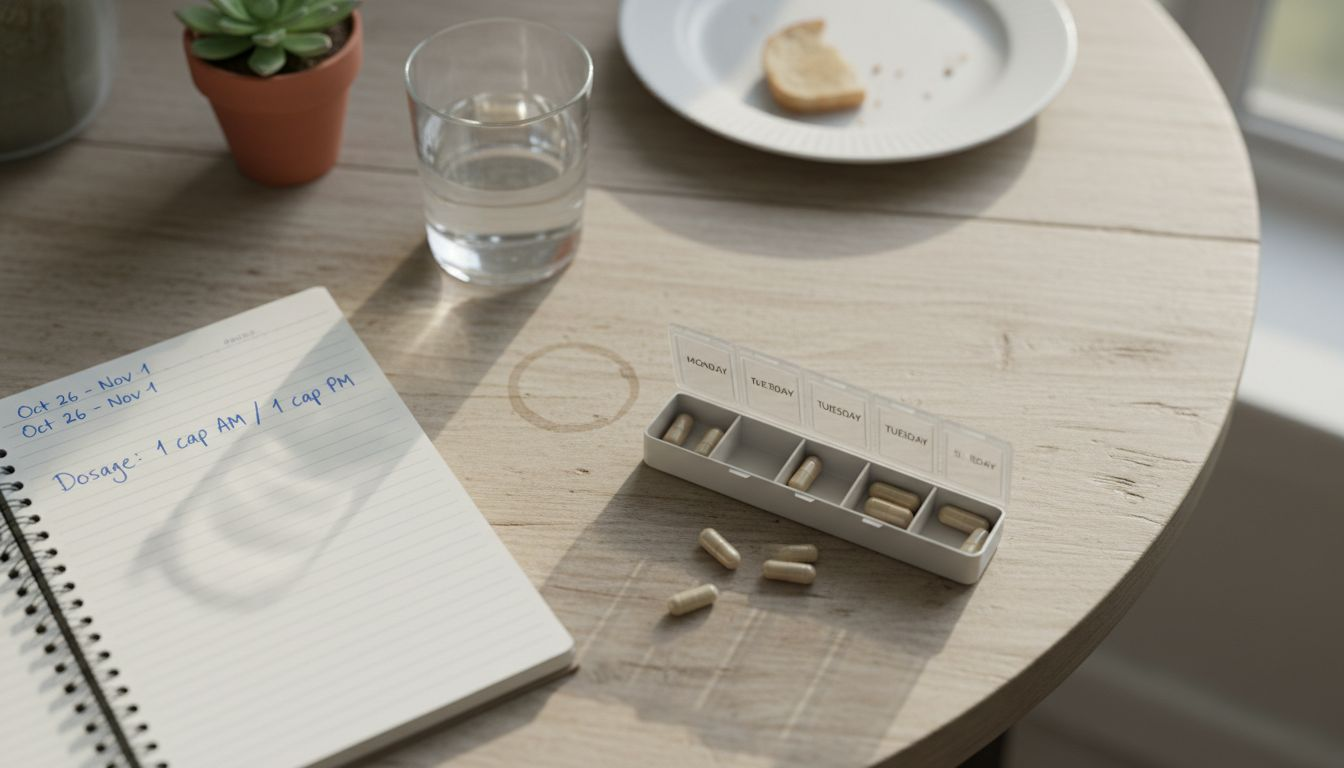
The key to safe microdosing lies in starting low and adjusting gradually. Blends require the same cautious approach as single compounds. Your personal sensitivity determines optimal dosing, not general recommendations alone. Tracking responses over several weeks helps identify the sweet spot where benefits maximize without unwanted effects.
Responsible practices include sourcing from trusted suppliers, following recommended protocols, and consulting healthcare providers when appropriate. Understanding psychedelic safety guidelines ensures your microdosing journey supports mental health without unnecessary risks.
Safety Guidelines:
- Begin at 0.1 grams to assess individual tolerance and response patterns
- Maintain consistent dosing schedules, typically every three days
- Monitor mental and physical responses through journaling
- Avoid combining with contraindicated medications or alcohol
- Source products from licensed, tested suppliers only
Pro Tip: Start at the lowest effective dose to gauge personal sensitivity and minimize risks while establishing your baseline response to psychedelic blends.
When blends are used within established microdose ranges, their safety profiles mirror single-strain products. The complexity of formulation does not inherently increase risk when proper dosing protocols are followed.
Common misconceptions about psychedelic blends
Many believe blends are inherently riskier than single compounds. Reality: safety depends on dose and sourcing, not formulation complexity. Controlled microdosing blends are safe and effective even for first-time users, with low adverse reaction rates matching single-strain products.
Another myth suggests only experienced psychedelic users should try blends. This misconception discourages newcomers who could benefit most. Blends formulated for microdosing are appropriate for beginners when used responsibly. The beginner microdosing guide demonstrates how first-time users safely integrate blends into mental health routines.
Some assume blends guarantee better outcomes than single compounds for everyone. Results vary based on formulation quality, individual neurochemistry, and consistent use. While blends offer advantages for many users, they are not universal solutions. Setting realistic expectations based on evidence rather than hype ensures satisfying experiences.
Debunking Common Myths:
- Myth: Blends are only for advanced users. Reality: Safe microdose blends suit beginners with proper guidance.
- Myth: More compounds mean more risk. Reality: Risk correlates with dose, not ingredient count.
- Myth: Blends work for everyone equally. Reality: Individual responses vary; personalization matters.
- Myth: Single strains are always safer. Reality: Both have comparable safety at microdose levels.
Understanding these myths helps users approach blends with balanced perspectives. Education replaces fear, enabling informed decisions about which formulations match personal mental health needs.
How psychedelic blends are formulated
Psychedelic blends allow for modular mental health interventions by combining compounds with anxiolytic, cognitive-enhancing, or mood-stabilizing properties. Formulators select 2 to 3 compounds targeting specific therapeutic goals. For example, pairing psilocybin with 5-HTP enhances anxiolytic benefits through complementary serotonin pathway modulation.
Formulations are designed specifically for microdose regimens. This ensures synergy maximizes while minimizing risks associated with higher doses. Careful ratio selection balances each compound’s contribution to avoid overwhelming any single receptor system. The safe microdosing method incorporates these formulation principles for optimal therapeutic outcomes.
Creating effective blends requires understanding pharmacology, user needs, and practical dosing constraints. The process balances scientific rigor with real-world usability to produce formulations that support mental health goals reliably.
Steps in Creating a Therapeutic Blend:
- Identify target mental health goals such as anxiety reduction, focus enhancement, or mood stabilization.
- Select 2 to 3 complementary compounds with overlapping therapeutic mechanisms and compatible pharmacokinetics.
- Determine optimal ratios based on each compound’s potency, receptor affinity, and desired effect profile.
- Calculate total microdose quantity ensuring all compounds remain in sub-perceptual ranges.
- Test formulation stability and bioavailability through controlled trials or user feedback.
- Refine ratios based on efficacy data and adverse event monitoring to optimize therapeutic benefit.
This systematic approach produces blends that deliver consistent, predictable mental health benefits while maintaining the safety profile essential for regular microdosing.
Legal considerations for psychedelic blends in Canada
Health Canada regulates psilocybin as a controlled substance with legal exemptions for medical or research use. Microdosing and blends occupy a complex legal space requiring awareness of current guidelines. While psilocybin remains technically controlled, enforcement priorities and exemption programs create opportunities for responsible therapeutic use.
Purchasing from licensed sources is crucial to ensure product safety and legality. Unregulated suppliers may offer contaminated or mislabeled products that pose health risks and legal complications. Understanding why legality matters helps Canadian users make informed sourcing decisions that protect both health and legal standing.
The regulatory landscape continues evolving as research demonstrates therapeutic benefits and public attitudes shift. Staying informed about current laws and accessing products through proper channels ensures your microdosing practice remains within legal boundaries while supporting mental health goals.
Key Legal Points for Canadian Users:
- Psilocybin is controlled but medical exemptions exist through Health Canada’s Special Access Program
- Personal possession for microdosing remains legally ambiguous; enforcement varies by region
- Licensed producers and clinical programs offer legal access pathways for therapeutic use
- Sourcing safe psychedelics in Canada requires verifying supplier licensing and product testing
- Staying current with federal and provincial regulations protects users from legal complications
Consult psychedelic safety considerations for comprehensive guidance on navigating Canadian regulations while accessing therapeutic psychedelic blends responsibly.
Choosing and using psychedelic blends safely
Read product labels carefully for compound types and dosages before purchasing. Transparency about ingredients and testing allows informed decisions matching your mental health goals. Reputable suppliers provide detailed composition information and third-party lab results verifying purity and potency.
Start with the lowest microdose and track responses over 4 to 8 weeks. This observation period reveals how your body responds to the blend’s specific formulation. Adjust blends or doses only with professional advice or after thorough self-assessment. Rushing dosage increases risks unwanted effects and undermines therapeutic potential.
Maintaining a microdosing journal optimizes your regimen by documenting mood, focus, anxiety levels, and any side effects. This data reveals patterns guiding adjustments for maximum benefit. The beginner microdosing guide offers structured approaches to tracking and refining your practice.
Safety Tips for First-Time Users:
- Verify supplier credentials and request certificates of analysis for product testing
- Start with 0.1 grams and increase by 0.05 gram increments only after two weeks
- Follow consistent schedules like the Fadiman protocol: dose day, two rest days, repeat
- Avoid dosing before important meetings or driving until you know your response
- Keep blends in dark, cool storage to maintain potency and compound stability
Pro Tip: Maintain a microdosing journal to optimize your regimen by tracking mood patterns, productivity changes, and anxiety levels over time for personalized adjustments.
Applying safe microdosing methods ensures your exploration of psychedelic blends supports mental health effectively while minimizing risks through educated, responsible practices.
Explore safe microdosing with Fungal Friend
Now that you understand psychedelic blends, explore trusted resources to apply your knowledge confidently. Fungal Friend offers expert guides for safe microdosing tailored to Canadian regulations and mental health needs. Our beginner microdosing guide walks you through every step of starting your journey, while our safe microdosing method provides protocols for consistent, effective practice.
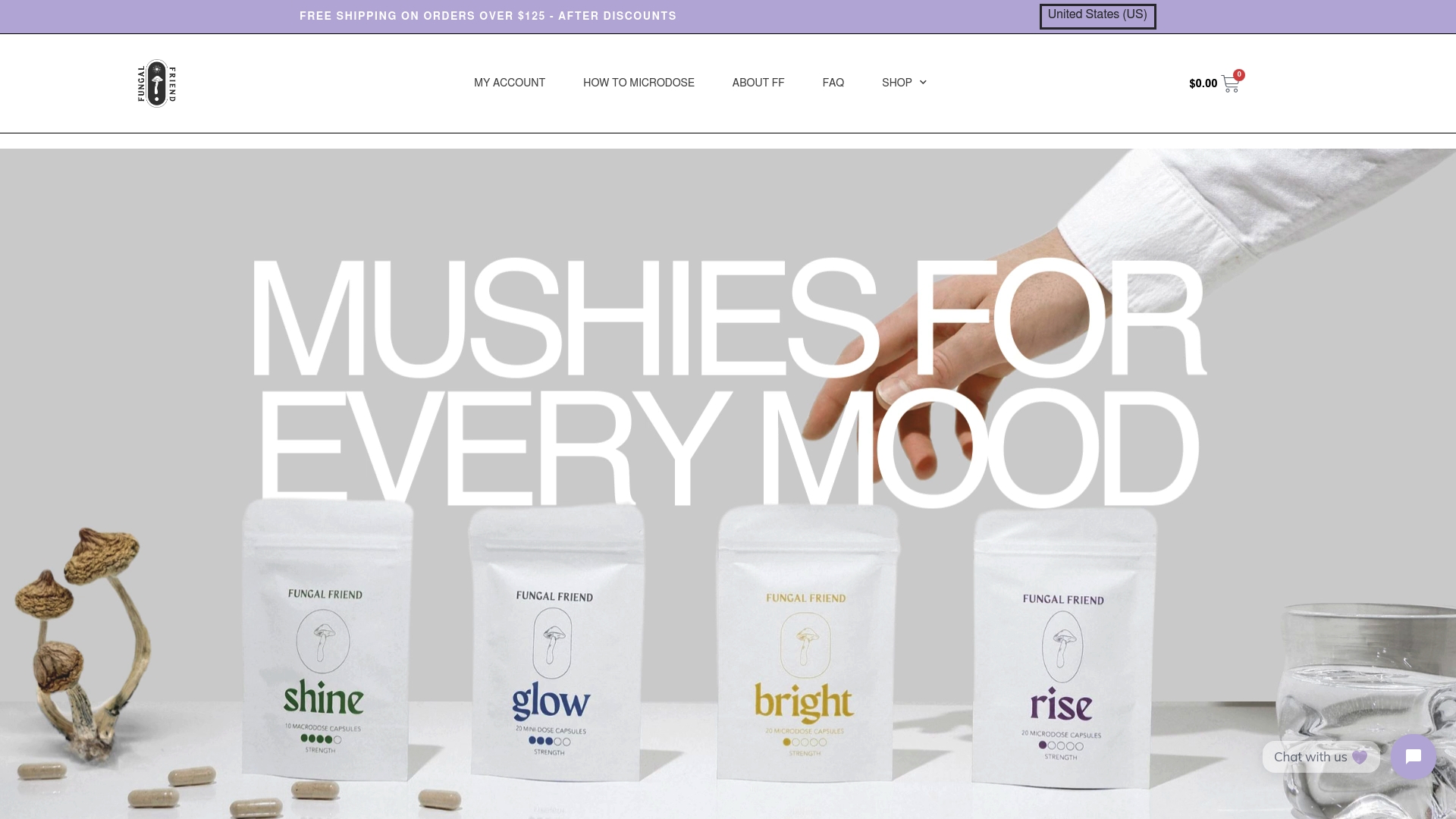
Access a curated selection of microdose mushroom capsules formulated specifically for anxiety reduction and focus enhancement. Each product undergoes rigorous testing to ensure purity, potency, and compliance with Canadian standards. Whether you’re beginning your microdosing journey or refining your regimen, Fungal Friend provides the education and products you need for safe, effective therapeutic exploration.
Frequently asked questions
What is a psychedelic blend?
A psychedelic blend combines two or more psychedelic strains or compounds to create synergistic effects that enhance mental health benefits beyond what single strains offer. These formulations target specific therapeutic goals like anxiety reduction, focus enhancement, and mood stabilization through complementary compound interactions.
Are psychedelic blends safe for beginners?
Yes, psychedelic blends formulated for microdosing are safe for beginners when used responsibly at recommended doses of 0.1 to 0.3 grams. Safety profiles match single-strain products with fewer than 5% adverse events. Starting at the lowest dose and following established protocols ensures safe introduction to blend microdosing.
How do psychedelic blends reduce anxiety better than single strains?
Blends reduce anxiety through synergistic serotonin receptor modulation, where multiple compounds work together to enhance neurochemical balance more effectively than single compounds alone. This multi-pathway approach can reduce anxiety symptoms by up to 25% more than single-strain microdosing by engaging complementary therapeutic mechanisms simultaneously.
What is the legal status of psychedelic blends in Canada?
Psilocybin-based blends are controlled substances in Canada, but Health Canada provides medical exemptions through special access programs for therapeutic use. While personal microdosing exists in a legal gray area, purchasing from licensed sources ensures product safety and reduces legal risks. Regulations continue evolving as research demonstrates therapeutic benefits.
How should I start microdosing psychedelic blends?
Begin with 0.1 grams to assess your personal response, following a consistent schedule like dosing every three days. Track your mood, focus, and anxiety levels in a journal for 4 to 8 weeks before adjusting doses. Source products from licensed suppliers with verified testing, and consult resources like beginner microdosing guides for detailed protocols.
Can psychedelic blends interact with medications?
Yes, psychedelic compounds can interact with certain medications, particularly SSRIs, MAOIs, and other serotonergic drugs. Consult a healthcare provider before starting microdosing if you take prescription medications. Avoid combining blends with alcohol or recreational drugs to prevent unpredictable interactions and ensure safe therapeutic outcomes.