
Sourcing Safe Psychedelics: Key Steps for Canadians
Choosing a psilocybin microdosing product as a Canadian is more complicated than browsing the latest wellness trends. The surge in psychedelic interest brings both excitement and confusion around what actually counts as safe, especially when your focus is mental health and emotional balance. Today, truly safe psychedelics mean verified ingredients, proper dosage, and clear support—factors that go beyond hype and directly impact your well-being. This guide unpacks what you should look for to source psilocybin safely and legally in Canada.
Table of Contents
- What Safe Psychedelics Means Today
- Legal Access Routes In Canada
- Evaluating Sources And Product Quality
- Risks Of Unregulated Psychedelics
- Common Pitfalls And Buyer Protections
Key Takeaways
| Point | Details |
|---|---|
| Safety in Psychedelics | Engage with suppliers who prioritize pharmacological characterization, dosage accuracy, and proper support to enhance the safety of psilocybin use. |
| Legal Access Routes | Utilize Health Canada’s Special Access Program and clinical trials for legal access to psilocybin in Canada, as unregulated sources pose risks. |
| Source Evaluation | Prioritize suppliers that provide third-party testing results, clear product information, and transparent communication about risks. |
| Buyer Protections | Educate yourself on potential pitfalls and maintain documentation of all supplier interactions to mitigate risks when sourcing psychedelics. |
What Safe Psychedelics Means Today
When you’re considering psilocybin microdosing as a Canadian looking to enhance focus or manage anxiety, “safe psychedelics” isn’t just marketing language. It’s a specific set of standards that separates legitimate products from sketchy alternatives. Today, safe psychedelics means products that are well-characterized pharmacologically and administered with attention to dose, setting, and support. This distinction matters because the psychedelic space has exploded in popularity, but regulatory frameworks haven’t caught up everywhere. What makes something genuinely safe comes down to three core elements: knowing exactly what you’re taking, understanding the conditions under which you’re taking it, and having support systems in place if things don’t go as planned.
The research community has become much clearer about what safety actually requires. Rigorous safety and efficacy data forms the foundation of any legitimate psychedelic product you’d want to use. This means the product has been tested to confirm its potency, purity, and consistency from batch to batch. A Canadian microdose supplier that takes safety seriously will provide transparency about testing results, strain information, and dosage precision. Beyond the chemical side, safety today also means acknowledging that psychedelics carry psychological risks alongside potential benefits. Anxiety, panic, or challenging emotional states can emerge during or after a session, even at microdose levels. Real safety means recognizing these possibilities upfront and having strategies to manage them, whether through proper set and setting or access to guidance if needed.
Modern safety standards also require informed consent and proper monitoring. You need clear, honest information about what you’re consuming and what realistic effects you should expect at your chosen dose. This is where many commercial products fall short. They’ll tell you about the benefits but gloss over the risks or dismiss legitimate concerns. A trustworthy source provides complete information, acknowledges that individual responses vary, and doesn’t oversell results. For Canadians specifically, this means working with suppliers who understand Canada’s unique regulatory environment and can explain exactly where their products fit legally and safely. The standard also extends to post-purchase: reliable suppliers track feedback and real-world outcomes from their customers, using that data to refine safety recommendations and adjust practices based on what actually happens in people’s lives, not just laboratory conditions.
Pro tip: Request third-party testing results or documentation about how a supplier verifies their product’s potency and purity before making your first purchase, and look for suppliers who openly discuss both benefits and potential psychological effects rather than focusing exclusively on upside.
Legal Access Routes in Canada
If you’re a Canadian adult interested in psilocybin for microdosing, the legal landscape might feel confusing at first. The truth is that psychedelics aren’t simply available over the counter, but several legitimate pathways exist if you know where to look. The primary legal route for accessing psychedelics in Canada is through Health Canada’s Special Access Program (SAP), which grants case-by-case federal approval for medical use of substances not yet approved for standard prescribing. This means a patient with a serious condition and their healthcare provider can apply directly to Health Canada for authorization to use psilocybin or other psychedelics. The process requires medical documentation, evidence of medical need, and approval from Health Canada’s reviewers. It’s not quick, but it’s legal and transparent. Beyond the SAP, there’s also Section 56 exemptions under Canada’s Controlled Drugs and Substances Act, which allows Health Canada to grant exemptions for medical, scientific, or public interest purposes. These exemptions have been used in limited cases to enable patients and researchers to access psychedelics legally, though the pathway remains more restrictive than the SAP.
Another legitimate avenue is participation in approved clinical trials. If you’re interested in psilocybin-assisted therapy or other psychedelic treatments, research institutions across Canada are conducting studies. These trials provide legal, medically supervised access to psychedelics while contributing to the evidence base that may eventually lead to broader regulatory approval. The clinical trial route offers the advantage of professional oversight, therapeutic support, and the knowledge that you’re participating in legitimate scientific research. Health Canada and various universities have ongoing trials examining psilocybin for conditions like treatment-resistant depression, end-of-life anxiety, and PTSD. The downside is that trial availability fluctuates, eligibility criteria can be strict, and acceptance isn’t guaranteed.
What’s important to understand is that the Canadian regulatory environment is actively evolving. Regulatory reforms are currently being developed to facilitate broader and more efficient patient access while maintaining safety and quality standards. This means the landscape you’re navigating today may look different in 12 to 24 months. Some provinces are exploring additional pathways, and advocacy groups are pushing for expanded access. However, the current reality is that if you want legal access to psilocybin in Canada, your realistic options are the Special Access Program, Section 56 exemptions, or clinical trials. Attempting to source psychedelics outside these frameworks puts you at legal risk, regardless of your intentions. The medical and scientific communities in Canada increasingly recognize psilocybin’s therapeutic potential, but that recognition has to flow through official channels before broader decriminalization or approval occurs.
Pro tip: Start by documenting your medical history and consulting with a healthcare provider who’s open to psychedelic-assisted therapy, as having medical support makes applications through the Special Access Program significantly more likely to succeed and provides the clinical oversight that truly makes your experience safe.
Here’s a comparison of legal psilocybin access options in Canada:
| Access Route | Oversight Required | Availability | Main Limitation |
|---|---|---|---|
| Special Access Program | Medical/Health Canada | National | Strict eligibility, slow process |
| Section 56 Exemption | Health Canada | Limited | Case-specific, rarely granted |
| Clinical Trials | Research institutions | Fluctuates by study | Strict criteria, not open access |
Evaluating Sources and Product Quality
When you’re ready to source psilocybin products, the difference between a trustworthy supplier and a risky one comes down to product quality and source credibility. This isn’t about finding the cheapest option or the flashiest website. It’s about finding a source that has invested in actual quality assurance, transparency, and regulatory compliance. The stakes are real because unregulated substances carry unknown potency, potential adulterants, and inconsistent dosing that could undermine your entire experience or worse. Think of evaluating a supplier like you would evaluate a healthcare provider. You wouldn’t visit a doctor who refused to share their credentials or explain what treatment they’re recommending. The same logic applies here. A legitimate supplier will openly discuss their production methods, testing protocols, and quality standards without requiring you to dig around or guess.
Look for sources that demonstrate verified production methods, batch testing documentation, and absence of contaminants. These aren’t fancy buzzwords. They’re the actual markers of quality control. When a supplier provides third-party testing results, Certificate of Analysis documents, or information about their cultivation and processing standards, that’s a signal they’re serious about safety. Quality assurance in psychedelic products requires adherence to pharmaceutical standards, batch consistency verification, and thorough documentation of every step from production to packaging. Ask specific questions: Where and how are the mushrooms grown? What testing is performed? Can they provide test results? Do they track batch numbers? A supplier who can answer these questions clearly and provide documentation is worth considering. One who deflects or dismisses these concerns should be ruled out immediately. You’re looking for transparency, not just reassurance.
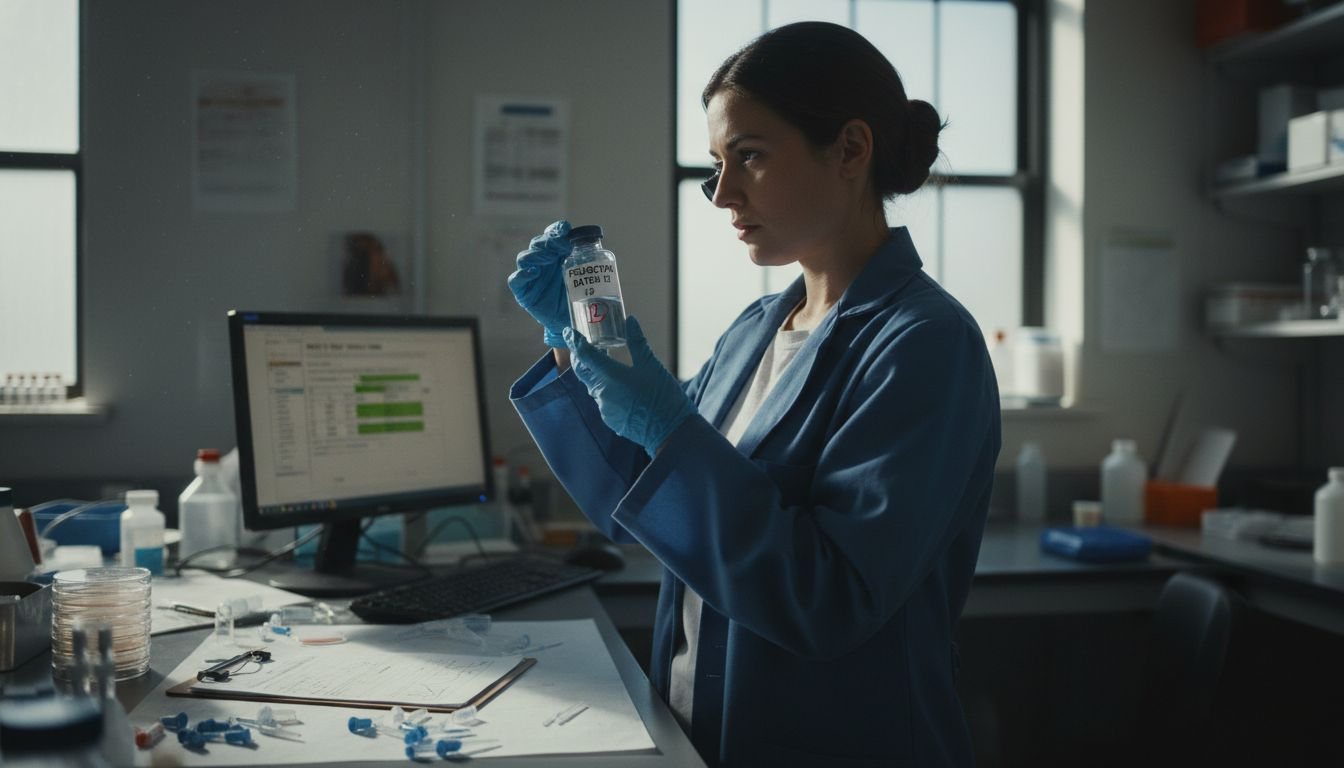
Beyond the technical side, evaluate the source’s commitment to education and honest communication. Do they discuss both benefits and potential risks? Do they provide dosage guidance based on experience level? Do they offer customer support if you have questions or concerns? Responsible suppliers recognize that psilocybin microdosing isn’t risk-free and that different people respond differently. They’ll guide you toward appropriate doses for your situation and won’t push higher quantities or promise unrealistic outcomes. Pay attention to how they handle adverse event reports or customer concerns. Do they take feedback seriously and adjust recommendations? Are they willing to discuss contraindications or situations where microdosing might not be appropriate? In Canada specifically, consider whether the supplier understands the legal context and can explain their products’ regulatory status honestly. If a supplier claims everything is completely legal and risk-free, they’re not being truthful. A credible Canadian source acknowledges the complex regulatory environment and helps you navigate it responsibly.
Consider also whether the source has longevity and community standing. How long have they been operating? Do they have consistent customer reviews or community presence? Are they active in harm reduction or psychedelic education spaces? Newer suppliers aren’t automatically bad, but established ones have a track record you can evaluate. Look for signs that they’re invested in the community beyond making a sale. Do they publish educational content? Do they engage transparently about industry developments? Do they support research? These indicators suggest a supplier that views their role as more than just transactional.
Pro tip: Before placing your first order, request their most recent third-party lab testing results for the specific product you’re interested in, and cross-reference the reported potency against customer reviews to get a realistic sense of consistency and quality.
Below are common signs of a trustworthy psilocybin supplier versus a risky one:
| Indicator | Trustworthy Supplier | Risky Source |
|---|---|---|
| Testing | Third-party results shared | No documentation given |
| Product Info | Detailed, batch-specific | Vague or missing |
| Customer Support | Answers questions clearly | Deflects or avoids |
| Transparency | Open on risks and legality | Only promotes benefits |
Risks of Unregulated Psychedelics
Here’s the uncomfortable truth about unregulated psychedelics: you’re taking a substance you can’t verify, with unknown potency, in conditions you can’t control, without medical backup if things go wrong. That might sound dramatic, but the risks are real and worth understanding clearly. When psychedelics come from unregulated sources, you face multiple layers of danger. The product itself may be contaminated with harmful substances, cutting agents, or biological contaminants like mold or bacteria. The dose could be wildly inconsistent, meaning one microdose capsule from batch A contains 0.1 grams while the next batch has 0.3 grams. You won’t know this until you’ve already taken it. Beyond the physical risks, unregulated products come without medical context or supervision. If you experience anxiety, panic, or a challenging psychological state during or after microdosing, you’re on your own. There’s no healthcare provider monitoring your vitals, no trained therapist to help you process what’s happening, and no medical intervention available if things escalate. Unregulated psychedelic use carries significant risks including exposure to contaminated products and the absence of medical supervision that could prevent or mitigate adverse psychological events.
The psychological risks deserve particular attention. You’re already dealing with neurotransmitter shifts when microdosing psilocybin. Add inconsistent dosing, unknown product composition, or an unsafe environment into the mix, and your risk of experiencing anxiety, panic, or even psychotic symptoms increases significantly. These aren’t just uncomfortable feelings you’ll shake off. Acute psychological distress from unregulated psychedelics can last hours or longer and may have lingering effects. For some people, a single traumatic experience with an unregulated product can create lasting anxiety around the substance itself, undermining future therapeutic potential. The problem gets worse when you consider that financial interests in the unregulated market prioritize rapid sales over safety. When companies compete on price rather than quality, corners get cut. Testing gets skipped. Product transparency disappears. Claims become exaggerated. This creates an environment where conflicts of interest promote market growth over safety considerations, and consumers bear the consequences.
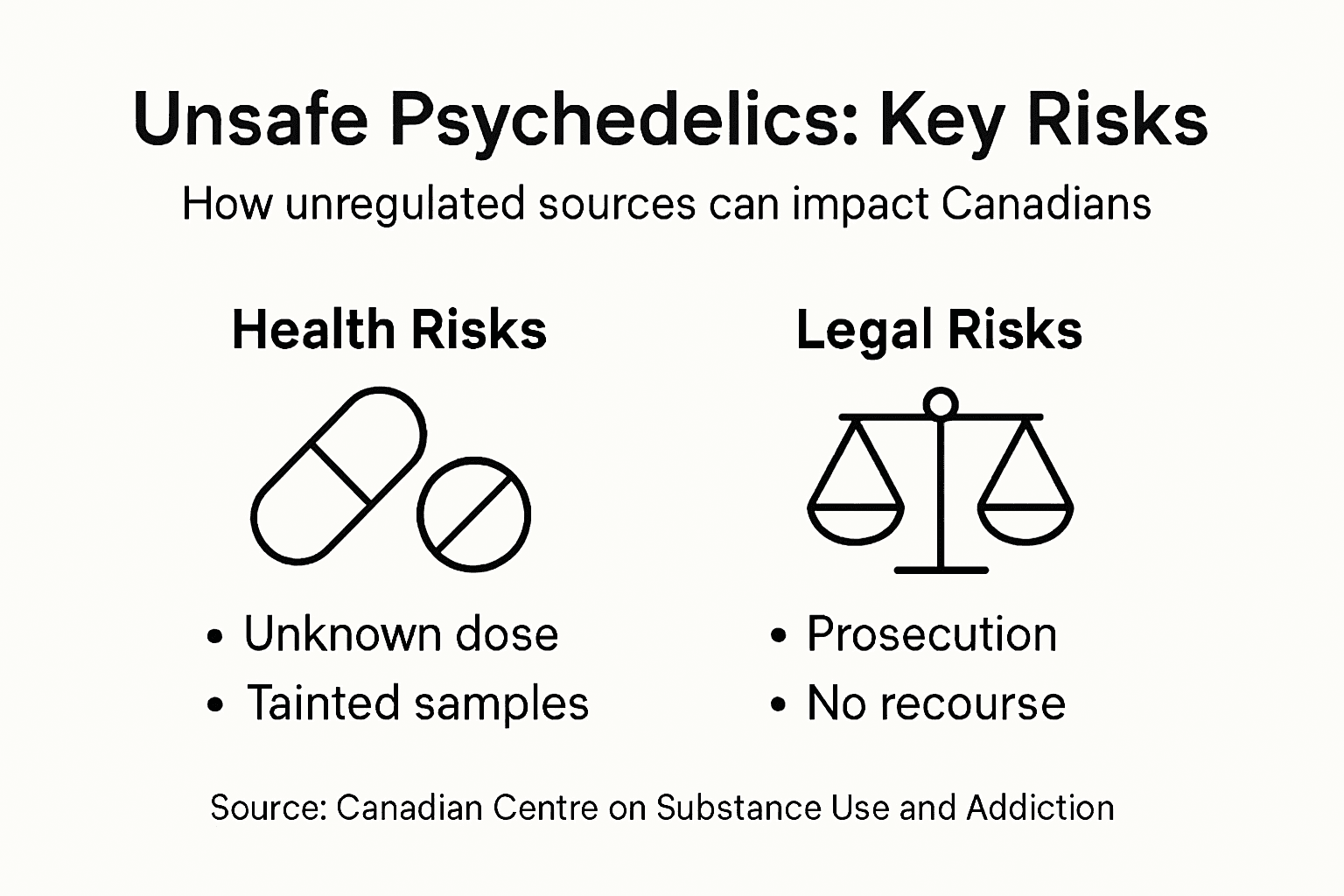
In Canada specifically, buying from unregulated sources puts you at legal risk too. While the situation continues to evolve, sourcing psilocybin outside of legal channels like the Special Access Program or approved clinical trials exposes you to potential legal consequences. This legal uncertainty adds another layer of stress and risk. You can’t report problems to health authorities without incriminating yourself. You can’t access medical care for complications without disclosing what you took or where it came from. You’re isolated and vulnerable. The cumulative effect of these risks means unregulated psychedelics aren’t just a quality issue. They’re a safety and autonomy issue. You lose control over what you’re consuming, how your body responds, where you can seek help, and what consequences you might face. A Canadian interested in responsible microdosing should understand that the additional cost and effort required to source through legitimate channels, or to work with established suppliers who prioritize testing and transparency, is an investment in your actual safety, not just a premium you’re paying.
There’s also the harm to the broader psychedelic community. When unregulated products cause harm, sensational news stories emerge. Public opinion hardens against psychedelics. Regulatory bodies become more restrictive rather than more permissive. The people harmed by contaminated or inconsistent products become cautionary tales that slow down legitimate research and therapeutic access for everyone. Your choices about where to source ripple outward.
Pro tip: If you’re considering microdosing, compare the cost difference between a quality-assured product and an unregulated alternative, then factor in the potential costs of medical intervention, legal issues, or delayed therapeutic progress, which often far exceed any upfront savings from unregulated sources.
Common Pitfalls and Buyer Protections
Navigating the Canadian psychedelic market as a buyer means understanding what can go wrong and what limited protections actually exist. The reality is uncomfortable: buyer protections in Canada remain limited because of psychedelics’ controlled status. You can’t file a chargeback with your credit card company the way you would for counterfeit electronics. You can’t sue a supplier for selling you substandard product without risking legal exposure yourself. You can’t post an honest review on a major platform without potentially drawing law enforcement attention. This asymmetry matters, and it’s why being informed about common pitfalls is your actual protection.
One major pitfall is encountering counterfeit or substandard products that claim to be something they’re not. A supplier might label their product as “Golden Teacher” psilocybin when it’s actually a different strain, or they might list a potency they haven’t actually verified. You can’t walk into a lab and test it yourself. Another pitfall is underestimating how opaque supply chains can be. When you buy from an intermediary rather than a direct cultivator or verified supplier, you’re trusting a chain of people you’ve never met with information you can’t verify. The further removed you are from the source, the greater the risk of contamination, mislabeling, or substitution. Supply chain complexity creates risks of counterfeit products and substandard quality that leave buyers with limited legal recourse. Many Canadian buyers also fall into the trap of assuming that if a website looks professional or claims to follow regulations, they must be legitimate. Professional marketing doesn’t equal legitimacy. Scammers invest in websites. They use testimonials (real or fabricated). They make claims about testing and quality. The visual presentation tells you nothing about whether the product is actually safe or legal.
A critical pitfall specific to Canada is navigating the regulatory complexity without proper guidance. The Special Access Program, Section 56 exemptions, and clinical trials represent legitimate pathways, but they’re bureaucratic and require medical involvement. Because these official routes are challenging, some buyers convince themselves that sourcing from less formal channels is acceptable. It’s understandable, but it’s still a pitfall. You’re trading convenience for safety and legal risk. Another common mistake is purchasing from suppliers based solely on price. Cheaper doesn’t mean safer. It usually means corners have been cut on testing, quality control, or product consistency. When you’re paying 30 percent less than comparable products, ask yourself what’s being sacrificed. The answer is usually safety.
What protections do exist? First, education and due diligence are your primary protections. Knowing what to look for, asking the right questions, and refusing to buy from suppliers who won’t answer them is your strongest defense. Second, there’s the slowly evolving legal framework. Legal frameworks are gradually improving to enforce quality standards and support buyer protections, though this progress remains incomplete. You can protect yourself by documenting everything: your communications with suppliers, product batches and batch numbers, any adverse effects, and your purchase records. If something goes wrong, this documentation matters. Third, some established suppliers offer guarantees or refund policies, which suggests they stand behind their products. These aren’t perfect protections, but they indicate some accountability.
The strongest protection available to you is choosing legitimate access channels when possible. Yes, the Special Access Program is bureaucratic. Yes, clinical trials have strict eligibility criteria. But these routes provide medical oversight, documented products, and actual legal protection. If you do choose to work with private suppliers, invest time in verification. Request test results. Ask about their quality assurance process. Check how long they’ve been operating and what community standing they have. Look for suppliers who are transparent about risks and don’t oversell benefits. Avoid anyone who promises guaranteed outcomes or claims their products are completely risk-free. The buyers who fare best are the ones who accept that perfect safety doesn’t exist in this space, then make informed choices that minimize unnecessary risks.
Pro tip: Before any purchase, identify which legal access route aligns with your situation and explore it first, then use your supplier evaluation skills to assess whether private sources are truly necessary or whether their convenience advantage justifies the additional risks you’d be accepting.
Discover Safe and Trusted Psilocybin Solutions for Canadians
Navigating the complex world of psilocybin access in Canada can be overwhelming, especially when prioritizing safety, legal compliance, and product quality. If you are seeking well-characterized, tested, and responsibly sourced microdose psychedelics, understanding the challenges of dosing consistency and legal restrictions is essential. Fungal Friend answers these concerns by offering a carefully curated selection of microdose mushroom capsules, infused teas, and chocolates designed with transparency and safety in mind.
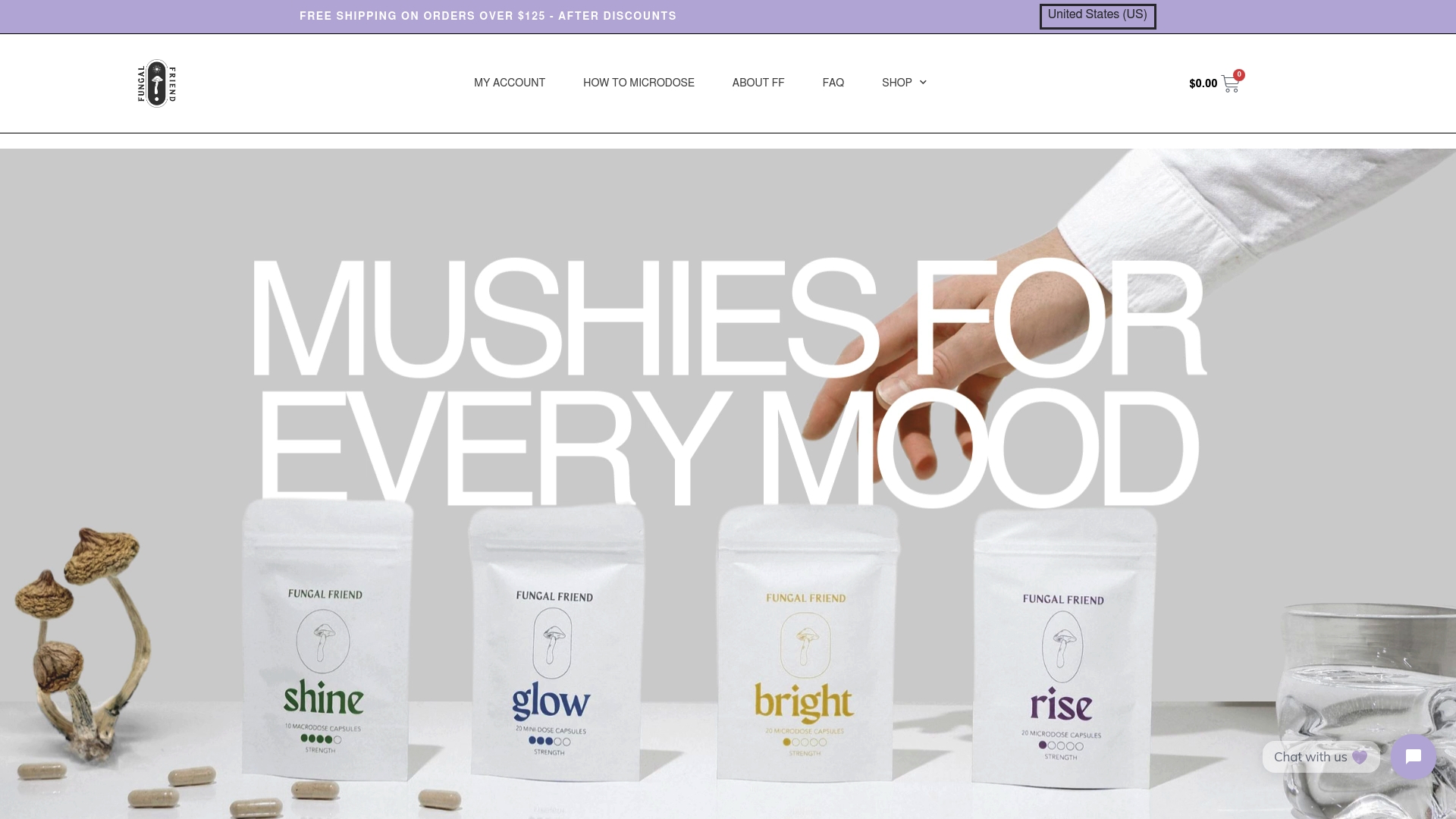
Explore detailed strain information, dosage guidance, and learn about legal considerations directly from a trusted Canadian source. Whether your goal is anxiety reduction, enhanced focus, or deeper psychedelic experiences, Fungal Friend provides educational resources and verified products to support your journey. Start your safe psilocybin experience today by visiting Uncategorized Archives – Fungal Friend and discover the full range at Fungal Friend. Take proactive steps now to prioritize your well-being with reliable, legally compliant options.
Frequently Asked Questions
What should I look for to ensure a psychedelic product is safe?
Look for products that are well-characterized pharmacologically, with clear information on potency, purity, and consistency. A trustworthy supplier will also provide third-party testing results and details about their cultivation and processing methods.
How can I manage the psychological risks associated with psilocybin microdosing?
Recognizing the potential for anxiety, panic, or challenging emotional states is essential. Employ proper set and setting, and consider having access to guidance or support systems in place, such as a healthcare provider or therapist.
What does the Special Access Program entail for accessing psilocybin?
The Special Access Program allows patients to apply for federal approval to use psilocybin on a case-by-case basis, requiring medical documentation and evidence of medical need to be submitted to Health Canada for review.
Why is it important to choose regulated sources for psilocybin?
Regulated sources minimize risks associated with potency variability and contamination, provide medical supervision during use, and ensure that you have legal protections in case of adverse effects, unlike unregulated alternatives.