
Top functional alternatives to alcohol: Legal, natural picks
TL;DR:
- Canadians are exploring legal, wellness-focused alternatives like adaptogen drinks and functional mushrooms.
- Psilocybin microdosing shows promise but remains illegal and carries legal and health risks.
- Building a ritual around safe, evidence-backed products is key to replacing alcohol effectively.
Millions of Canadians are quietly rethinking their relationship with alcohol, not out of obligation, but because they want something better. The problem is that the alternatives market is flooded with options that range from genuinely helpful to overhyped nonsense, and the legal landscape around newer options like psilocybin microdosing adds another layer of confusion. This guide cuts through all of that. We break down the most promising functional alternatives to alcohol available to Canadians right now, covering legal status, real wellness effects, and how each one fits into your daily ritual or social life.
Table of Contents
- What makes a good functional alternative to alcohol?
- Functional drinks: Adaptogens, nootropics, and botanicals
- Microdosing psilocybin: Psychedelic potential and cautions
- Non-psychedelic mushroom options: Legal, functional wellness boosters
- Comparing alternatives: What to choose for your wellness goals
- Why the best functional alternatives combine science, safety, and ritual
- Ready to try a functional alternative? Explore safe, evidence-backed options
- Frequently asked questions
Key Takeaways
| Point | Details |
|---|---|
| Legal options first | Choose adaptogen drinks and functional mushrooms for stress relief and cognitive support without legal worries. |
| Psychedelic microdosing caution | Psilocybin microdosing shows promise but remains illegal—use only in clinical or special-access settings. |
| Match to your ritual | Select the alternative that aligns with your goals, whether mood, focus, or social connection. |
| Science versus anecdote | Expect evidence to be stronger for functional drinks and mushrooms; psilocybin research is still emerging. |
What makes a good functional alternative to alcohol?
Not every “wellness drink” deserves a spot in your fridge. Before spending money on trendy elixirs or supplements, it helps to know what you’re actually evaluating. A genuinely useful alcohol alternative should check several boxes at once.
Here’s what to look for:
- Relaxation or mood support: Does it actually help you unwind, or is it just flavored water?
- No hangover or toxic load: The whole point is waking up feeling good.
- Legal clarity: Some options are fully legal across Canada; others sit in a restricted or gray zone.
- Ritual and social value: Can you sip it at a dinner party without explaining yourself for ten minutes?
- Mental wellness impact: Stress relief, cognitive support, and mood balance matter more than a quick buzz.
- Safety profile: Low risk of abuse, minimal interaction with common medications, and no serious side effects.
Functional non-alcoholic drinks using adaptogens, nootropics, and botanicals have emerged as legal, credible answers to all of the above. They’re not a perfect replica of alcohol’s effects, but that’s actually the point. You’re not chasing a workaround. You’re building a better ritual.
One thing worth noting early: mushroom-based alternatives span a wide spectrum, from fully legal functional mushrooms like lion’s mane and reishi to restricted psilocybin products. Knowing where each option falls legally is non-negotiable before you buy.
Pro Tip: Start by identifying your primary goal, whether that’s stress relief, social ease, or cognitive clarity. Different alternatives work best for different needs, and knowing your priority saves you a lot of trial and error.
Functional drinks: Adaptogens, nootropics, and botanicals
This is the most accessible category, and it’s growing fast. Functional drinks are non-alcoholic beverages formulated with plant-based ingredients designed to shift your mood, calm your nervous system, or sharpen your focus without any intoxication.
The active ingredients vary by product, but the most effective ones tend to use:
- GABA-enhancing botanicals: Sentia, for example, uses plant compounds that mimic alcohol’s calming effect on the nervous system by supporting GABA activity, the brain’s main “slow down” signal.
- Adaptogens like ashwagandha: These herbs help your body regulate cortisol, the stress hormone, making them useful for evening wind-down routines.
- Nootropics like lion’s mane and L-theanine: Lion’s mane supports nerve growth factor production, while L-theanine (found naturally in green tea) promotes calm alertness without sedation.
- Reishi and magnesium: Both support relaxation and sleep quality, making them ideal for replacing a nightcap.
These ingredients deliver real, measurable relaxation and wellness effects when sourced and dosed correctly. The key phrase there is “dosed correctly.” Quality varies wildly between brands.
| Brand | Key ingredients | Best for | Available in Canada |
|---|---|---|---|
| Sentia | GABA-enhancing botanicals | Social relaxation | Yes |
| hiyo | Adaptogens, L-theanine | Calm energy | Yes |
| Bonbuz | Ashwagandha, reishi | Evening unwind | Yes |
| Three Spirit | Damiana, lion’s mane | Mood and focus | Yes |
For the social ritual aspect, these drinks shine. Pour them into a nice glass, add ice and a garnish, and you have something that feels like a cocktail without the next-day fog. You can also explore mushroom tea benefits as a quieter, more intentional alternative for evenings at home.
The downsides are real too. Cost per serving can be high, herb-drug interactions are possible (especially with sedatives or blood pressure medication), and some products are more marketing than medicine. Always check the ingredient list against any medications you take.
Pro Tip: Look for brands that publish third-party testing results. If a company won’t share its lab data, that tells you something important about how much they trust their own product.
For a broader look at how these ingredients combine in wellness-focused formats, examples of mushroom blends offer a useful reference point for what a well-formulated product actually looks like.
Microdosing psilocybin: Psychedelic potential and cautions
This is the option most people are curious about but least informed on. Psilocybin microdosing means taking a sub-perceptual dose, typically 0.1 to 0.5 grams of dried mushrooms, on a structured schedule. The most common is the Fadiman protocol: one day on, two days off, repeated over four to eight weeks.
The reported benefits are genuinely compelling. People describe feeling more present in conversations, more emotionally open, and less reliant on alcohol for social ease. Unlike alcohol, there’s no sedation, no impaired coordination, and no hangover.
Here’s a quick breakdown of what the evidence actually shows:
- Survey data is positive: Self-reported studies consistently show microdosers experience improved mood, reduced anxiety, and better focus.
- Clinical trials are mixed: Larger controlled studies show benefits for some participants, but results aren’t always significantly better than placebo.
- Placebo effects are strong: The expectation of benefit plays a measurable role in outcomes, which doesn’t make the effects fake, but does complicate interpretation.
- Individual variation is high: What works powerfully for one person may do very little for another.
“Microdosers report improved mood and focus, but large clinical trials show mixed results for depression and addiction treatment.”
The legal reality in Canada is clear and non-negotiable. Psilocybin remains a Schedule III substance and is illegal for general use outside of clinical trials, the Special Access Program, or individual Section 56 exemptions. This means purchasing or possessing it without authorization carries legal risk.
If you want to understand the science and safety framework before exploring further, psilocybin dosage guidelines and a full overview of psilocybin microdosing effects are worth reading first.
Pro Tip: If you have a history of psychosis, bipolar disorder, or heart conditions, psilocybin in any dose requires a conversation with your doctor before anything else. This isn’t a disclaimer, it’s genuinely important.
Also, psilocybin microdosing under the Fadiman protocol is still being studied, and the most responsible approach is treating it as a frontier, not a proven therapy.
Non-psychedelic mushroom options: Legal, functional wellness boosters
If you want the benefits of mushroom-based wellness without any legal complexity, functional mushrooms are your answer. These are entirely legal across Canada, widely available, and backed by a growing body of research.
The three most relevant species for alcohol alternative seekers are:
- Lion’s mane: Supports the production of nerve growth factor, which promotes neuroplasticity and cognitive function. Practical effect: sharper focus, better recall, and a subtle mood lift over time.
- Reishi: Known as the “mushroom of calm,” reishi supports the immune system and has adaptogenic properties that reduce the physiological stress response. Great for evening use.
- Chaga: Rich in antioxidants, chaga supports overall cellular health and has mild anti-inflammatory effects. Less directly mood-altering, but valuable for long-term wellness.
Lion’s mane, reishi, and other functional mushrooms act as legal nootropics, meaning they support brain function and mood without any psychoactive effect. They won’t get you high, and they won’t make you feel drunk. What they will do, over consistent use, is support the kind of baseline mental wellness that makes you less likely to reach for alcohol in the first place.

| Mushroom | Primary benefit | Best format | Legal in Canada |
|---|---|---|---|
| Lion’s mane | Cognitive support, focus | Capsule, tea | Yes |
| Reishi | Calm, immune support | Tea, tincture | Yes |
| Chaga | Antioxidant, inflammation | Tea, powder | Yes |
For more on how these species support emotional balance, mood support with mushrooms is a solid starting point. And if you’re considering a daily supplement format, mushroom capsules for wellness explains what to look for in a quality product.
The one honest limitation: these mushrooms are not intoxicating. If you’re looking for something that mimics the immediate relaxation of a drink, you’ll need to pair them with an adaptogen drink or use them as part of a longer-term wellness strategy rather than a one-night fix.
For expert perspectives on functional mushroom research, independent academic sources offer balanced, peer-reviewed context.
Comparing alternatives: What to choose for your wellness goals
Here’s the honest summary of where each option lands:
| Alternative | Legal in Canada | Social/ritual value | Wellness effect | Risk level |
|---|---|---|---|---|
| Adaptogen drinks | Yes | High | Moderate | Low |
| Functional mushrooms | Yes | Moderate | Moderate, long-term | Very low |
| Psilocybin microdosing | Restricted | Low (private use) | Potentially high | Moderate |
For most Canadians, experts advise prioritizing legal adaptogen drinks and functional mushrooms as the most reliable starting point. Psilocybin microdosing is promising but restricted, and functional mushrooms legally bridge the gap for those who want something more than a flavored soda.
Here’s a quick scenario guide:
- Stress and anxiety relief: Start with reishi tea or an ashwagandha-based drink in the evening.
- Social events: Adaptogen drinks like Sentia or hiyo are designed exactly for this.
- Daily cognitive support: Lion’s mane capsules taken consistently over weeks show the best results.
- Deeper mood exploration: If you’re curious about psilocybin, read the full psilocybin microdosing guide and understand the legal context before taking any steps.
The right choice depends entirely on what you’re trying to solve. Be honest with yourself about whether you want a social prop, a daily supplement, or a genuine therapeutic tool.
Why the best functional alternatives combine science, safety, and ritual
Here’s something the wellness industry rarely admits: the ritual matters as much as the ingredient. People don’t just drink alcohol for the ethanol. They drink it because of what it signals, the end of the workday, connection with friends, permission to relax. Any functional alternative that ignores this social and psychological layer is solving the wrong problem.
Legal adaptogen drinks and functional mushrooms work partly because they give you a ritual to replace the old one. That’s not a placebo. That’s design.
Psilocybin microdosing is a different conversation. The anecdotal reports are positive, but robust science and Canadian law still haven’t caught up. Rushing into it without understanding the legal risk or your own mental health history is the kind of shortcut that tends to backfire. Real mushroom wellness blends offer a middle path that’s both legal and genuinely effective for most people’s goals.
Our honest take: start with what’s legal, proven, and sustainable. Build the ritual first. Then, as the regulatory landscape evolves, you’ll be in a much better position to evaluate newer options from a place of knowledge rather than curiosity alone.
Ready to try a functional alternative? Explore safe, evidence-backed options
If this guide has helped clarify your options, the next step is finding products you can actually trust. At Fungal Friend, we’ve built our catalog around education first, because an informed customer makes better choices and gets better results.
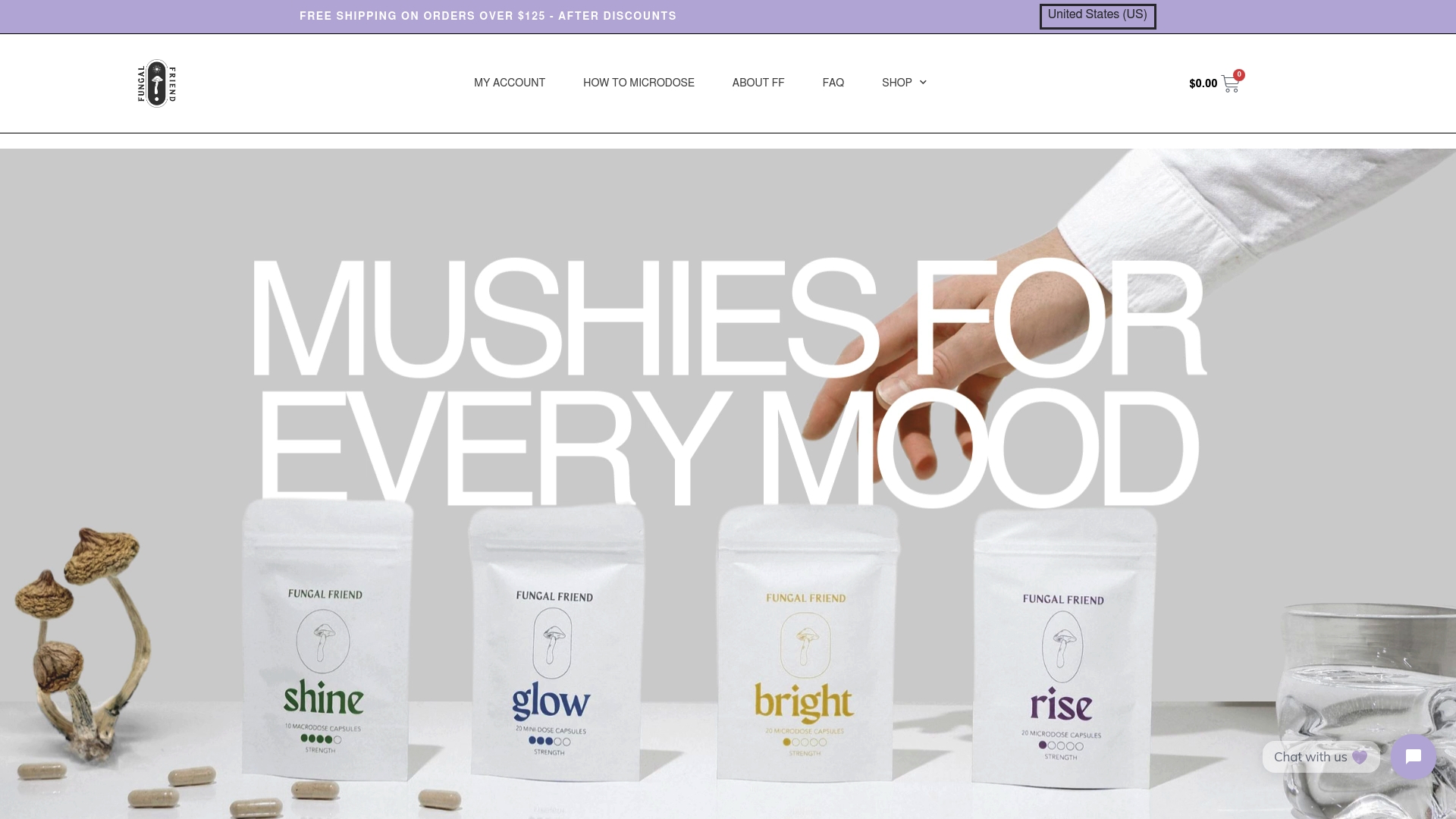
Whether you’re starting with a psilocybin microdosing deep-read to understand the landscape, looking for the best mushroom capsules for daily cognitive support, or exploring mushroom teas for wellness as an evening ritual, we have guides and vetted products to match your goals. Every product in our catalog is selected with safety, quality, and your wellness outcomes in mind.
Frequently asked questions
Are functional mushroom drinks and capsules legal in Canada?
Yes, non-psychedelic functional mushrooms like lion’s mane, reishi, and chaga are fully legal across Canada and widely available in teas, capsules, and blended supplements.
Is psilocybin microdosing legal in Canada for wellness?
No, psilocybin is a Schedule III substance in Canada and is only accessible through clinical trials, the Special Access Program, or individual Section 56 exemptions granted by Health Canada.
What are possible risks or side effects of functional alcohol alternatives?
Adaptogen drinks can interact with medications like sedatives or blood pressure drugs, and functional drink risks include quality variability and potential allergic reactions; always check with your doctor before starting.
Does microdosing psilocybin help with anxiety or depression?
Many users report meaningful improvements, but clinical trial results are mixed, with some studies showing benefits not significantly greater than placebo, making individual response hard to predict.
Which functional alternative best mimics the social ritual of alcohol?
Adaptogen and botanical drinks are specifically designed to recreate the social and sensory ritual of drinking, making them the most natural replacement for alcohol at gatherings or happy hour.