
Psilocybin dosage guidelines 2026: safe microdosing
More Canadians than ever are exploring psilocybin microdosing for mental wellness, yet confusion about proper dosage remains widespread. While clinical trials now examine microdosing protocols in Kingston and beyond, many adults still wonder what constitutes a safe, effective dose. Understanding evidence-based dosage guidelines is essential to balance therapeutic potential with safety. This guide delivers practical, research-backed recommendations specifically for Canadian adults seeking mental health benefits through microdosing.
Table of Contents
- What Is Psilocybin Microdosing And Why Dosage Matters
- Scientific Evidence On Psilocybin Microdosing Dosage And Effects
- Factors Affecting Individual Dosing And Outcomes
- Practical Dosage Guidelines And Safe Microdosing Protocols For Canadians
- Explore Our Trusted Psilocybin Microdosing Resources
- Frequently Asked Questions
Key takeaways
| Point | Details |
|---|---|
| Typical microdose range | 0.1-0.3 grams dried mushroom (roughly 2-3 mg pure psilocybin) avoids hallucinogenic effects |
| Mental health potential | Emerging evidence suggests benefits for anxiety, mood, and focus, though trials are ongoing |
| Individual variation | Mindset, environment, body weight, and tolerance significantly influence outcomes |
| Dosing schedule | Most protocols recommend 3-4 days per week with rest periods to prevent tolerance |
| Side effects | Mild, transient increases in anxiety or blood pressure are most common |
What is psilocybin microdosing and why dosage matters
Microdosing involves taking very small doses of psilocybin to avoid the hallucinatory effects associated with larger doses. Unlike recreational or therapeutic macrodoses (typically 1-5 grams dried mushroom), a microdose sits in the sub-perceptual range, meaning users remain fully functional without visual distortions or altered consciousness. The goal is to harness therapeutic potential while maintaining functionality in daily life.
Typical microdose amounts fall between 0.1 and 0.3 grams of dried psilocybin mushrooms. This translates to approximately 1-3 milligrams of pure psilocybin compound. At this level, most people experience no perceptual changes but may notice subtle shifts in mood, energy, or focus over time. The difference between a microdose and a macrodose is crucial: crossing the threshold can produce unwanted psychedelic effects during work or social situations.
People microdose for various reasons:
- Managing anxiety and depressive symptoms
- Enhancing focus and productivity
- Boosting creativity and problem-solving
- Improving emotional regulation and mood balance
- Supporting overall mental wellness
Pro Tip: Accurate dosing improves both safety and effectiveness. Invest in a precise digital scale (0.001g accuracy) and choose standardized products like capsules to ensure consistent doses. Eyeballing powder or dried mushroom pieces leads to unpredictable results.
Understanding what is microdosing psilocybin helps you approach the practice with realistic expectations and proper preparation.
Scientific evidence on psilocybin microdosing dosage and effects
Clinical research on psilocybin microdosing has accelerated dramatically since 2020. The Kingston, Ontario clinical trial studies 2-3 mg daily doses for anxiety, representing one of Canada’s first controlled examinations of microdosing protocols. Early findings suggest promise, though researchers emphasize the need for larger sample sizes and longer follow-up periods.
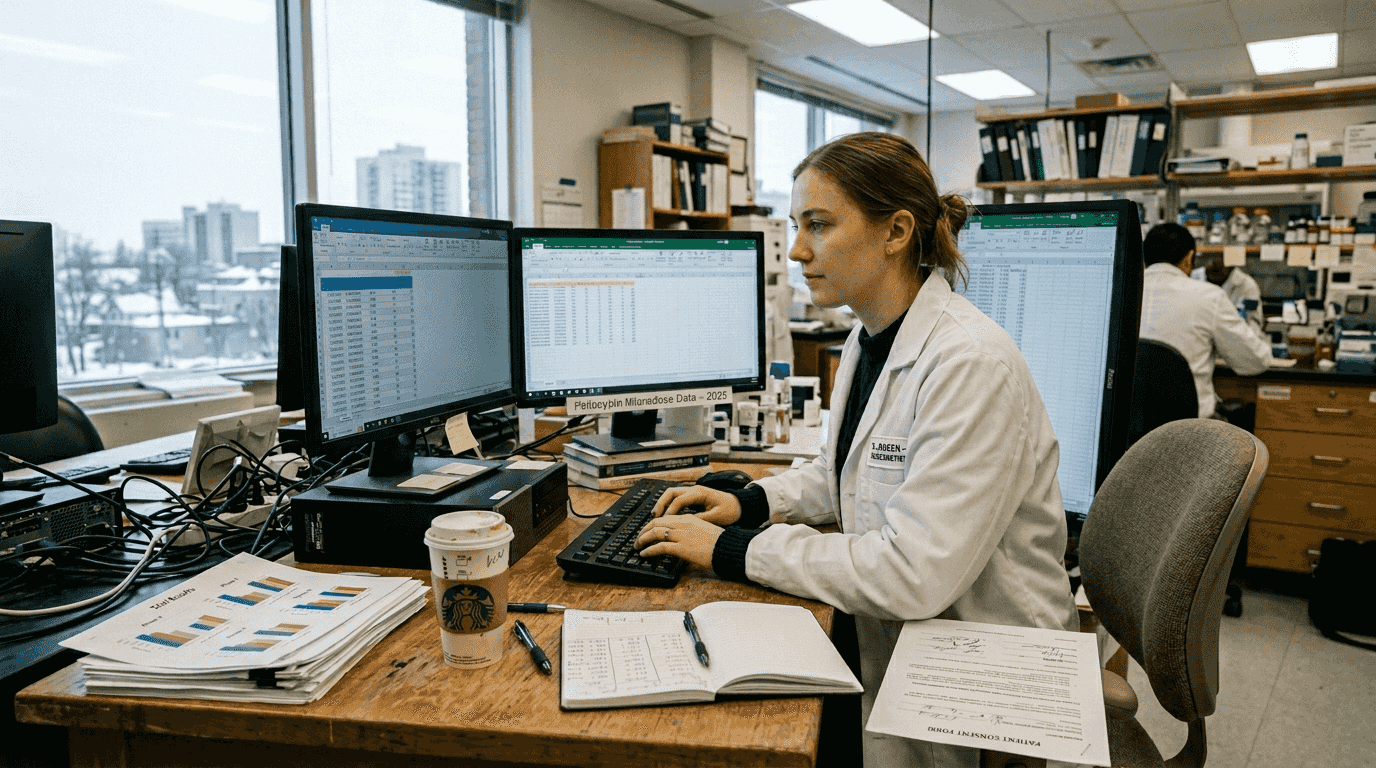
A comprehensive review confirms that microdosing psilocybin shows promise in treating mood disorders, with participants reporting improvements in anxiety, depression, and overall well-being. However, the same research highlights significant variability between individuals. Some people experience notable benefits at 0.15 grams, while others require 0.25 grams or report minimal effects altogether. This inconsistency underscores why personalized dosing matters.
Observed benefits from controlled trials include:
- Reduced anxiety symptoms in 40-60% of participants
- Improved mood and emotional resilience
- Enhanced cognitive flexibility and focus
- Better stress management and coping skills
Common side effects remain mild and transient. Studies document mild increases in blood pressure and anxiety that mostly resolve after use. Other reported effects include temporary headaches, digestive discomfort, and occasional sleep disruption. Serious adverse events are rare in controlled settings with proper screening.
The contrast between anecdotal reports and clinical data is instructive. Online communities often describe dramatic mental health transformations, while controlled trials show more modest, gradual improvements. This gap likely reflects placebo effects, expectation bias, and the influence of set and setting on subjective experience.
| Dosage Range | Typical Effects | Common Side Effects |
|---|---|---|
| 0.05-0.1g | Minimal perceptual changes, subtle mood lift | Very rare, occasional mild nausea |
| 0.1-0.2g | Enhanced focus, improved mood, reduced anxiety | Mild anxiety (10-15%), slight headache |
| 0.2-0.3g | Noticeable mental clarity, emotional shifts | Increased heart rate (20%), mild restlessness |
| 0.3-0.5g | Threshold effects, light visual sensitivity | Higher anxiety risk (30%), digestive discomfort |
For Canadians interested in evidence-based approaches, exploring microdosing mental wellness canada provides additional context on how these findings apply locally.
Factors affecting individual dosing and outcomes
Psilocybin microdosing effects vary dramatically between individuals, making standardized dosing guidelines only a starting point. Several key factors determine your optimal dose and likely outcomes.
Body weight plays a moderate role, though less dramatically than with many pharmaceuticals. A 120-pound person may experience stronger effects at 0.2 grams compared to a 200-pound individual taking the same amount. However, neurochemistry and receptor sensitivity often matter more than size alone.
Individual mindset and environment significantly influence outcomes. Taking a microdose while stressed, sleep-deprived, or in a chaotic setting can amplify anxiety rather than reduce it. Conversely, approaching the practice with intention, adequate rest, and a calm environment tends to enhance positive effects. This set-and-setting principle applies even at sub-perceptual doses.
Tolerance build-up represents a critical consideration. Unlike many substances, psilocybin tolerance develops rapidly, often within days of consecutive use. Psilocybin tolerance can be managed by spacing dosing every three days to sustain efficacy. Most experienced microdosers follow protocols like the Fadiman method (one day on, two days off) or the Stamets stack (four days on, three days off) to prevent diminishing returns.
Other influential factors include:
- Prior psychedelic experience and familiarity with altered states
- Current medications, especially SSRIs and MAOIs
- Mental health baseline and specific symptoms being addressed
- Time of day and relationship to meals
- Quality and potency of the psilocybin product
Pro Tip: Keep a detailed personal dosing journal tracking date, dose, time, food intake, mood before/after, and any notable effects. After 2-4 weeks, patterns emerge that help you identify your sweet spot and optimize timing. This data becomes invaluable for adjusting your protocol safely.
Understanding factors influencing psilocybin effects helps you anticipate how your unique physiology and circumstances will shape your microdosing experience.
Practical dosage guidelines and safe microdosing protocols for Canadians
Starting a microdosing practice requires attention to measurement, scheduling, and safety precautions. Follow these evidence-based recommendations to maximize benefits while minimizing risks.
Measuring microdoses accurately is non-negotiable. Microdosing involves consuming 0.1 to 0.3 grams of dried psilocybin mushrooms. Purchase a digital scale accurate to 0.001 grams (milligram scale). Weigh dried mushroom material or measure pre-dosed capsules. Grinding dried mushrooms into powder before weighing ensures consistent potency across doses, as psilocybin content varies within individual mushrooms.
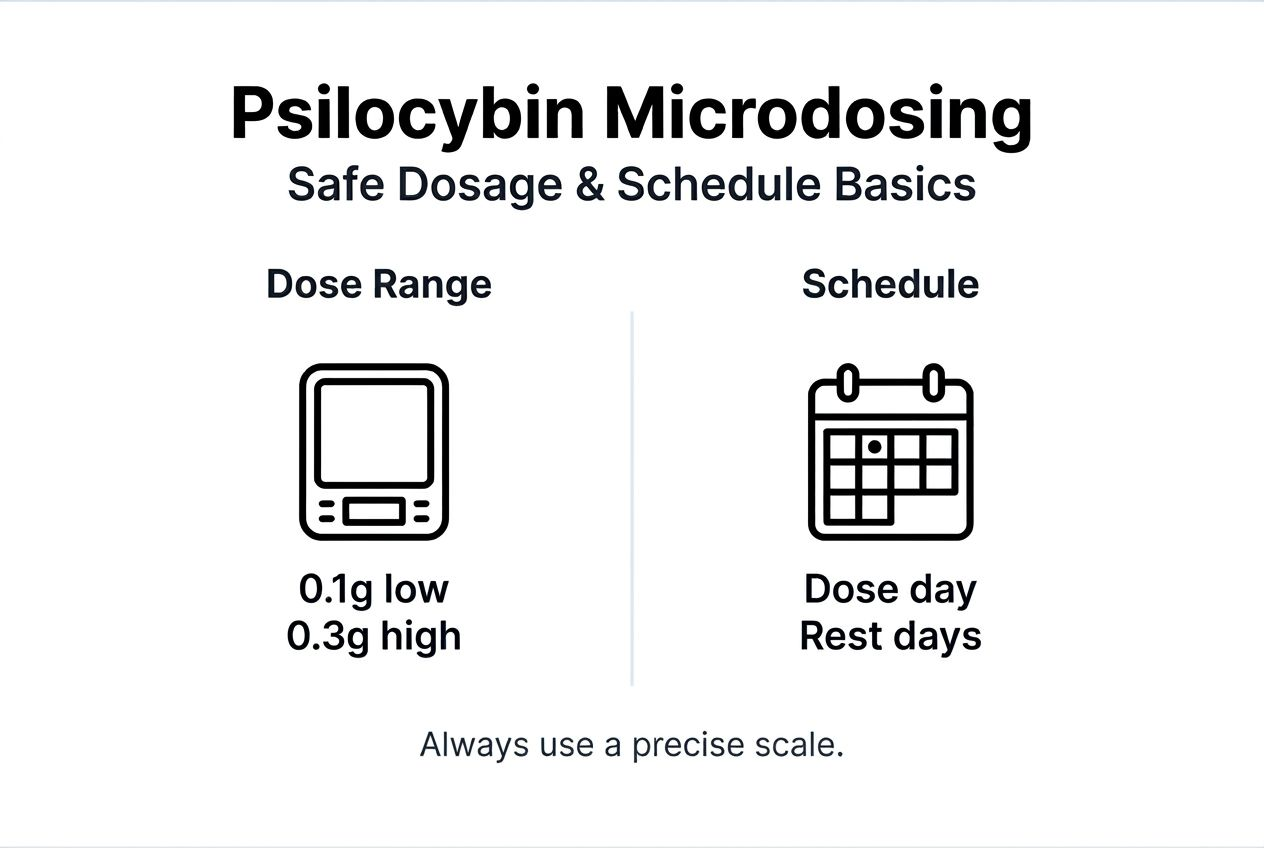
A proven microdosing schedule follows this pattern: dose on Day 1, rest on Days 2-3, dose on Day 4, rest on Days 5-6, and repeat. This four-days-on, three-days-off approach prevents tolerance while providing regular benefits. Some people prefer dosing only twice weekly or following a strict every-third-day protocol. Experiment to find what works for your lifestyle and goals.
| Dose Amount | Psilocybin Content | Typical Experience | Best For |
|---|---|---|---|
| 0.05-0.1g | 0.5-1mg | Barely perceptible, subtle mood lift | First-time microdosers, high sensitivity |
| 0.1-0.2g | 1-2mg | Mild mental clarity, focus enhancement | General wellness, productivity |
| 0.2-0.3g | 2-3mg | Noticeable mood improvement, creativity | Anxiety management, deeper benefits |
| 0.3-0.5g | 3-5mg | Threshold effects, light visuals possible | Experienced users only, mini-dose territory |
Safe microdosing steps:
- Consult a healthcare professional if you have cardiovascular conditions, mental health diagnoses, or take prescription medications.
- Source psilocybin from reputable suppliers offering tested, standardized products to ensure consistent potency.
- Start with the lowest effective dose (0.1g) and assess effects over one week before adjusting upward.
- Prepare your mindset by setting clear intentions for what you hope to gain from the practice.
- Choose dosing days when you can observe effects safely (avoid high-stakes work presentations or driving long distances initially).
- Track your experience in a journal, noting physical sensations, mood changes, and functional impacts.
- Reassess every 4-6 weeks to determine whether benefits justify continuation or if adjustments are needed.
Legal considerations in Canada remain complex. Psilocybin is a controlled substance under the Controlled Drugs and Substances Act, making possession technically illegal. However, some individuals have received exemptions for therapeutic use, and clinical trials operate under Health Canada authorization. Personal microdosing exists in a legal gray area, so proceed with awareness of current regulations and potential risks.
Seek medical advice or reconsider microdosing if you experience persistent anxiety, cardiovascular symptoms, or worsening mental health. Pregnant or breastfeeding individuals should avoid psilocybin entirely. Anyone with a personal or family history of psychosis should not microdose without professional supervision.
For comprehensive guidance, review this beginner microdosing guide safe psilocybin use and explore step by step microdosing anxiety focus protocols.
Explore our trusted psilocybin microdosing resources
Navigating the world of psilocybin microdosing becomes easier with expert guidance and quality products. Fungal Friend offers comprehensive educational resources designed specifically for Canadian adults seeking safe, evidence-based approaches to mental wellness through microdosing.
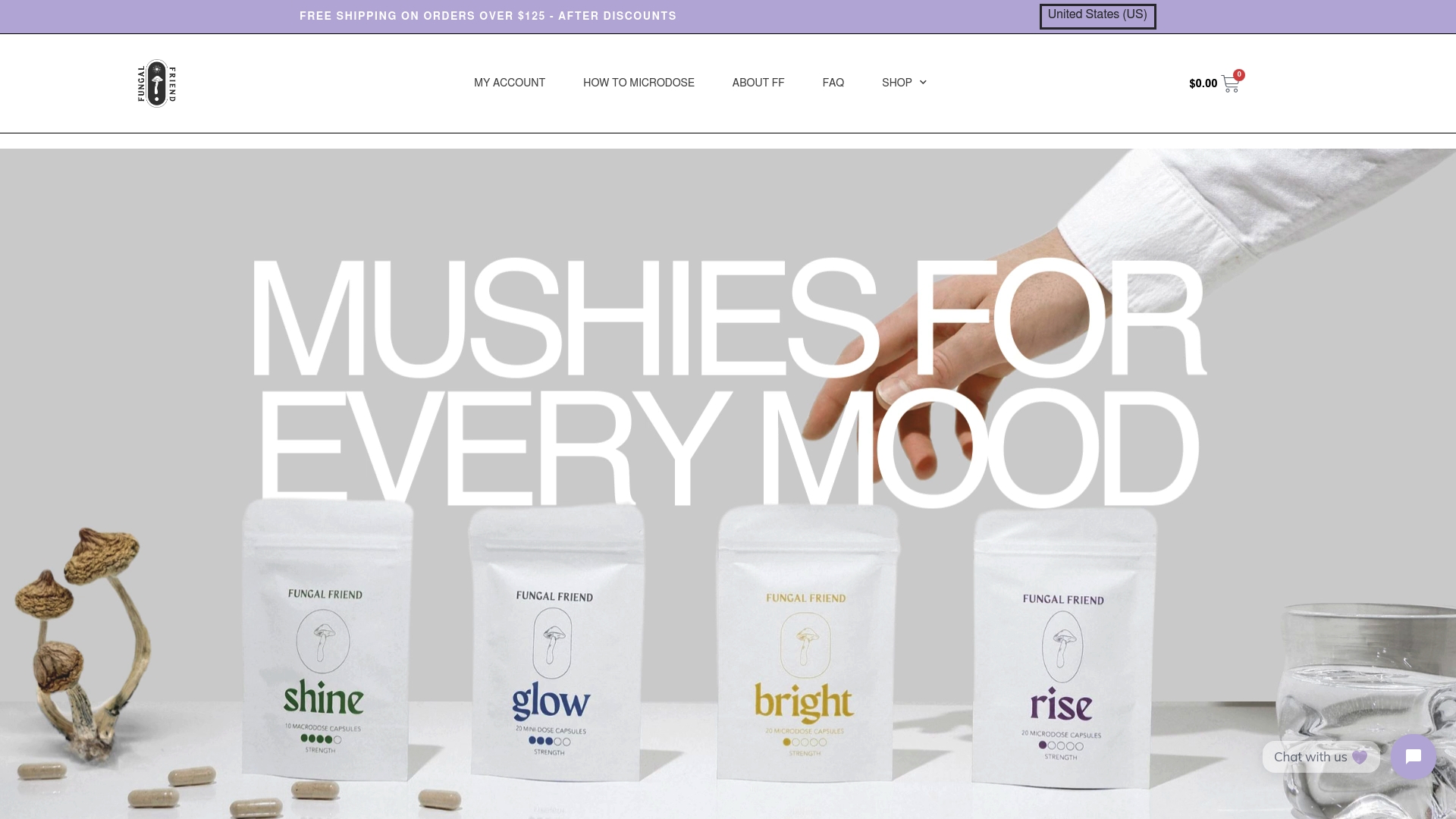
Our platform combines beginner-friendly guides with carefully curated product selections, including precisely dosed capsules, infused teas, and standardized mushroom varieties. Each resource emphasizes safety, proper dosing protocols, and realistic expectations aligned with current research. Whether you’re just starting or refining your practice, Fungal Friend supports your journey with transparent information, discreet delivery, and products crafted for consistent, reliable experiences. Explore our beginner microdosing guide safe psilocybin use, learn about the safe microdosing method psilocybin, and understand the effects microdose psilocybin guide to make informed decisions about your mental wellness.
Frequently asked questions
What is the typical microdose amount of psilocybin?
Typical microdoses range between 0.1 and 0.3 grams of dried psilocybin mushrooms, corresponding to roughly 2-3 milligrams of pure psilocybin compound. This amount remains sub-perceptual, meaning you won’t experience hallucinations or significant alterations in consciousness. Starting at the lower end (0.1g) allows you to assess sensitivity before gradually increasing if needed.
How often should psilocybin microdosing be done to maintain benefits?
Most protocols recommend dosing 3-4 days per week with rest periods in between to prevent tolerance build-up. The popular Fadiman protocol follows a one-day-on, two-days-off schedule, while the Stamets stack uses four days on and three days off. Individual preferences and responses vary, so track your experience to find the rhythm that delivers consistent benefits without diminishing returns.
Are there any risks associated with psilocybin microdosing?
Mild, transient side effects include temporary increases in anxiety, elevated blood pressure, headaches, and digestive discomfort. These typically resolve quickly and occur in a minority of users. Serious risks are rare but can include worsening mental health symptoms in vulnerable individuals. Always consult healthcare professionals before starting, especially if you have pre-existing cardiovascular or psychiatric conditions.
Is psilocybin microdosing legal in Canada?
Psilocybin remains a controlled substance in Canada, making personal possession and use technically illegal. However, Health Canada has authorized certain clinical trials and granted exemptions for therapeutic use in specific cases. Personal microdosing operates in a legal gray area, so proceed with awareness of current regulations and potential legal consequences while advocacy for policy reform continues.
How long does it take to notice benefits from microdosing?
Some people report subtle mood improvements within the first week, while others require 3-4 weeks of consistent practice to observe meaningful changes. Benefits tend to be gradual and cumulative rather than dramatic and immediate. Patience and consistent tracking help you identify whether the practice is genuinely beneficial or if effects are primarily placebo-driven.