
Mood balance microdosing guide: safe psilocybin use 2026
Many people mistakenly believe microdosing psilocybin mushrooms causes obvious psychedelic effects, but the reality is far different. Microdosing uses sub-perceptual doses to gently support mood balance without hallucinations or intoxication. This guide will walk you through safe dosing, strain selection, scheduling protocols, and legal considerations to help you harness psilocybin’s mood-enhancing potential safely in Canada.
Table of Contents
- Understanding Microdosing And Mood Balance
- How Microdosing Psilocybin Supports Mood Balance: Biological Mechanisms
- Safe Dosage Guidelines For First-Time And Experienced Users
- Choosing The Right Psilocybin Strain For Mood Improvement
- Common Misconceptions About Microdosing
- Microdosing Protocols: Scheduling For Mood Balance
- Expected Effects Of Microdosing On Mood And Anxiety
- How To Choose And Use Psilocybin Products For Mood Balance
- Explore Safe Microdosing Products And Guides At Fungal Friend
Key takeaways
| Point | Details |
|---|---|
| Microdosing uses very low doses | Sub-perceptual doses of 0.1-0.15 grams support gradual mood improvement without psychedelic effects. |
| Spacing prevents tolerance | Dosing every 3-4 days maintains effectiveness and prevents receptor desensitization. |
| Strains matter for mood | Different psilocybin strains offer varied alkaloid profiles affecting mood outcomes. |
| Myths create unrealistic expectations | Daily dosing doesn’t boost benefits and microdosing isn’t a therapy replacement. |
| Canadian legal status is complex | Medical exemptions exist but psilocybin remains controlled federally. |
Understanding microdosing and mood balance
Microdosing involves taking approximately 10-20% of a typical psychedelic dose to avoid hallucinations entirely. Unlike recreational use, which aims for altered perception and intense experiences, microdosing produces subtle mood and cognitive benefits without intoxication. You won’t feel high, but you may notice gradual shifts in emotional stability over weeks of consistent practice.
Reported benefits include:
- Improved mood stability and emotional resilience
- Reduced anxiety and emotional reactivity
- Enhanced focus and cognitive clarity
- Better stress management capabilities
- Increased creativity and problem-solving ability
The sub-perceptual nature means most users don’t detect immediate changes during dosing days. Instead, mood improvements accumulate gradually as neuroplasticity mechanisms strengthen over time. This approach aligns perfectly with growing interest in natural mental wellness methods that work with your brain chemistry rather than forcing sudden changes.
Microdosing appeals to both first-timers exploring gentler alternatives to pharmaceuticals and experienced psychonauts seeking sustainable mood support without the intensity of full doses. The key is understanding that patience and consistency matter more than immediate results.
How microdosing psilocybin supports mood balance: biological mechanisms
Psilocybin primarily targets serotonin 2A receptors distributed throughout brain regions controlling mood regulation and emotional processing. When you microdose, these receptors receive gentle stimulation that modulates neural activity without overwhelming circuits. This subtle activation helps recalibrate mood pathways that may have become dysregulated through stress or other factors.
The neuroplasticity boost is perhaps the most exciting mechanism. Psilocybin encourages dendritic spine growth, essentially creating new connections between neurons. Your brain becomes more adaptable, better able to form healthier thought patterns and emotional responses. Think of it as creating new neural highways that bypass old, worn paths associated with negative mood states.
Key biological benefits include:
- Serotonin receptor modulation improving mood baseline
- Enhanced neuroplasticity supporting brain adaptability
- Regulation of emotional response circuits reducing anxiety
- Improved neural circuit flexibility for stress resilience
- Sustained neurochemical balance through spaced dosing
Proper dosing prevents receptor desensitization that would reduce effectiveness over time. When you space doses correctly, receptors remain sensitive and responsive, maintaining the mood-balancing benefits without diminishing returns.
Pro Tip: Spaced dosing schedules help avoid tolerance and sustain neurochemical benefits. Your brain needs recovery time between doses to consolidate neuroplastic changes and prevent receptor fatigue.
The biological elegance of microdosing lies in working with your existing neurochemistry rather than forcing dramatic changes. You’re supporting natural mood regulation systems, not replacing them.
Safe dosage guidelines for first-time and experienced users
Starting with the right dose makes all the difference between beneficial mood support and unwanted effects. First-timers should begin with 0.1 to 0.15 grams of dried psilocybin mushrooms. This conservative range ensures you stay well below perceptual thresholds while allowing your body to acclimate to psilocybin’s subtle effects.

Experienced users familiar with their sensitivity may cautiously adjust upward to 0.3 grams based on tolerance and desired intensity. However, exceeding this range risks crossing into perceptual territory, which defeats the purpose of sub-perceptual microdosing. Always increase gradually, adding only 0.05 grams at a time if needed.
Critical dosing principles:
- Never dose daily; frequent microdosing leads to tolerance reducing therapeutic benefit
- Space doses every 3rd or 4th day minimum
- Track mood, anxiety levels, and cognitive changes closely
- Adjust slowly based on consistent observations, not single experiences
- Maintain the same dose for at least two weeks before changing
Keeping a detailed dosing journal transforms your microdosing practice from guesswork into data-driven self-optimization. Record your dose amount, timing, mood state before and after, any anxiety fluctuations, sleep quality, and cognitive performance. Patterns emerge over weeks that help you dial in your ideal protocol.
Pro Tip: Keep a detailed dosing journal including mood, anxiety, and cognitive changes. Digital apps work great, but simple pen and paper captures nuances you might miss with structured forms.
Consult beginner safety resources and review comprehensive safety checklists before starting to ensure you understand all risk factors and preparation steps.
Choosing the right psilocybin strain for mood improvement
Not all psilocybin mushrooms are created equal when it comes to mood effects. Chemical profiles vary between strains, affecting both potency and the quality of your experience. Understanding these differences helps you select strains aligned with your specific mood goals.
Psilocybe cubensis represents the most widely available option with moderate potency and balanced mood plus cognitive effects. It’s the go-to choice for most microdosers due to consistent alkaloid content and predictable response profiles. If you’re uncertain where to start, cubensis varieties offer reliable results.
Psilocybe tampanensis brings unique alkaloids to the table, supporting subtle emotional regulation with slower onset times, especially in capsule form. Users report gentler mood elevation without the slight stimulation some experience with cubensis. This makes tampanensis ideal if you’re sensitive to energizing effects or prefer calming mood support.
| Strain | Potency Level | Mood Effect Profile | Best For |
|---|---|---|---|
| Psilocybe cubensis | Moderate | Balanced mood lift with cognitive clarity | General mood balance, beginners |
| Psilocybe tampanensis | Moderate-Low | Gentle emotional regulation, calming | Anxiety reduction, sensitive users |
| Golden Teacher (cubensis variety) | Moderate | Uplifting, focus-enhancing | Daytime productivity, creative work |
| Penis Envy (cubensis variety) | High | Intense mood elevation (use lower doses) | Experienced users seeking stronger effects |
Chemical composition matters significantly. Psilocybin and psilocin concentrations determine primary potency, while baeocystin and other alkaloids influence the subjective character of effects. Higher baeocystin ratios often correlate with more introspective, emotionally nuanced experiences.
Administration format affects absorption timing and effect profiles. Understanding capsules versus raw mushrooms helps you choose formats matching your lifestyle and desired onset speed.
Matching strain to your mood goal improves outcomes substantially. Need energizing morning focus? Choose more stimulating cubensis varieties. Seeking evening anxiety relief? Opt for calming tampanensis or gentler cubensis strains.
Common misconceptions about microdosing
Misunderstandings about microdosing create unrealistic expectations and potentially unsafe practices. Let’s clear up the most prevalent myths that could derail your mood-balancing journey.
Myth one: Microdosing causes immediate, obvious psychedelic effects. This is completely false. Doses are intentionally kept below recreational levels to avoid hallucinations, visual distortions, or altered perception. You should feel essentially normal during dosing days, with mood improvements accumulating gradually over weeks.
Myth two: More frequent dosing increases benefits faster. Actually, the opposite is true. Daily microdosing leads to rapid tolerance that reduces efficacy significantly within days. Your serotonin receptors need recovery time between doses to maintain sensitivity and deliver consistent mood support.
Myth three: Microdosing can replace traditional therapy entirely. While microdosing may support mood regulation, it’s not a substitute for evidence-based therapy or medication when clinically indicated. Think of it as a complementary tool, not a complete replacement for professional mental health care.
Common misconceptions addressed:
- Microdoses don’t produce trips or hallucinations
- Daily dosing decreases rather than increases benefits
- Professional therapy remains important for serious mood disorders
- Effects are subtle and cumulative, not immediate and dramatic
- Legal risks exist despite growing acceptance
Understanding correct expectations supports consistent, safe practice. When you know what to realistically expect, you’re less likely to overdose seeking effects that shouldn’t occur or abandon the practice prematurely when dramatic changes don’t materialize overnight.
Correct information also promotes legal safety by preventing misuse patterns that could attract unwanted attention or cause harm. Education reduces anxiety about the practice itself, allowing you to focus on mood improvements rather than worrying about misconceptions.
Microdosing protocols: scheduling for mood balance
How you schedule doses matters as much as the dose itself. Proper timing prevents tolerance while maximizing mood benefits through strategic receptor engagement and recovery cycles. Two protocols dominate the microdosing landscape, each with distinct advantages.
The Fadiman protocol involves dosing every fourth day in a simple pattern: dose day one, rest days two and three, dose day four, repeat. This schedule balances efficacy with receptor sensitivity, giving your serotonin system ample recovery time. It’s ideal for beginners seeking straightforward structure.
The Stamets protocol takes a different approach with dosing every third day: dose day one, rest days two and three, dose day four, repeat. This slightly more aggressive schedule minimizes tolerance while providing more frequent mood support. Experienced users often prefer this rhythm once they understand their sensitivity.
| Protocol | Dosing Pattern | Rest Period | Best For | Tolerance Risk |
|---|---|---|---|---|
| Fadiman | Every 4th day | 3 days between doses | Beginners, cautious users | Very Low |
| Stamets | Every 3rd day | 2 days between doses | Experienced users | Low |
| Daily | Every day | None | Not recommended | Very High |
Why spacing matters so critically: tolerance builds rapidly with daily dosing, dropping effectiveness by up to 50% within days. Your serotonin 2A receptors downregulate when constantly stimulated, requiring higher doses to achieve the same effects. This defeats the entire purpose of sub-perceptual microdosing.
Spaced protocols prevent receptor desensitization entirely. During rest days, receptors recover full sensitivity while neuroplastic changes consolidate. You’re essentially allowing your brain to integrate improvements rather than constantly pushing for more.
Scheduling considerations:
- Choose one protocol and stick with it for at least four weeks
- Track which days feel best to optimize your personal rhythm
- Consider your work schedule and social commitments
- Some users prefer dosing on specific weekdays for consistency
- Take month-long breaks every few months to reset completely
Pro Tip: Choose a schedule that fits your lifestyle and stick to it for consistent results. Random dosing patterns make it impossible to evaluate effectiveness or identify optimal timing for your unique neurochemistry.
Explore current microdosing protocol trends to see how experienced users adapt these frameworks to individual needs.
Expected effects of microdosing on mood and anxiety
What should you actually expect when microdosing consistently for mood balance? Setting realistic expectations prevents disappointment and helps you recognize genuine improvements when they occur.
Mood improvement unfolds gradually over several weeks, not overnight. Most users report subtle shifts starting around week two or three, with more noticeable changes by weeks four through six. This timeline reflects the neuroplastic processes underlying mood changes, which require time to consolidate new neural pathways.
Anxiety reduction often appears before mood elevation. Many users notice decreased emotional reactivity and better stress resilience within the first two weeks. Situations that previously triggered anxiety may feel more manageable, and you might find yourself responding more calmly to challenges.
Users report up to 58% reduction in anxiety symptoms after consistent microdosing over four weeks.
Cognitive benefits frequently accompany mood improvements:
- Enhanced focus and sustained attention
- Improved creative problem-solving
- Better emotional regulation and impulse control
- Increased cognitive flexibility
- Reduced rumination and negative thought loops
No intense psychedelic experiences should occur during proper microdosing. If you’re experiencing visual changes, altered perception, or feeling obviously different, your dose is too high. Reduce immediately to maintain the sub-perceptual range where mood benefits shine without perceptual interference.
Emotional resilience develops as perhaps the most valuable long-term effect. You may notice improved ability to bounce back from setbacks, maintain perspective during stress, and access positive emotional states more readily. These changes reflect genuine neuroplastic improvements rather than temporary chemical boosts.
Understanding comprehensive microdose effects helps you track progress accurately and adjust your protocol for optimal mood support.
How to choose and use psilocybin products for mood balance
Selecting the right product format significantly impacts your microdosing experience. Each delivery method offers distinct advantages for mood support, and understanding these differences helps you choose wisely.
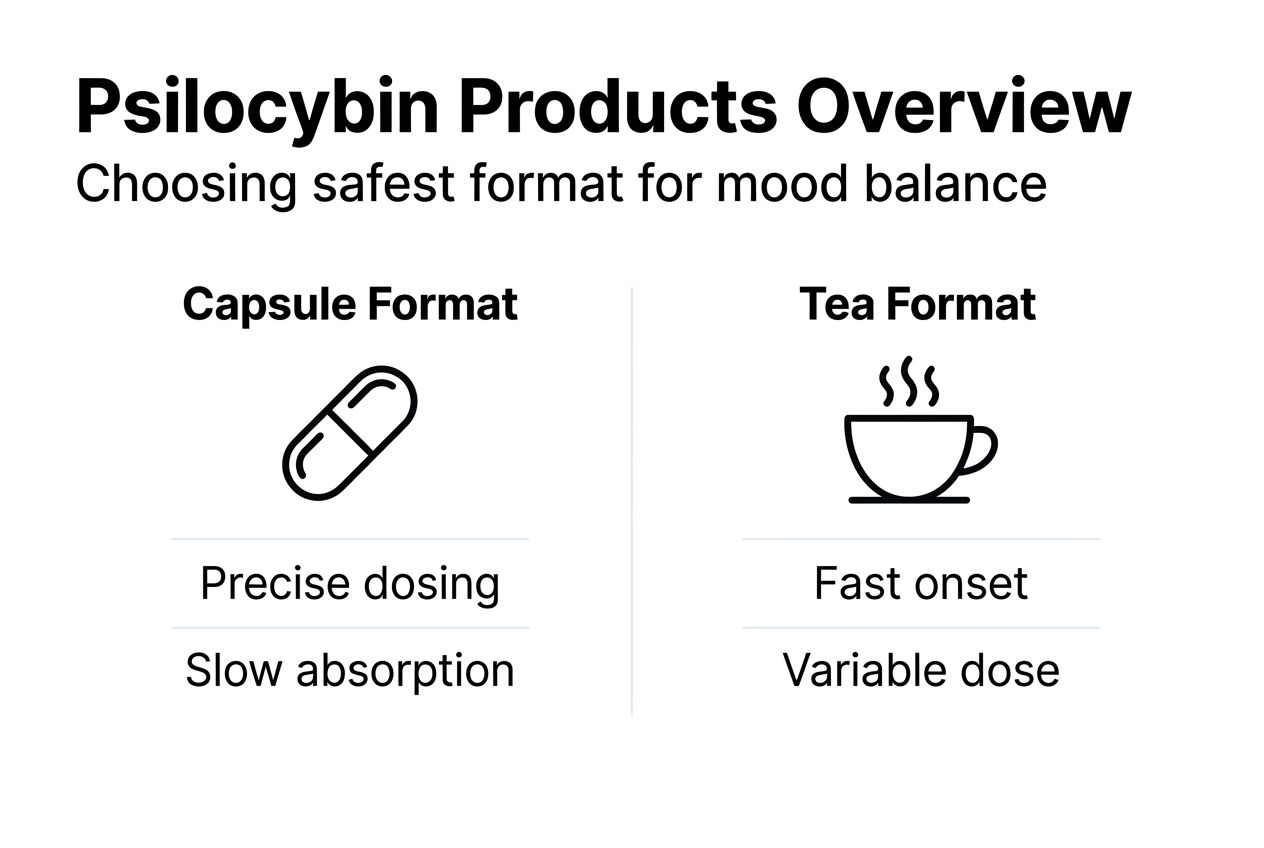
Capsules provide the most precise dosing with slower, sustained absorption. They’re perfect for beginners who need consistent, predictable effects without taste concerns. The encapsulation process protects psilocybin from degradation and allows for exact measurement down to 0.01 grams. Many capsules include complementary mushrooms or herbs that support the mood-balancing effects.
Teas offer faster onset with more variable dosing depending on preparation method. Hot water extraction can degrade some psilocybin, potentially reducing potency by 10-20% compared to capsules. However, teas allow easy mixing with calming herbs like chamomile or mood-supporting adaptogens, creating synergistic wellness blends. The ritual of tea preparation itself can support mindful practice.
Chocolates mask the earthy mushroom taste completely while providing gradual absorption through the digestive process. Dosing accuracy varies more than capsules since chocolate distribution may not be perfectly uniform. They’re ideal if taste sensitivity prevents you from using other formats, but require extra attention to portion control.
Product selection tips:
- Store all products in cool, dark places away from heat and light
- Check expiration dates and buy from reputable sources only
- Start with capsules if precision matters most to you
- Consider teas for faster effects and herbal synergies
- Choose chocolates when taste is your primary concern
- Track dosage and effects carefully regardless of format
Understand capsule ingredients thoroughly before purchasing to ensure quality and appropriate complementary compounds. Review chocolate product guides for dosing accuracy information. Explore infused tea benefits if the ceremonial aspect appeals to you.
Storage significantly affects potency over time. Psilocybin degrades when exposed to light, heat, or moisture. Use airtight containers in dark cupboards or refrigerators for maximum shelf life. Properly stored products maintain potency for 12-18 months, while poor storage can reduce effectiveness by 30% or more within months.
Explore safe microdosing products and guides at Fungal Friend
Ready to begin your mood-balancing microdosing journey with confidence? Fungal Friend offers expertly curated psilocybin products designed specifically for Canadian users seeking natural mental wellness support. Our selection includes precisely dosed capsules, therapeutic teas, and carefully crafted chocolates, all formulated to deliver consistent sub-perceptual effects.
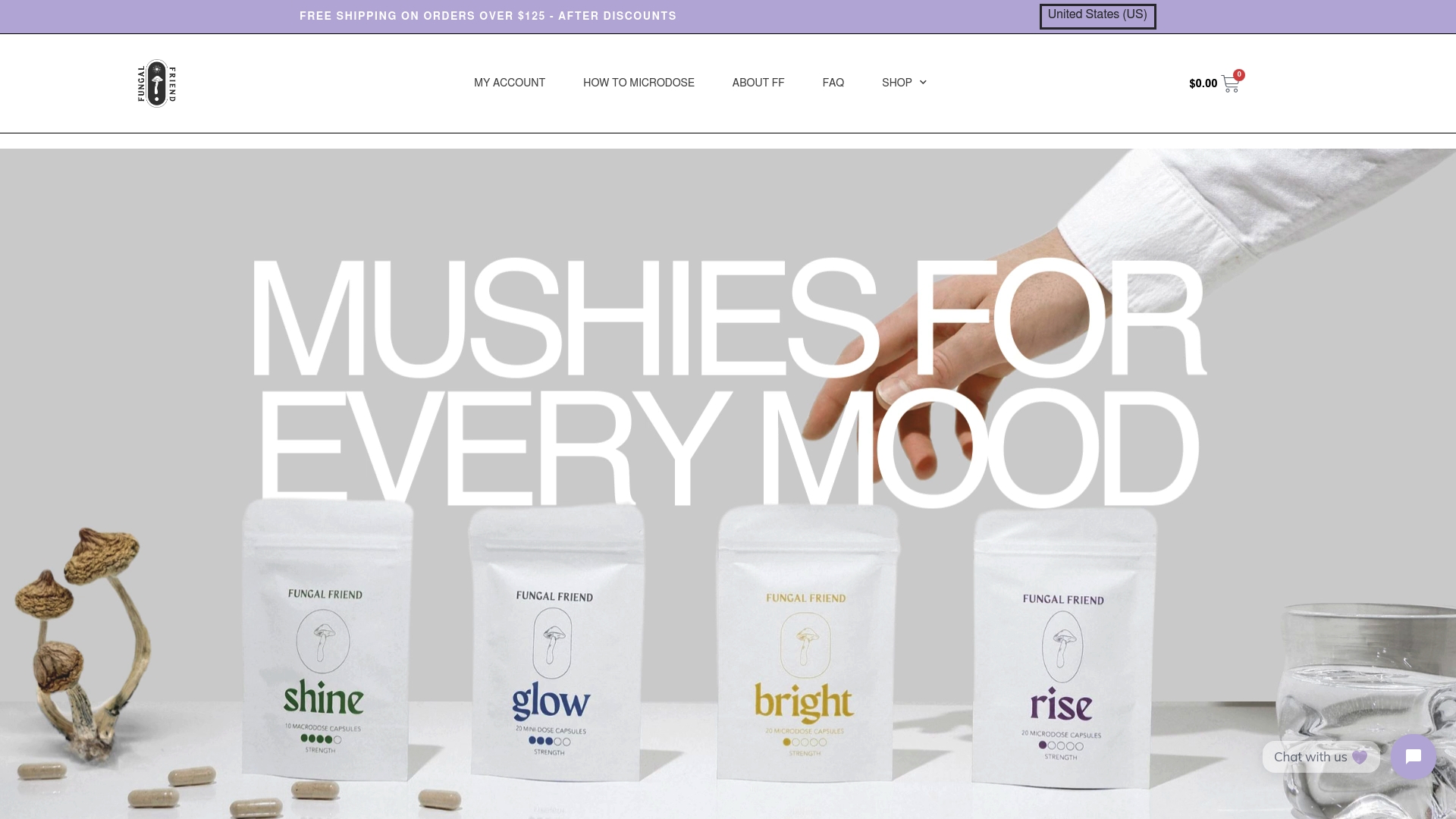
Access comprehensive beginner guides that walk you through every step from first dose to ongoing protocol optimization. Our microdose mushroom collection features strain-specific options with detailed alkaloid profiles, letting you match products to your unique mood goals. Use our safety checklist to ensure you’re prepared for safe, effective practice from day one. We combine therapeutic intention with e-commerce convenience, supporting your natural wellness journey with education, quality products, and discreet delivery across Canada.
FAQ
Is microdosing with psilocybin mushrooms legal in Canada?
Psilocybin remains a controlled substance under Canadian federal law, but the legal landscape is evolving. Medical exemptions allow certain individuals to use psilocybin legally for therapeutic purposes under specific conditions. While microdosing for general wellness exists in a gray area, staying informed about current legal status and exemptions helps you understand risks and protections.
What is the recommended starting dose for microdosing psilocybin?
Begin with 0.1 to 0.15 grams of dried psilocybin mushrooms to stay well below perceptual thresholds. This conservative range minimizes any psychedelic effects while allowing your body to acclimate safely. Adjust gradually upward by 0.05 grams only after maintaining the same dose for at least two weeks and carefully tracking your responses.
How often should I microdose to avoid tolerance?
Dose every 3rd or 4th day following established protocols like Stamets or Fadiman to prevent tolerance. Daily dosing causes rapid tolerance, dropping effectiveness by up to 50% within days as serotonin receptors downregulate. Proper spacing maintains receptor sensitivity and delivers consistent mood benefits over time.
Can microdosing replace traditional therapy for mood disorders?
Microdosing may support mood regulation as a complementary approach, but it’s not a substitute for evidence-based therapy or medication when clinically needed. Serious mood disorders require professional treatment, and microdosing works best when integrated thoughtfully alongside appropriate medical care. Always consult healthcare providers before using psilocybin, especially if you’re taking medications or managing diagnosed conditions.