
Safe magic mushroom microdose recipe guide for 2026
Microdosing psilocybin mushrooms has emerged as a popular wellness practice across Canada, with many seeking natural support for anxiety, focus, and mood balance. While the potential benefits attract growing interest, preparing a safe and effective magic mushroom recipe requires precision, knowledge, and careful attention to dosing protocols. This comprehensive guide walks you through every step of creating microdose recipes, from understanding the science behind psilocybin to preparing capsules, teas, and infused chocolates with accurate measurements. You’ll learn essential safety practices, monitoring techniques, and harm reduction strategies to ensure your microdosing journey supports your mental wellness goals responsibly.
Table of Contents
- Understanding Psilocybin Microdosing And Its Effects
- Ingredients And Tools Needed For Magic Mushroom Microdose Recipes
- Step-By-Step Guide To Prepare A Magic Mushroom Microdose Recipe
- How To Use And Monitor Effects Safely When Microdosing Psilocybin
- Explore Safe Microdosing With Expert Guides And Quality Products
- FAQ
Key takeaways
| Point | Details |
|---|---|
| Precise dosing is essential | Microdosing requires accurate measurements between 0.1 and 0.3 grams of dried mushrooms to achieve therapeutic effects without impairment. |
| Multiple recipe options exist | Capsules offer the most consistent dosing, while teas and chocolates provide alternative consumption methods with varying preparation times. |
| Scientific evidence shows mixed cognitive effects | Research indicates no overall cognitive benefit but potential neuroprotective properties that may support brain health. |
| Safety practices prevent risks | Following harm reduction guidelines and monitoring your response helps minimize potential disruption to cognitive control. |
| Quality ingredients matter | Using lab-tested, properly dried mushrooms ensures potency consistency and reduces contamination risks. |
Understanding psilocybin microdosing and its effects
Psilocybin microdosing involves consuming sub-perceptual doses of magic mushrooms, typically one-tenth to one-twentieth of a recreational dose. Adults across Canada use this practice seeking support for anxiety reduction, enhanced focus, creative thinking, and mood stabilization without experiencing the intense psychedelic effects associated with higher doses. The goal is to experience subtle shifts in perception and cognition while maintaining full functionality in daily activities.
Recent scientific research presents a nuanced picture of microdosing’s cognitive effects. A comprehensive study found no overall cognitive benefit from psilocybin microdosing, with some evidence suggesting selective reduction in cognitive control. This means while you might not experience dramatic improvements in memory or processing speed, the practice could influence how your brain regulates attention and impulse control. Understanding these findings helps set realistic expectations for your microdosing journey.
Despite mixed cognitive results, psilocybin demonstrates promising neuroprotective qualities. Research shows psilocybin promotes neurogenesis and neuroplasticity, supporting brain health through cellular regeneration and enhanced neural connections. These mechanisms may explain why many users report improved emotional regulation and mental clarity over time, even if immediate cognitive performance remains unchanged.
Safety must anchor your microdosing practice. Following established dosage guidelines and comprehensive safety protocols reduces risks and maximizes potential benefits. Start with the lowest effective dose, maintain detailed records of your experiences, and avoid microdosing if you have a history of psychotic disorders or are taking certain medications. The connection between neuroplasticity and psychedelics continues to reveal fascinating insights into how these compounds interact with brain chemistry.
Pro Tip: Begin your microdosing practice on a day when you have minimal responsibilities, allowing you to observe effects without pressure or time constraints.
Key considerations for safe microdosing include:
- Source mushrooms from reliable, tested suppliers to ensure consistent potency
- Maintain a regular schedule, typically dosing every three to four days
- Track your mental state, energy levels, and any changes in mood or cognition
- Avoid combining psilocybin with alcohol or other psychoactive substances
- Consult healthcare providers if you take prescription medications
Ingredients and tools needed for magic mushroom microdose recipes
Preparing accurate microdoses requires specific ingredients and equipment to ensure safety and consistency. Your primary ingredient is dried psilocybin mushrooms, with individual microdoses typically ranging from 0.1 to 0.3 grams. Dried mushrooms offer superior potency consistency compared to fresh specimens, which contain variable water content that affects concentration calculations. Always verify your mushrooms come from trusted sources that provide lab testing results.
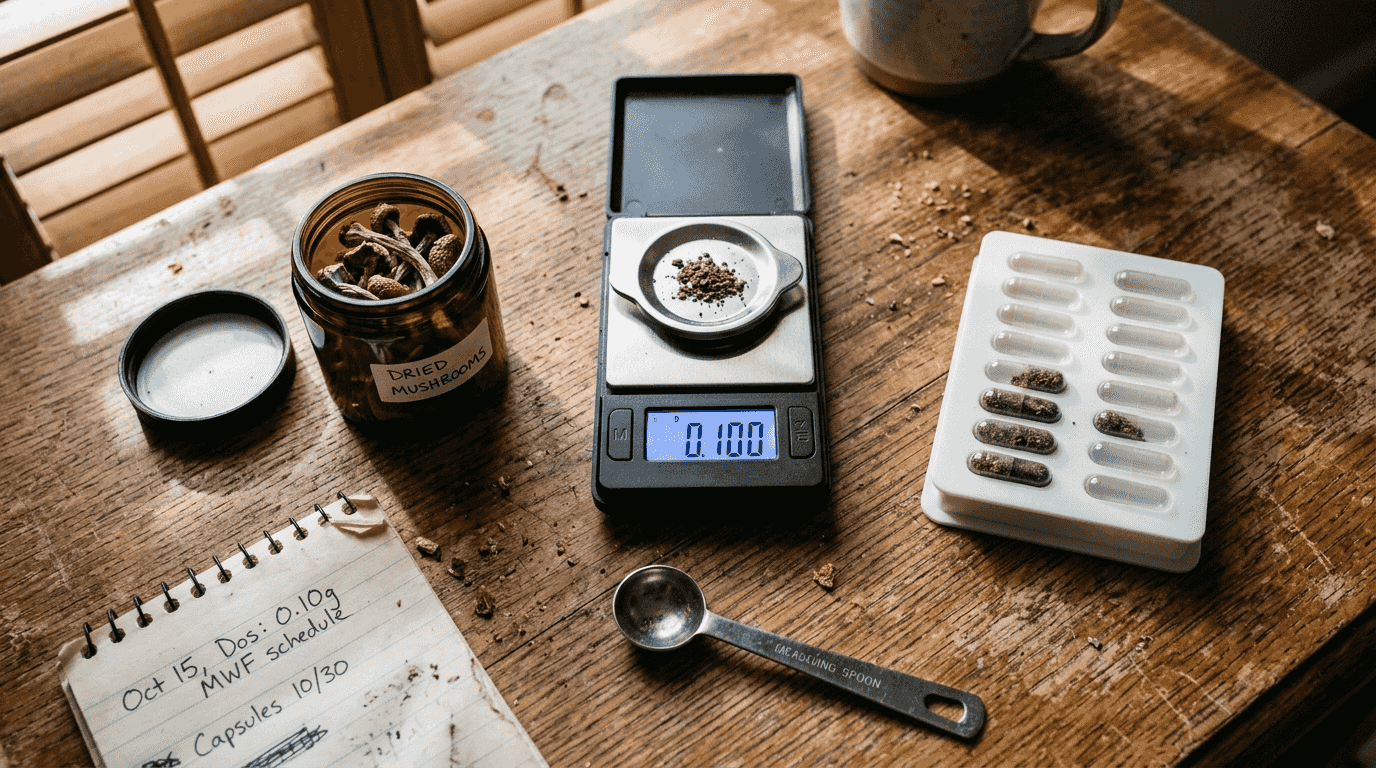
Optional ingredients expand your recipe possibilities beyond simple powder consumption. For chocolate infusions, you’ll need high-quality dark chocolate, coconut oil, and silicone molds. Tea preparations require hot water, tea bags or loose leaf tea for flavor masking, lemon juice to enhance extraction, and a fine mesh strainer. Capsule preparations need empty gelatin or vegetarian capsules, typically size 00 or 0, which hold appropriate powder quantities.
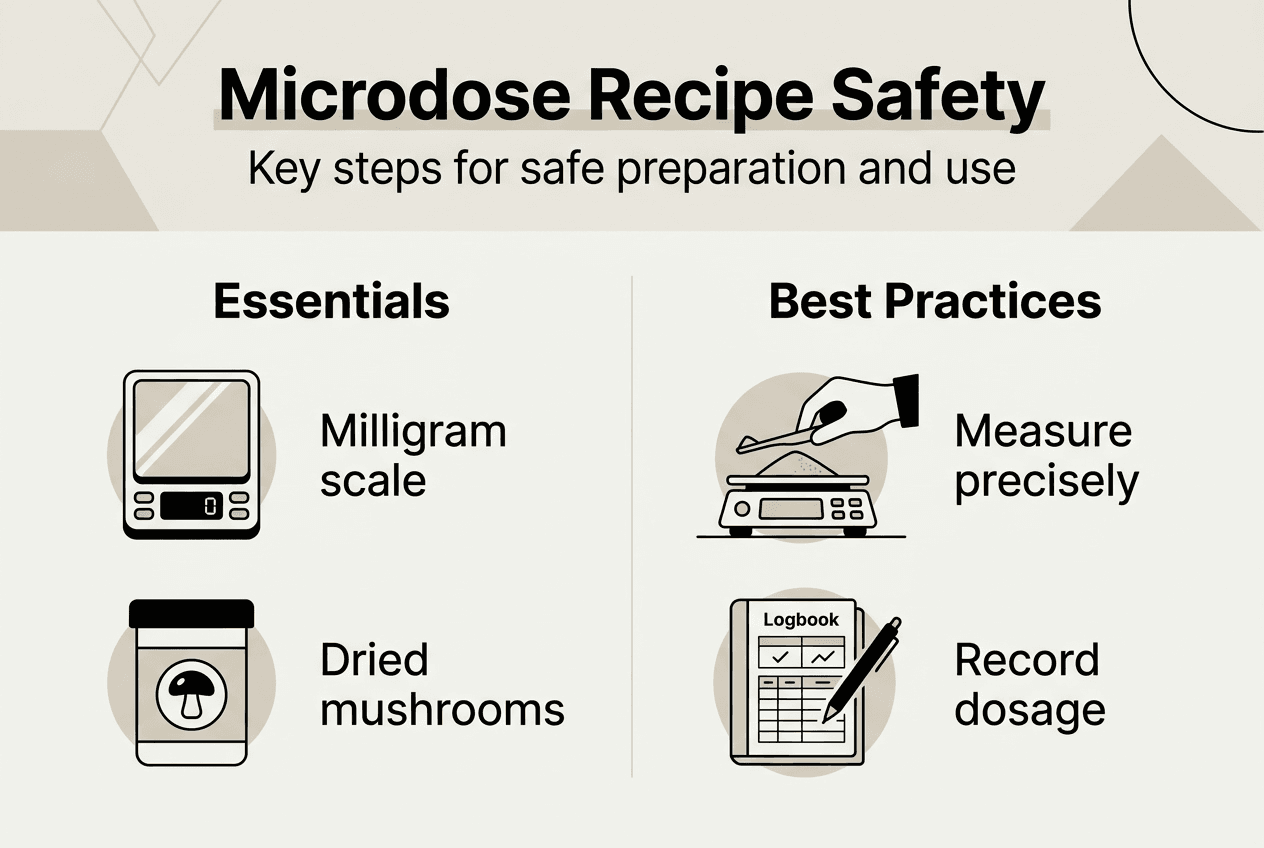
Essential tools ensure precision and hygiene throughout preparation. A milligram scale accurate to 0.001 grams is non-negotiable for proper dosing. Coffee grinders or dedicated spice grinders create fine, uniform powder from dried mushrooms. Clean mixing bowls, measuring spoons, and airtight storage containers protect your preparations from contamination and degradation. For tea recipes, invest in quality filtering equipment to remove mushroom particles.
Following harm reduction practices throughout preparation minimizes health risks. Sterilize all equipment before use, work in a clean environment, and wash hands thoroughly. Store finished products in cool, dark locations away from moisture and direct sunlight. Label containers clearly with preparation date, dose amount, and recipe type to prevent confusion.
| Recipe Type | Prep Time | Dosing Accuracy | Shelf Life | Ease of Use |
|---|---|---|---|---|
| Capsules | 30-45 minutes | Excellent | 6-12 months | Very easy |
| Chocolate | 45-60 minutes | Good | 3-6 months | Easy |
| Tea | 15-20 minutes | Moderate | Consume immediately | Moderate |
| Raw powder | 15-20 minutes | Excellent | 6-12 months | Requires mixing |
Pro Tip: Source dried mushrooms rather than attempting to dry fresh ones yourself, as commercial drying processes ensure complete moisture removal that prevents mold growth and maintains consistent potency across batches.
Understanding safe microdosing methods and proper safety guidelines protects your health while maximizing the potential benefits of your preparation efforts.
Step-by-step guide to prepare a magic mushroom microdose recipe
Creating consistent, safe microdoses follows a systematic process that prioritizes accuracy and hygiene. This section provides detailed instructions for three popular preparation methods, each offering distinct advantages for different preferences and lifestyles.
-
Weigh your dried mushrooms precisely. Place your milligram scale on a flat, stable surface away from air currents. Use the tare function with a small weighing paper or container, then carefully add dried mushroom material until you reach your target dose, typically 0.1 to 0.3 grams per serving. Double-check the measurement before proceeding.
-
Grind mushrooms into fine powder. Transfer weighed mushrooms into a clean coffee or spice grinder. Pulse in short bursts until you achieve a uniform, flour-like consistency. Fine powder ensures even distribution of psilocybin and psilocin compounds throughout your recipe, preventing dose variations between servings.
-
Choose your preparation method. For capsules, fill empty capsules using a small funnel or capsule filling machine, tapping gently to settle powder and maximize capacity. For chocolate, melt your chocolate in a double boiler, stir in measured powder thoroughly, then pour into molds and refrigerate. For tea, steep powder in hot water with lemon juice for 10 to 15 minutes, then strain carefully.
-
Store prepared doses properly. Place capsules or chocolate pieces in airtight containers with silica gel packets to absorb moisture. Store in cool, dark locations like cupboards or drawers, never in bathrooms where humidity fluctuates. Label containers with preparation date, dose amount, and recipe type.
Common mistakes compromise safety and effectiveness:
- Skipping the grinding step, which creates uneven psilocybin distribution
- Using kitchen scales instead of milligram scales, resulting in significant dosing errors
- Exposing preparations to heat, light, or moisture that degrades active compounds
- Failing to label containers, leading to accidental overdosing
- Preparing large batches without considering degradation timelines
Pro Tip: Prepare a week’s worth of doses at once, numbering each capsule or chocolate piece sequentially to track your microdosing schedule and maintain consistent timing between doses.
Implementing safe microdosing methods reduces anxiety and enhances focus while following established dosage guidelines ensures you stay within therapeutic ranges.
| Recipe Type | Step 1 Duration | Step 2 Duration | Step 3 Duration | Total Time |
|---|---|---|---|---|
| Capsules | 5 minutes | 10 minutes | 15 minutes | 30 minutes |
| Chocolate | 5 minutes | 10 minutes | 30 minutes | 45 minutes |
| Tea | 5 minutes | 5 minutes | 15 minutes | 25 minutes |
How to use and monitor effects safely when microdosing psilocybin
Consuming your prepared microdoses strategically maximizes potential benefits while minimizing disruption to daily activities. Most practitioners recommend taking doses in the morning, ideally after a light breakfast to reduce potential nausea. This timing allows you to observe effects throughout the day while maintaining normal sleep patterns. Avoid dosing before important meetings, driving long distances, or operating heavy machinery until you understand your individual response.
Tracking subtle changes requires systematic observation and honest self-assessment. Maintain a detailed journal recording dose amount, time of consumption, food intake, sleep quality, mood fluctuations, energy levels, and any notable cognitive shifts. Many users report enhanced pattern recognition, improved emotional resilience, and increased openness to new perspectives. Others notice minimal changes or temporary increases in anxiety during adjustment periods.
Expected effects at proper microdose levels include:
- Subtle shifts in visual perception, such as enhanced color saturation
- Mild mood elevation or emotional sensitivity
- Increased focus on tasks or creative projects
- Slight changes in thought patterns or problem-solving approaches
- Enhanced appreciation for music, art, or nature
Research indicates microdosing may disrupt cognitive control in some individuals, affecting impulse regulation and attention management. Monitor for signs of reduced self-control, increased distractibility, or difficulty maintaining focus on complex tasks. If you notice these effects, reduce your dose or extend the time between dosing days. The encouraging news is psilocybin carries low addiction risk, making responsible experimentation relatively safe for most adults.
Adjusting your protocol based on observations ensures optimal outcomes. If effects feel too strong, decrease your dose by 0.05 grams. If you notice no changes after three weeks of consistent dosing, consider a small increase. Take tolerance breaks every four to six weeks, abstaining for seven to ten days to reset receptor sensitivity. This cycling prevents diminishing returns and maintains the subtle therapeutic window.
Pro Tip: Use smartphone apps designed for habit tracking or create a simple spreadsheet to log your microdosing schedule, dose amounts, and daily observations, making pattern recognition easier over time.
Implementing harm reduction strategies and understanding typical effects helps you navigate your microdosing practice with confidence and safety.
Explore safe microdosing with expert guides and quality products
Navigating the microdosing landscape becomes simpler with trusted educational resources and reliable product sources. Fungal Friend offers comprehensive guides covering every aspect of safe psilocybin use, from beginner-friendly introductions to detailed dosage protocols that remove guesswork from your practice. These resources combine scientific research with practical wisdom from experienced users.
For those seeking convenience without sacrificing accuracy, pre-measured mushroom capsules eliminate preparation time while ensuring consistent dosing. Each capsule contains precisely measured psilocybin powder, removing the need for scales, grinders, and manual filling. This approach suits busy professionals, parents, or anyone who values simplicity and reliability in their wellness routine.
Pro Tip: Invest in lab-tested products from reputable suppliers to guarantee potency accuracy and freedom from contaminants like heavy metals or pesticides that compromise safety and effectiveness.
FAQ
What is the best way to prepare a magic mushroom microdose recipe?
The most reliable method involves grinding dried mushrooms into fine powder and filling gelatin capsules for precise, consistent dosing. This approach eliminates guesswork and ensures each dose contains the exact amount of psilocybin you intend to consume. Chocolate preparations offer a tasty alternative but require careful mixing to distribute powder evenly throughout the batch. Always use a milligram scale and maintain strict hygiene during preparation.
How do I determine the right microdose amount for me?
Start with 0.1 grams of dried mushrooms and assess your response over three to five dosing days. Most people find their optimal range between 0.1 and 0.3 grams, but individual sensitivity varies based on body weight, metabolism, and neurochemistry. Track effects carefully in a journal, noting both positive changes and any unwanted symptoms. Consult comprehensive dosage guidelines for detailed protocols on finding your therapeutic window. Never exceed 0.5 grams when microdosing, as higher amounts produce perceptual changes that interfere with normal activities.
Are there any safety risks associated with microdosing psilocybin?
While psilocybin demonstrates low addiction potential and minimal adverse effects in healthy adults, improper use can disrupt cognitive control and decision-making. Individuals with personal or family history of schizophrenia, bipolar disorder, or other psychotic conditions should avoid psilocybin entirely due to potential triggering of latent symptoms. Following established safety guidelines and starting with conservative doses minimizes risks. Avoid combining psilocybin with medications that affect serotonin levels, including SSRIs and MAOIs, as interactions can cause serious complications.
How long does it take to feel benefits from microdosing magic mushrooms?
Effects vary significantly between individuals, with some noticing subtle mood improvements within days while others require weeks of consistent dosing to observe changes. The neuroplastic effects that support long-term benefits develop gradually as your brain forms new neural pathways and strengthens existing connections. Most practitioners recommend committing to at least four weeks of regular dosing before evaluating effectiveness. Understanding typical microdose effects helps set realistic expectations and recognize genuine benefits versus placebo responses. Patience and consistent tracking prove essential for assessing whether microdosing supports your mental wellness goals.