
Psychedelic harm reduction: safe microdosing Canada 2026
Harm reduction protocols can reduce psychedelic adverse effects by up to 90%, yet many Canadians approach microdosing assuming it carries no risk. While microdosing psilocybin offers potential mental health benefits, the practice demands informed safety measures to prevent psychological distress, physical harm, and legal consequences. This guide walks you through essential harm reduction principles, dosing guidelines, mental health screening, legal considerations, and practical tools to support safe psychedelic experiences across Canada in 2026.
Table of Contents
- Understanding Psychedelic Harm Reduction: Principles And Importance
- Safe Microdosing Practices And Dosage Guidelines
- The Role Of Set And Setting In Psychedelic Harm Reduction
- Mental Health Screening And Contraindications
- Legal Considerations For Psychedelic Users In Canada
- Common Misconceptions About Psychedelic Harm Reduction
- Practical Harm Reduction Tools And Resources
- Case Studies And Real-World Examples
- Enhance Your Safe Microdosing Journey With Fungal Friend
- Frequently Asked Questions
Key takeaways
| Point | Details |
|---|---|
| Harm reduction minimizes risks | Comprehensive protocols address psychological, physical, and legal harms for safer psychedelic use. |
| Microdose range is 0.1 to 0.3 grams | Starting low and titrating slowly reduces adverse events to under 5% in controlled settings. |
| Set and setting matter critically | Positive mindset and safe environments cut anxiety-related harms by over 50%. |
| Mental health screening is essential | Personal or family history of psychosis requires professional consultation before any psychedelic use. |
| Canadian laws vary provincially | Understanding local possession and sale regulations prevents legal penalties and supports safer sourcing. |
Understanding psychedelic harm reduction: principles and importance
Psychedelic harm reduction means minimizing psychological, physical, and legal risks through careful preparation, dose control, and environmental management. This framework addresses multiple harm types: psychological distress like anxiety or paranoia, physical injury from impaired judgment, and legal consequences from possession or sale violations. Research shows that harm reduction protocols reduce adverse effects by 70 to 90% when properly implemented, making these practices non-negotiable for anyone exploring psilocybin.
The framework rests on four pillars: precise dosing, intentional set and setting, mental health screening, and legal awareness. Even microdosing, often perceived as entirely safe, carries risks without informed practices. Users report mood instability, anxiety spikes, and physical discomfort when dosing blindly or in chaotic environments. Harm reduction transforms psychedelic exploration from reckless experimentation into a structured wellness practice.
For Canadians considering microdosing in 2026, understanding these principles is your first line of defense. Provincial legal landscapes shift, mental health vulnerabilities vary individually, and dose responses differ across users. Applying harm reduction means respecting these variables rather than following generic advice.
“Harm reduction is not about eliminating all risk but making informed choices that honor your mental health, legal context, and personal readiness for psychedelic experiences.”
Core harm reduction strategies include:
- Starting with the lowest effective dose and increasing gradually
- Choosing calm, familiar environments free from external stressors
- Screening for personal and family mental health contraindications
- Understanding provincial laws to avoid criminal penalties
- Using integration practices like journaling to process experiences
Safe microdosing practices and dosage guidelines
Typical microdose ranges sit between 0.1 and 0.3 grams of dried psilocybin mushrooms, a dose low enough to avoid perceptual changes yet sufficient for subtle cognitive and emotional shifts. Research indicates that doses under 0.3 grams show less than 5% adverse event incidence in controlled studies, but individual sensitivity varies widely. Starting at 0.1 grams or lower lets you assess personal tolerance before increasing.
Titration is key. Increase by 0.05 grams only after observing effects over multiple sessions. Rushing this process raises the risk of overstimulation, anxiety, or physical discomfort. Most users find their sweet spot between 0.15 and 0.25 grams, where benefits emerge without overwhelming side effects.
Recommended frequency typically follows an every three to four day schedule, preventing tolerance buildup and allowing your nervous system to reset between doses. Daily dosing can lead to diminishing returns, mood swings, and dependency patterns. Journaling each session helps track mood, focus, energy, and any negative reactions, giving you data to adjust dosing intelligently.
Pro Tip: Never combine microdosing with psychiatric medications like SSRIs or MAOIs without consulting a healthcare provider, as interactions can amplify risks or diminish benefits unpredictably.
Here is a comparison of dose ranges, typical effects, and risk levels:
| Dose Range | Typical Effects | Risk Level |
|---|---|---|
| 0.05 to 0.1g | Barely perceptible; subtle mood lift | Very low |
| 0.1 to 0.3g | Mild focus, creativity, emotional balance | Low with monitoring |
| 0.5 to 1g | Noticeable perceptual shifts, introspection | Moderate; requires set/setting |
| 1 to 3g+ | Strong psychedelic experience, visual changes | High; professional guidance recommended |
Follow these steps for safe microdosing:
- Research strain potency, as psilocybin content varies across mushroom types.
- Measure doses precisely using a digital scale accurate to 0.01 grams.
- Start with 0.1 grams on a day with no major responsibilities.
- Wait 3 to 4 days, then repeat and assess effects in your journal.
- Adjust dose by 0.05 grams increments based on observations.
- Consult a safe microdosing guide for Canada for region-specific context.
- Use a microdosing safety checklist before each session.
For newcomers, a beginner’s microdosing guide offers foundational knowledge to avoid common pitfalls. Monitoring and slow titration turn microdosing into a sustainable practice rather than a gamble.
The role of set and setting in psychedelic harm reduction
Set refers to your mental and emotional state entering a psychedelic experience, while setting describes your physical and social environment. Together, they shape the quality and safety of your session. Studies confirm that controlled settings lower anxiety and negative reactions by over 50%, underscoring why preparation matters as much as dosage.

Your mindset influences perception. Approaching a session with fear, unresolved stress, or emotional chaos invites challenging experiences. Conversely, calm intentionality and openness foster positive outcomes. Preparation strategies include meditation, breathwork, or simply choosing a day when you feel grounded and emotionally balanced.
Setting encompasses both location and companionship. Ideal environments are quiet, comfortable, and familiar, minimizing external stressors that could trigger anxiety. Having a trusted sitter or experienced guide nearby offers reassurance, especially for those new to psychedelics or increasing doses. Even microdosing benefits from intentional setting; chaotic workplaces or high-stress social situations can amplify negative effects.
Integration practices help you process experiences after sessions, turning insights into lasting mental health benefits. Journaling, therapy, or simply reflecting on what surfaced during your experience anchors learning and supports ongoing growth. Integration transforms psychedelic sessions from isolated events into coherent wellness practices.
Pro Tip: Establish a pre-session ritual like 10 minutes of meditation or listening to calming music to prime your mindset for a positive experience.
“The difference between a transformative psychedelic session and a distressing one often comes down to preparation, environment, and the presence of supportive companions.”
Core set and setting practices include:
- Choosing days when you feel mentally stable and free from major stressors
- Creating a calm, comfortable physical space with minimal distractions
- Enlisting a trusted friend or sitter who understands harm reduction principles
- Using breathwork or meditation to center yourself before dosing
- Planning integration time post-session to process insights and emotions
For deeper exploration, psychedelic experience insights offer context on how Canadians navigate mindset and environment for safer, more meaningful sessions.
Mental health screening and contraindications
Mental health screening is a non-negotiable harm reduction step. Personal or family history of psychosis, bipolar disorder, or severe mental illness significantly raises the risk of adverse psychiatric events during psychedelic use. Research shows that psychotic episodes occur in up to 4% of at-risk individuals without proper screening safeguards, a preventable tragedy when users skip this critical evaluation.
Psychedelics can destabilize vulnerable mental states, triggering mania, paranoia, or lasting psychological distress. If you or close family members have experienced schizophrenia, bipolar disorder, or severe depression with psychotic features, professional consultation is essential before any psychedelic use. Even microdosing can activate latent vulnerabilities in predisposed individuals.
Medication interactions present another layer of risk. SSRIs, MAOIs, and other psychiatric drugs alter serotonin pathways, potentially blunting psychedelic effects or causing dangerous interactions. Combining psychedelics with these medications without medical guidance can lead to serotonin syndrome or unpredictable psychological reactions. Always disclose substance use to healthcare providers to receive informed advice.
Screening steps to follow:
- Review personal mental health history for psychosis, bipolar disorder, or severe anxiety disorders
- Ask close family members about any diagnosed psychiatric conditions
- List all current medications, including over-the-counter and herbal supplements
- Consult a healthcare provider experienced in psychedelic medicine before beginning microdosing
- Avoid psychedelics entirely if you have active psychosis, untreated bipolar disorder, or recent severe mental health crises
Contraindications to watch for:
- Personal or family history of schizophrenia or psychotic disorders
- Diagnosed bipolar disorder, especially type I with manic episodes
- Current use of SSRIs, SNRIs, MAOIs, or lithium
- Recent severe depression with suicidal ideation
- Active substance abuse or dependence issues
For comprehensive safety protocols, consult psychedelic safety guidelines tailored to Canadian users navigating mental health considerations.
Legal considerations for psychedelic users in Canada
Psilocybin remains federally illegal in Canada as of 2026, classified as a Schedule III controlled substance under the Controlled Drugs and Substances Act. However, exemptions exist for medical and therapeutic use in certain provinces, creating a complex legal landscape that varies by location. Understanding these nuances helps you avoid criminal penalties and supports safer sourcing and usage practices.
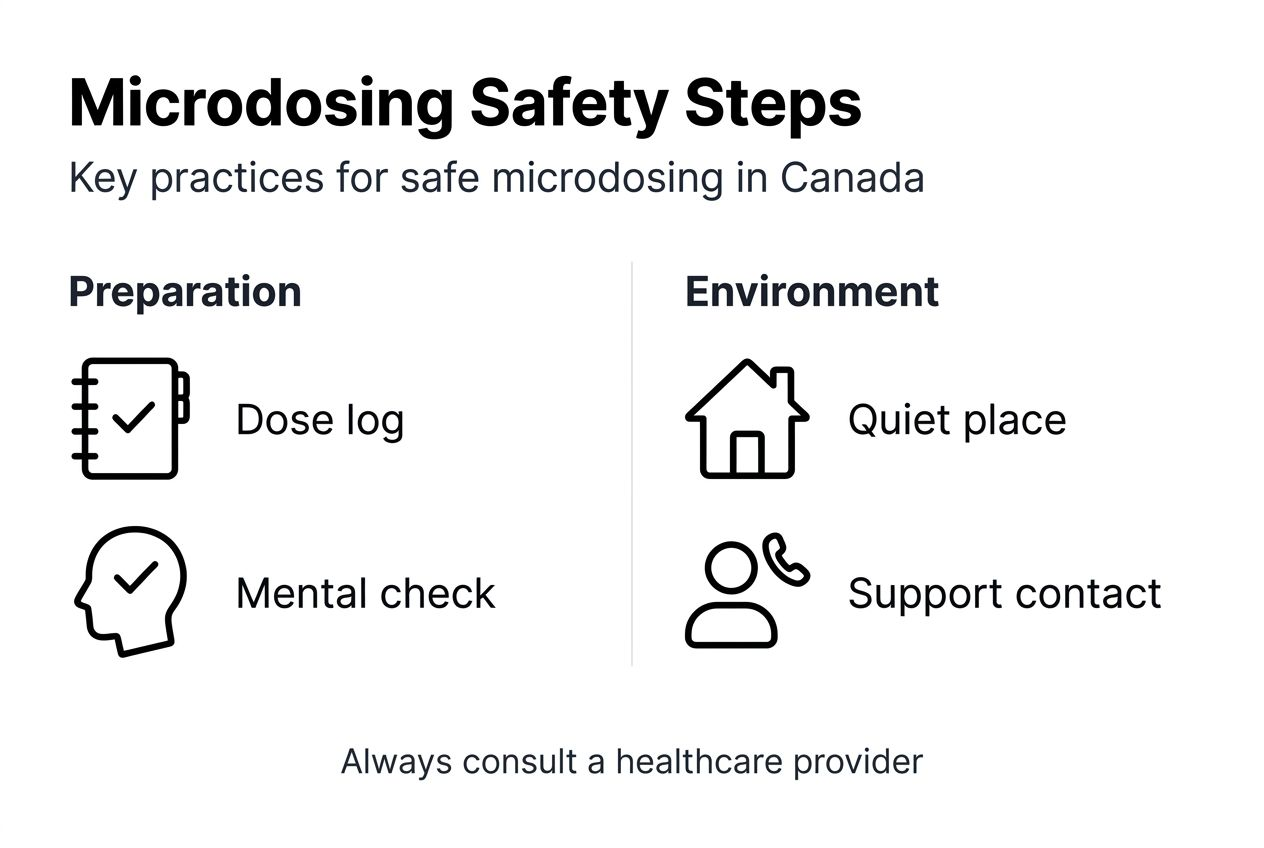
Decriminalization status differs provincially. Some regions tolerate small-scale personal possession, while others enforce strict penalties for any psilocybin-related activity. Possession charges carry lighter consequences than sale or distribution offenses, which can result in significant fines and criminal records. Staying informed about your local regulations is a critical harm reduction measure.
Legal clarity empowers safer decision-making. Users who understand their legal context can source products more responsibly, avoid high-risk situations, and access legitimate therapeutic exemptions where available. Ignorance of the law does not protect you from prosecution, making education essential.
| Province | Possession Status | Sale/Distribution | Therapeutic Exemptions |
|---|---|---|---|
| British Columbia | De facto decriminalized for small amounts | Illegal; enforced penalties | Available through Section 56 exemptions |
| Ontario | Illegal; variable enforcement | Illegal; strict enforcement | Limited; case-by-case basis |
| Quebec | Illegal; moderate enforcement | Illegal; enforced | Rare; research-focused |
| Alberta | Illegal; strict enforcement | Illegal; strict enforcement | Very limited |
Best legal practices to minimize risk:
- Research your province’s current enforcement policies and decriminalization status
- Never purchase or possess quantities that suggest intent to distribute
- Avoid public consumption or possession to reduce law enforcement visibility
- Explore legal therapeutic exemptions if you qualify for medical access
- Stay updated on legislative changes as Canadian psychedelic laws evolve
For detailed legal context, visit psilocybin legality in Canada to understand how regulations impact safe access and use.
Common misconceptions about psychedelic harm reduction
Myth: Harm reduction only matters for high or recreational doses.
Fact: Microdosing carries psychological and physiological risks requiring the same harm reduction protocols as higher doses. Low doses can still trigger anxiety, mood instability, or adverse reactions in vulnerable individuals.
Myth: Microdosing is completely risk-free and needs no safety precautions.
Fact: Studies show that up to 15% of microdosers report mild to moderate adverse effects without harm reduction practices, including increased anxiety, physical discomfort, and mood swings.
Myth: Legal awareness is unnecessary if your dose is small.
Fact: Legal risks apply regardless of dose. Possession of any amount of psilocybin can result in criminal charges depending on provincial enforcement, and legal consequences cause serious harm independent of dose size.
Myth: Mental health screening is only necessary for people with diagnosed conditions.
Fact: Family history of psychosis or bipolar disorder increases risk even without personal diagnosis. Screening reveals hidden vulnerabilities that could lead to severe psychiatric episodes during psychedelic use.
Myth: Set and setting do not matter for microdosing since the dose is sub-perceptual.
Fact: Even subtle psychedelic effects are influenced by environment and mindset. Stressful settings or negative mental states can amplify anxiety and reduce the benefits of microdosing.
Key takeaways to counter misconceptions:
- All psychedelic use, including microdosing, benefits from harm reduction protocols
- Adverse effects occur in a meaningful percentage of users without safety measures
- Legal risks exist regardless of dose size or perceived safety
- Mental health screening protects against hidden vulnerabilities
- Environmental and psychological preparation enhances safety and outcomes
For deeper clarity, explore microdosing risks explained to understand the full spectrum of potential harms and how to mitigate them.
Practical harm reduction tools and resources
Implementing harm reduction requires more than knowledge; it demands practical tools and community support. A sober sitter or experienced guide provides reassurance and crisis management, especially when starting microdosing or experimenting with higher doses. This person should understand harm reduction principles and remain calm under pressure.
Careful dose titration based on individual reactions prevents overstimulation and adverse effects. Avoid sudden large increases; instead, adjust by small increments after observing multiple sessions. This patient approach respects your unique neurochemistry and minimizes risk.
Maintaining a journal for integration helps you track effects, side effects, and insights across sessions. Record dose, timing, mental state, environment, and outcomes to identify patterns and optimize your practice. Integration turns raw experience into actionable self-knowledge.
Access education through reputable community groups and online resources for ongoing support. Peer networks offer shared experiences, troubleshooting advice, and accountability. However, verify information against research-backed sources to avoid misinformation.
Pro Tip: Regularly review safety checklists to adapt your practices as legal landscapes shift, new research emerges, and your personal needs evolve.
Core harm reduction tools and methods:
- Use a microdosing safety checklist before every session to ensure readiness
- Establish a relationship with a healthcare provider knowledgeable about psychedelic medicine
- Join online forums or local groups focused on harm reduction and safe psychedelic use
- Invest in a precise digital scale to measure doses accurately
- Keep emergency contact information accessible in case of unexpected reactions
- Review psychedelic safety guidelines periodically to stay informed
These tools transform harm reduction from abstract theory into daily practice, empowering you to navigate microdosing confidently and responsibly.
Case studies and real-world examples
Real-world application of harm reduction principles demonstrates their effectiveness. Canadian microdose users following structured protocols report a 70% reduction in adverse events compared to those dosing without guidance. Improved mental health, cognitive benefits, and sustained emotional balance emerge when harm reduction frames the practice.
One user from Ontario began microdosing 0.2 grams every four days, maintaining a detailed journal and consulting a therapist for integration support. Over six months, they reported decreased anxiety, improved focus, and better stress management. Contrast this with another user who started at 0.5 grams daily without screening or environmental preparation, experiencing mood swings, insomnia, and heightened anxiety within weeks.
| Practice Approach | Adverse Events | Mental Health Outcomes | Sustainability |
|---|---|---|---|
| Supervised harm reduction | Under 10% | Significant improvement in 70%+ of users | High; long-term adherence |
| Unsupervised/no protocols | 30 to 40% | Mixed; 40% report worsening symptoms | Low; frequent discontinuation |
Integration success stories underscore the value of processing experiences. A British Columbia user combined microdosing with weekly therapy sessions, using insights from subtle psychedelic states to address long-standing trauma. This structured approach supported lasting mental wellness, transforming their relationship with anxiety and depression.
“Microdosing without harm reduction felt like wandering in the dark. Once I applied dosing protocols, set and setting practices, and integration journaling, the experience became a tool for genuine growth rather than a source of confusion and stress.”
These examples illustrate how harm reduction turns psychedelic exploration into a coherent wellness practice, reducing risks while amplifying benefits. For more Canadian perspectives, visit microdosing wellness case studies to see how others navigate safe, intentional use.
Enhance your safe microdosing journey with Fungal Friend
Now that you understand harm reduction principles, translate this knowledge into action with resources designed for Canadian microdosers. Fungal Friend offers expert guides tailored to your safety and wellness goals, helping you navigate dosing, legal considerations, and mental health screening with confidence. Discover safe microdosing methods that align with research-backed harm reduction protocols, ensuring your practice supports focus, mood balance, and anxiety reduction without unnecessary risks.
Explore microdose mushroom capsules crafted for precision and consistency, taking the guesswork out of dosing and empowering you to titrate safely. Access a comprehensive beginner microdosing guide to build foundational knowledge before your first session. Fungal Friend merges education with curated products, supporting informed, safe psychedelic exploration across Canada in 2026.
Frequently asked questions
What is psychedelic harm reduction and why is it important?
Psychedelic harm reduction minimizes psychological, physical, and legal risks through preparation, dose control, environmental management, and mental health screening. It transforms psychedelic use from risky experimentation into a structured wellness practice, reducing adverse events by up to 90% when protocols are followed. For microdosing specifically, harm reduction addresses the misconception that low doses carry no risk, ensuring users screen for contraindications, dose carefully, and integrate experiences effectively.
How do I determine the right microdose for me?
Start with a low dose around 0.1 grams of dried psilocybin mushrooms and increase slowly by 0.05 gram increments after observing effects over multiple sessions. Track mood, focus, energy, and any negative reactions in a journal to identify your personal threshold. Most users find their optimal range between 0.15 and 0.25 grams, where benefits emerge without overwhelming side effects.
What legal risks should Canadian users be aware of?
Psilocybin remains federally illegal in Canada as of 2026, though exemptions exist for medical and therapeutic use in some provinces. Provincial laws vary; possession carries lighter penalties than sale or distribution offenses, which can result in significant fines and criminal records. Stay informed about local regulations to reduce legal risk and explore legitimate therapeutic exemptions where available.
Can microdosing psychedelics worsen mental health?
Yes, especially for individuals with personal or family history of psychosis, bipolar disorder, or severe mental illness. Without proper screening and professional consultation, microdosing can trigger manic episodes, paranoia, or lasting psychological distress in vulnerable individuals. Mental health screening and medical guidance greatly reduce these risks, making them essential harm reduction steps.