
Legal considerations for psilocybin in Canada 2026
Many Canadians remain confused about psilocybin’s legal status despite recent court rulings and evolving policies. Federal law still prohibits possession, production, and sale of magic mushrooms without specific exemptions. However, landmark 2024 court decisions have forced Health Canada to reconsider exemption applications from healthcare professionals, while groundbreaking clinical trials test therapeutic microdosing for anxiety disorders. This guide clarifies what is currently allowed, examines exemption pathways, explains therapeutic research developments, and outlines practical implications for Canadians interested in understanding psilocybin’s legal landscape in 2026.
Table of Contents
- Understanding Canada’s Legal Framework For Psilocybin
- Recent Legal Rulings And Exemption Challenges
- Therapeutic Research And The Future Of Psilocybin Microdosing In Canada
- Practical Legal Considerations For Canadians Interested In Psilocybin Use In 2026
- Explore Expert Guides And Safe Microdosing Resources
- Frequently Asked Questions
Key takeaways
| Point | Details |
|---|---|
| Psilocybin remains federally illegal | Possession, production, and sale are prohibited without Health Canada exemptions under the Controlled Drugs and Substances Act. |
| Court rulings require exemption reviews | Federal courts overturned blanket refusals and ordered Health Canada to reconsider healthcare professional applications. |
| Section 56 exemptions exist | The Minister may grant exemptions for medical, scientific, or public interest reasons on a case-by-case basis. |
| Clinical trials are expanding | Health Canada approved trials testing home microdosing for Generalized Anxiety Disorder under strict protocols. |
| Legal frameworks are evolving | Therapeutic and research pathways are developing cautiously while general prohibition persists. |
Understanding Canada’s legal framework for psilocybin
Psilocybin and psilocin are Schedule III controlled substances under the Controlled Drugs and Substances Act. This classification makes possessing, producing, or selling magic mushrooms illegal throughout Canada. The federal statute applies uniformly across all provinces and territories, overriding any local attempts at decriminalization.
The legal architecture rests on two primary statutes. The CDSA criminalizes unauthorized activities with psilocybin, while the Food and Drugs Act classifies it as a drug requiring approval for therapeutic use. No psilocybin products currently hold medical approval in Canada, leaving users in legal limbo despite growing therapeutic interest.
Section 56 of the CDSA provides the only legal pathway around prohibition. The Minister has discretion to grant exemptions for medical, scientific, or public interest purposes. These exemptions are not automatic rights but discretionary privileges evaluated case by case. Healthcare professionals, researchers, and patients seeking therapeutic access must navigate this narrow approval process.
Federal supremacy means local decriminalization efforts have no legal effect. Cities or provinces cannot override Schedule III classification. Even if a municipality declares it will not prosecute psilocybin possession, federal law enforcement retains full authority to pursue charges. This creates confusion when local policies appear permissive but federal prohibition remains absolute.
One common misconception involves spores. Psilocybe mushroom spores may be legal in some jurisdictions because they contain no psilocybin or psilocin. However, cultivating these spores into mushrooms produces controlled substances, making the activity illegal. The distinction matters for microscopy hobbyists but offers no protection for growers.
Understanding these foundational rules is essential for anyone considering psilocybin use in Canada. The legal framework balances public health concerns with emerging therapeutic evidence, creating a complex regulatory environment that continues evolving through court challenges and policy reviews.
Key legal elements include:
- Schedule III classification under CDSA criminalizes unauthorized possession and distribution
- Section 56 exemptions provide limited legal pathways for approved medical and research uses
- Federal law supersedes all provincial and municipal decriminalization attempts
- No approved psilocybin medications exist for prescription or over the counter purchase
- Spores may be legal but cultivation remains prohibited
Recent legal rulings and exemption challenges
The legal landscape shifted dramatically in 2024 when Canadian Federal Courts overturned Health Canada’s blanket refusal of exemption requests from healthcare professionals. These practitioners sought authorization to possess and consume psilocybin as part of experiential training for psilocybin-assisted psychotherapy. The original denials cited public health risks and lack of evidence supporting the training necessity.
Judges found Health Canada’s reasoning inadequate and unreasonable. The court ruled that blanket refusals without individualized assessment violated administrative law principles. Seventy-three healthcare practitioners succeeded in their Federal Court of Appeal challenge, forcing the Minister to reconsider each application with proper justification.
The decisions remanded exemption requests back to Health Canada for redetermination. This does not guarantee approval but requires reasoned analysis of each application’s merits. The Minister must now weigh therapeutic training benefits against public health concerns on a case-by-case basis rather than applying categorical denials.
These rulings highlight tension between evolving therapeutic interest and existing drug laws. Healthcare professionals argue that experiential knowledge of psilocybin’s effects is crucial for guiding patients safely through psychedelic therapy. Without firsthand understanding, therapists cannot adequately prepare clients for the profound psychological experiences these substances produce.
The court victories represent significant progress for therapeutic uses of psilocybin but do not change general prohibition. Section 56 exemptions remain discretionary, and Health Canada retains authority to refuse applications with proper justification. The Minister must balance competing interests: advancing mental health treatment innovation while maintaining drug control obligations.
The Federal Court of Appeal found that Health Canada failed to provide adequate reasons for refusing exemption applications, requiring individualized assessment rather than blanket denials based on categorical concerns.
Implications extend beyond individual practitioners. The decisions may influence future exemption policies, potentially expanding access for qualified professionals conducting therapy or research. However, exemptions apply only to specific approved individuals and do not create broader legal protection for general psilocybin use.
Key developments include:
- Federal courts overturned categorical denials of healthcare professional exemption requests
- Judges required Health Canada to reassess applications with individualized reasoning
- Section 56 discretion remains but must be exercised with proper justification
- Outcomes may influence future exemption policies and therapeutic access
- General prohibition persists despite expanded professional pathways
Therapeutic research and the future of psilocybin microdosing in Canada
Clinical research is advancing cautiously within strict regulatory boundaries. The KHSC Research Institute recently launched Health Canada’s first approved trial testing home microdosing with psilocybin for Generalized Anxiety Disorder. This groundbreaking study enrolls up to 60 participants to evaluate safety and symptom reduction without triggering full psychedelic effects.
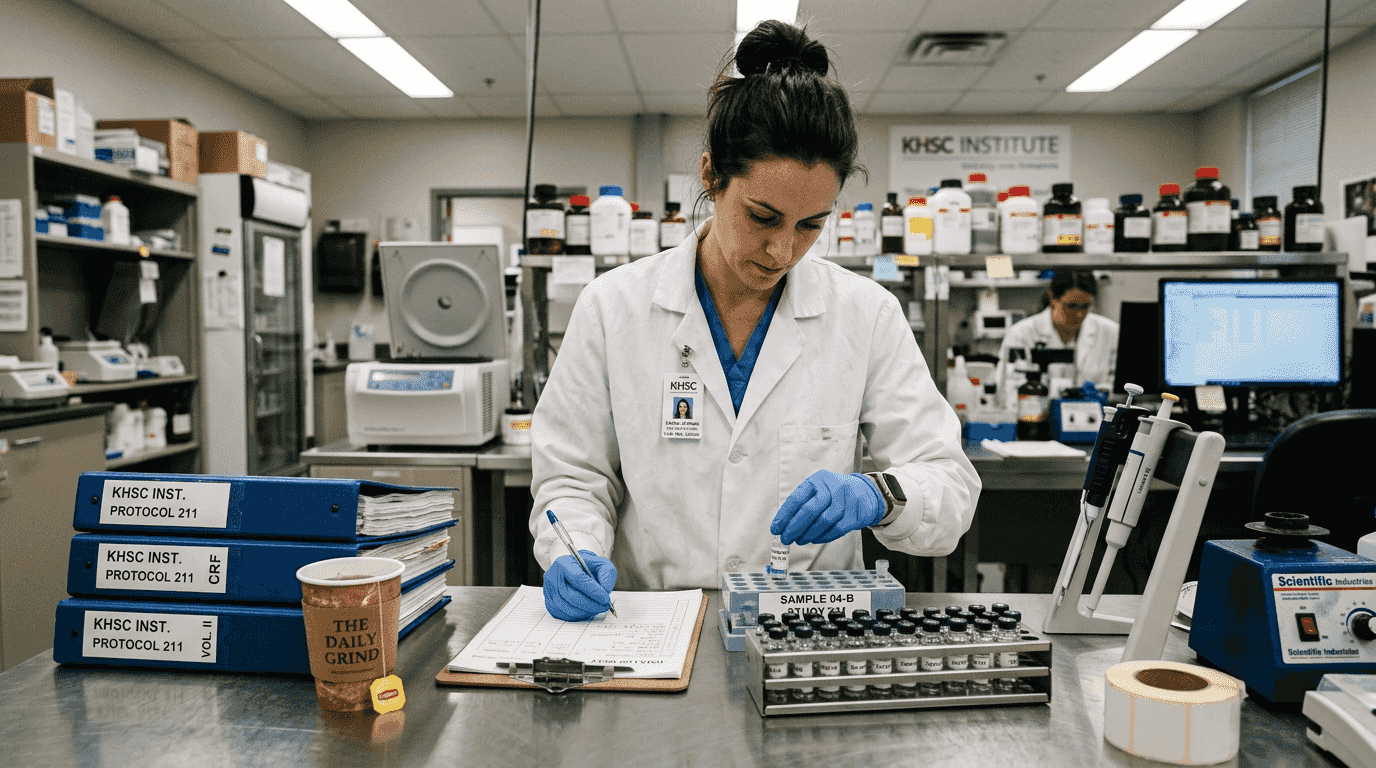
The trial represents a significant milestone. Previous psilocybin research focused primarily on high-dose therapy sessions conducted in clinical settings with extensive supervision. Home microdosing offers a different therapeutic model: regular sub-perceptual doses that patients self-administer as part of daily routines. This approach may prove more practical and accessible if proven safe and effective.
Generalized Anxiety Disorder affects approximately 5% of Canadian adults, highlighting substantial need for new treatment options. Conventional therapies include SSRIs and cognitive behavioral therapy, but many patients experience inadequate relief or intolerable side effects. Psilocybin microdosing could provide an alternative for treatment-resistant cases.
Challenges remain despite growing clinical acceptance. Systemic barriers include regulatory complexity, persistent stigma around psychedelic substances, and questions about long-term safety and efficacy. Researchers must navigate extensive approval processes, secure controlled substance licenses, and implement rigorous safety protocols that add cost and complexity to studies.
Microdosing differs fundamentally from standard psilocybin therapy in several key dimensions:
| Aspect | Standard Therapy | Microdosing |
|---|---|---|
| Dosing | 10-25mg single high dose | 0.1-0.5mg repeated low doses |
| Effects | Full psychedelic experience | Sub-perceptual, no hallucinations |
| Setting | Clinical supervision required | Potential home administration |
| Legal Status | Research exemptions only | Clinical trial access only |
| Risks | Acute psychological distress | Unknown long-term effects |
How microdosing clinical trials operate under Canadian law:
- Researchers submit detailed protocols to Health Canada demonstrating safety measures and scientific merit
- Health Canada reviews applications and grants controlled substance licenses if criteria are met
- Institutional review boards evaluate ethical considerations and participant protections
- Approved trials recruit participants meeting specific eligibility criteria
- Participants receive psilocybin under strict protocols with regular monitoring and data collection
- Results contribute to regulatory decisions about potential medical approvals
Pro Tip: Anyone considering microdosing should only participate through approved clinical trials with proper medical supervision. Unauthorized microdosing remains illegal and poses unknown health risks due to unregulated dosing and contamination concerns.
The research landscape is evolving rapidly. Results from current trials will inform Health Canada’s approach to potential therapeutic approvals and may influence future psilocybin trends in mental health treatment. However, the path from clinical research to approved medical products typically spans years and requires extensive evidence.
For Canadians interested in safe microdosing practices, legal access currently exists only through participation in approved clinical trials. Researchers continue recruiting participants for various studies, offering the only lawful pathway to experience psilocybin microdosing while contributing to scientific knowledge.
Practical legal considerations for Canadians interested in psilocybin use in 2026
Navigating psilocybin’s legal status requires understanding both prohibitions and limited exceptions. General possession, production, and sale remain criminal offenses carrying serious penalties. Unauthorized possession can result in fines, criminal records, and imprisonment depending on quantity and circumstances. Distribution charges carry even harsher consequences, particularly for commercial-scale operations.
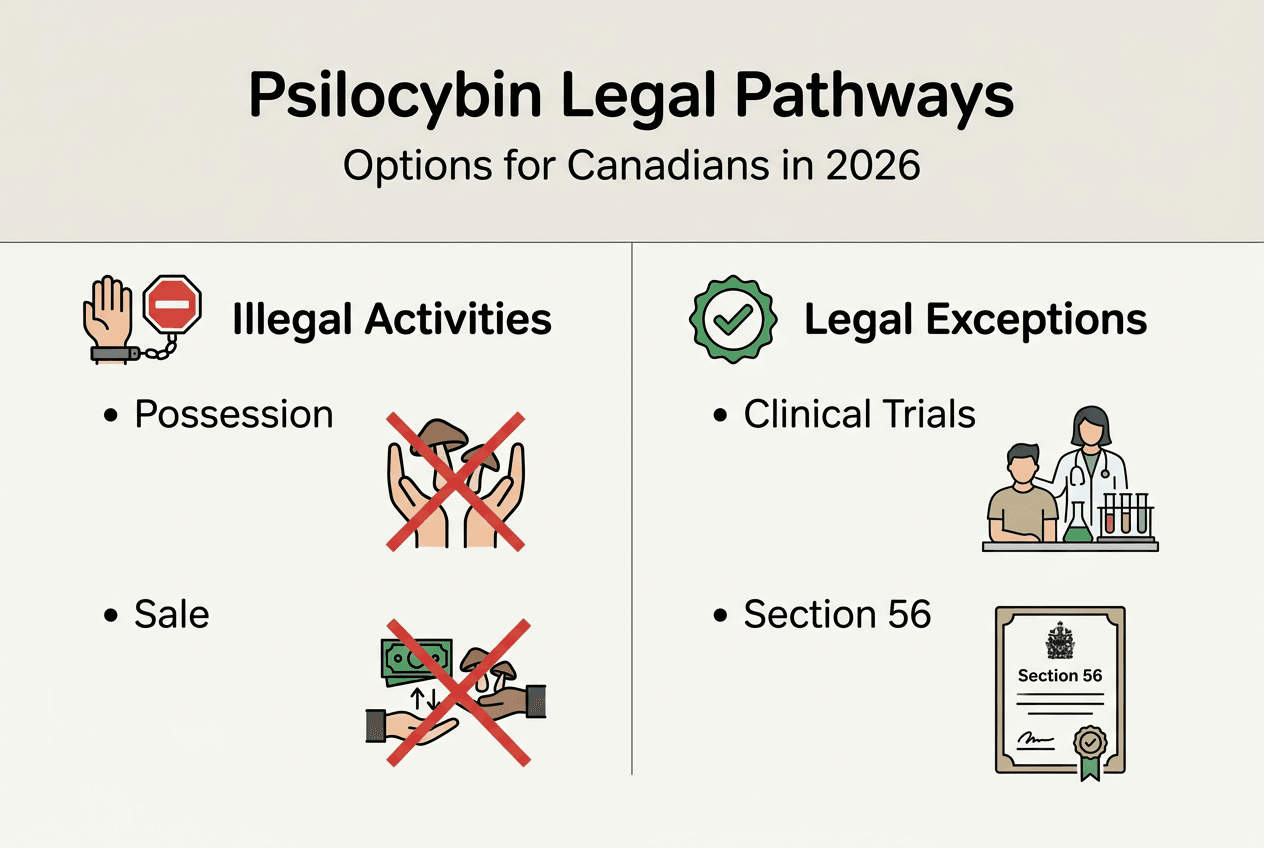
Limited legal pathways exist but require specific authorization. The Special Access Program allows physicians to request unauthorized drugs for patients with serious conditions when conventional treatments have failed. However, psilocybin requests face high rejection rates due to lack of approved therapeutic protocols and safety data. Clinical trial participation offers another route but requires meeting strict eligibility criteria and geographic proximity to research sites.
Ministerial exemptions under section 56 provide the broadest potential access but remain difficult to obtain. Applications must demonstrate medical necessity, scientific merit, or compelling public interest. Recent court rulings may expand exemptions for healthcare professionals, but general public access remains extremely limited.
Understanding the distinction between legal and illegal activities is crucial:
| Activity | Legal Status | Penalties | Exceptions |
|---|---|---|---|
| Personal possession | Illegal | Fines, criminal record, up to 3 years imprisonment | Section 56 exemption, clinical trial |
| Production/cultivation | Illegal | Up to 7 years imprisonment | Research license, clinical trial |
| Sale/distribution | Illegal | Up to 10 years imprisonment | Licensed research only |
| Spore possession | Legal in some areas | None if no cultivation | Becomes illegal if grown |
| Clinical trial participation | Legal with approval | None | Must meet eligibility criteria |
Risks extend beyond legal consequences. Unregulated psilocybin products may contain incorrect dosages, contamination, or misidentified species. Health Canada explicitly warns against intravenous injection of magic mushrooms, which has caused severe infections and deaths. Consuming psilocybin from unknown sources poses both legal and serious health risks.
For Canadians seeking legal access:
- Consult with healthcare providers about clinical trial opportunities in your area
- Research Special Access Program eligibility if you have treatment-resistant mental health conditions
- Stay informed about evolving exemption policies through psilocybin safety resources
- Avoid unregulated online or in-person sources claiming legal status
- Understand that possession remains illegal regardless of intended personal use
Pro Tip: Document any therapeutic interest in psilocybin with your healthcare provider. If legal pathways expand through policy changes or new clinical trials, having established medical records demonstrating treatment need may facilitate access through legitimate channels.
The legal landscape continues evolving through court decisions, research developments, and potential policy reforms. Staying informed about regulatory changes helps Canadians make safer decisions while respecting current legal boundaries. Resources about sourcing safe psychedelics can help distinguish legitimate pathways from illegal operations.
Anyone considering psilocybin use must weigh legal risks against potential benefits. Current prohibition means most access involves breaking federal law with associated consequences. Legal pathways exist but remain narrow and difficult to access for most Canadians. Understanding these realities enables informed decision-making about whether and how to pursue psilocybin experiences within or outside legal frameworks.
Explore expert guides and safe microdosing resources
Navigating psilocybin’s complex legal landscape requires trusted educational resources. Fungal Friend offers comprehensive guides designed specifically for Canadian users seeking to understand safe practices, dosage protocols, and evolving regulations. Our beginner microdosing guide explains foundational concepts for those new to sub-perceptual psilocybin use.
For readers ready to explore further, our 2026 psilocybin dosage guidelines provide up-to-date recommendations aligned with current research and safety considerations. Understanding proper dosing is essential whether participating in clinical trials or planning future therapeutic experiences. Our safe microdosing method resource outlines best practices for minimizing risks and optimizing potential benefits. These guides help you stay informed about legal compliance while preparing for expanded access as regulations evolve.
Frequently asked questions
Is psilocybin legal in Canada for personal use in 2026?
No, psilocybin remains illegal for personal possession, production, and sale without specific authorization. Federal prohibition under the Controlled Drugs and Substances Act applies uniformly across Canada regardless of local policies. Limited exceptions exist through section 56 exemptions, the Special Access Program, and participation in Health Canada-approved clinical trials, but these require formal approval and do not protect general personal use.
What is the status of psilocybin exemptions for healthcare professionals?
Recent Federal Court of Appeal decisions require Health Canada to reconsider exemption requests from healthcare professionals seeking experiential training in psilocybin-assisted psychotherapy. The court found blanket refusals unreasonable and ordered individualized assessment of applications. While this represents progress, exemptions remain discretionary and subject to ministerial approval. Healthcare professionals must demonstrate legitimate therapeutic training needs and meet strict criteria for authorization.
How are clinical trials shaping psilocybin research and legalization?
Health Canada-approved clinical trials test therapeutic applications under controlled conditions, with recent studies examining home microdosing for Generalized Anxiety Disorder. These trials aim to demonstrate safety and efficacy for potential medical product approvals. Results contribute to evolving regulatory understanding and may influence future laws governing therapeutic access. Clinical trials currently represent one of the few legal pathways for Canadians to access psilocybin while advancing scientific knowledge about its medical potential.
Can I legally grow psilocybin mushrooms for personal research?
No, cultivating psilocybin mushrooms remains illegal without specific research licenses from Health Canada. While spores may be legal in some areas because they contain no psilocybin, growing them into mature mushrooms produces controlled substances. Cultivation for personal use, research, or any unauthorized purpose violates federal law and carries penalties including imprisonment. Only licensed researchers with proper authorization may legally cultivate psilocybin mushrooms.
What penalties do I face for unauthorized psilocybin possession?
Unauthorized possession of psilocybin can result in criminal charges carrying fines, criminal records, and imprisonment up to three years. Penalties increase significantly for production and distribution, with cultivation carrying up to seven years and sale up to ten years imprisonment. Consequences depend on quantity, circumstances, and prior criminal history. Even small amounts for personal use can result in criminal prosecution and lasting legal consequences affecting employment, travel, and other life areas.
Where can I find legal psilocybin therapy in Canada?
Legal psilocybin therapy access is extremely limited in 2026. Options include participating in Health Canada-approved clinical trials, seeking Special Access Program authorization through your physician for serious treatment-resistant conditions, or applying for section 56 exemptions if you qualify. Geographic availability varies as most clinical trials operate in specific cities. Consult with mental health professionals about legitimate pathways rather than pursuing unauthorized therapy options that violate federal law.