
How to safely buy magic mushrooms in Canada: 2026 guide
TL;DR:
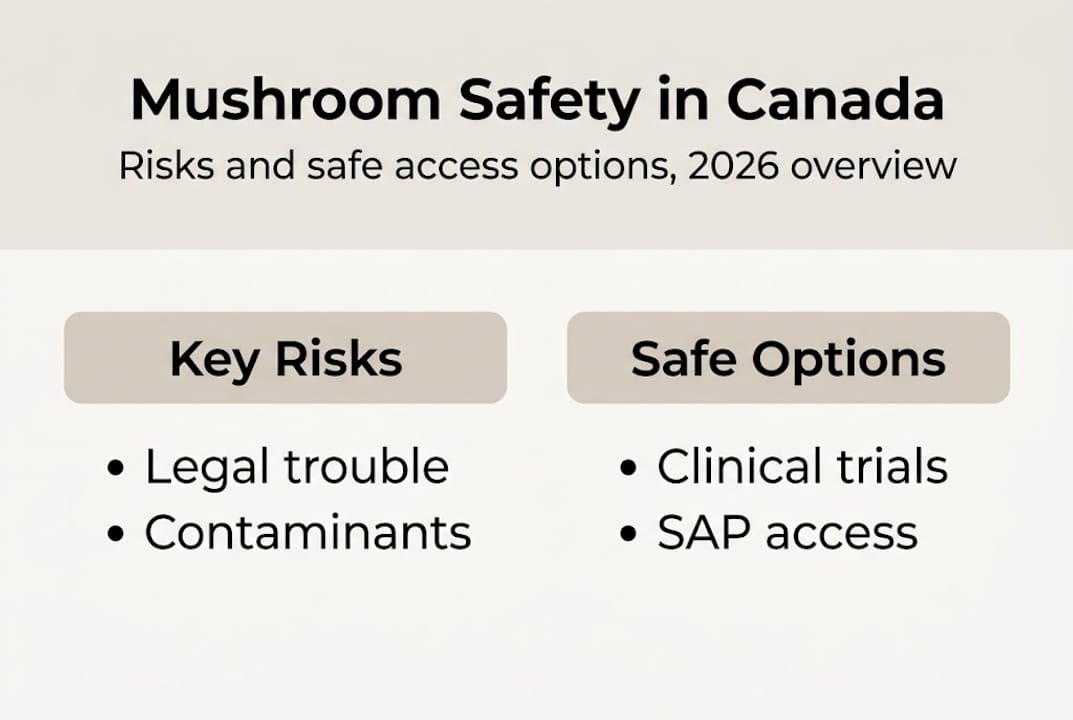
- Buying or possessing magic mushrooms illegally in Canada is a criminal offense with significant health risks.
- Legal access requires participation in clinical trials, Special Access Program, or Section 56 exemptions.
- Unregulated sources pose dangers like contamination, dosage inconsistency, and legal consequences.
Thousands of Canadians are searching for ways to buy magic mushrooms right now, drawn by real stories about mood improvement, sharper focus, and relief from anxiety. But the gap between what’s being sold online and what’s actually legal is enormous, and most people don’t realize how much risk they’re taking on. Unregulated products, criminal liability, and wildly inconsistent dosing are just a few of the traps waiting for curious buyers. This guide cuts through the noise to give you a clear picture of what’s legal, what’s genuinely safe, and what the research actually says about psilocybin in Canada.
Table of Contents
- Understanding the legal status of magic mushrooms in Canada
- Safe access routes: How Canadians can legally explore psilocybin
- Risks and realities of buying from illegal sources
- Microdosing safely: Evidence, protocols, and what to expect
- The uncomfortable truth about buying magic mushrooms in Canada
- Explore safer alternatives and informed guides
- Frequently asked questions
Key Takeaways
| Point | Details |
|---|---|
| Magic mushrooms remain illegal | Buying or possessing magic mushrooms is criminalized in Canada outside strict medical exemptions. |
| Legal access is tightly controlled | Official channels include clinical trials, the Special Access Program, and rare Section 56 exemptions. |
| Unregulated products are risky | Dispensaries and online sellers operate illegally and may misrepresent safety and potency. |
| Microdosing has mixed evidence | Some users report day-of benefits but most clinical studies show minimal or placebo-level impact. |
| Consult credible guides and providers | For mental wellness, provider consultation and following evidence-backed resources are the safest ways forward. |
Understanding the legal status of magic mushrooms in Canada
Let’s start with the hard truth. Psilocybin is Schedule III controlled, meaning buying, selling, or possessing magic mushrooms without special federal authorization is a criminal offense in Canada. This isn’t a gray area. The law applies whether you’re picking them up from a friend, ordering online, or walking into a storefront.
Yet dispensaries have been popping up in major cities for years. Illegal dispensaries in Toronto and Vancouver operate openly, selling capsules, edibles, and dried mushrooms with almost no oversight. They look legitimate. Some even have loyalty programs and branded packaging. But operating without a federal license means there’s zero accountability for what’s actually in those products.
Here’s a quick comparison of what’s legal versus what most people encounter:
| Access type | Legal status | Regulated? | Safe? |
|---|---|---|---|
| Street or friend purchase | Illegal | No | No |
| Unlicensed dispensary | Illegal | No | No |
| Online unregulated seller | Illegal | No | No |
| Special Access Program (SAP) | Legal | Yes | Supervised |
| Section 56 exemption | Legal | Yes | Supervised |
| Approved clinical trial | Legal | Yes | Fully monitored |
“The widespread availability of illegal psilocybin products gives many Canadians a false sense of safety. Legality and accessibility are not the same thing.”
The health consequences go beyond legal risk. Products from unlicensed sources may contain contaminants, incorrect dosages, or entirely different substances. Without lab testing or regulatory oversight, you’re essentially trusting a stranger with your brain chemistry.
If you want to understand your options properly, reviewing legal psilocybin access in Canada is a smart starting point. For a deeper breakdown of how the law has evolved, the psilocybin legal status page walks through the regulatory history and what recent approvals actually mean.
The bottom line: the legal framework in Canada does not currently support recreational or casual therapeutic use of magic mushrooms. The pathways that do exist are narrow, medically supervised, and require significant justification.
Safe access routes: How Canadians can legally explore psilocybin
If you’re serious about psilocybin for mental wellness, there are three legitimate pathways. None of them are quick or easy, but all of them protect you legally and medically.
1. Clinical trials
Participating in an approved clinical trial is one of the most accessible legal routes. Trials are ongoing across Canada for conditions like treatment-resistant depression and PTSD. You’ll receive psilocybin in a controlled setting with medical monitoring. Eligibility varies by trial, but most require a formal diagnosis and a referral from a healthcare provider.
2. Special Access Program (SAP)
The SAP allows physicians to request access to restricted substances for patients with serious or life-threatening conditions when other treatments have failed. Your doctor must apply on your behalf. It’s not a self-serve process.
3. Section 56 exemptions
Section 56 of the Controlled Drugs and Substances Act allows Health Canada to grant exemptions for scientific, medical, or public interest purposes. Therapists and healthcare providers have used this route for training and patient treatment. However, Section 56 approvals are declining under new regulatory pressure, making this pathway less reliable than it was two years ago.
According to federal guidelines on legal access, these three routes remain the only authorized channels for psilocybin use in Canada.
Here’s a realistic look at each pathway:
| Pathway | Who qualifies | Approval speed | Practical difficulty |
|---|---|---|---|
| Clinical trial | Specific diagnoses | Varies | Moderate |
| SAP | Serious/life-threatening conditions | Weeks to months | High |
| Section 56 | Medical/research professionals | Months | Very high |
Pro Tip: If you’re exploring the SAP route, start by speaking with a psychiatrist or GP who has experience with psychedelic-assisted therapy. They’ll know whether your situation qualifies and can navigate the application process with you.
Watch out for services advertising “easy” or “guaranteed” psilocybin access. No legitimate provider can promise fast approval. If someone claims otherwise, that’s a red flag worth taking seriously. For a full breakdown of what these legal considerations mean for everyday Canadians, the legal considerations for psilocybin page is worth reading before you take any steps.
Risks and realities of buying from illegal sources
Let’s talk about what actually happens when people buy magic mushrooms outside the legal system, because the risks are often downplayed in online wellness communities.
Illegal sellers have gotten very good at looking credible. Microdose capsules come in sleek packaging. Edibles are labeled with milligram counts. Websites use clinical language and cite research. But looking professional is not the same as being safe or accountable.
Over 57 illegal dispensaries operate across Canadian cities, and fewer than one-third of them provide meaningful risk information to customers. That means most buyers have no idea what a dangerous reaction looks like, who to call if something goes wrong, or whether the dose they took is anywhere near what the label claims.
Here’s what you’re actually risking:
- Criminal record: Possession of a Schedule III substance can result in fines or imprisonment, even for first-time buyers.
- Contaminated products: Without lab testing, products may contain heavy metals, pesticides, or misidentified fungi.
- Dosage inconsistency: Homemade capsules vary widely in actual psilocybin content, making safe dosing nearly impossible.
- No medical oversight: If you have an underlying condition or take medications, there’s no one checking for dangerous interactions.
- Psychological risk: High or unexpected doses without support can trigger acute anxiety, paranoia, or lasting distress.
Pro Tip: If you’re drawn to microdosing for productivity or mood, the appeal is completely understandable. But the safest version of that curiosity starts with education, not a purchase. Understanding why legality matters for your personal safety is worth your time before anything else.
The wellness framing around illegal psilocybin products is sophisticated and often convincing. That’s exactly what makes it risky. Marketing language doesn’t change the legal or health realities.
Microdosing safely: Evidence, protocols, and what to expect
Microdosing means taking sub-perceptual doses of psilocybin, amounts small enough that you don’t feel high but may notice subtle shifts in mood, focus, or creativity. The standard protocol involves 0.1 to 0.2 grams dried every 2 to 3 days, often following a schedule like one day on, two days off.
The research picture is more nuanced than wellness influencers suggest. Self-reported data from microdosers tends to be positive on dosing days, with users noting improved mood on dosing days alongside some inconsistencies and risks. But when you look at randomized controlled trials (RCTs), the results are more sobering. RCT evidence shows placebo-level results for depression outcomes, and some studies flag possible impacts on cognitive control with repeated use.
What this means practically:
- Acute mood and creativity improvements are real for many users, but they may not persist long-term.
- Placebo effect likely plays a significant role in reported benefits.
- People with personal or family history of psychosis, schizophrenia, or bipolar disorder face elevated risk and should not microdose without medical supervision.
- Drug interactions with SSRIs, lithium, and other psychiatric medications are not fully understood.
If you’re going to explore microdosing, start with the most conservative dose possible. Detailed psilocybin dosage guidelines can help you understand what different amounts actually do. A thorough microdosing guide will walk you through protocols, schedules, and what to watch for. And if you’re brand new to this, the beginner microdosing guide is the right place to start before you make any decisions.
Stop microdosing immediately if you notice increased anxiety, emotional instability, or any signs of perceptual disturbance. These are signals to consult a healthcare provider, not push through.
The uncomfortable truth about buying magic mushrooms in Canada
Here’s something the wellness industry won’t tell you: the narrative that “everyone’s doing it safely” is doing real harm. It normalizes a purchasing behavior that carries genuine legal and health risk, and it drowns out the voices of people who have had serious adverse reactions from unregulated products.
We’ve seen the marketing evolve. What used to be sold in back alleys now comes in branded boxes with QR codes and Instagram accounts. That polish creates a false equivalence with regulated health products. It isn’t the same thing.
The people most likely to be hurt are those who are new to psychedelics, have undiagnosed mental health conditions, or are taking medications with unknown interaction profiles. They’re also the most likely to be drawn in by wellness messaging that promises transformation without mentioning risk.
What actually works if you value safety and legal peace of mind? Start with education. Understand the legal landscape through a legal psilocybin guide built for Canadians. Talk to a healthcare provider who takes psychedelic medicine seriously. If you pursue a legal pathway, do it with proper support in place. The evidence for psilocybin’s therapeutic potential is genuinely exciting. But that potential is best realized through careful, informed, supervised use, not a rushed online purchase.
Explore safer alternatives and informed guides
If you’re determined to explore psilocybin safely, the smartest move is building your knowledge base before anything else. Fungal Friend offers Canadian-focused resources designed to help you understand dosing, safety protocols, and the legal landscape without the guesswork.
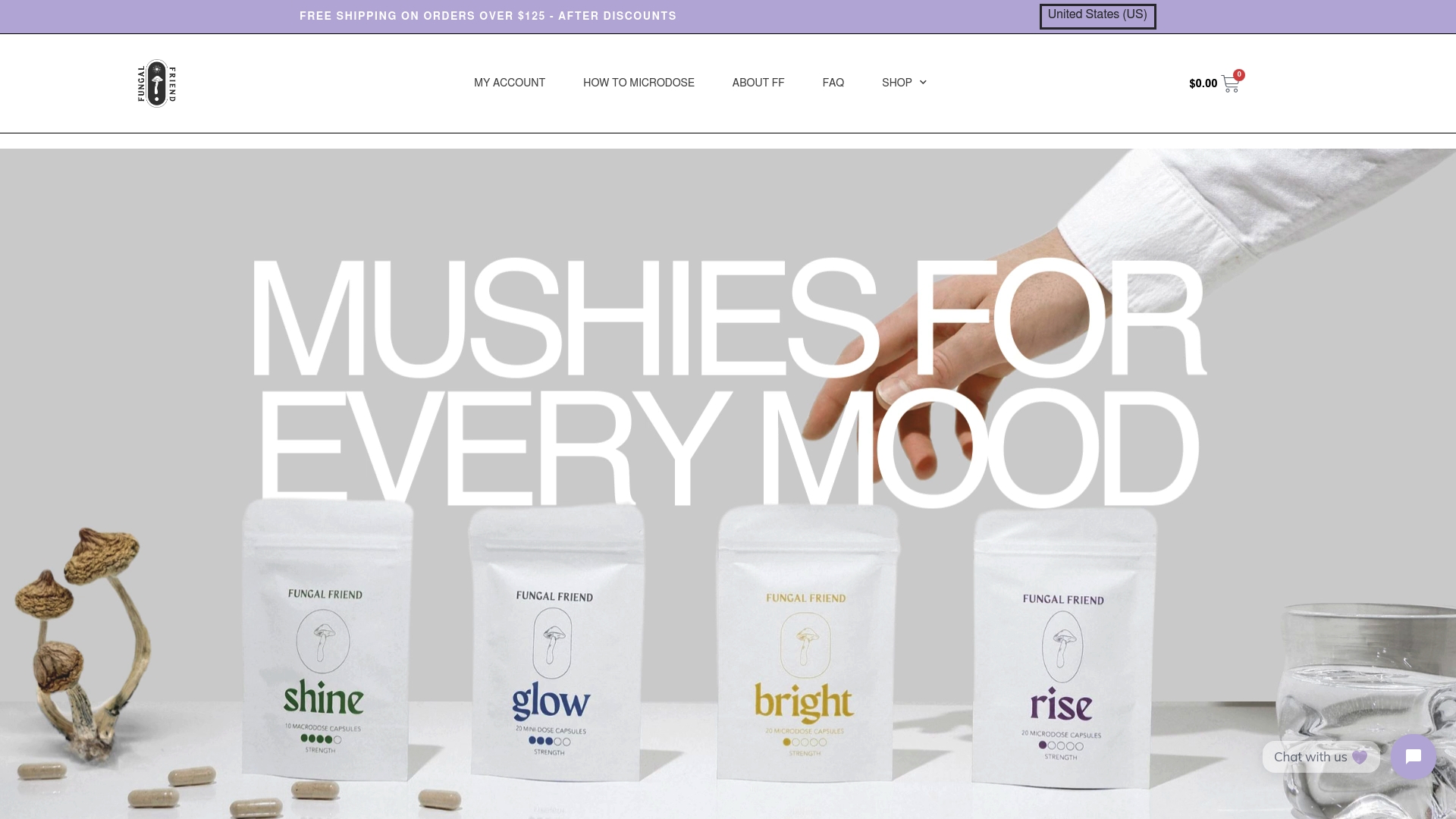
From detailed psilocybin microdosing guide content to precise psilocybin dosage guidelines for first-time and experienced users, the goal is to give you the information you need to make genuinely informed decisions. Whether you’re exploring microdosing for focus, mood support, or deeper therapeutic work, start with the evidence and work from there.
Frequently asked questions
Is it legal to buy magic mushrooms in Canada for personal use?
No. Psilocybin is controlled under federal law, making it illegal to buy or possess magic mushrooms without specific medical authorization. There are no legal recreational purchase options currently available.
What are the legal ways to access psilocybin in Canada?
Only clinical trials, SAP, and Section 56 exemptions allow legal psilocybin access, all of which require medical justification and federal approval. None of these are available for casual or self-directed use.
Are online microdose products safe or reliable?
Most are not. Illegal dispensaries lack safety guardrails and sell products with no lab testing, inconsistent dosing, and little to no risk disclosure. Buying from these sources carries both legal and health consequences.
Does microdosing psilocybin actually improve mood or productivity?
Some users report real improvements on dosing days, but RCTs show minor effects versus placebo over time. The evidence supports cautious optimism, not guaranteed results.