
Why choose natural psychedelics? Evidence, safety, insights
Most people assume that anything labeled “natural” is automatically safer, gentler, or more trustworthy than its synthetic counterpart. When it comes to psychedelics, that assumption is both partly right and worth examining carefully. Psilocybin, the active compound in magic mushrooms, has captured the attention of thousands of Canadians curious about natural support for anxiety, focus, and personal growth. The research is growing, the conversations are shifting, and the questions are getting sharper. This guide cuts through the noise to give you an honest, evidence-based look at what natural psychedelics actually are, what the science says, and how to think about them responsibly.
Table of Contents
- Understanding natural psychedelics and their appeal
- Evidence for natural psychedelics: mental health and wellness benefits
- How do natural psychedelics compare to other mental health options?
- Practical guide: considering and using natural psychedelics safely
- A fresh look: what most guides miss about natural psychedelics
- Learn more and explore safe microdosing with Fungal Friend
- Frequently asked questions
Key Takeaways
| Point | Details |
|---|---|
| Natural psychedelics defined | Natural psychedelics like psilocybin are plant-based and distinct from synthetic alternatives. |
| Evidence is promising but mixed | Studies show self-reported benefits but clinical trials reveal inconsistent results for anxiety and focus. |
| Legal status is restrictive | Psilocybin remains illegal in Canada except through clinical trials and special access programs. |
| Safety and guidance are crucial | Careful dosing, legal awareness, and professional support are vital for anyone considering microdosing. |
Understanding natural psychedelics and their appeal
The term “natural psychedelic” refers to psychoactive compounds that occur in plants, fungi, or other organisms without chemical synthesis. Psilocybin from mushrooms, mescaline from peyote cacti, and DMT from certain plant combinations are the most well-known examples. They have been used in ceremonial and healing contexts across cultures for centuries, long before clinical research existed.
What sets them apart from synthetic psychedelics like LSD or MDMA is their origin and, for many users, their perceived relationship to nature and tradition. That perception matters. Many Canadians view natural psychedelics as a gentler alternative for mental wellness, partly because of their long history of human use and partly because they feel less “pharmaceutical” in character.
Here is what draws people toward natural options:
- Traditional use: Centuries of ceremonial context create a sense of cultural grounding
- Perceived gentleness: Many users report feeling more in control compared to synthetic alternatives
- Lower stigma: The wellness and plant medicine communities have normalized psilocybin conversations
- Holistic framing: Natural psychedelics are often discussed alongside meditation, therapy, and lifestyle practices
That said, “natural” does not mean risk-free. Psilocybin is still a powerful compound that affects serotonin receptors and can produce intense psychological experiences at higher doses.
On the legal side, the picture is clear but complicated. Psilocybin remains Schedule III under Canada’s Controlled Drugs and Substances Act as of 2026, meaning possession, sale, and production remain federally illegal outside of specific exemptions. Access is limited to clinical trials and Special Access Program approvals for serious conditions. Understanding this reality is the first step before exploring any further.
“The growing interest in natural psychedelics reflects a broader cultural shift toward self-directed mental wellness, but legal and safety frameworks still matter enormously.”
Evidence for natural psychedelics: mental health and wellness benefits
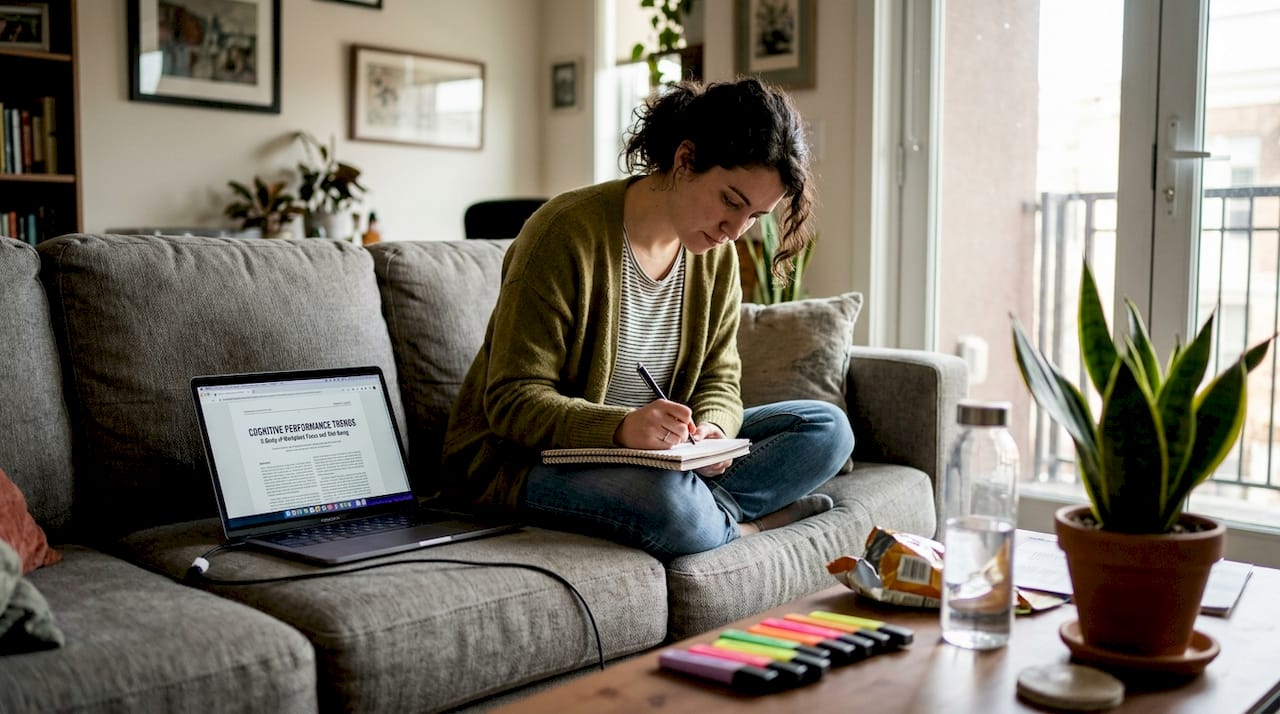
The research landscape for microdosing psilocybin has expanded quickly, and the findings are genuinely interesting, though not without nuance. Most of the positive data comes from observational studies and self-reports, where participants describe their own experiences rather than being measured in controlled lab settings.
Self-reported microdosing benefits consistently include reduced anxiety, sharper focus, improved mood, and greater emotional openness. Many participants in large-scale surveys report higher well-being and productivity on dosing days compared to non-dosing days. These patterns are consistent enough to take seriously.
| Reported benefit | Evidence type | Strength of evidence | Key limitation |
|---|---|---|---|
| Anxiety reduction | Self-report, some RCTs | Moderate | Placebo effects significant |
| Focus enhancement | Self-report | Moderate | Expectancy bias likely |
| Mood improvement | Self-report, observational | Moderate | No long-term data |
| Depression relief | Mixed RCT results | Low to moderate | Small sample sizes |
However, RCTs on microdosing for depression and anxiety show mixed results. Several randomized controlled trials have found that placebo groups perform nearly as well as psilocybin groups on key mental health measures. This does not mean microdosing does nothing. It means the mechanism may be more complex than a simple pharmacological effect.
Limitations worth knowing before you form an opinion:
- Most studies rely on self-selected participants who already believe in microdosing
- Expectancy bias (believing something will work) can produce real psychological changes
- Legal barriers make large-scale, rigorous clinical trials difficult to run
- Long-term safety data beyond 12 months is still limited
The honest takeaway? The science of microdosing is promising but not yet conclusive. Treating it as a guaranteed solution oversells the evidence. Treating it as worthless ignores a real and growing body of experience.
How do natural psychedelics compare to other mental health options?
Putting natural psychedelics into context helps you make smarter decisions. Here is how they compare to other commonly used approaches:
| Approach | Effectiveness | Safety profile | Accessibility | Legal status |
|---|---|---|---|---|
| Psilocybin microdosing | Promising, mixed RCTs | Generally safe at low doses | Limited, illegal outside trials | Schedule III in Canada |
| Prescription antidepressants | Well-established | Known side effects | Widely available | Legal with prescription |
| Psychotherapy (CBT, etc.) | Strong evidence base | Very safe | Moderate, cost barriers | Fully legal |
| Synthetic psychedelics | Variable | Higher risk profile | Illegal, unregulated | Illegal |
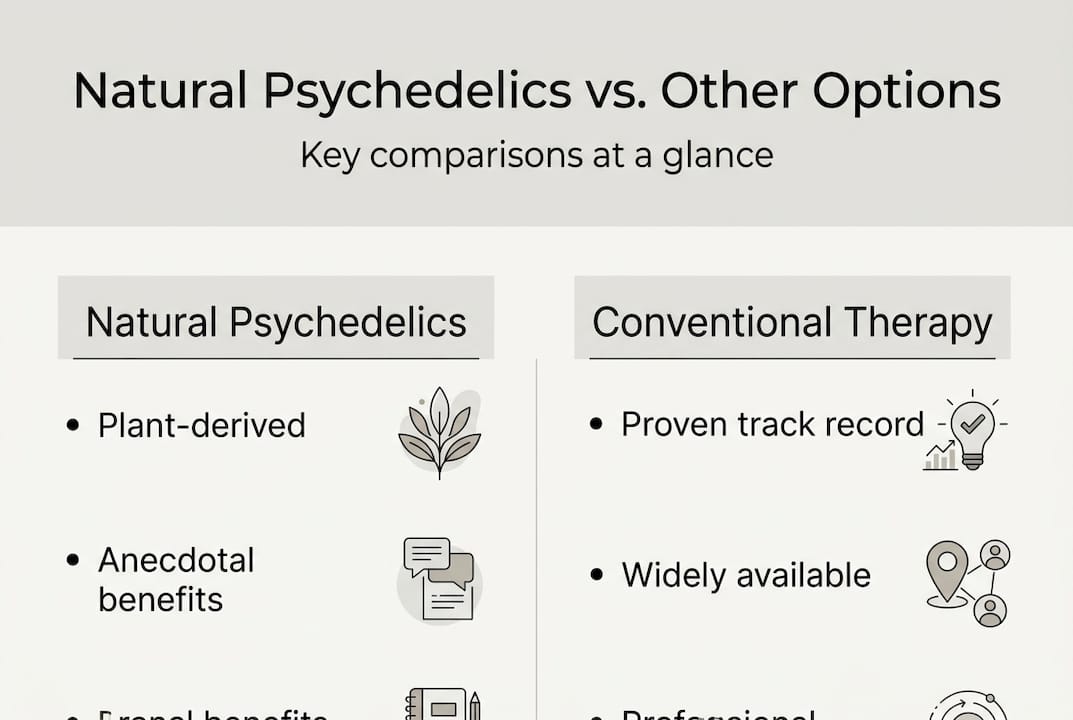
The empirical data favors macrodosing over microdosing in terms of measurable clinical outcomes, and researchers note that microdosing benefits are likely influenced by placebo effects, though the practice appears generally safe at low doses. That is an important distinction. Safe and effective are not the same thing.
Natural psychedelics may fit your situation if:
- You are already engaged in therapy and want a complementary practice
- You have explored conventional options and want to understand alternatives
- You are participating in a legal clinical trial or research program
- You prioritize self-directed wellness with careful tracking
They may not be the right fit if:
- You have a personal or family history of psychosis or schizophrenia
- You are on medications that interact with serotonin pathways
- You are looking for a quick fix without lifestyle or mindset work
Pro Tip: Combining microdosing with structured psychedelic-assisted therapy tends to produce better outcomes than either approach alone, according to emerging clinical frameworks. The integration work matters as much as the substance itself.
Practical guide: considering and using natural psychedelics safely
If you are seriously considering natural psychedelics, preparation is everything. Jumping in without research is one of the most common mistakes people make, and it is entirely avoidable.
Here is a practical starting checklist:
- Research thoroughly: Read peer-reviewed sources, not just forums or social media
- Check the legal landscape: Confirm your understanding of psilocybin laws in Canada for 2026
- Review your health history: Speak with a doctor, especially if you take any medications
- Identify your intention: Clarity about why you are exploring this shapes outcomes significantly
- Build a support network: Have a trusted person who knows what you are doing
- Start at the lowest dose: Microdosing protocols recommend 0.1 to 0.5 grams of dried mushrooms as a starting range
- Track your experience: Keep a journal of mood, sleep, focus, and any side effects
- Integrate what you learn: Reflection and lifestyle practices amplify outcomes
On dosing specifically, 0.1 to 0.5 grams of dried mushrooms is the widely cited microdose range, roughly equivalent to 10 to 25mg of psilocybin. At this level, most people do not experience perceptual changes. The goal is subtle shifts in mood and cognition, not a full psychedelic experience.
Pro Tip: Log every session in a dedicated notebook or app. Note the dose, timing, setting, and how you felt before and after. Patterns emerge over weeks that you simply cannot track from memory alone.
Important: This guide is for educational purposes only. Psilocybin remains federally illegal in Canada outside of authorized clinical or research settings. Nothing here constitutes legal or medical advice. Always prioritize harm reduction and consult qualified professionals before making any decisions.
For those wanting to explore safe microdosing practices in more depth, understanding the full spectrum of legal access options in Canada is a critical first step before anything else.
A fresh look: what most guides miss about natural psychedelics
Here is something most articles will not tell you directly: a significant portion of the benefit people experience from microdosing may come from the act of intentional self-care itself, not the compound. When you decide to track your mood, reduce alcohol, sleep better, and reflect daily because you are “on a protocol,” those changes produce real results. The psilocybin may be amplifying a shift you were already making.
This is not a reason to dismiss natural psychedelics. It is a reason to respect them more carefully. The real-life outcomes people report are genuine. But they depend heavily on context, mindset, and the support structures around the experience.
More is not better here. Lower doses with consistent integration work tend to outperform higher doses taken without reflection. The people who seem to get the most from natural psychedelics are not chasing intensity. They are building a practice. That distinction changes everything about how you approach this.
Learn more and explore safe microdosing with Fungal Friend
If this guide has sparked genuine curiosity, the next step is getting access to resources built specifically for Canadians navigating this space in 2026.
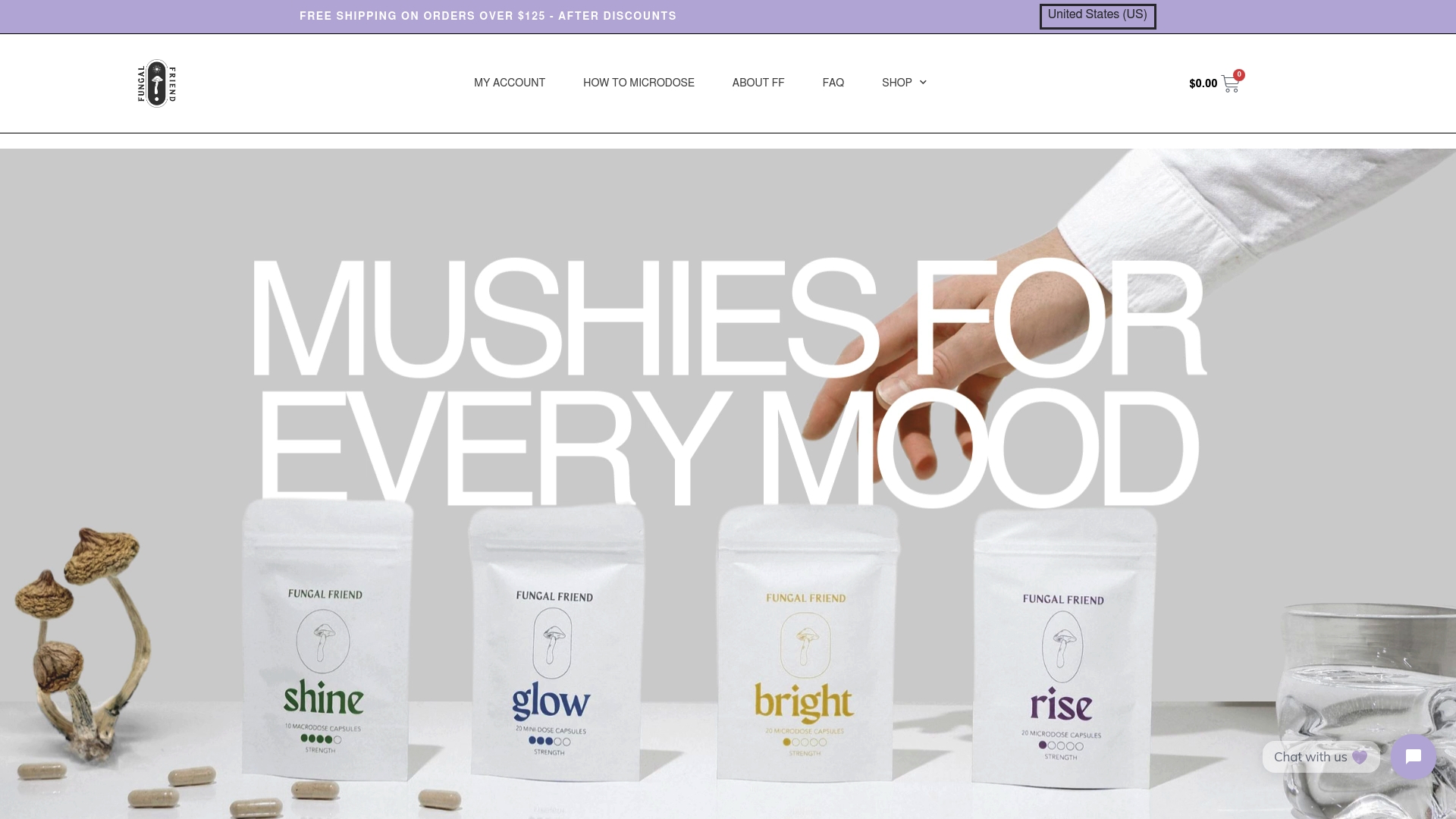
At Fungal Friend, we have put together a safe psilocybin microdosing guide that walks you through everything from dose ranges to tracking methods, written with Canadian legal realities in mind. Whether you are brand new to this or already familiar with the basics, our beginner’s microdosing guide offers a grounded, practical starting point. You can also explore our psilocybin dosage guidelines for 2026 to understand exactly what responsible use looks like before you make any decisions.
Frequently asked questions
Is it legal to use psilocybin microdosing in Canada in 2026?
No, psilocybin remains federally illegal in Canada except through clinical trials or Special Access Program exemptions approved for serious medical conditions.
What is the safest way to try natural psychedelics for wellness?
The safest legal path is participating in an authorized clinical trial or consulting a regulated healthcare professional who can explore exemption options with you.
Do microdosing psilocybin studies show real benefits?
Self-reported outcomes consistently show mood and focus improvements, but controlled clinical trials show mixed results with significant placebo effects, meaning the full picture is more nuanced than headlines suggest.
How much psilocybin is considered a microdose?
A microdose typically ranges from 0.1 to 0.5 grams of dried mushrooms, which is roughly equivalent to 10 to 25mg of psilocybin, well below the threshold for perceptual effects.