
What Is a Psychedelic Experience? 60-80% Mental Health Benefit
Many Canadians believe psychedelic experiences are unpredictable and dangerous, but modern research tells a different story. Clinical studies show 60 to 80% patient improvement and low addiction potential in controlled settings. You’ll learn what psychedelic experiences actually are, how different doses affect you, and the expanding legal pathways in Canada for safe access.
Table of Contents
- Understanding Psychedelic Experiences: Definition And Neurobiology
- Therapeutic And Transformative Effects Of Psychedelic Experiences
- Microdosing Vs. Full Psychedelic Doses: What To Expect
- Common Misconceptions And Safety Considerations
- Legal Status And Safe Access To Psilocybin In Canada
- How To Prepare For And Integrate A Psychedelic Experience
- Explore Safe, Legal Psilocybin Products And Guides At Fungal Friend
Key Takeaways
| Point | Details |
|---|---|
| Neural Mechanism | Psychedelic experiences alter consciousness via serotonin 2A receptor activation in the brain. |
| Therapeutic Evidence | Controlled studies demonstrate 60 to 80% symptom improvement in anxiety and depression patients. |
| Microdosing Benefits | Sub-perceptual doses enhance mood and cognition without hallucinations or impairment. |
| Safety Profile | Low addiction potential and manageable risks when used with proper guidance and setting. |
| Canadian Access | Over 400 legal exemptions granted through Health Canada special access programs. |
Understanding Psychedelic Experiences: Definition and Neurobiology
A psychedelic experience is an altered state of consciousness driven primarily by serotonin 2A receptor activation in your brain. This receptor interaction changes how neural networks communicate, affecting perception, mood, and cognition. You might experience visual changes, emotional shifts, or novel thought patterns depending on dose and individual factors.
The neurobiology involves three key mechanisms:
- Serotonin 2A receptor binding triggers cascading changes across multiple brain regions
- Brain-wide network reorganization allows unusual cross-talk between normally separate circuits
- Neural plasticity promotes lasting rewiring relevant to mood regulation and cognitive flexibility
Psychedelics induce lasting neural plasticity and rewiring relevant to mood regulation and cognitive flexibility, according to Cornell research.
These brain changes explain both immediate effects and longer-term therapeutic benefits. When psilocybin binds to serotonin receptors, it disrupts your default mode network, the brain system responsible for self-referential thinking and rigid thought patterns. This temporary disruption creates space for new perspectives and emotional processing.
The legality of psilocybin in Canada is evolving as research confirms these mechanisms. Understanding the science helps you approach psychedelic experiences with realistic expectations and respect for their profound effects on consciousness.
Therapeutic and Transformative Effects of Psychedelic Experiences
Psilocybin can induce what researchers call mystical-type experiences, moments of profound unity, transcendence, and personal meaning that often persist long after the session ends. These aren’t just pleasant memories. They correlate with measurable improvements in mental health outcomes.
Clinical trials demonstrate 60 to 80% of patients show significant improvement in anxiety and depression symptoms following psilocybin-assisted therapy. That success rate exceeds most conventional treatments. The key difference lies in therapeutic context, where trained professionals guide preparation, the session itself, and integration afterward.
Therapeutic benefits include:
- Rapid relief from treatment-resistant depression and anxiety
- Reduced fear and distress in patients facing terminal illness
- Breaking addictive patterns in substance use disorders
- Enhanced emotional processing and self-compassion
- Lasting improvements in well-being and life satisfaction
The transformative potential goes beyond symptom reduction. Many participants report shifts in values, relationships, and sense of purpose. These changes stem from the neuroplasticity window psychedelics open, allowing your brain to form new patterns rather than defaulting to old, unhelpful ones.
Understanding psychedelic therapy benefits helps you see why this approach differs from simply taking medication. The experience itself, combined with therapeutic support, drives the healing. This is why set, setting, and integration matter as much as the substance.
The mental wellness benefits extend to healthy individuals seeking personal growth, not just those with diagnosed conditions. You don’t need to be in crisis to benefit from the insights and emotional release these experiences can provide.
Microdosing vs. Full Psychedelic Doses: What to Expect
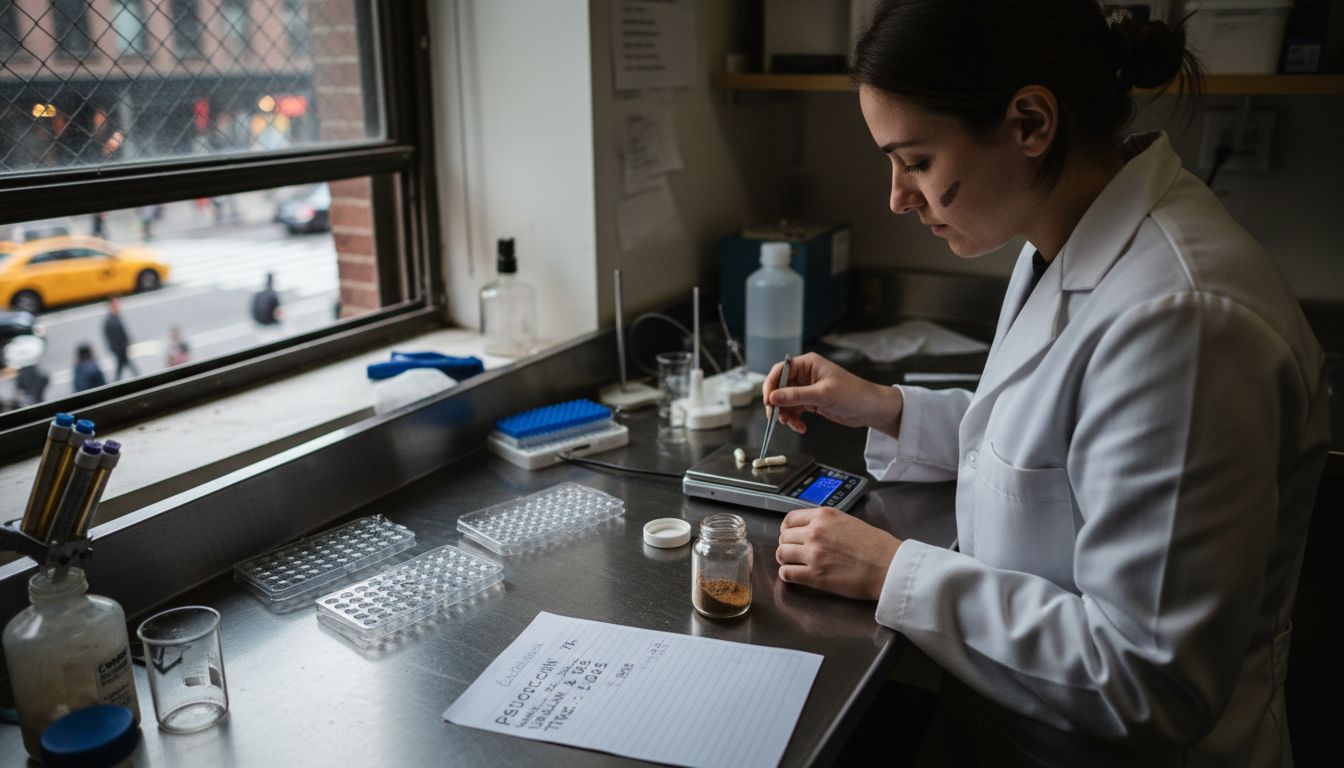
Microdosing involves taking approximately 0.1 to 0.3 grams of psilocybin, producing sub-perceptual effects that enhance mood and cognition without hallucinations. You won’t see walls breathing or experience ego dissolution. Instead, you might notice improved focus, emotional balance, and creative thinking throughout your day.
Full psychedelic doses typically range from 1 to 3.5 grams or more, creating profound alterations in consciousness. These sessions require dedicated time, a safe environment, and ideally professional or peer support.
| Aspect | Microdosing | Full Dose |
|---|---|---|
| Typical Amount | 0.1 to 0.3 grams | 1.5 to 3.5+ grams |
| Perceptual Changes | Minimal to none | Significant visual and sensory shifts |
| Hallucinations | No | Yes, often vivid |
| Best Setting | Daily routine | Dedicated safe space with support |
| Primary Intent | Mood and cognition boost | Therapeutic breakthrough or spiritual exploration |
Common uses for microdosing:
- Daily mood enhancement and anxiety reduction
- Improved focus and productivity at work
- Creative problem-solving and idea generation
- Gradual emotional healing without disruption
Common uses for full doses:
- Deep therapeutic work on trauma or depression
- Spiritual or mystical experiences
- Breaking through stuck patterns or beliefs
- Profound personal insights and transformation
Pro tip: If you’re new to psychedelics, start with microdosing explained protocols to build familiarity with how psilocybin affects your system. This gradual approach minimizes risks and helps you determine if higher doses align with your goals. Many experienced users still prefer microdosing for its sustainable, non-disruptive benefits.
The microdose effects guide provides detailed protocols for finding your optimal sub-perceptual dose. What works perfectly for one person might be too much or too little for another.
Common Misconceptions and Safety Considerations
You’ve probably heard that psychedelics cause psychosis, addiction, or uncontrollable bad trips. Research shows these fears are largely unfounded when substances are used responsibly. Classic psychedelics have very low addiction potential and controlled use rarely causes lasting psychological harm.
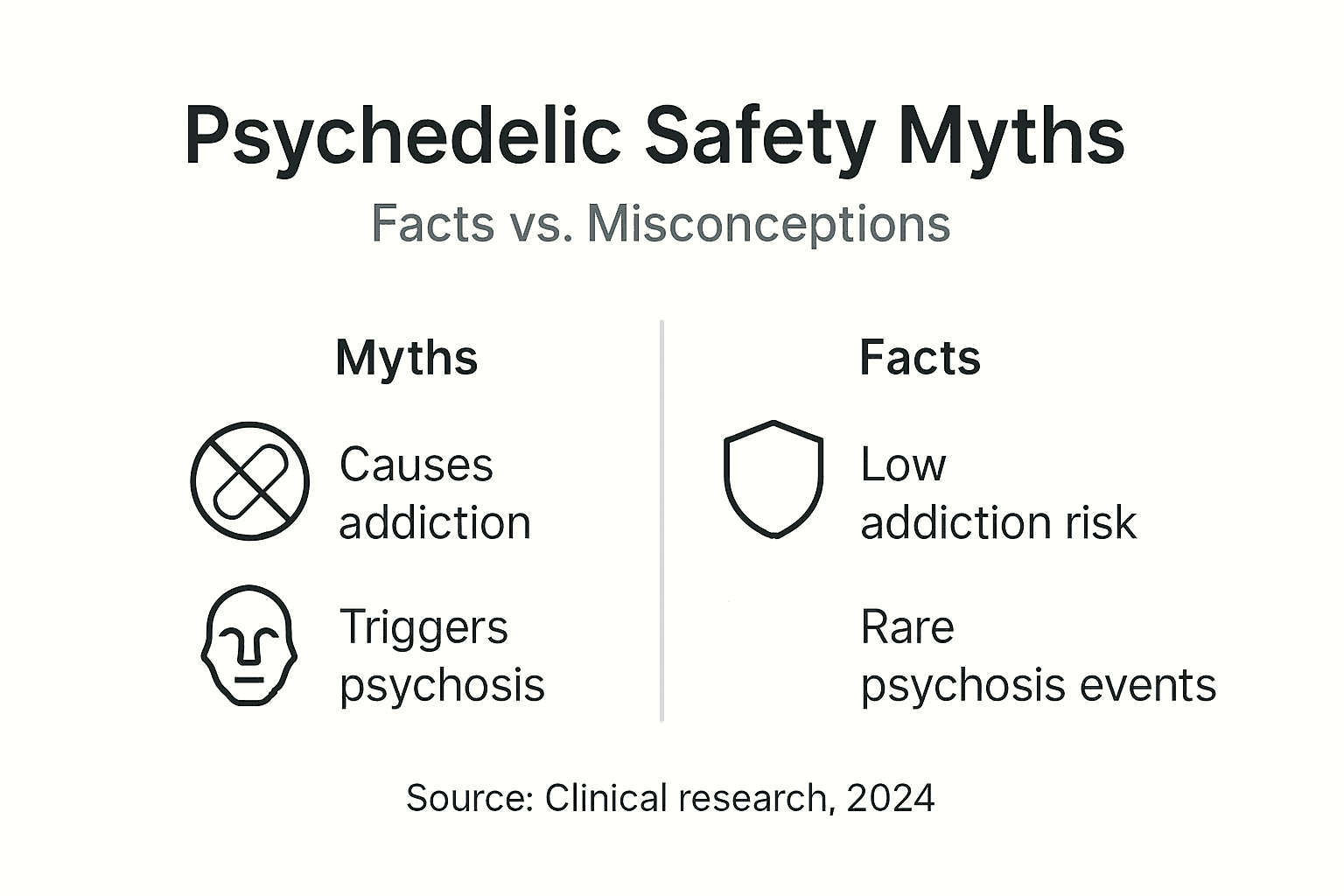
The reality is nuanced. Around 20 to 30% of users experience challenging episodes during sessions, but these typically resolve with proper support and often contribute to therapeutic breakthroughs. Challenging doesn’t mean dangerous or traumatic when the environment and guidance are appropriate.
Risk factors that increase potential for difficult experiences:
- Personal or family history of psychotic disorders
- Unsupervised use in chaotic or unfamiliar environments
- High doses without psychological preparation
- Mixing with other substances, especially stimulants or alcohol
- Unresolved trauma without therapeutic support
Practical steps to reduce risks:
- Start with lower doses and gradually increase if desired
- Choose a safe, comfortable setting with trusted people
- Work with trained facilitators or therapists when possible
- Screen for contraindications like certain medications or mental health conditions
- Prepare mentally with clear intentions and realistic expectations
Pro tip: Mental preparation matters as much as physical safety. Spend time before your session clarifying why you’re exploring psychedelics and what you hope to gain. Journal about your current mental state and concerns. This groundwork helps you navigate challenging moments and extract more value from the experience.
Following psychedelic safety practices transforms potential risks into manageable considerations. Understanding psilocybin safety specific to Canadian context helps you make informed decisions about when, where, and how to explore these powerful tools.
Legal Status and Safe Access to Psilocybin in Canada
Canada has granted over 400 exemptions under Health Canada special access programs, expanding legal psilocybin use beyond research settings. These exemptions allow healthcare practitioners to provide psilocybin-assisted therapy to patients with serious or life-threatening conditions, particularly those with treatment-resistant depression or end-of-life anxiety.
The legal landscape continues evolving. While recreational psilocybin remains prohibited under the Controlled Drugs and Substances Act, Section 56 exemptions create pathways for therapeutic access. Some practitioners have received authorization to possess and administer psilocybin, while certain patients gain personal exemptions for home use under medical guidance.
Steps for accessing psilocybin legally and safely:
- Consult with healthcare providers familiar with psychedelic therapy options
- Explore whether you qualify for special access program exemptions
- Connect with authorized clinics or practitioners offering psilocybin-assisted therapy
- Consider legal alternatives like ketamine therapy while psilocybin access expands
- Stay informed about psilocybin legal exemptions as policies continue developing
Verified sources matter enormously for safety. Unregulated products may contain incorrect doses, contaminants, or entirely different substances. Following safe psychedelic sourcing guidelines protects you from these risks.
The expansion of legal access reflects growing recognition of psilocybin’s therapeutic potential. As clinical evidence accumulates and public attitudes shift, more Canadians will likely gain legitimate pathways to these treatments. Understanding current psilocybin safety in Canada helps you navigate this transition responsibly.
How to Prepare for and Integrate a Psychedelic Experience
Your mindset and environment, what researchers call set and setting, determine much of how a psychedelic experience unfolds. Integration practices before and after sessions correlate with greater symptom relief and sustained benefits. Preparation isn’t just about physical logistics. It’s psychological readiness that creates the foundation for meaningful experiences.
Step-by-step preparation and integration guide:
- Clarify your intentions by writing down what you hope to explore or heal
- Screen for medical contraindications with a knowledgeable healthcare provider
- Choose your setting carefully, prioritizing safety, comfort, and minimal interruptions
- Arrange for a trusted sitter or guide who understands psychedelic experiences
- Fast lightly the day of your session to reduce nausea
- Create a playlist of calming music without jarring transitions
- Set aside the full day with no responsibilities or commitments
- Journal immediately after about insights, emotions, and memorable moments
- Schedule integration sessions with a therapist familiar with psychedelic work
- Give yourself days or weeks to process before making major life decisions
Support from professionals trained in psychedelic therapy dramatically improves outcomes. They help you prepare mentally, navigate difficult moments during sessions, and translate insights into lasting changes afterward. Peer support groups also provide valuable community for processing experiences.
Pro tip: Journaling within hours of your session captures details and emotions that fade quickly. Don’t worry about making sense of everything immediately. Write freely about what you saw, felt, and realized. Later integration work with a therapist helps you identify patterns and apply insights to daily life. This documentation becomes invaluable for tracking your psychological growth over time.
Psychological preparation includes examining your expectations. Psychedelics aren’t magic pills that automatically fix problems. They’re catalysts that can reveal new perspectives, but you must do the work of changing thoughts and behaviors afterward. Physical preparation means ensuring your body is healthy enough for the experience and avoiding contraindicated medications.
Following psychedelic safety practices throughout preparation reduces risks. The comprehensive preparation and integration guidance available helps you maximize benefits while minimizing potential challenges.
Explore Safe, Legal Psilocybin Products and Guides at Fungal Friend
Ready to explore psychedelic experiences for mental wellness? Fungal Friend offers carefully curated psilocybin products designed for safe microdosing, along with comprehensive educational resources for both beginners and experienced users.
Our beginner microdosing guide walks you through everything from selecting your first product to tracking effects over time. Whether you’re interested in subtle mood enhancement through microdosing or learning the safe microdosing method that works best for your lifestyle, we provide the knowledge and products to support your journey. Every item meets rigorous quality standards, and we stay current with Canadian regulations to ensure your access remains legal and safe.
Frequently Asked Questions
What does a psychedelic experience feel like?
Full doses create altered perception with visual changes, emotional intensity, and novel thought patterns that can feel profound or overwhelming depending on set and setting. Microdosing produces subtle mood lift and cognitive enhancement without perceptual changes. The intensity varies dramatically based on dose, individual sensitivity, and environmental factors.
Is microdosing safe and legal in Canada?
Microdosing falls under evolving Canadian exemptions but currently requires accessing products through legal channels aligned with special access programs. When following recommended protocols with verified products, microdosing is generally considered safe with minimal side effects. Proper sourcing and dosage accuracy matter enormously for safety.
How do I prepare mentally for my first psychedelic session?
Focus on creating a positive mindset through clarifying intentions, choosing a controlled comfortable environment, and arranging support from experienced guides or trusted friends. Spend time before your session examining what you hope to explore and setting realistic expectations. Professional guidance significantly improves outcomes for first-time users.
Can psychedelics cause addiction or psychosis?
Classic psychedelics like psilocybin have very low addiction potential with no physiological dependence and typically don’t cause psychosis when used responsibly in appropriate settings. Risks increase primarily with very high doses, pre-existing vulnerability to psychotic disorders, or uncontrolled chaotic environments. Proper screening and guidance minimize these already small risks.
Where can Canadians legally access psilocybin?
Access typically occurs through Health Canada exemptions and special access programs that allow authorized healthcare practitioners to provide psilocybin-assisted therapy for qualifying conditions. Over 400 exemptions have been granted as of 2025. Working with reputable providers who comply with current regulations ensures legal access while therapeutic pathways continue expanding.